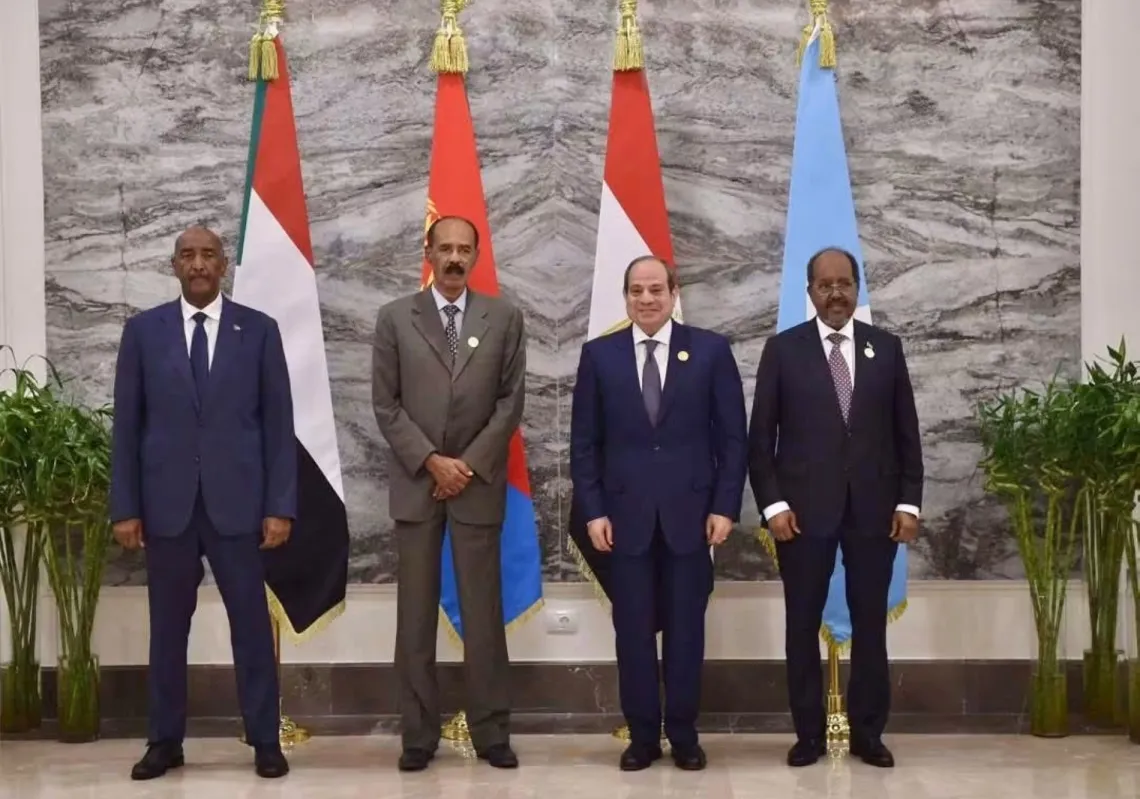

Cairo hopes that by helping the Americans establish relations with Egyptian allies in the region, it will be better placed to deal with the threats posed by Addis Ababa
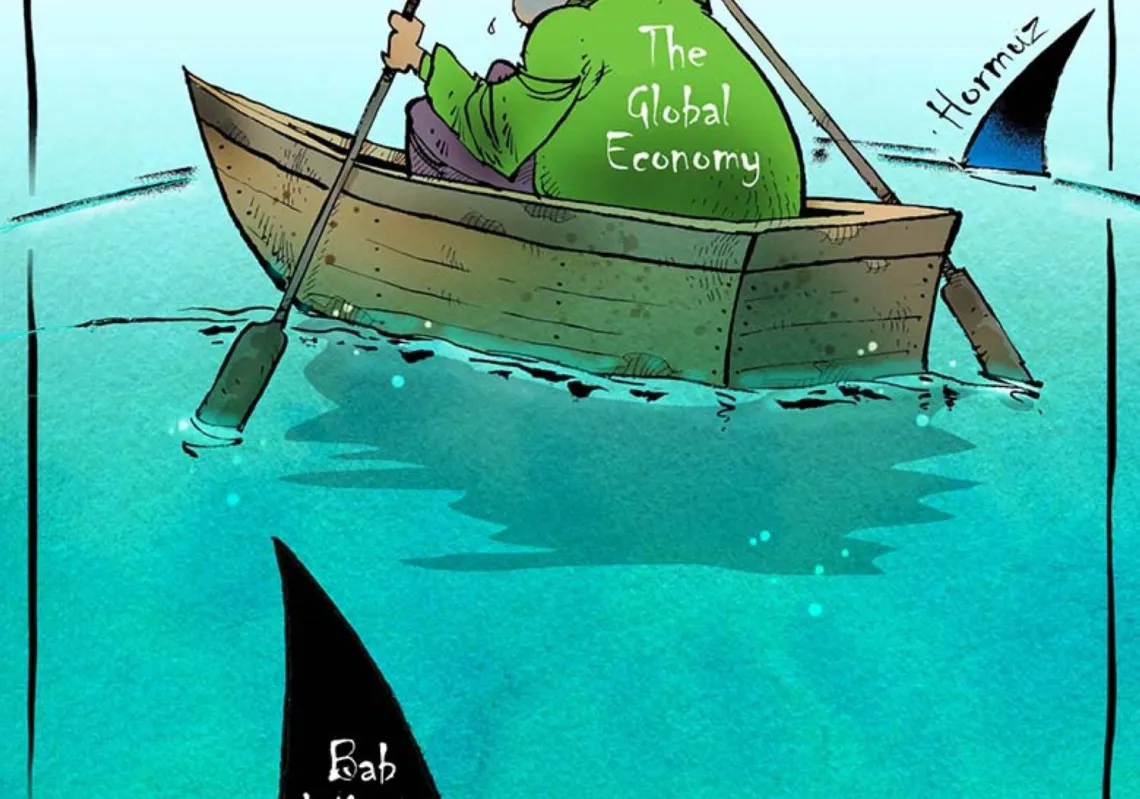
As a route for Gulf energy exports, nothing can fully replace the Strait of Hormuz, which remains closed by Iran, but a Saudi port city on the Red Sea could hold some of the answers.
The regional rivals aren't just fighting over freshwater supplies. Cairo sees Addis Ababa's bid for Red Sea access as part of a wider fragmentation strategy.
Is the Red Sea moving toward an ordered space governed by capable states or toward a grey zone edging toward disorder? Read our February cover story to find out.
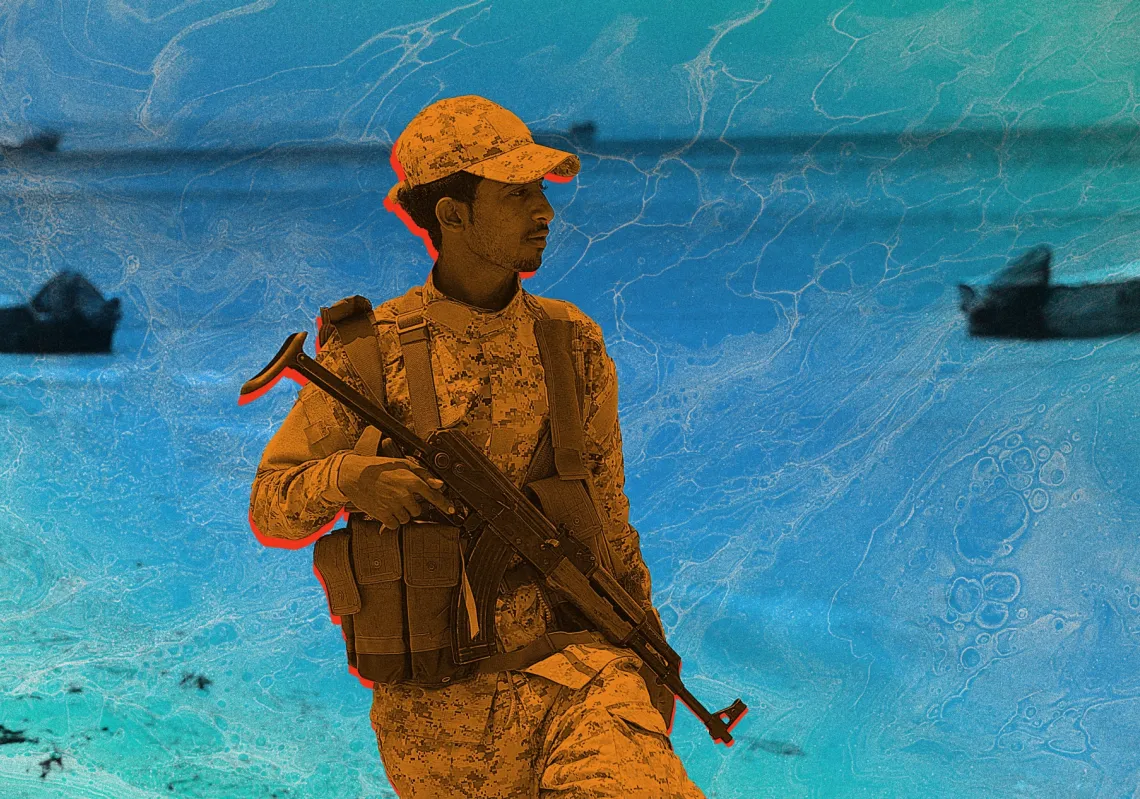
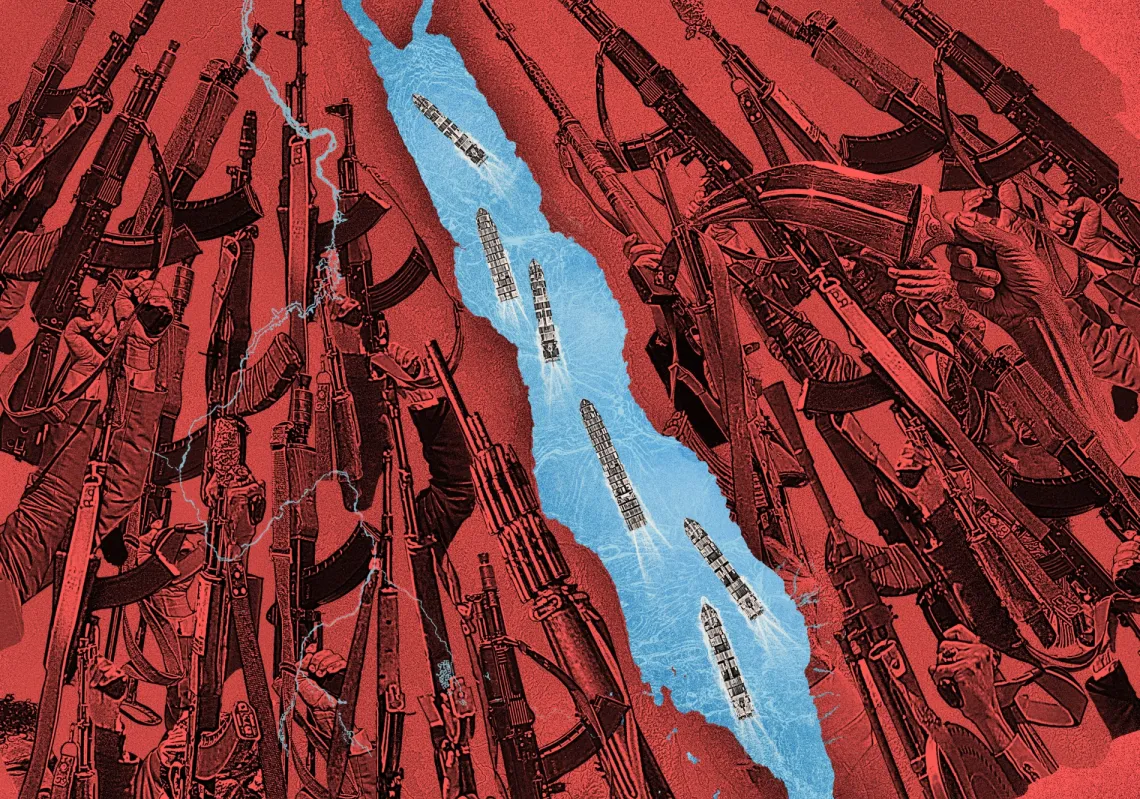
US President Donald Trump agreed a ceasefire in early May on the condition that the Houthis do not attack American ships. Good to their word, they are still attacking others, with no comeuppance.
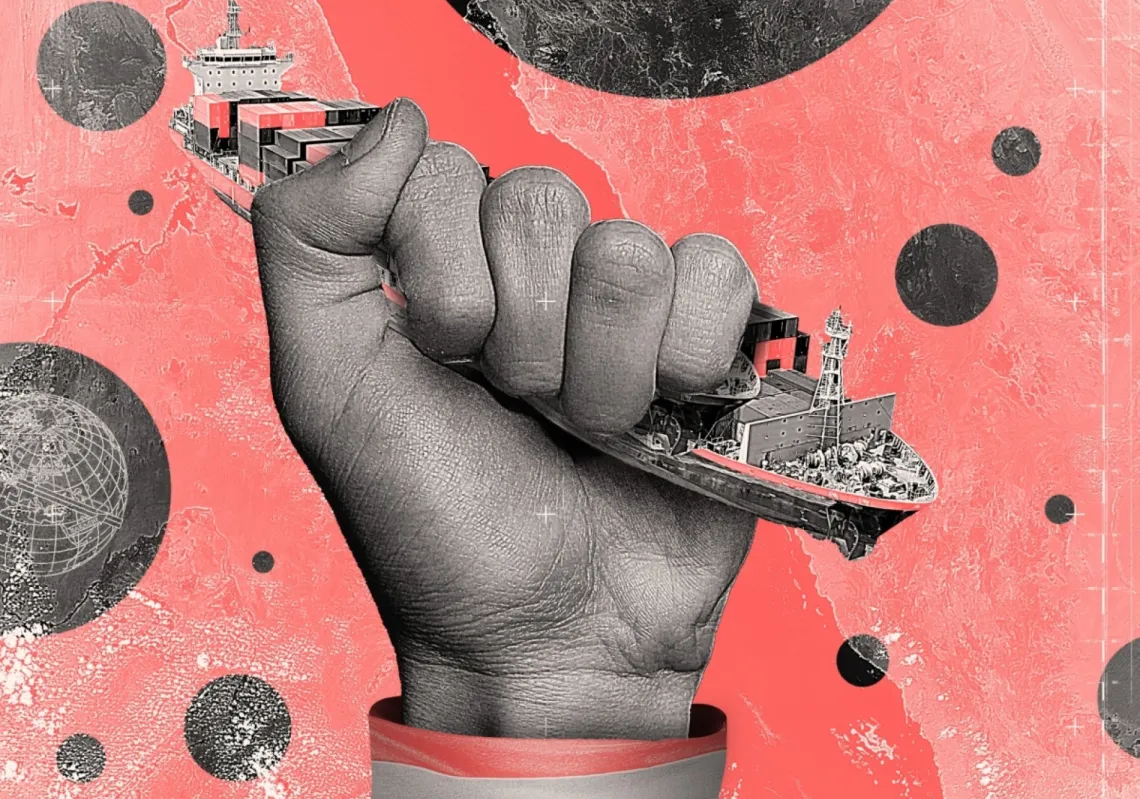
Each year, around $1tn worth of cargo, including oil and liquefied natural gas, flows through the Red Sea and Suez Canal. This represents nearly 15% of global seaborne trade, and about 30% of global…
An Israeli presence at the entrance of the Red Sea would alter the regional balance of power, extend the Abraham Accords alliance, and project its military influence into the Indian Ocean
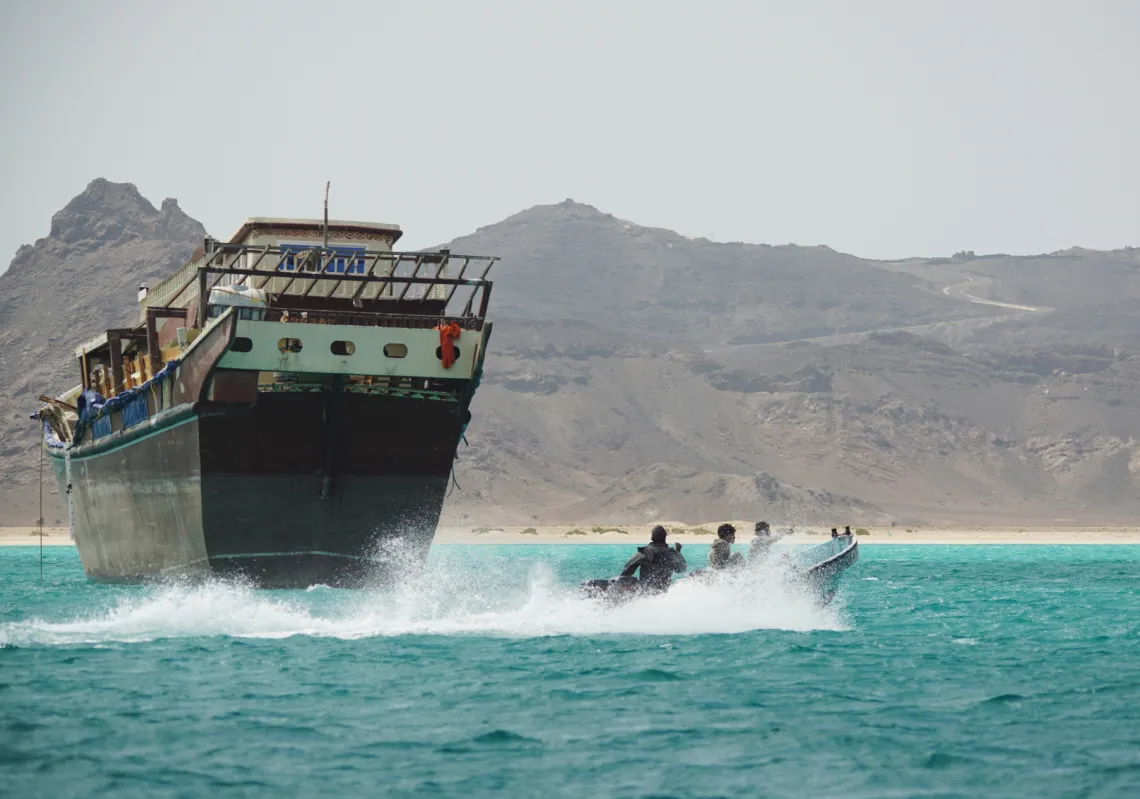
A waterway wedged between Africa and Asia is the preferred transit route for around 30% of global containerised trade. No wonder foreign stakeholders are all vying for bases along the route.
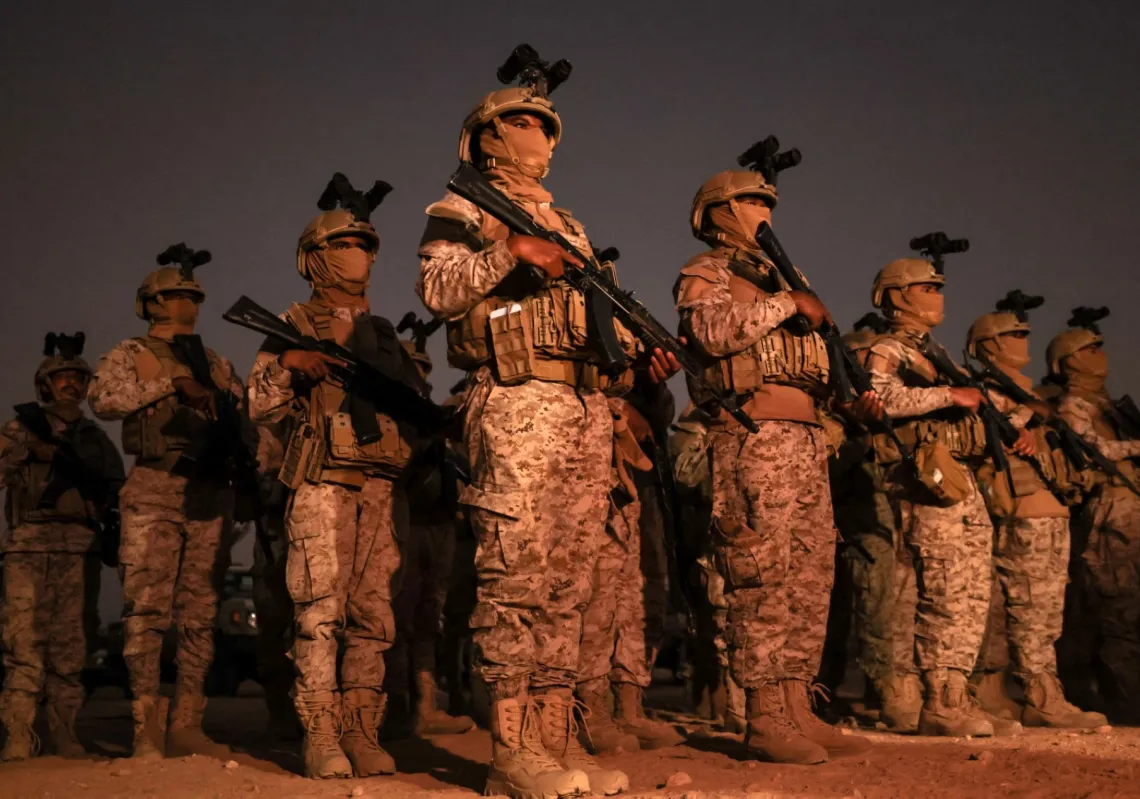
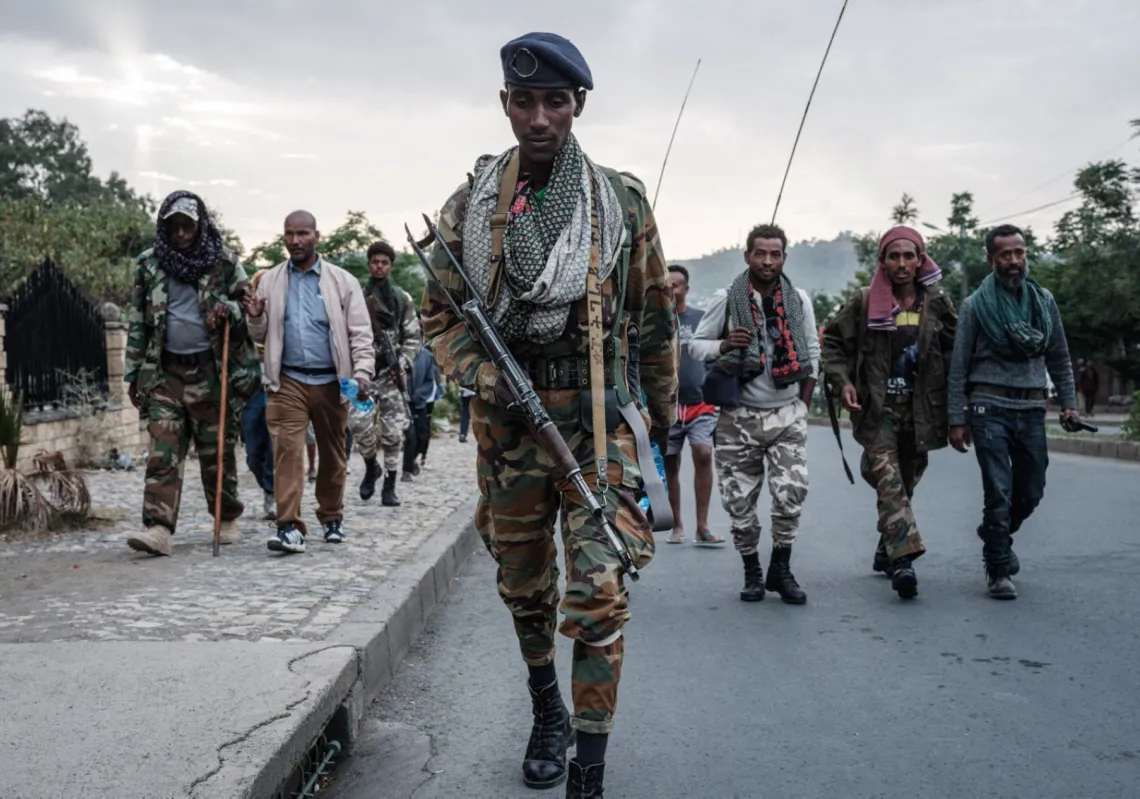
Cairo is wooing states in the Nile Basin and Horn of Africa using its defence industry and security expertise to counter geopolitical worries over the Red Sea and the Suez Canal
The EU naval mission will help provide security for shipping in the Red Sea but will not partake in air strikes on Houthis in Yemen, who vow to stop attacks when Israel ends its war on Gaza
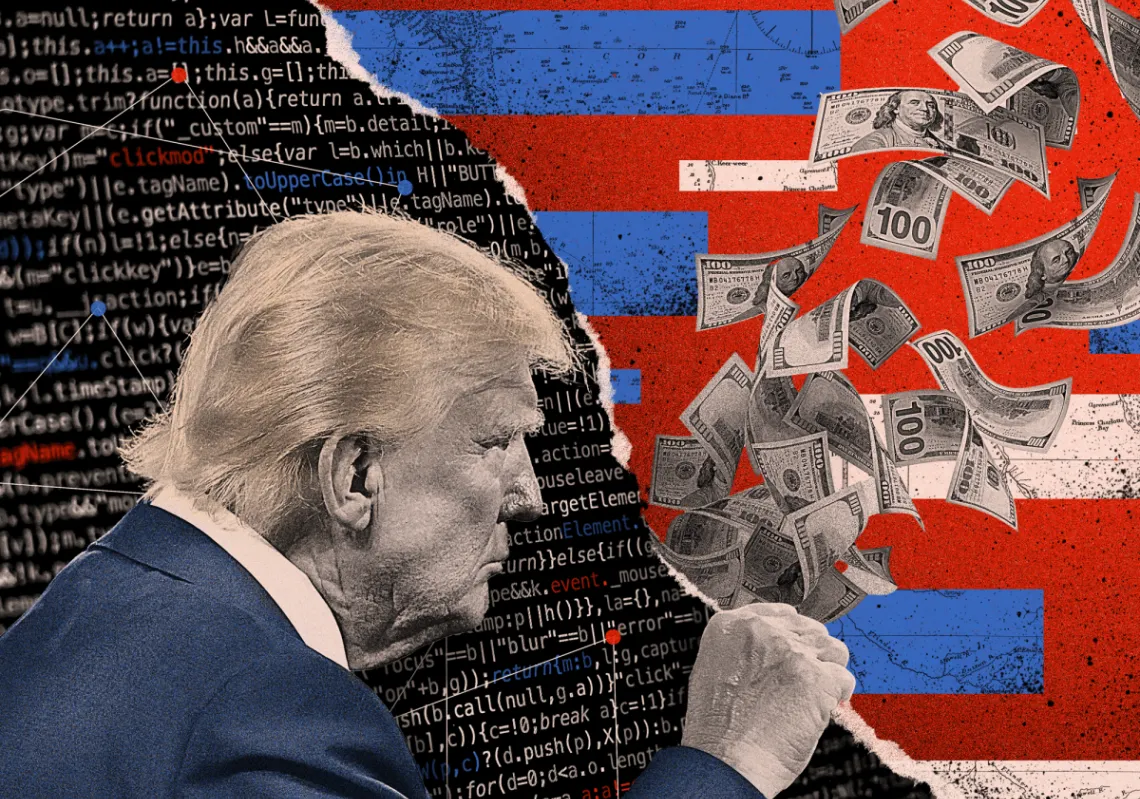
Recently published documents show a US no longer willing to finance an international system that doesn't reflect its strategic priorities and allows its adversaries a seat at the table
After 16 years, there is finally a political transition in Budapest. This is an annoyance in Moscow and Washington, a relief in Brussels, and a warning to Europe's populists.
Satellite technology from China and data analysis from Russia have helped Tehran be far more precise with its missiles and drones in its war against the US and Israel.