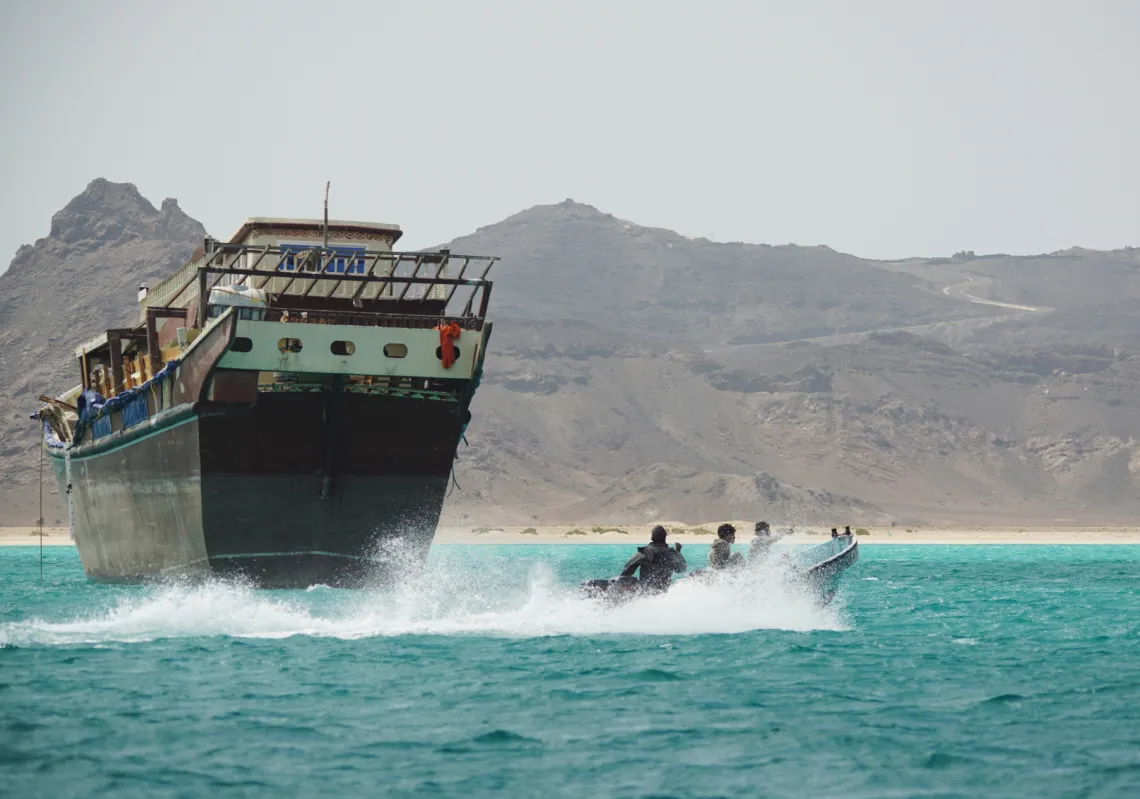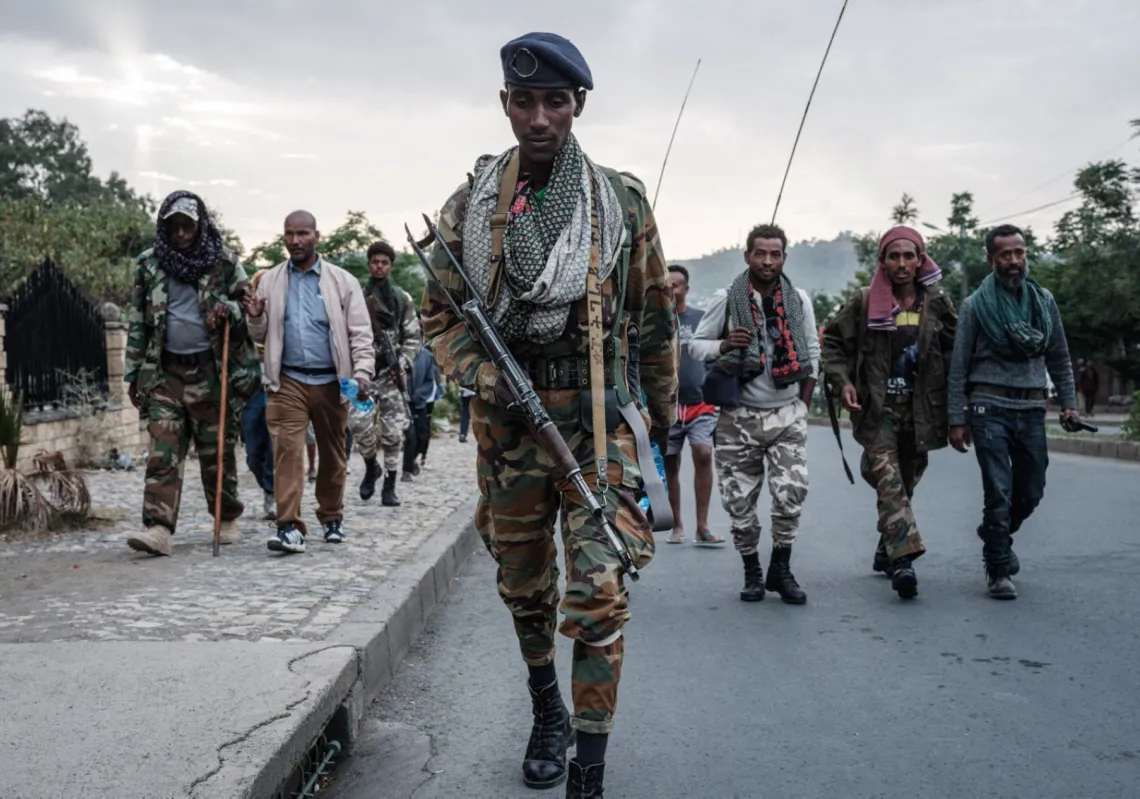
Is the Red Sea moving toward an ordered space governed by capable states or toward a grey zone edging toward disorder? Read our February cover story to find out.
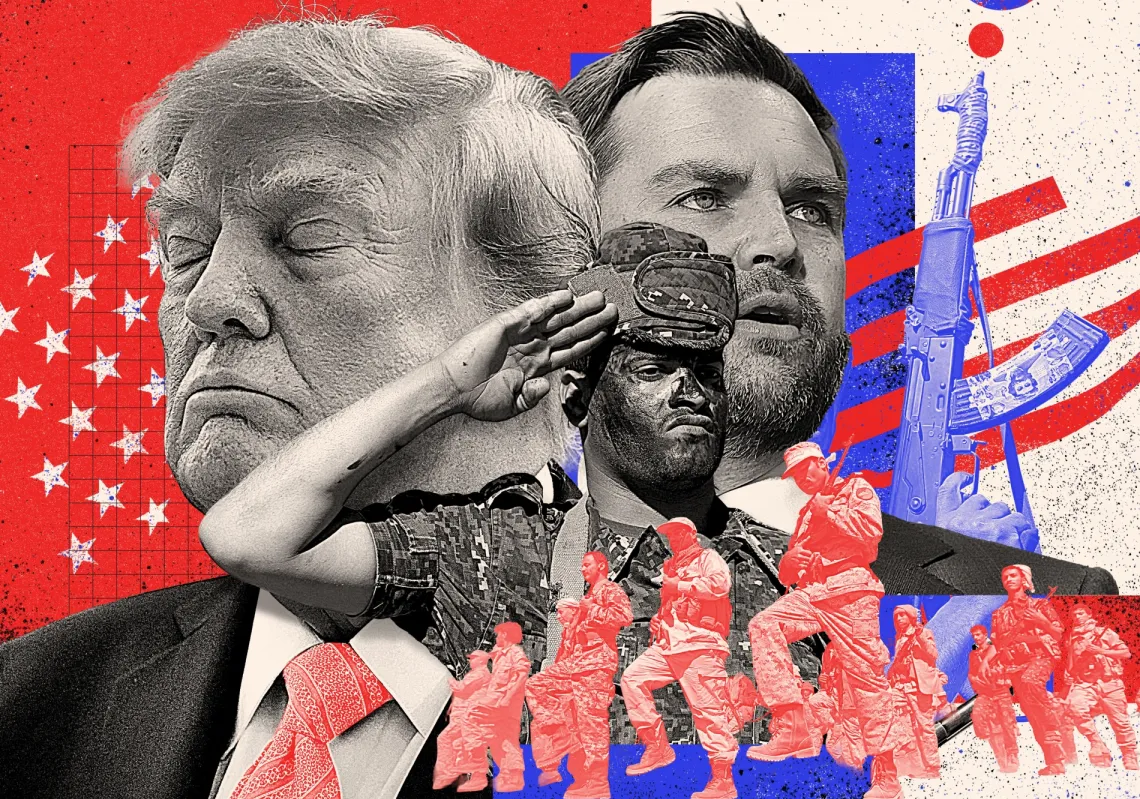
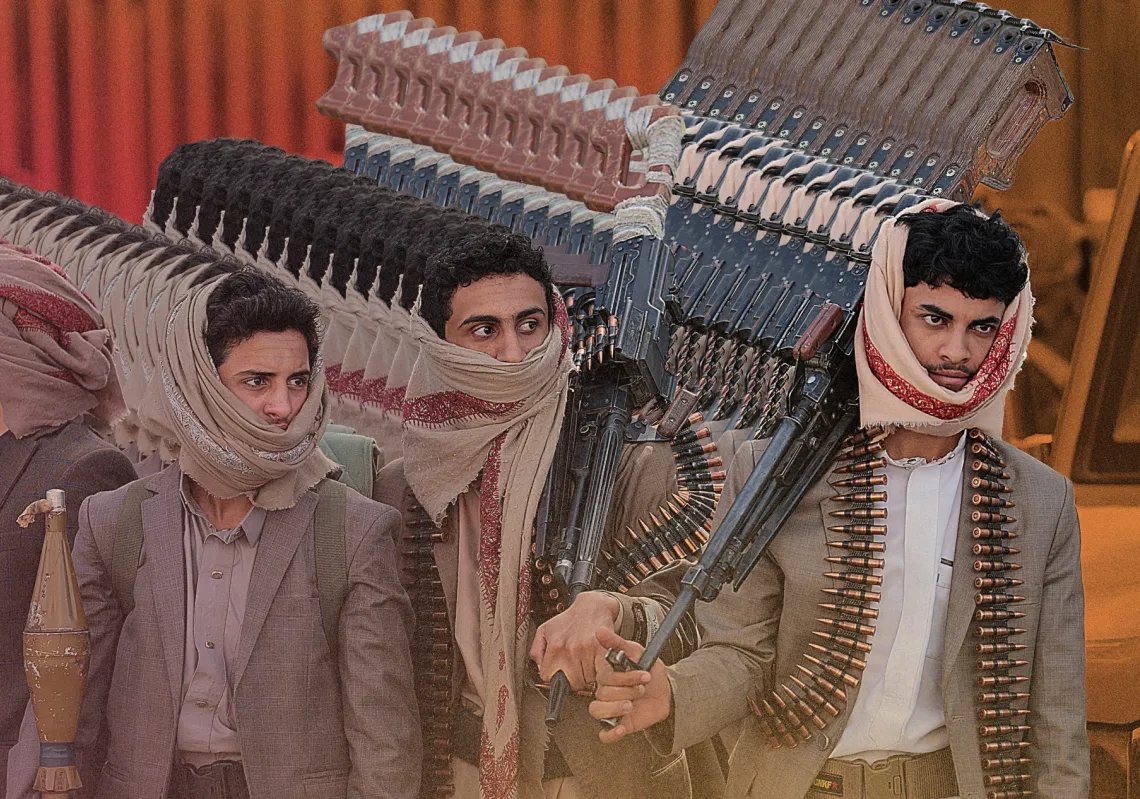
US President Donald Trump agreed a ceasefire in early May on the condition that the Houthis do not attack American ships. Good to their word, they are still attacking others, with no comeuppance.
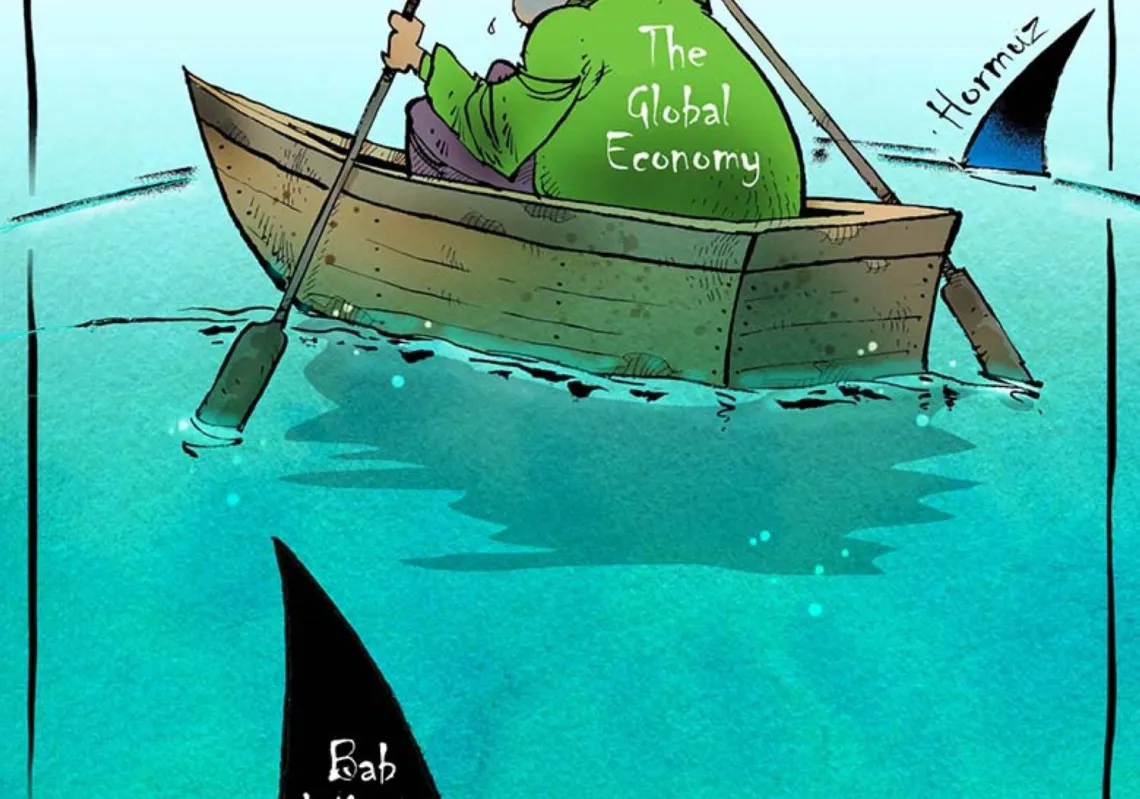
Each year, around $1tn worth of cargo, including oil and liquefied natural gas, flows through the Red Sea and Suez Canal. This represents nearly 15% of global seaborne trade, and about 30% of global…
An Israeli presence at the entrance of the Red Sea would alter the regional balance of power, extend the Abraham Accords alliance, and project its military influence into the Indian Ocean
A waterway wedged between Africa and Asia is the preferred transit route for around 30% of global containerised trade. No wonder foreign stakeholders are all vying for bases along the route.
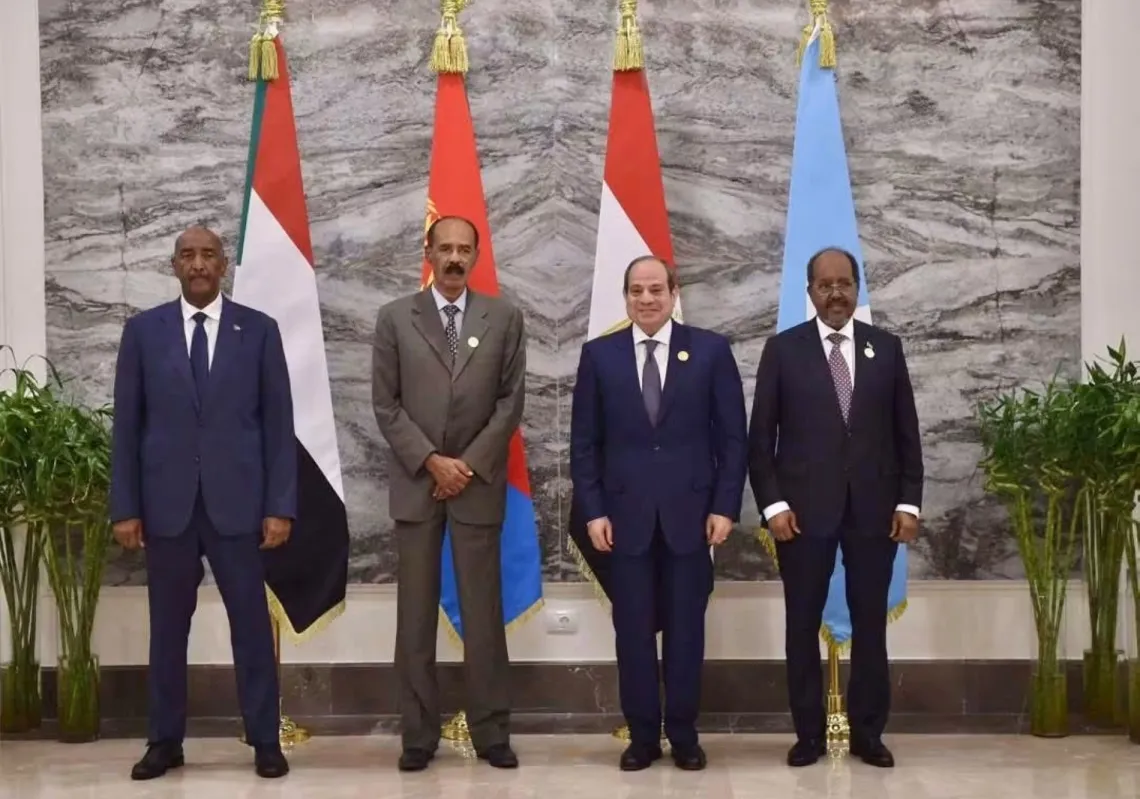
Cairo is wooing states in the Nile Basin and Horn of Africa using its defence industry and security expertise to counter geopolitical worries over the Red Sea and the Suez Canal
The EU naval mission will help provide security for shipping in the Red Sea but will not partake in air strikes on Houthis in Yemen, who vow to stop attacks when Israel ends its war on Gaza
Europe's new Aspides maritime operation to safeguard vessels being attacked by Houthis in Yemen has set it on a different course from the US. It needs to sail carefully if it is to succeed.
Ocean freight shipping rates are set to increase further in early February amid the ongoing Red Sea crisis. According to the Xeneta ocean freight rate benchmarking platform, market average short-term…
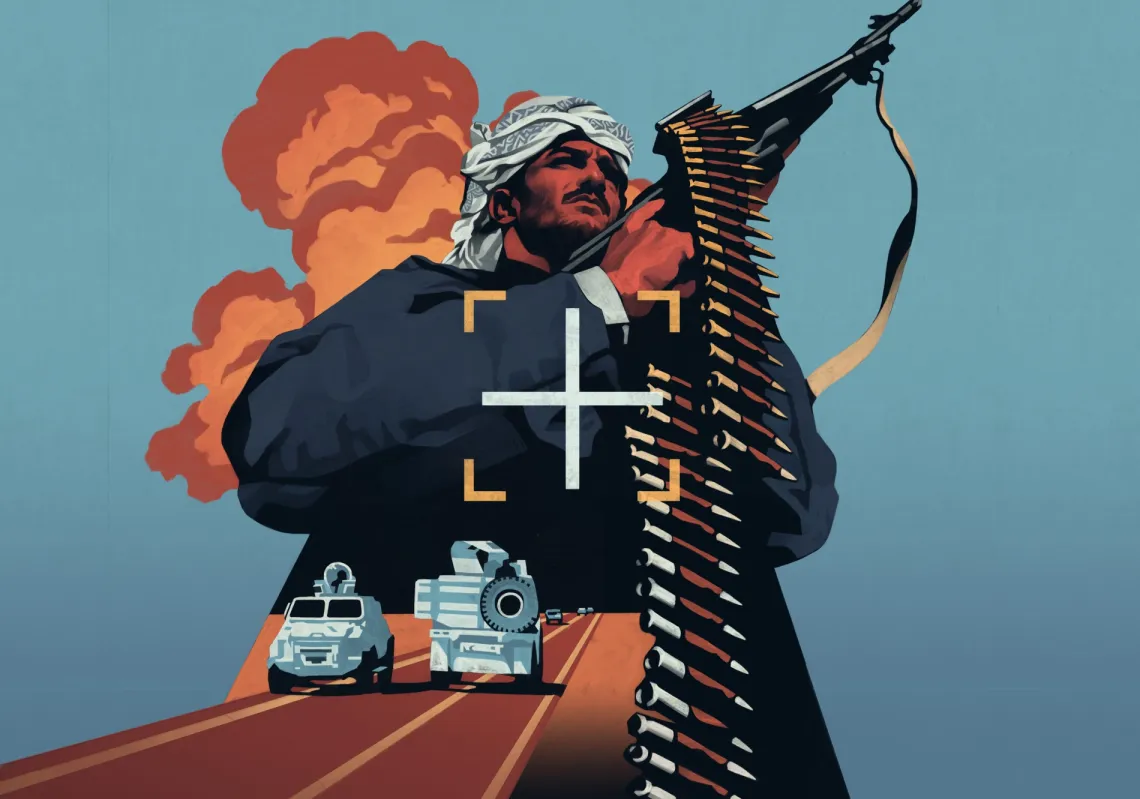
When the Yemen-based militia began targeting cargo ships through a narrow strait, it threw up several conundrums. It also garnered Arab support. What happens next will be important.
Tehran isn't likely to easily fold if/when Trump attacks. This means that the longer a military confrontation drags out, the more untenable Washington's position becomes.
The conflict has forced Russia to scale back its global footprint and NATO to boost its defence spending. Meanwhile, China and Middle powers have emerged as key beneficiaries.
Natural resources like solar, wind, and water are set to provide 36% of global electricity production this year. Even for sceptics like Donald Trump, the trends are unmistakable.
Some point to his possible links to Mossad through his associate Ghislaine Maxwell, whose father was a known Israeli spy, and assert that he blackmailed powerful figures to exert influence
Al Majalla - London
Sign up for the Weekly Newsletter
Get the best of Al Majalla, straight to your inbox.