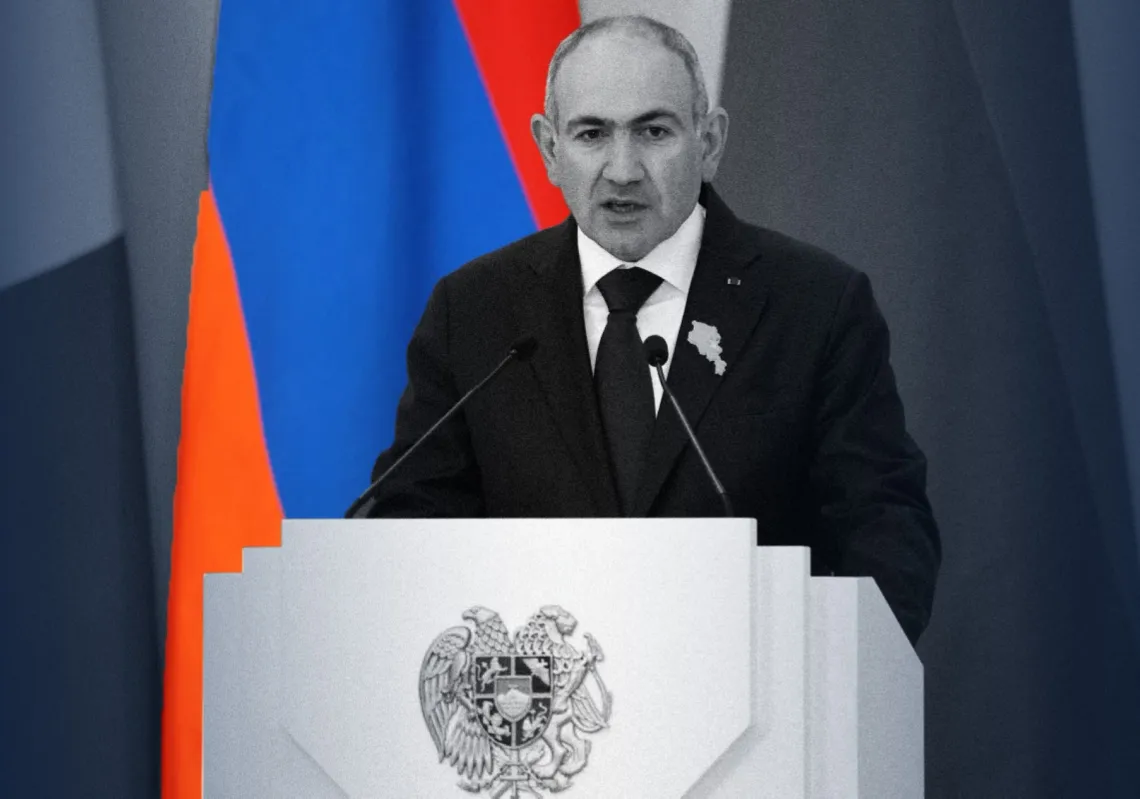
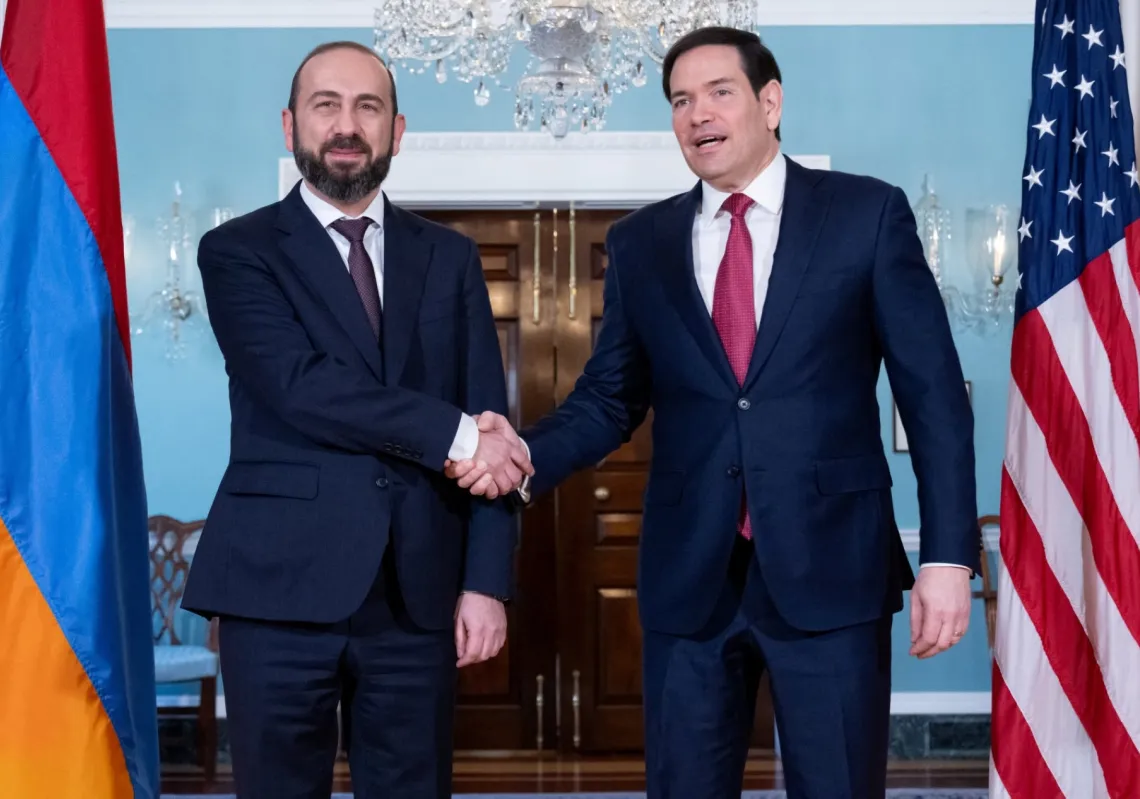
While the Armenian government is hailing the developments around TRIPP and JD Vance's upcoming visit, many wonder whether Moscow will acquiesce so easily as its hold on the region weakens
The award-winning Armenian author says literature can either romanticise war or expose its bitter horrors, impacting the choices future generations will make
Moscow's much smaller neighbours have been looking elsewhere for energy, trade, investment, and security. That is not in Russia's plans, but Putin knows the new US president is unlikely to help them.
So far, the 100,000 people displaced into the country have helped some sectors grow, and there are hopes that the lack of a significant negative impact could last. Some foreign aid has helped.
After almost three decades, Azerbaijan has restored its sovereignty over Karabakh. More than half of 120,000 or so Armenians have already left and many more are expected to follow.
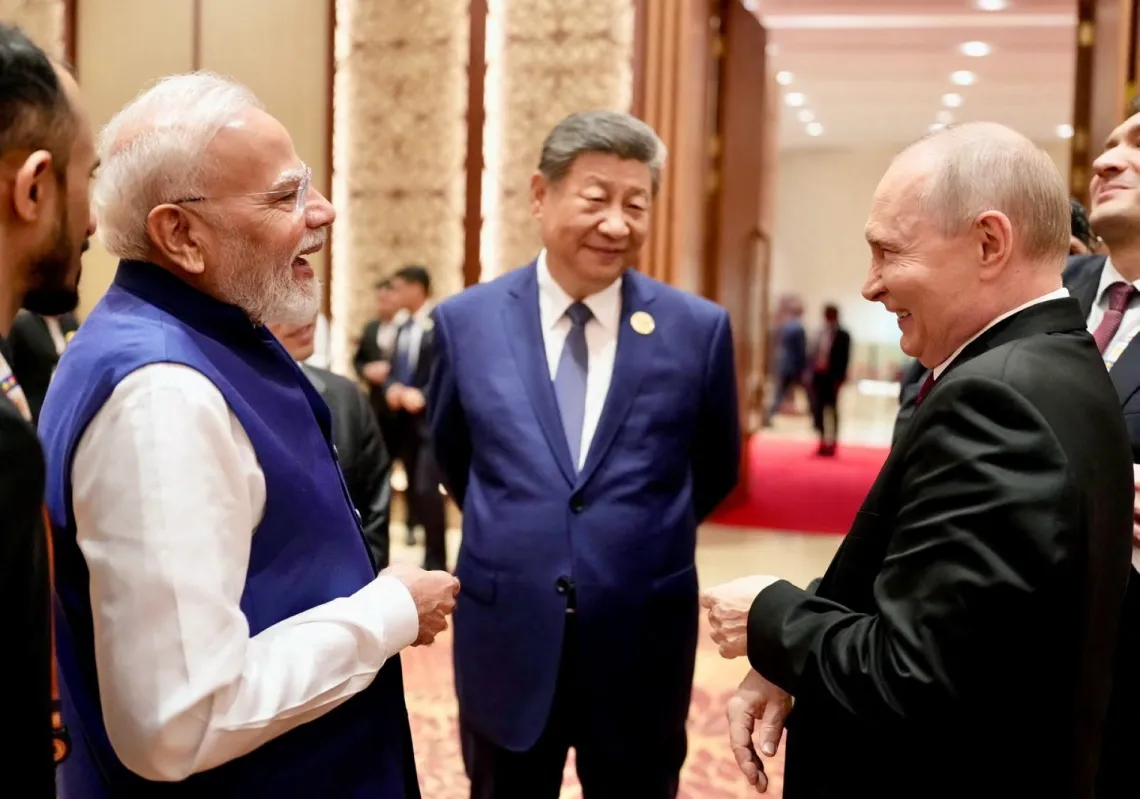
A once-unshakeable alliance has been disrupted by a one-sided dependency and a feeling of unrepaid loyalty as Putin's invasion of Ukraine echoes through his near-neighbours as well as the wider world
With various regional and global players having vested interests in the South Caucasus, resolving the conflict between Armenia and Azerbaijan is ever more urgent. Al Majalla explains.
For Russians looking to set up or move their businesses due to international sanctions, Armenia is an attractive option. However, the new influx of Russians has driven prices up in the country.
An Azerbaijani-imposed blockade has placed the Armenian population on the brink of starvation. But the world has turned a blind eye to what is happening.
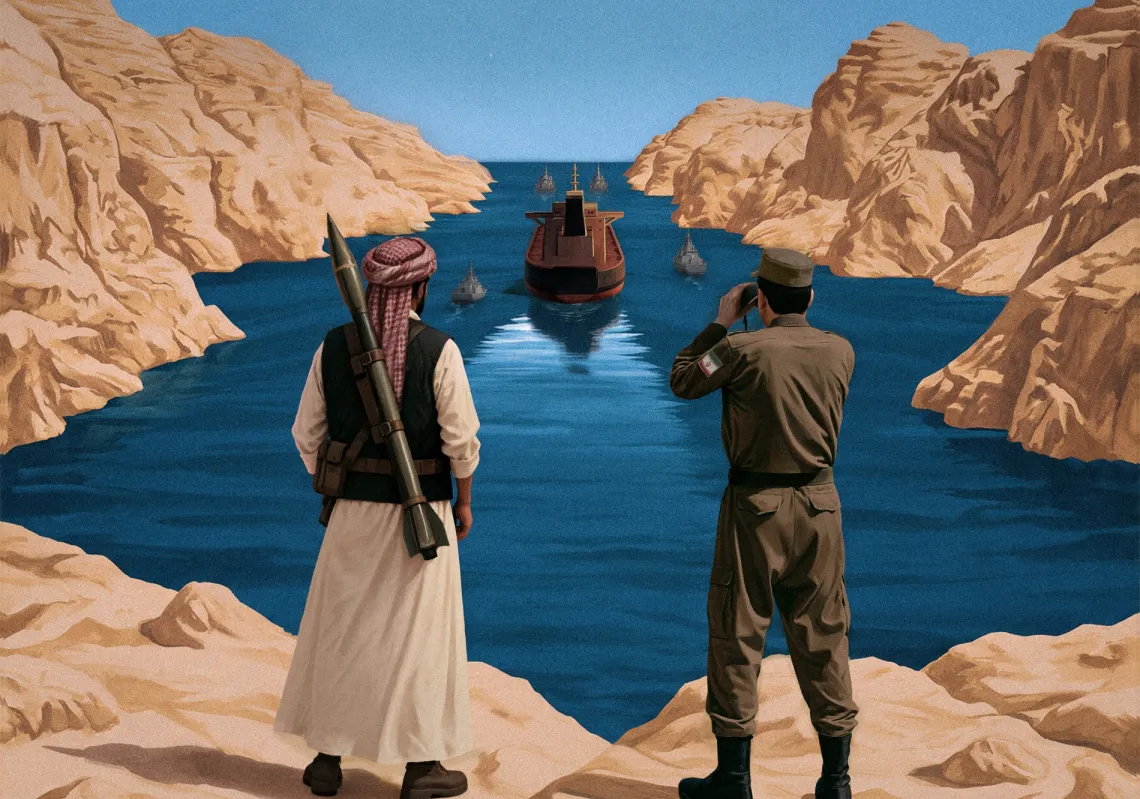
Any disruption in the Hormuz has cascading knock-on effects that extend far beyond energy markets, impacting international trade. Al Majalla explores all this and more.
The current conflict is unlikely to go global for now, but the speed at which it has spread regionally is alarming. A look at history shows the geopolitical factors that led to world wars.