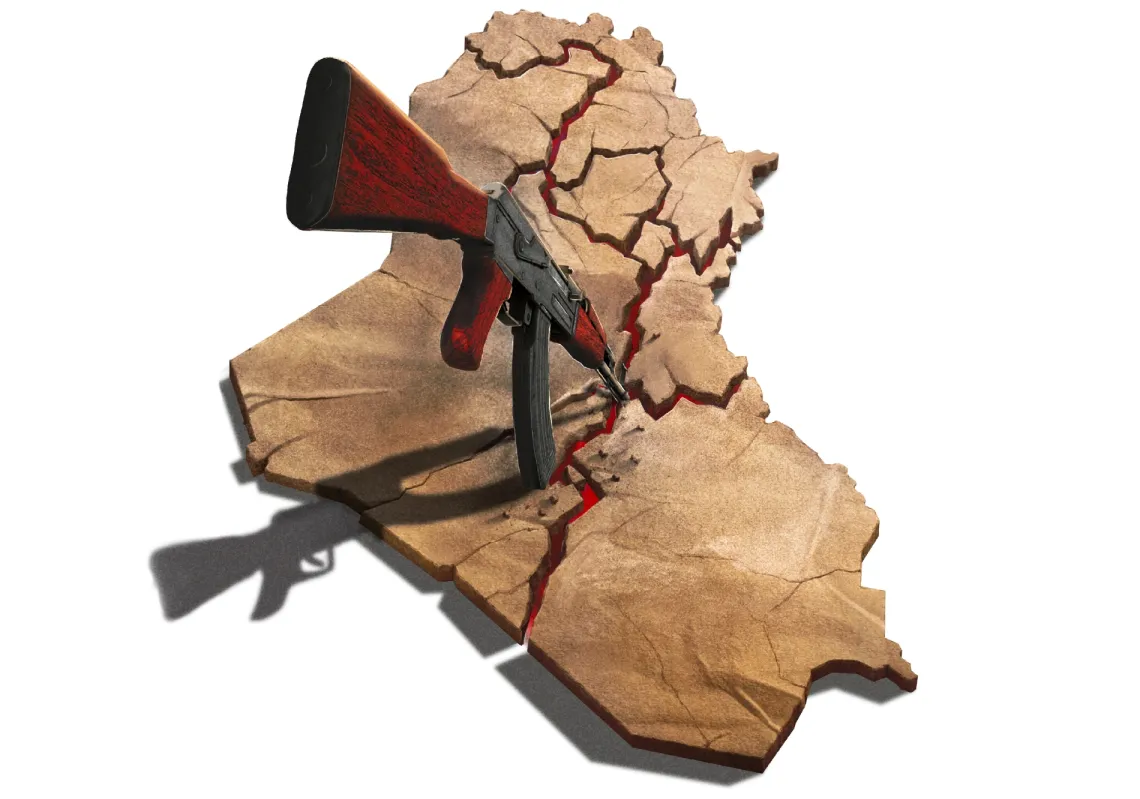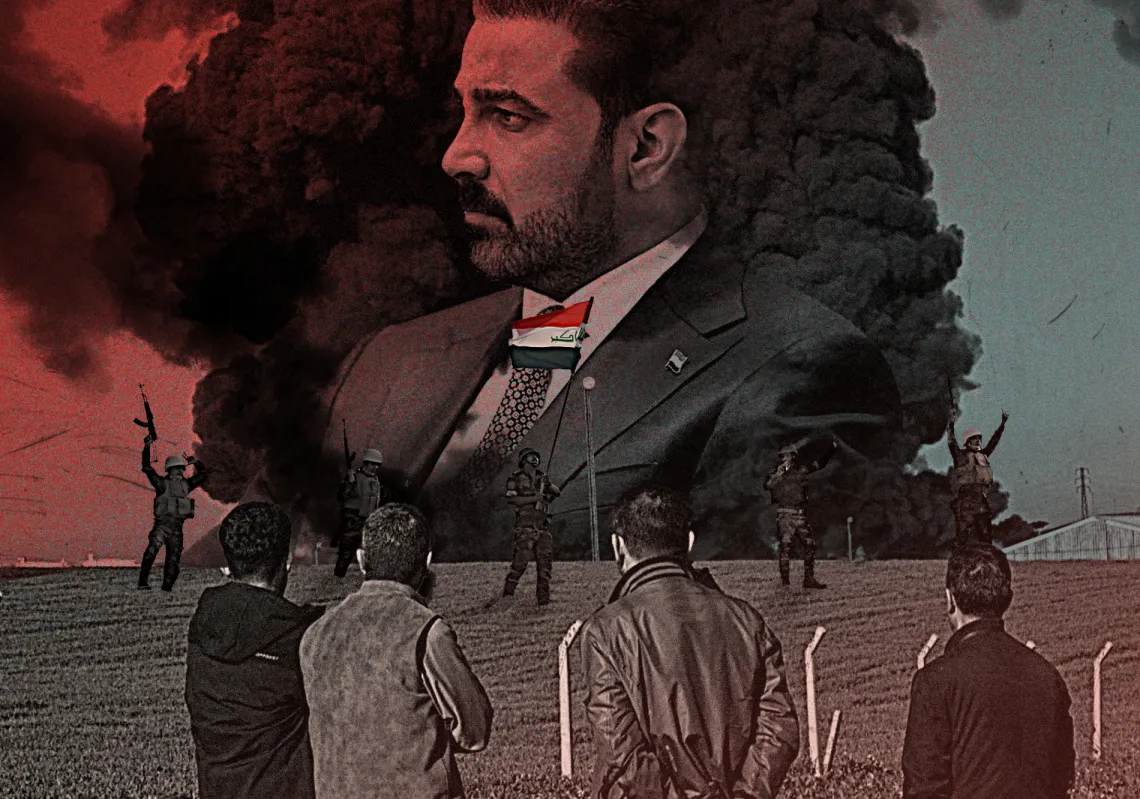
Al-Zaidi's push to take arms out of militias' hands and bring them under state control is exposing deep political divisions and challenging the government's authority at home and abroad
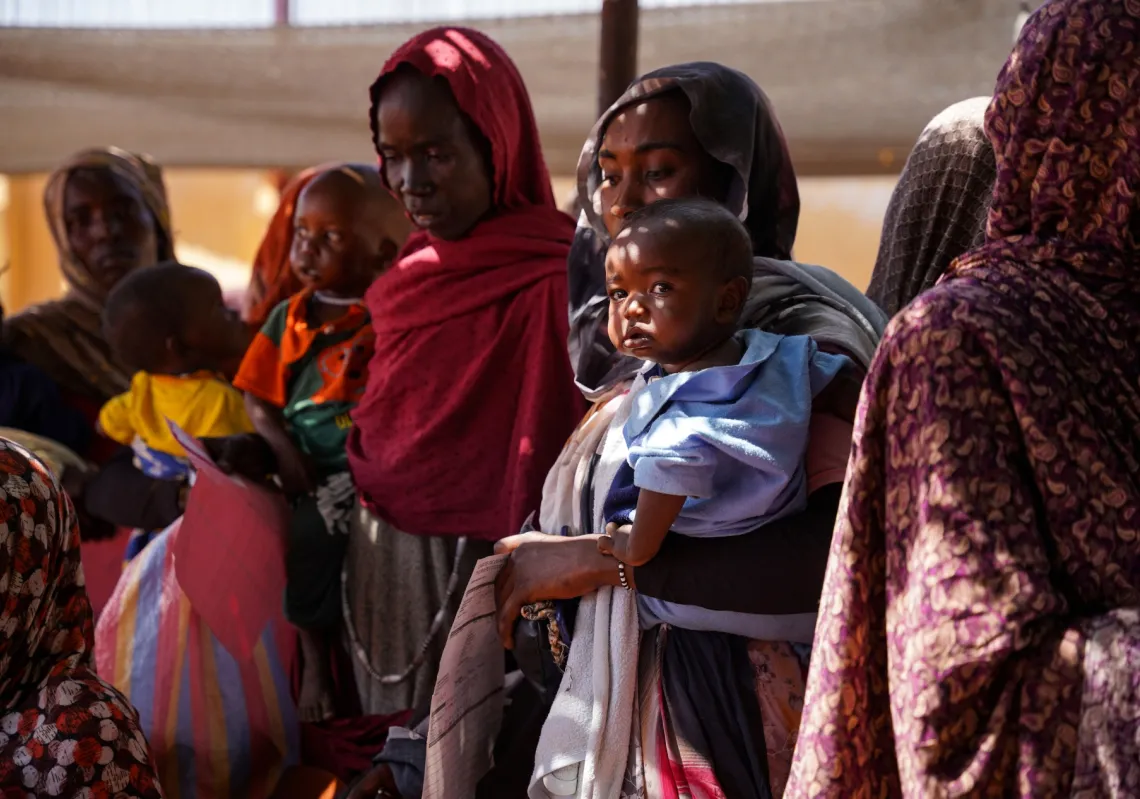
Washington seems to have changed its tone after the RSF committed atrocities in October, putting increasing pressure on the foreign backers of a paramilitary that now controls Darfur. What next?
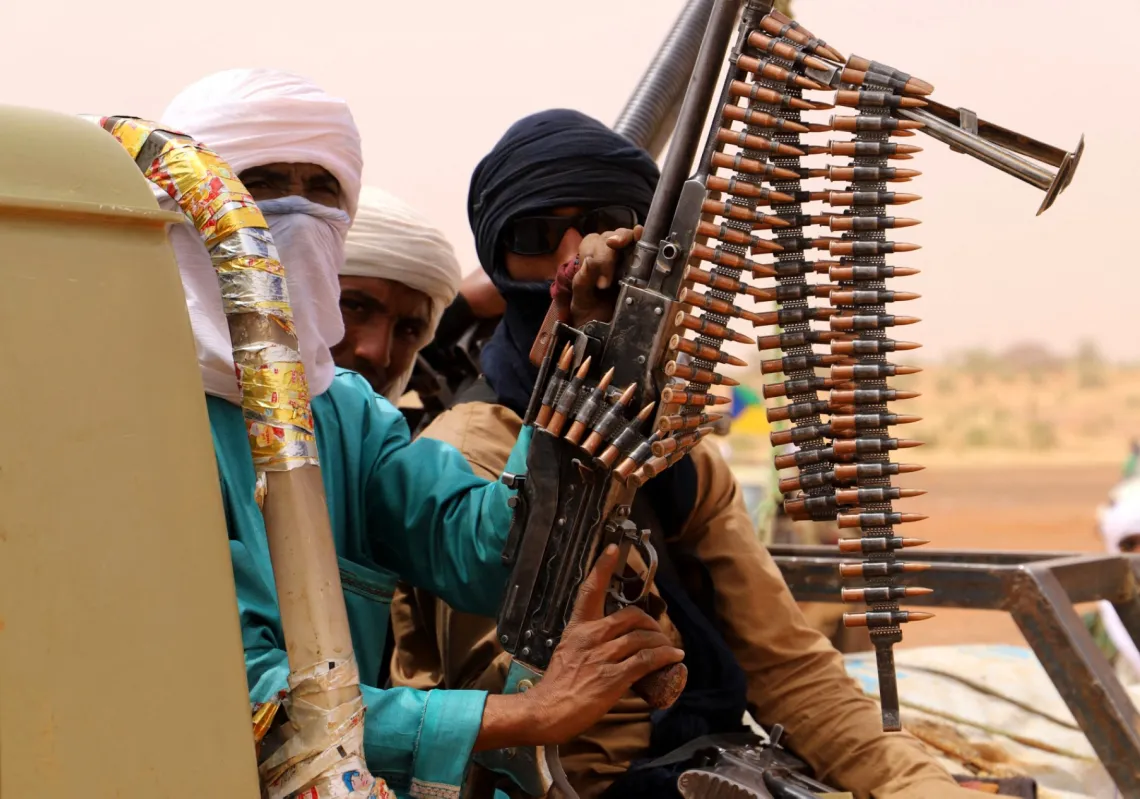
Armed groups are being formed in places like Mali, Niger, and Burkina Faso, where state militaries cannot defeat jihadists and separatists alone. Once formed, however, they seldom stay loyal.
Non-state actors have risen to political prominence at an alarming rate since the Arab Spring. Combatting these groups is vital to achieving regional security and stability. Our future depends on it.
The role of the state, society, and the individual has rarely been more in flux in the Middle East. The philosophical underpinning of their roles and relationships matters now more than ever.
Across MENA, the proliferation of militias combines corruption, smuggling, looting, intimidation, and parasitism to swell their coffers at the expense of state treasuries.
Armed groups have proliferated in the Iraqi security vacuum, in some cases supported by Iran. After three US soldiers were killed, the Americans have hit back. How will the militias react now?
The origins of this mafia class can be traced back to the power vacuum the US invasion of Iraq created in 2003. 20 years later, its influence is pervasive and its presence aggravating.
Balancing the competing interests of regional and global stakeholders is no easy task. Can the president keep Syria from becoming an arena for regional conflict?
The former Fox News presenter, who now wields more influence over US politics than he did at the network from 2009-23, is now a vehement critic of Trump in recent months, in part over Israel
War is driving demand for munitions, and the fibres from cotton seeds are used to produce artillery shells. With only a few producers, demand is soaring.