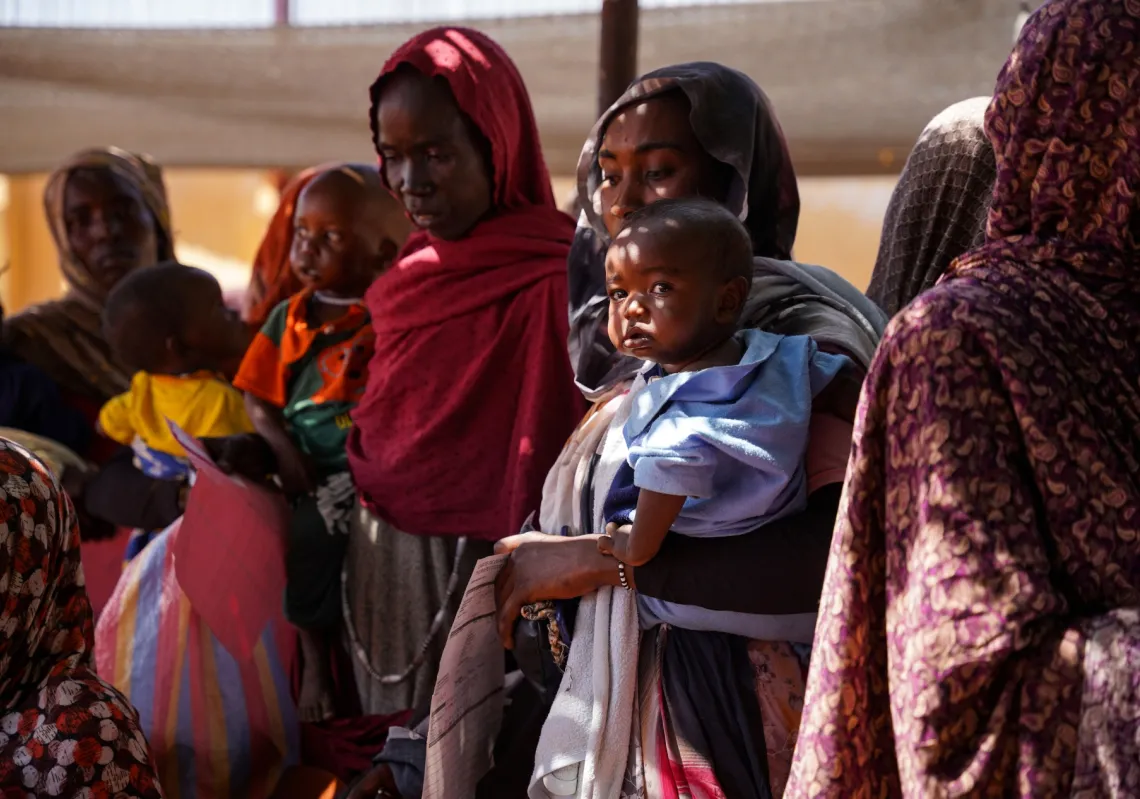
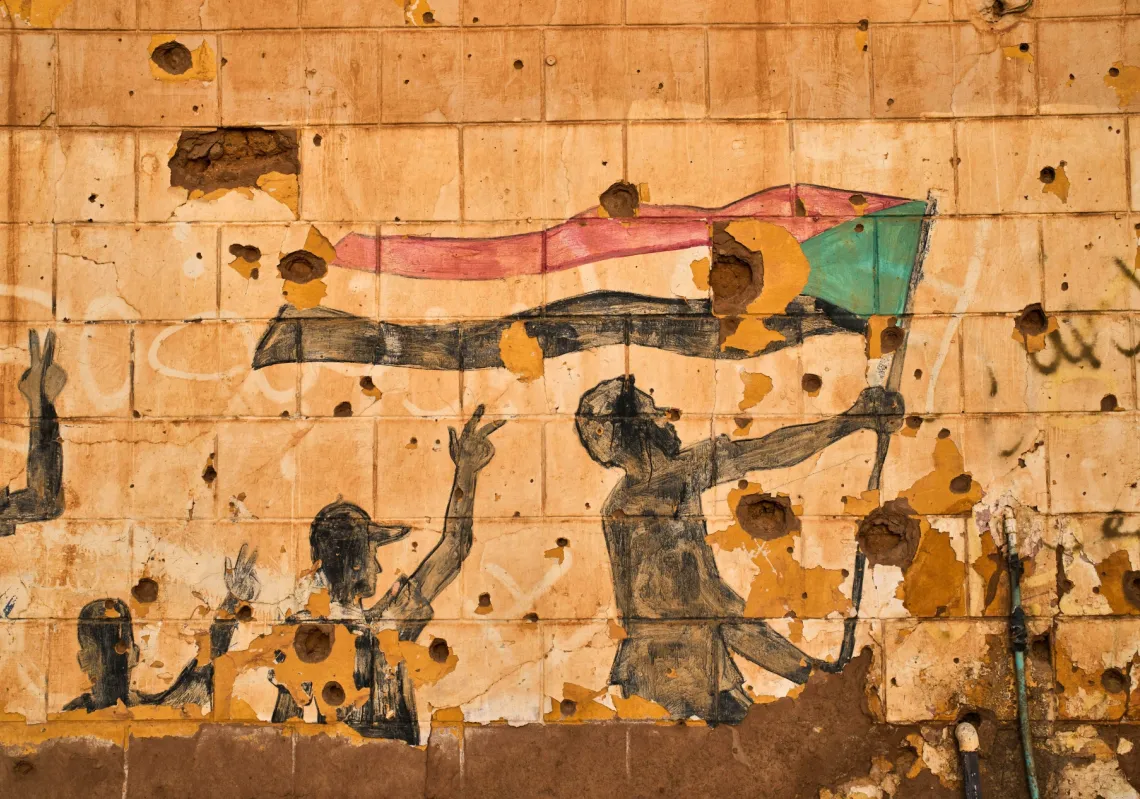
Washington seems to have changed its tone after the RSF committed atrocities in October, putting increasing pressure on the foreign backers of a paramilitary that now controls Darfur. What next?
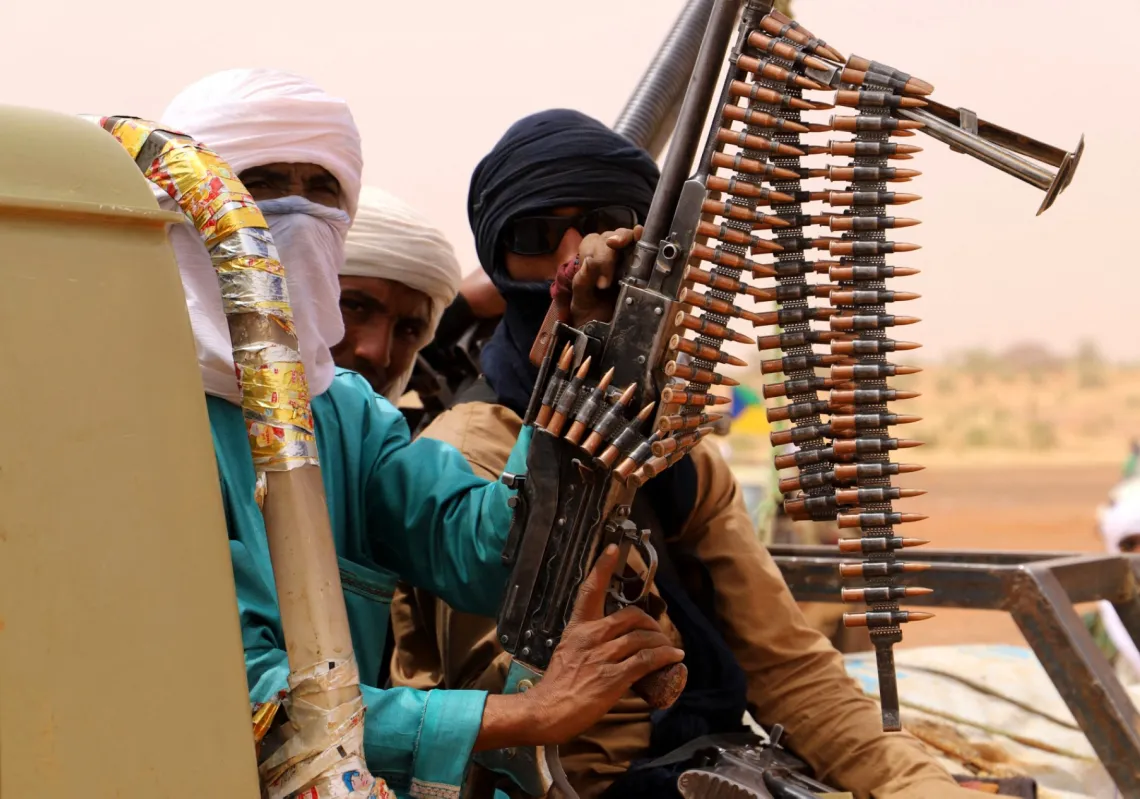
Armed groups are being formed in places like Mali, Niger, and Burkina Faso, where state militaries cannot defeat jihadists and separatists alone. Once formed, however, they seldom stay loyal.
Non-state actors have risen to political prominence at an alarming rate since the Arab Spring. Combatting these groups is vital to achieving regional security and stability. Our future depends on it.
The role of the state, society, and the individual has rarely been more in flux in the Middle East. The philosophical underpinning of their roles and relationships matters now more than ever.
Across MENA, the proliferation of militias combines corruption, smuggling, looting, intimidation, and parasitism to swell their coffers at the expense of state treasuries.
Armed groups have proliferated in the Iraqi security vacuum, in some cases supported by Iran. After three US soldiers were killed, the Americans have hit back. How will the militias react now?
The origins of this mafia class can be traced back to the power vacuum the US invasion of Iraq created in 2003. 20 years later, its influence is pervasive and its presence aggravating.
Iranian students defied warnings from the feared Revolutionary Guards and Basij militia that nationwide protests must end by Sunday, prompting a fierce response from riot police and militia, videos…
With Moscow preoccupied with the Ukrainian war and the withdrawal of some of its forces and senior military leaders from Syrian territory after an intervention that lasted for years and prevented the…
A US-Israeli attack on Iran has turned into a regional war, sending Brent crude prices over $100 a barrel, and throwing shipping, inflation, and monetary policy into turmoil
The current conflict is unlikely to go global for now, but the speed at which it has spread regionally is alarming. A look at history shows the geopolitical factors that led to world wars.
Riyadh and Cairo are trying to ease the acute oil shortfall through alternative pipelines, but these are just band-aid solutions, as the world's most vital energy corridor remains closed by Iran
The rushed 2025 rollout raised questions about the government's seriousness. Since then, no meaningful record has been published, fuelling fears that it was just a show.