The US and Israel carried out strikes across Iran, and Tehran has retaliated by striking US/Israeli assets across the region. Could this turn into the regional war analysts have been warning about?
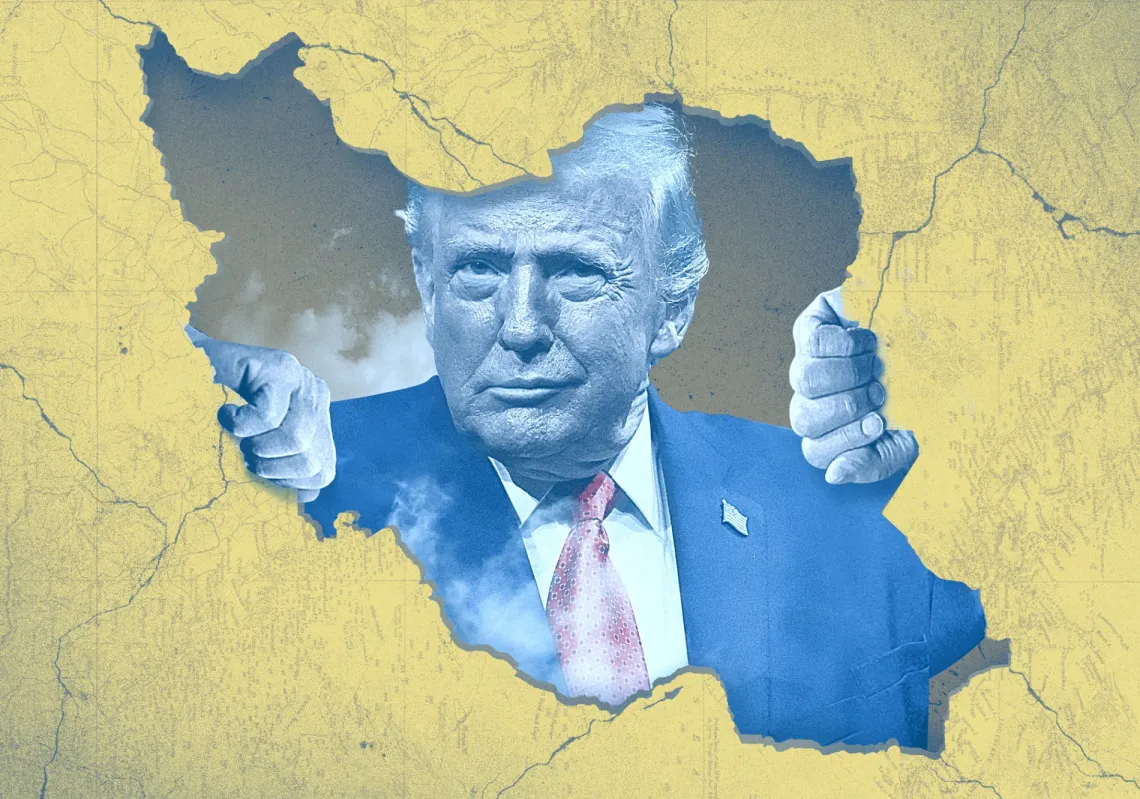
Military strategists have long warned that war should be waged only if those waging it know what they want to achieve. Herein lies a problem: Washington's war aims in Iran are incoherent.
Tehran isn't likely to easily fold if/when Trump attacks. This means that the longer a military confrontation drags out, the more untenable Washington's position becomes.
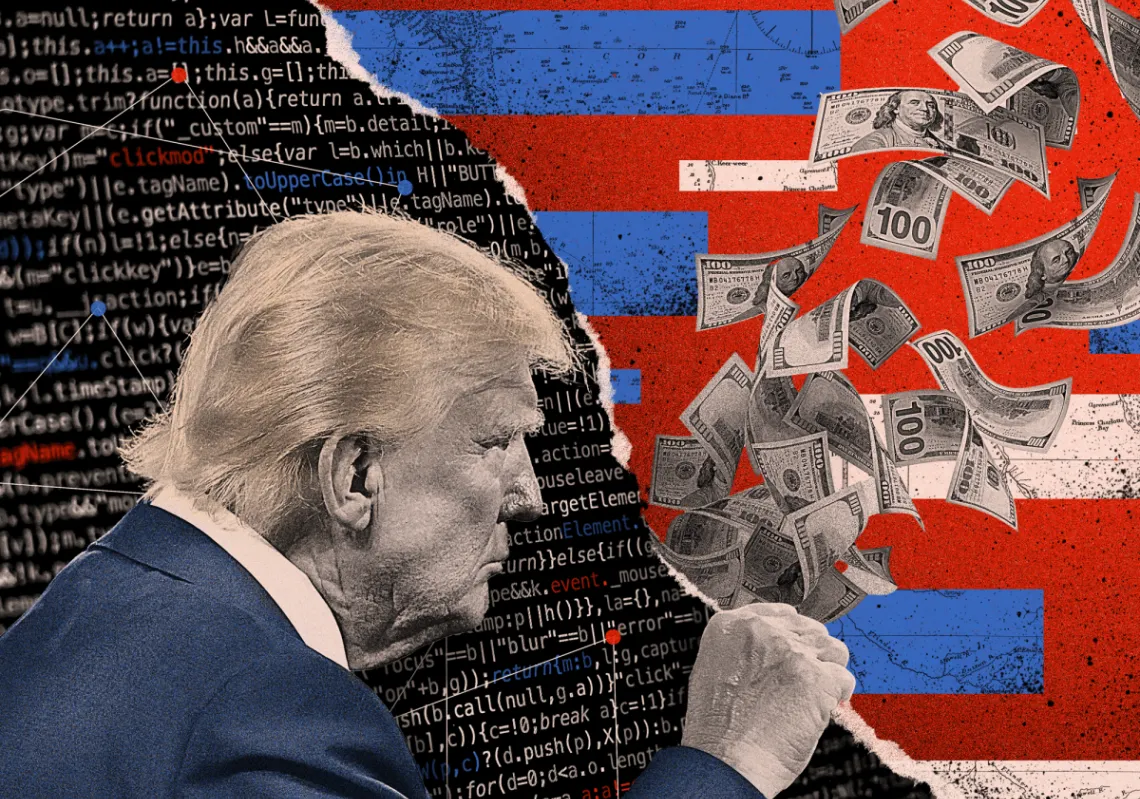
Trump will be wondering if a military confrontation with Iran would help or hurt his dwindling popularity at home, making his decision to strike one of the riskiest bets of his presidency
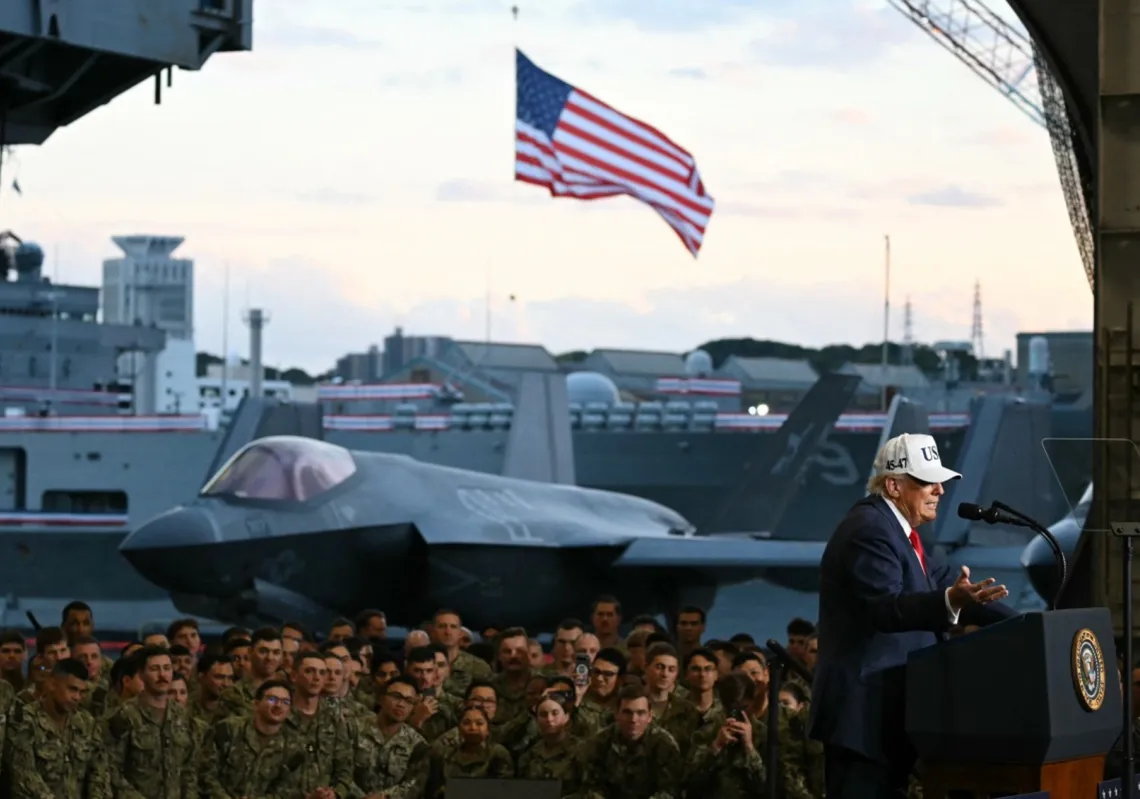
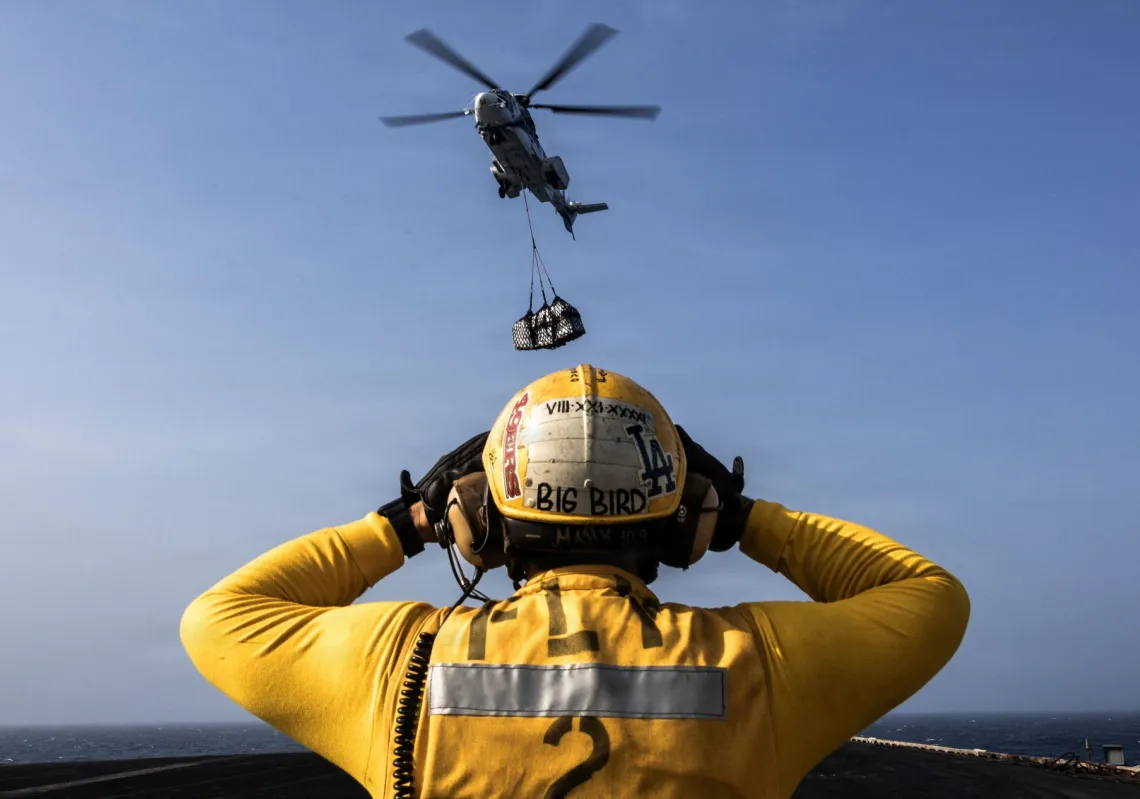
From military spending to energy markets, the US-Israeli war on Iran is driving rising costs, with the Strait of Hormuz emerging as a central pressure point
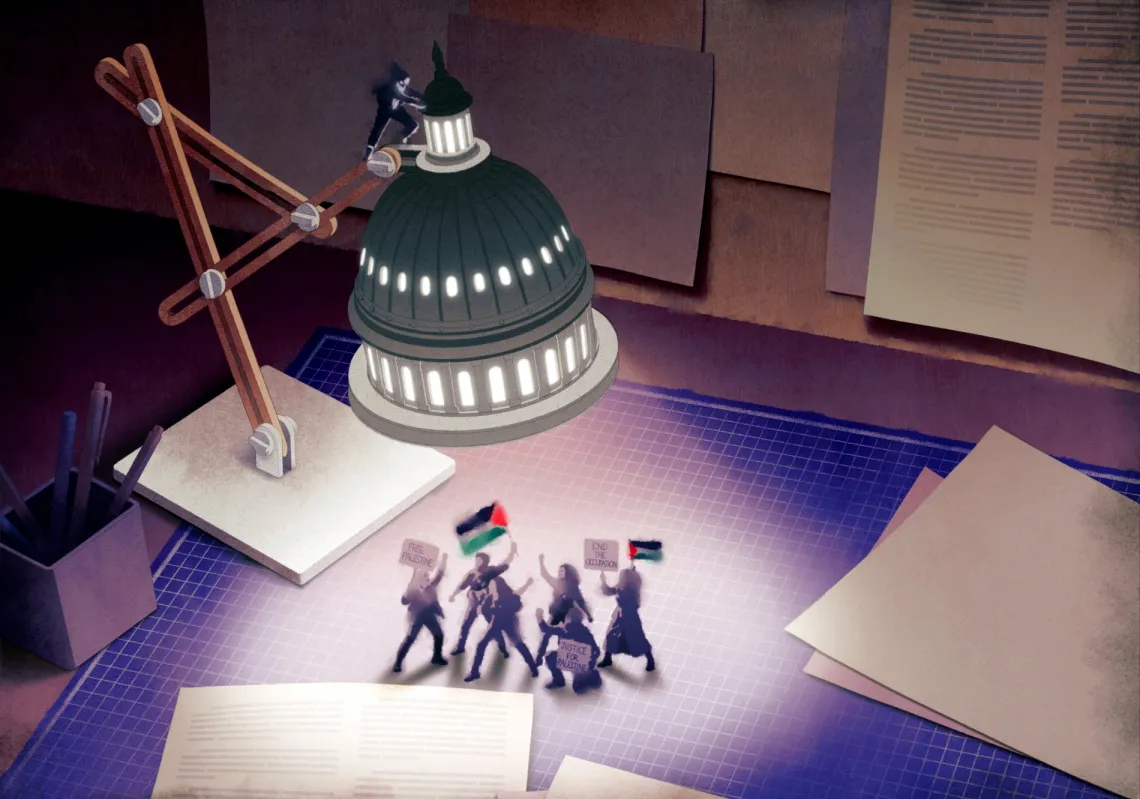
Until fairly recently, most Americans sided with Israel. These days, most side with the Palestinians. That will eventually influence US foreign policy.
Any disruption in the Hormuz has cascading knock-on effects that extend far beyond energy markets, impacting international trade. Al Majalla explores all this and more.
Al Majalla - London
Sign up for the Weekly Newsletter
Get the best of Al Majalla, straight to your inbox.