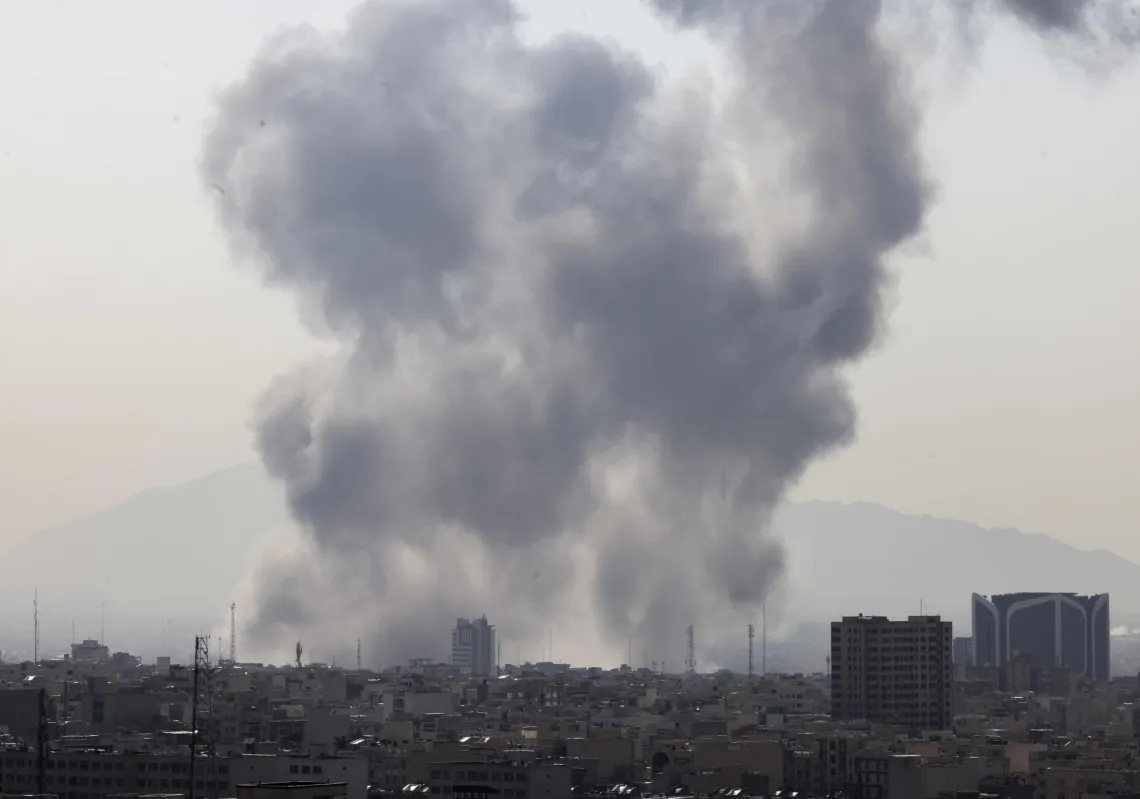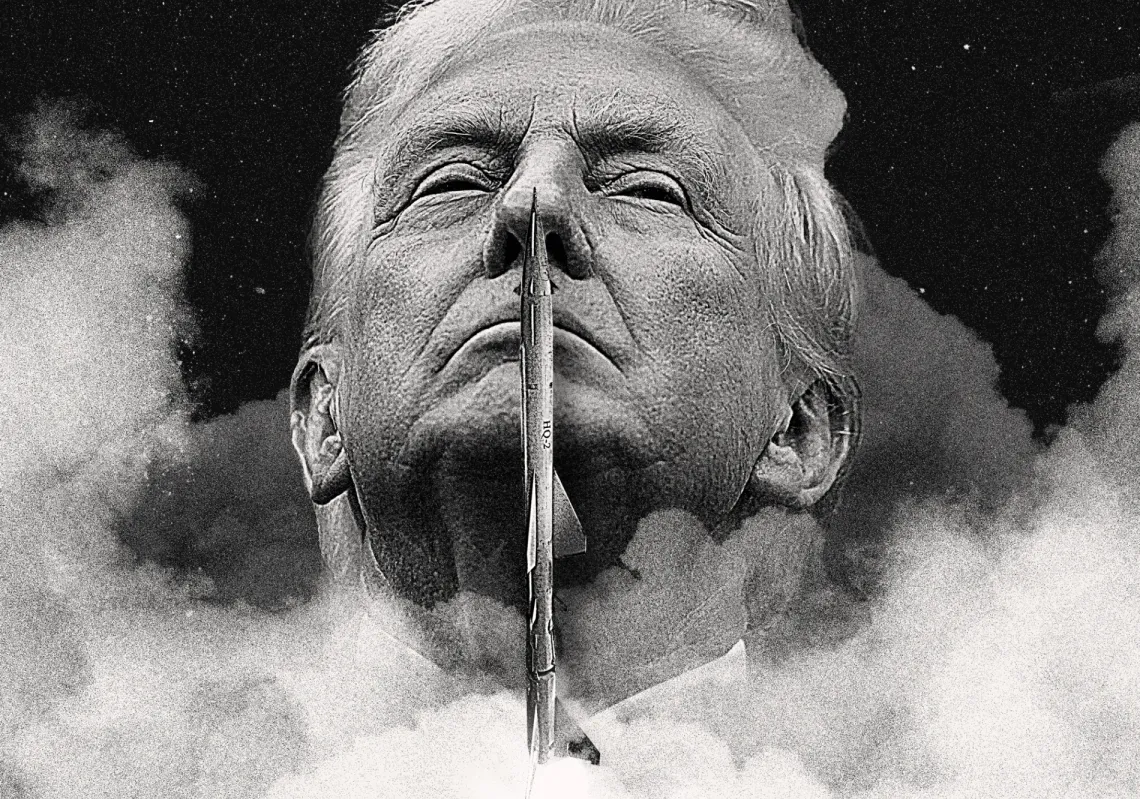

On the morning of 28 February 2026, the United States and Israel launched a coordinated military assault against Iran, codenamed Operation Epic Fury (US) and Operation Roaring Lion (Israel), striking targets across Tehran, Isfahan, Qom, Karaj, and Kermanshah. Israeli Defence Minister Israel Katz declared the operation a "preemptive attack" to "remove threats to the State of Israel," while President Trump, in a video posted to Truth Social, described it as "a massive and ongoing operation" aimed at destroying Iran's missile capabilities and preventing the regime from acquiring nuclear weapons.
This isn't a limited action. Both governments have signalled that the attacks could last days, possibly longer. Saturday's strikes were qualitatively different from last year’s Midnight Hammer operation. That attack, in June, struck nuclear facilities, while these strikes targeted missile launchers, ballistic missile infrastructure, military command nodes, and, critically, the political heart of the Iranian state. But already early on into the attack, a girls' elementary school in the Iranian city of Minab was struck, killing at least 51.
In his speech, Trump made clear this wasn't a limited operation, as he encouraged Iranians to get rid of the Islamic Republic: “When we are finished, take over your government, it will be yours to take. This will probably be your only chance for generations.” His eight-minute video address explicitly called for regime change, urging IRGC members to "lay down your weapons and have complete immunity, or face certain death”.
This is likely an attempt to stir up domestic unrest in the hopes that the people will rise up and topple their leadership. Anti-government protests in late December and early January were crushed by the government, which has yet to show any signs of cracking. However, this time, Trump's comments seem to suggest a renewed belief that Iranians could still yet overthrow their government.
For his part, Israeli Premier Benjamin Netanyahu echoed Trump, saying that the US-Israeli operation will create the conditions for the Iranian people to "take their fate into their own hands". The fact that Trump also mentioned the possibility of US casualties suggests this isn’t a limited attack, but the beginning of a broader operation.
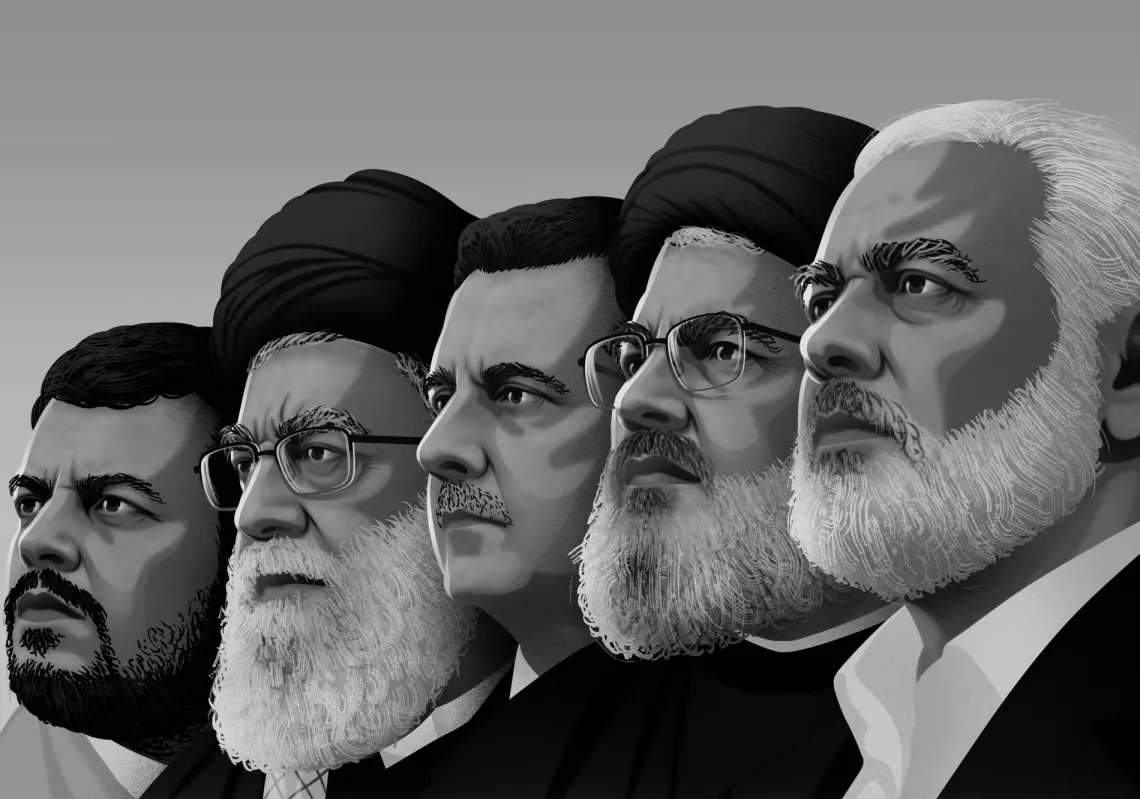
Although the initial wave of strikes was aimed at Iran’s retaliatory capabilities, the strikes were clearly aimed at broader targets, with multiple explosions reported in a highly-secured neighbourhood of Tehran where the Supreme Leader’s offices are (though Khamenei himself is believed not to be in the capital), and other explosions near governmental buildings, including the Iranian Parliament, National Supreme Council, Ministry of Intelligence. In Israel, sources have been clear that any target belonging to the regime is fair game.
Iran's response also suggests the conflict is far from limited. A few hours after the strikes, it launched a series of missile attacks on countries in the Gulf, including the UAE, Bahrain, Qatar and Kuwait. In Bahrain, the target was likely a major US naval base.
Iran is playing one of its most potent cards: by targeting the Gulf, it is widening the scope of the conflict, and threatening an energy shock that could send ripples through the economy. If Tehran follows through on its threat to close down the Strait of Hormuz, it could have a significant impact on the global economy, including gas prices in the US. Just the day before the attack the US Secretary Scott Bessent was praising Trump’s ability to maintain low prices.
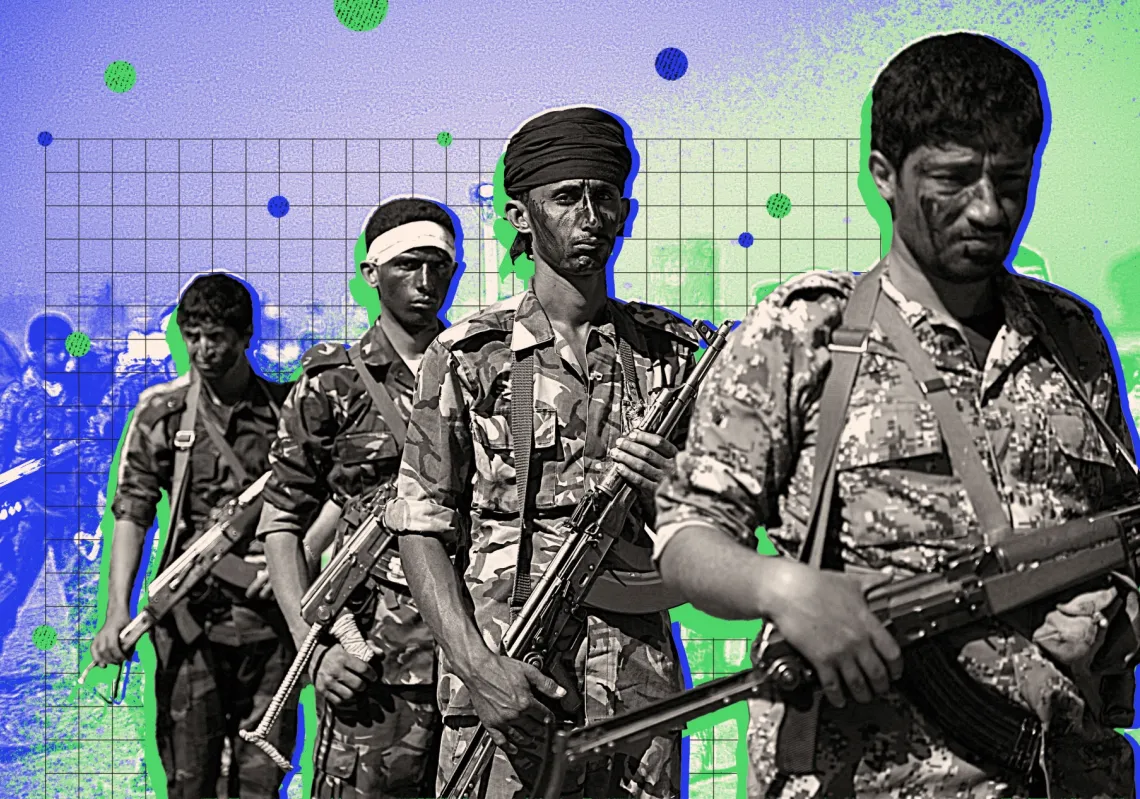
The Houthis have already announced they would resume attacks in the Red Sea, in another sign that Tehran and its proxies are looking to create a broader economic shock to get the US and Israel to halt their attacks.
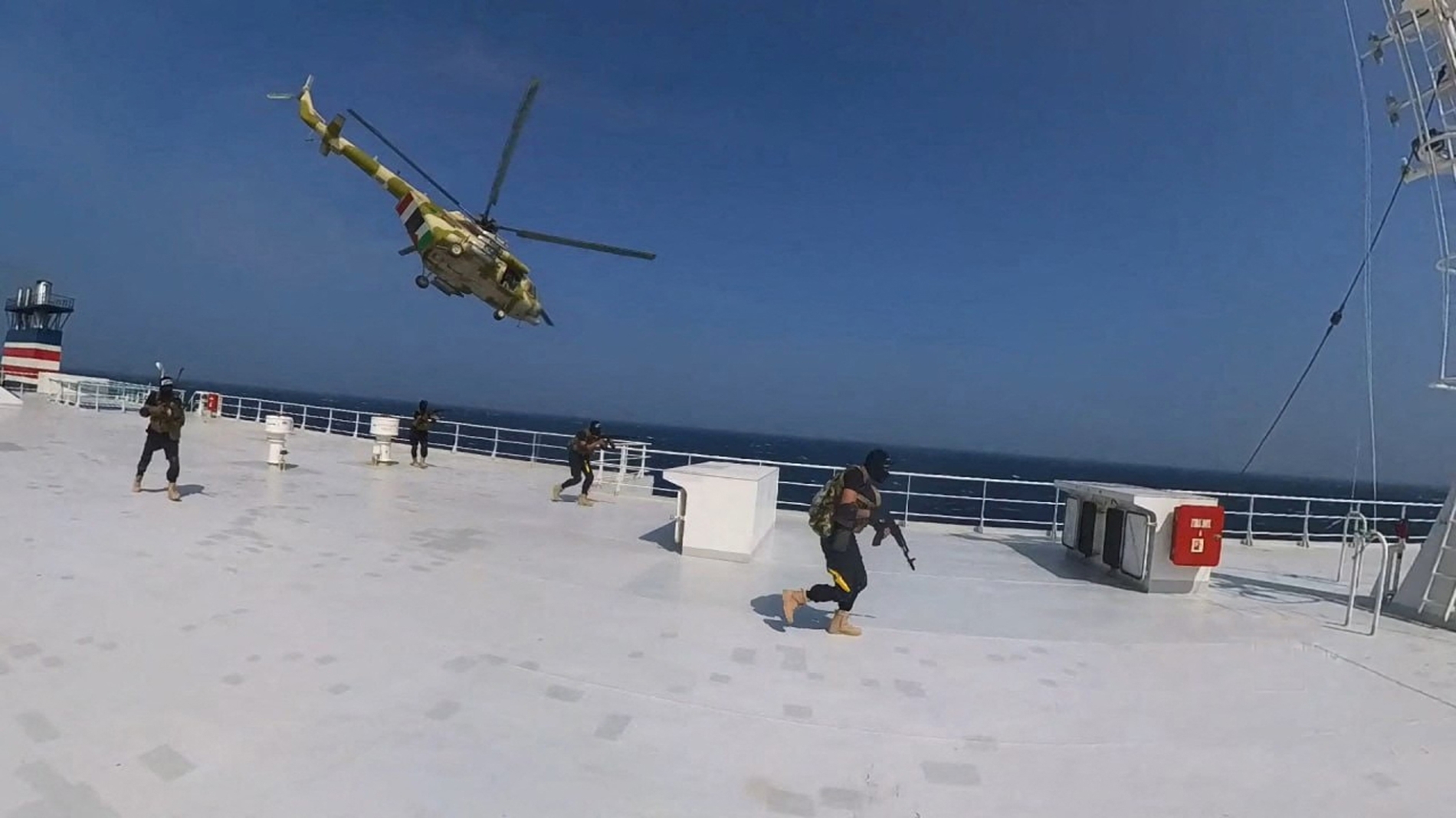
The US and Israel have already taken this possibility into consideration. In the first hours of the joint attack, US and Israeli strikes targeted Iranian naval bases that would likely have been used to launch maritime attacks. Trump highlighted that one of the goals of the US strikes was to “annihilate” the Iranian navy.
Although several of the most prominent targets, including major Iranian naval assets, were likely struck, Iran has also maintained a set of asymmetric capabilities (fast ships, naval mines, missiles and drones) that will be more difficult to hunt down. Even if Iran fails to close the Strait of Hormuz, a sustained campaign against maritime traffic will be felt globally.