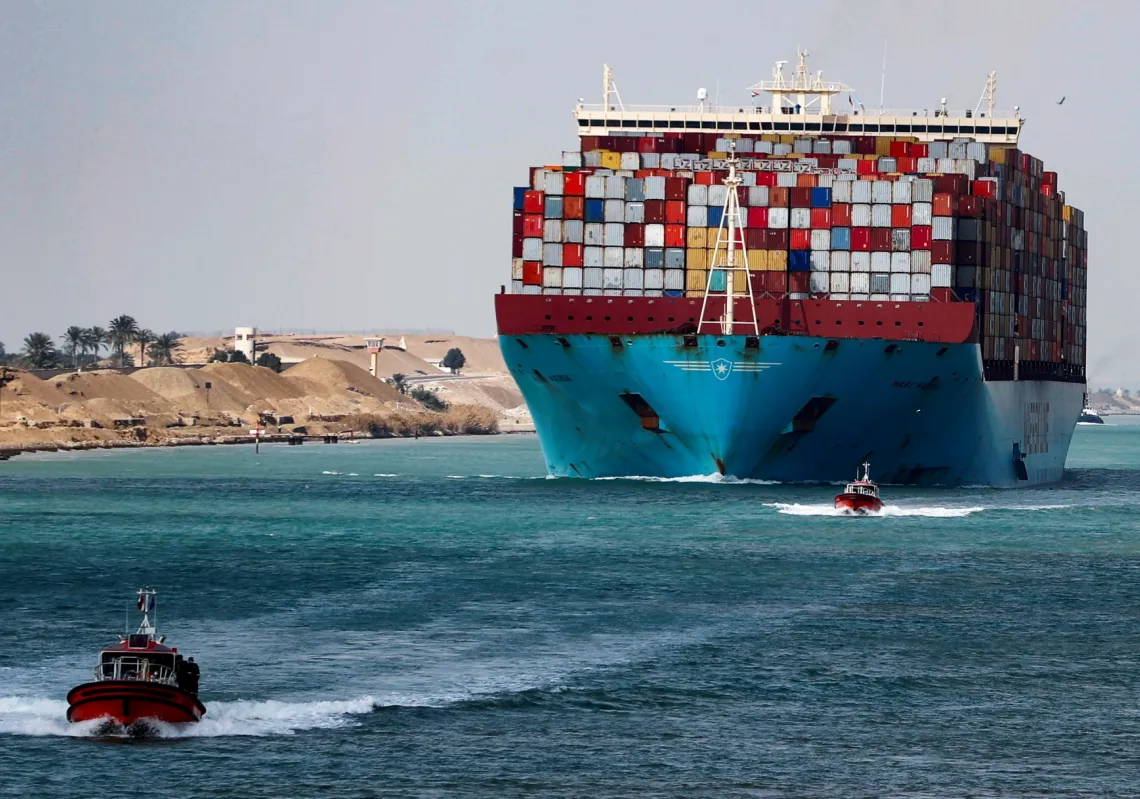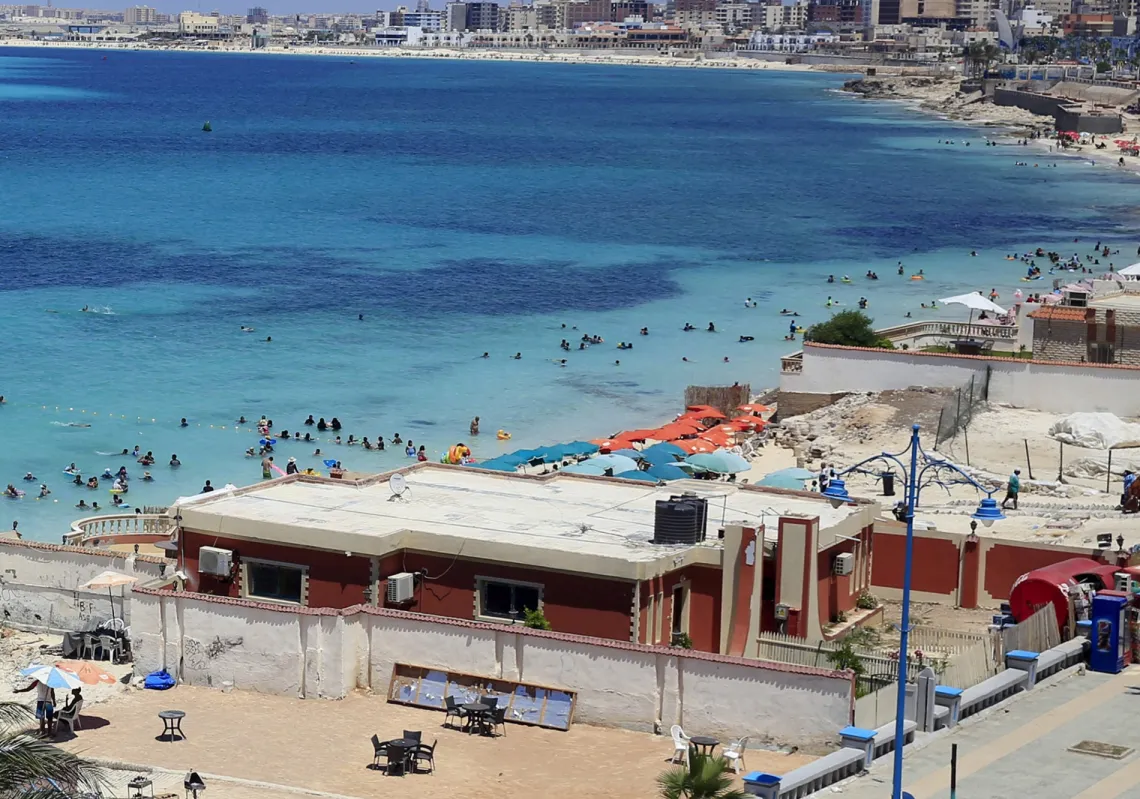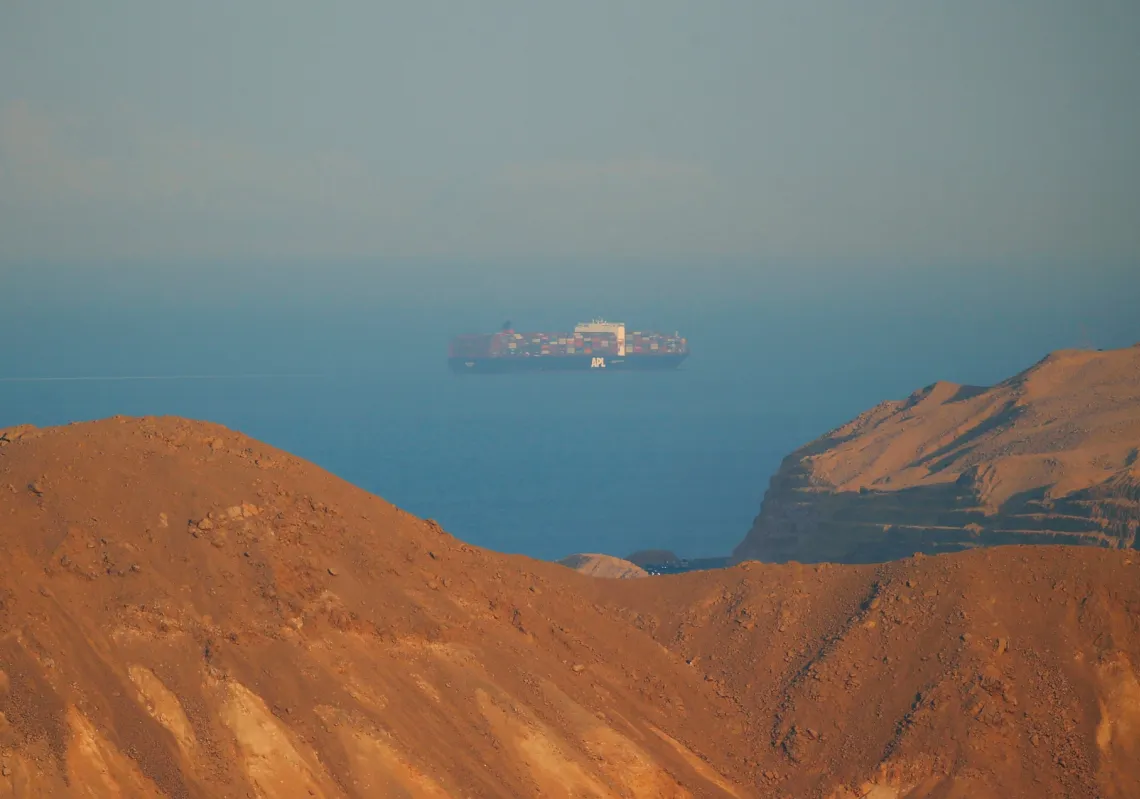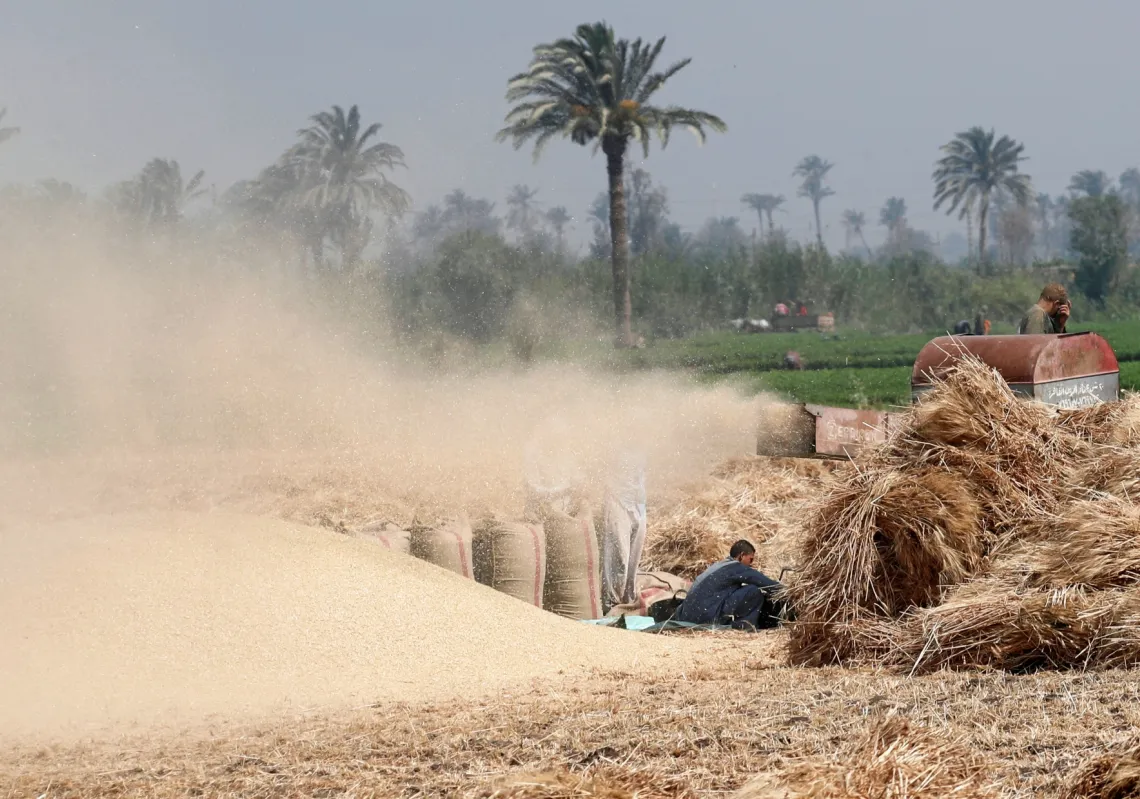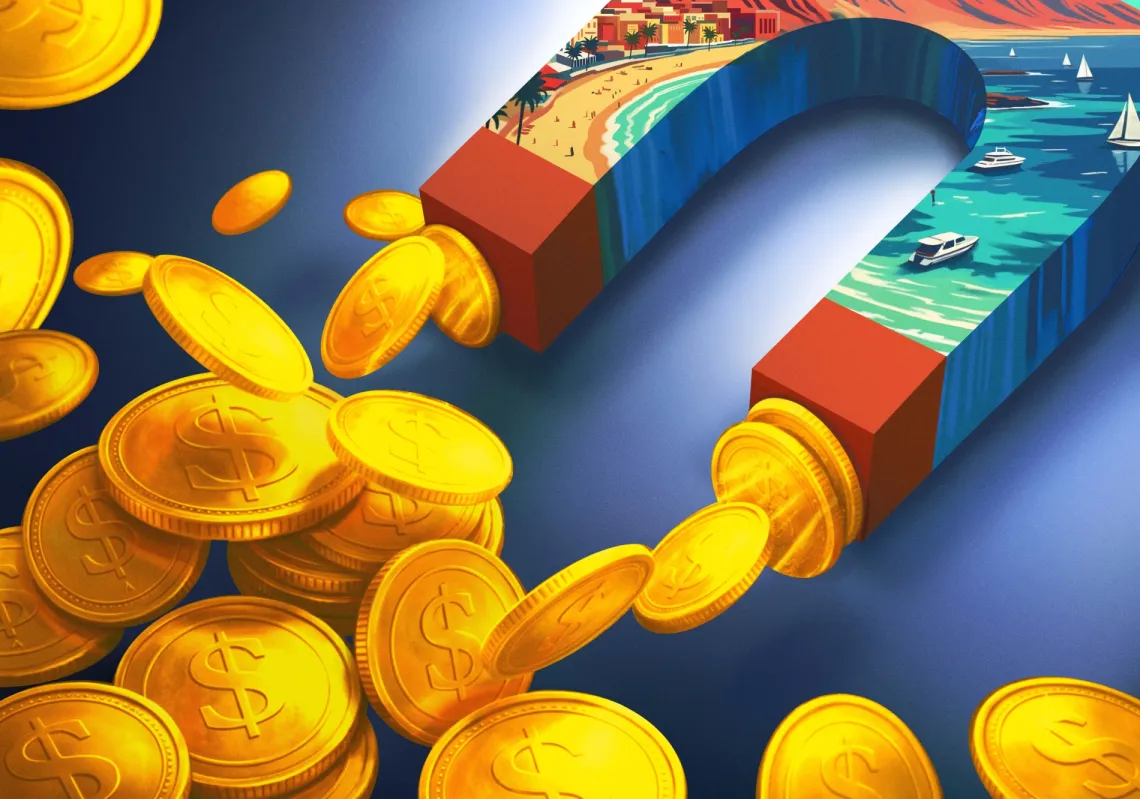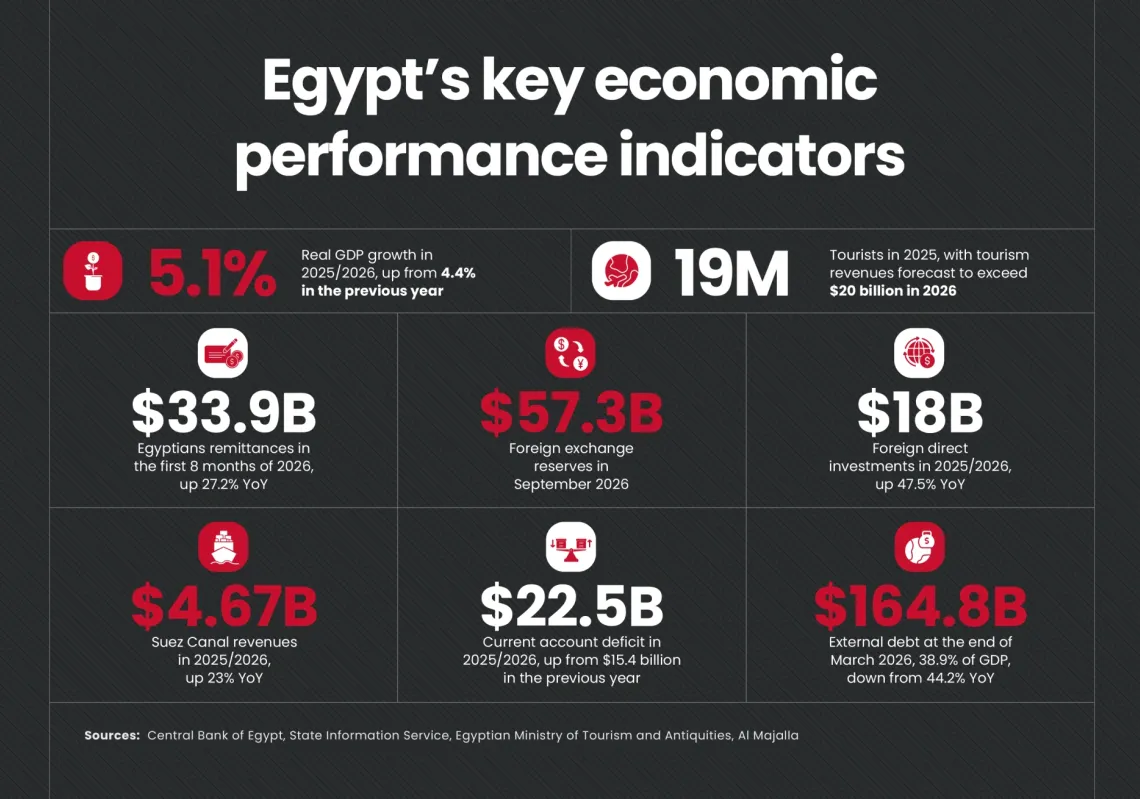
Positioned between the Strait of Hormuz and the Suez Canal, Egypt is not only absorbing the impact of war—it is transmitting it into the global economy.
Cairo and Tehran have been at loggerheads since 1979, but the Iranian threat has always acted as a check on Israeli ambitions. If Iran is completely defeated, Israel will reign supreme.
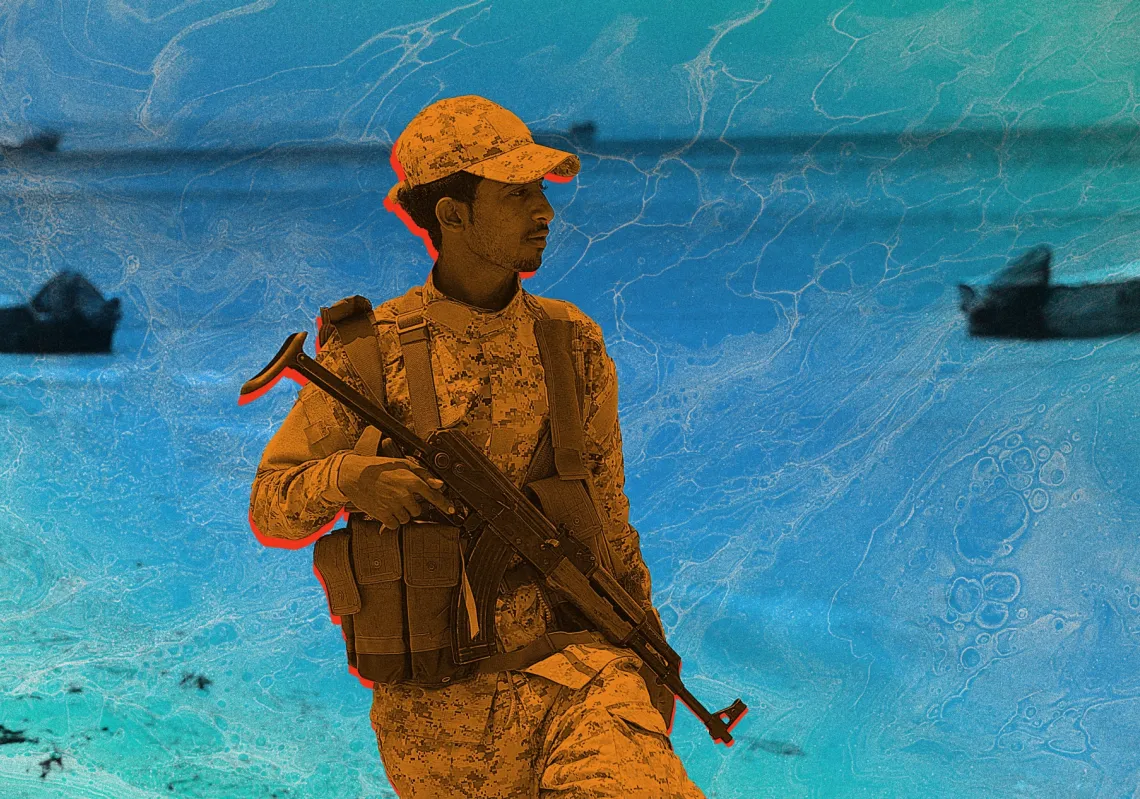
The regional rivals aren't just fighting over freshwater supplies. Cairo sees Addis Ababa's bid for Red Sea access as part of a wider fragmentation strategy.
Half of all child refugees in Egypt are not in school despite being eligible. Experts think a new law may make things worse in a country with stretched budgets. Is the solution to let them work?
Israel wants Palestinians to leave the Strip as part of its 'depopulation and resettlement' strategy, but Egypt is fighting to give them the option to return to their homeland
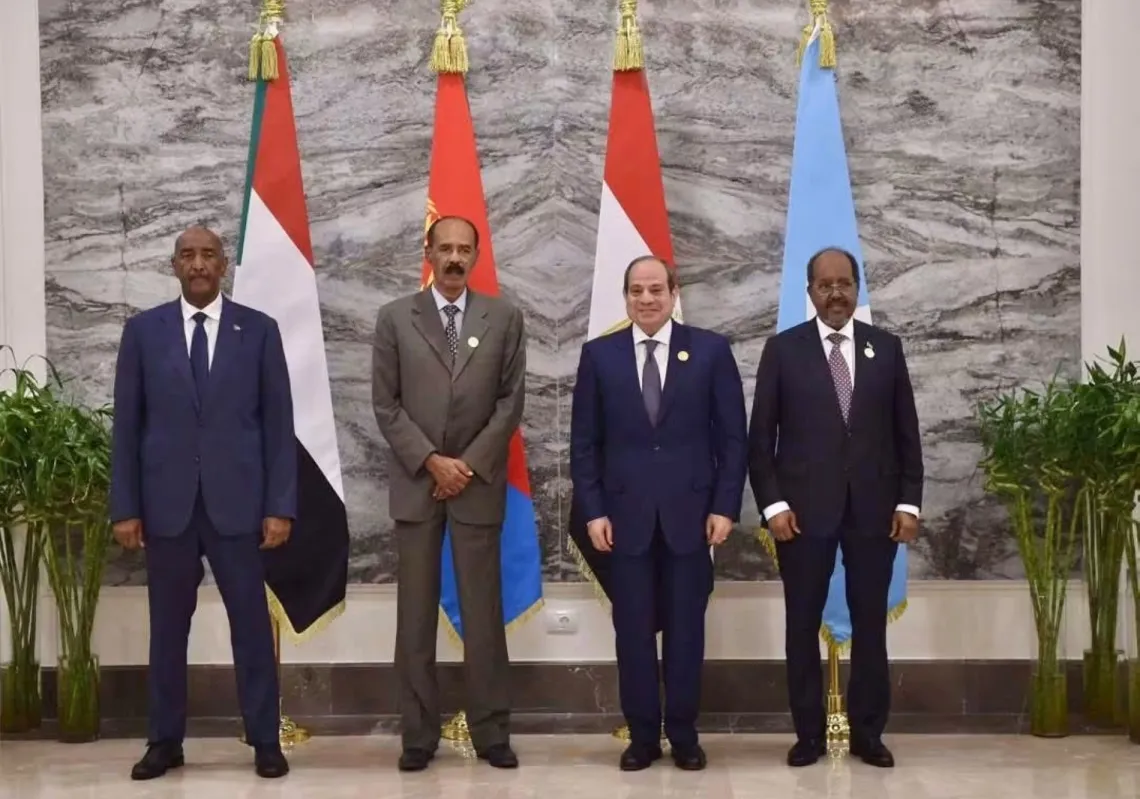
Is Washington's intention genuine, or an attempt to slam the brakes on Cairo's growing assertiveness in Horn of Africa politics and debilitate its hard-won leverage?
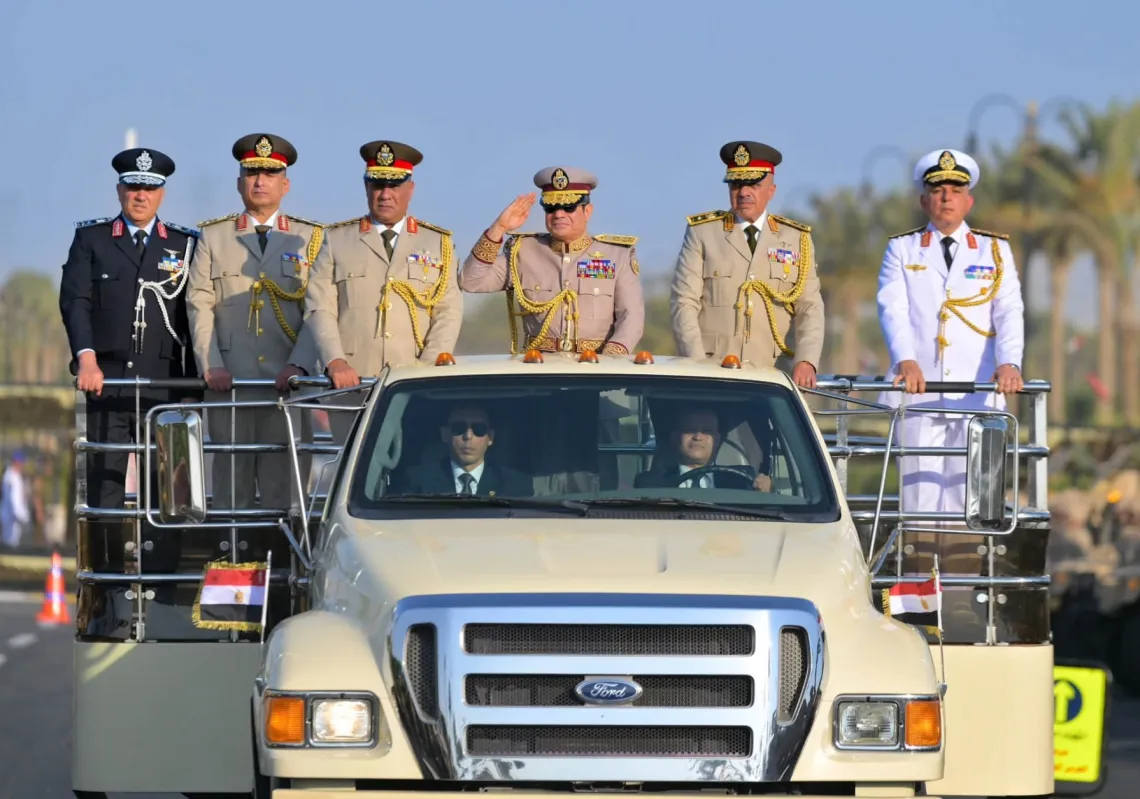
For Cairo, stability in its southern neighbour is a national security issue. After almost three years of seeking a diplomatic solution, there are signs that it is now turning to firepower.
The veteran writer is the first winner of the new BRICS Literature Award. She speaks to Al Majalla about societal changes, political Islam, and why she never re-reads her novels.
Disruption in the Hormuz can have major implications for global trade, but it also creates opportunities for smaller nations like Iran to become global political players
The Iraq war was viewed as disastrous in retrospect, while the Iran war was unpopular from the get-go. Al Majalla highlights the similarities and differences between the two.
Pipelines have a chequered history in the Middle East, but the closure of the Strait of Hormuz has led US Tom Barrack to conclude that a new route through Syria could solve some problems.