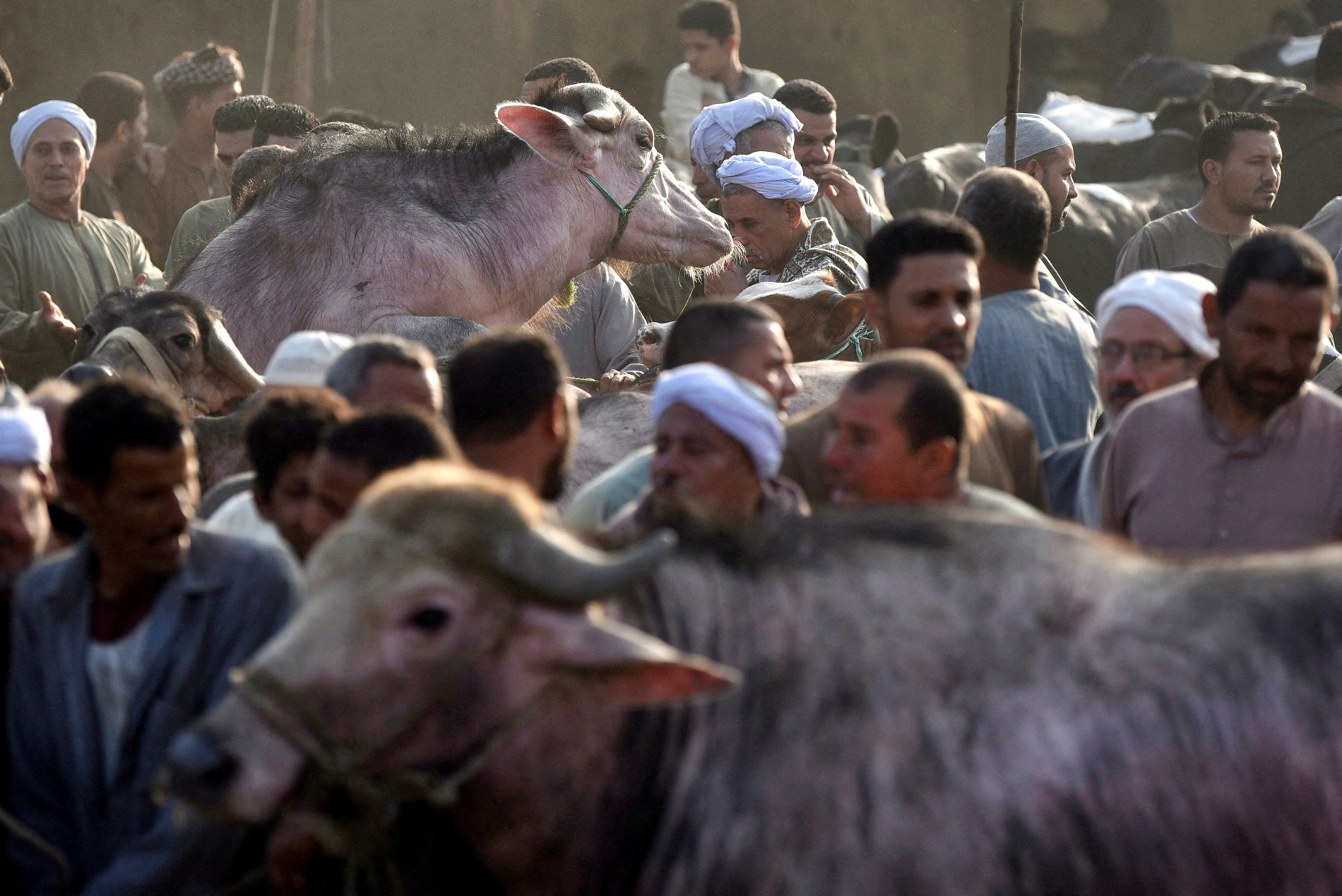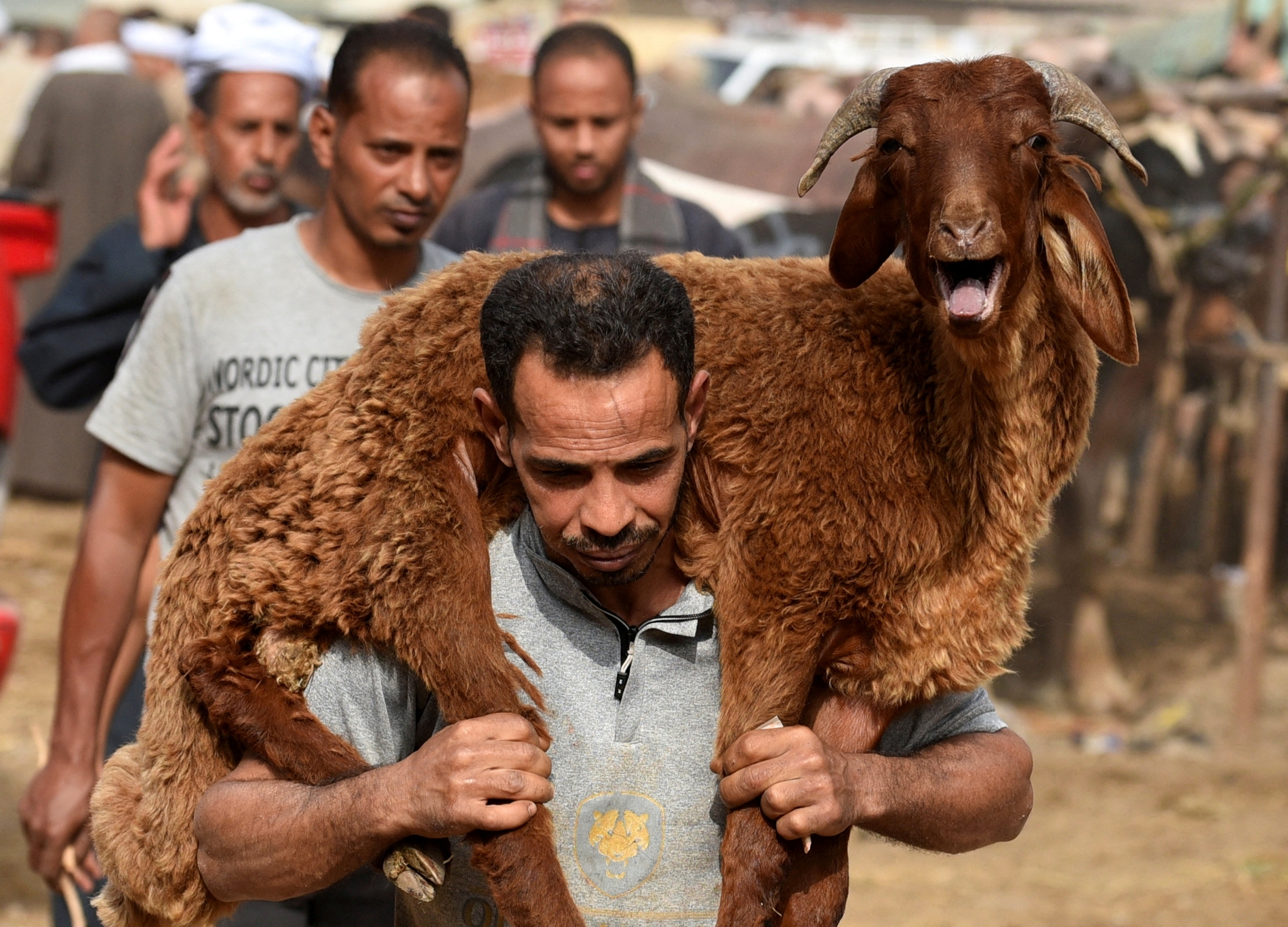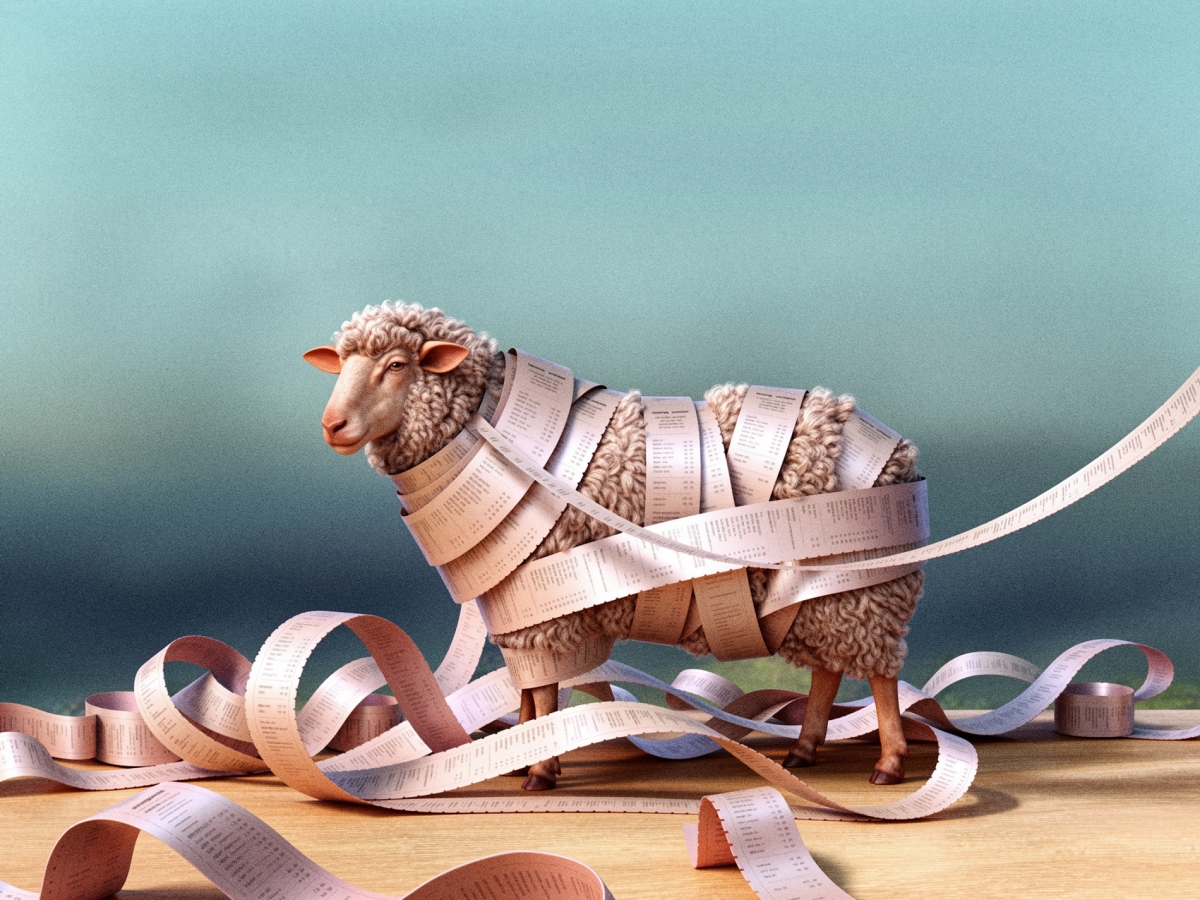

With Eid al-Adha approaching, Egypt’s livestock markets are quieter than usual. For many families, the Eid sacrifice has shifted from a familiar seasonal ritual to a heavy financial burden. Rising prices for live animals and meat, together with inflation, exchange-rate volatility, and geopolitical tensions, are forcing large segments of Egyptian society to scale back their purchases or pool resources for shared sacrifices, while some households are settling for cheaper alternatives.
The crisis reaches well beyond the Eid season. It reflects deeper imbalances in the Egyptian economy: heavy reliance on imports, limited self-sufficiency, rising feed costs, and the impact of global supply chain disruptions and regional tensions on transport and shipping. These pressures have driven successive increases in meat prices, even as citizens’ purchasing power is visibly eroding.
Despite state efforts to intervene through government outlets, consumer cooperatives, and temporary livestock stalls offering sacrificial animals on instalment plans, the Egyptian market remains closely tied to fluctuations in the dollar and broader inflationary pressures. These pressures directly affect the cost of transport, imported meat, and production inputs, particularly animal feed. Foreign trade data indicate that Egypt’s imports of food products of animal origin reached around $1.1bn during the first 10 months of 2025, accounting for 1.3% of total imports of $84.4bn, underscoring the domestic market’s reliance on external sources in this vital sector.
This reality is reshaping meat consumption across Egypt. Meat is appearing less often on the tables of growing numbers of Egyptians, as the gap widens between high-income groups and low-income families, and between urban and rural areas.
What is driving up prices?
Analysts trace the roots of the crisis to the persistent gap between local production and rising demand, along with continued reliance on imports to meet the market’s demand for meat and feed. Experts add that Egypt’s livestock sector is under increasing strain as veterinary care costs rise and productive breeds remain weak. The feed industry, meanwhile, depends almost entirely on imported maize and soybeans, making any disruption to supply chains or fluctuation in the exchange rate immediately visible in livestock prices. Egypt still imports between 14 and 17 million tonnes of feed annually.
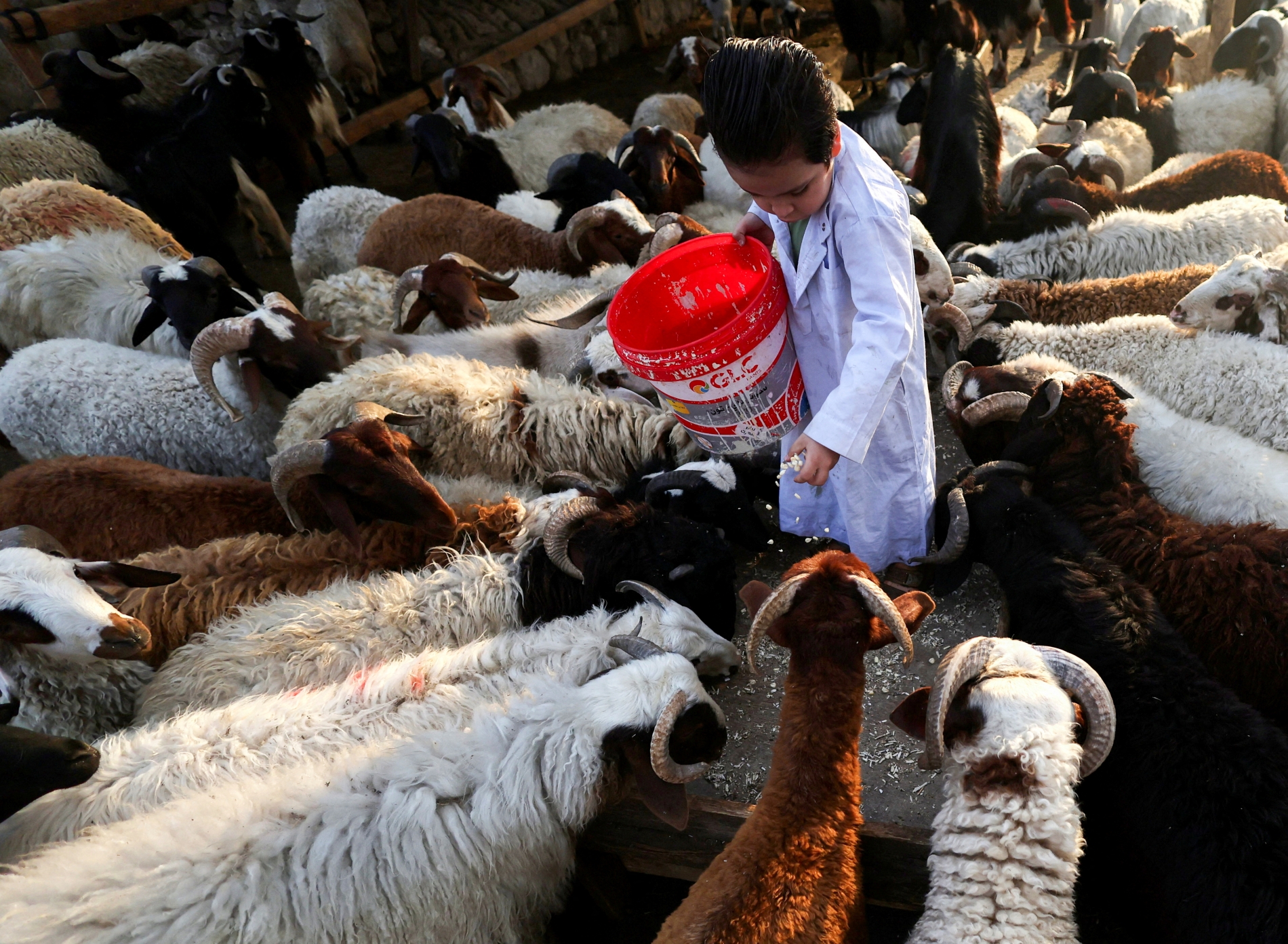
One revealing paradox now stands out in the market: some imported animals offered by charities for Eid sacrifice are cheaper than local ones. This points to the depth of the crisis facing the domestic feed industry, especially given that Egypt lacks extensive natural pastures that could reduce breeding and production costs.
Seasonal donations linked to Eid sacrifices have also declined due to weakened purchasing power, a trend clearly reflected in the spread of advertisements promoting sacrifices by instalment. According to the Ministry of Awqaf, the voucher for imported meat costs EGP 7,000 (about $133), while the voucher for local meat costs EGP 9,500 (around $181). Payment can be made through the Digital Egypt application in instalments over six months. Consumer finance companies have also expanded heavily into this field.
Economists who spoke to Al Majalla say the crisis also exposes a distortion in government spending priorities. Vast investments are being channelled into long-term infrastructure projects, while agriculture and livestock production suffer from a lack of direct support, limited concessional financing for small-scale breeders, and a lack of serious expansion in fodder crop cultivation. The result is that Egypt’s food security remains hostage to fluctuations in hard currency and to decisions made by foreign suppliers.