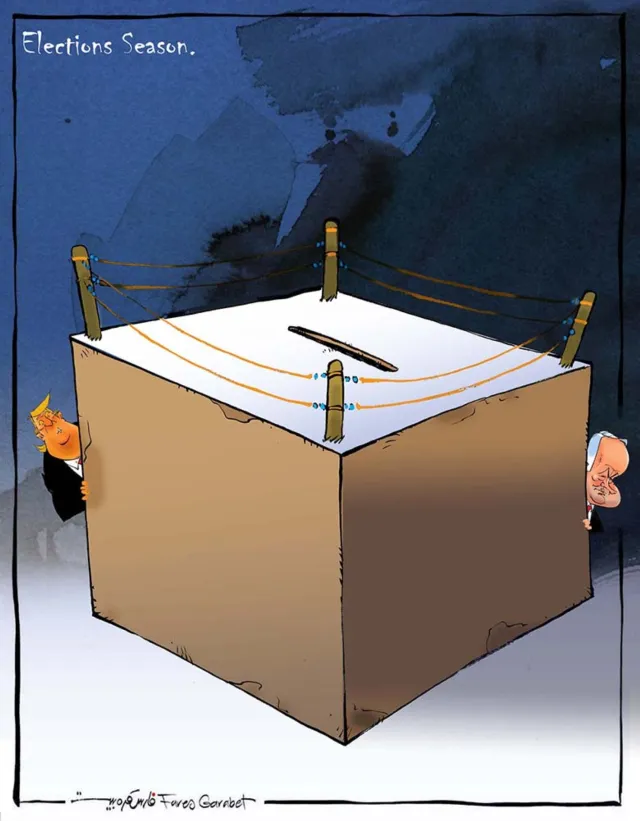







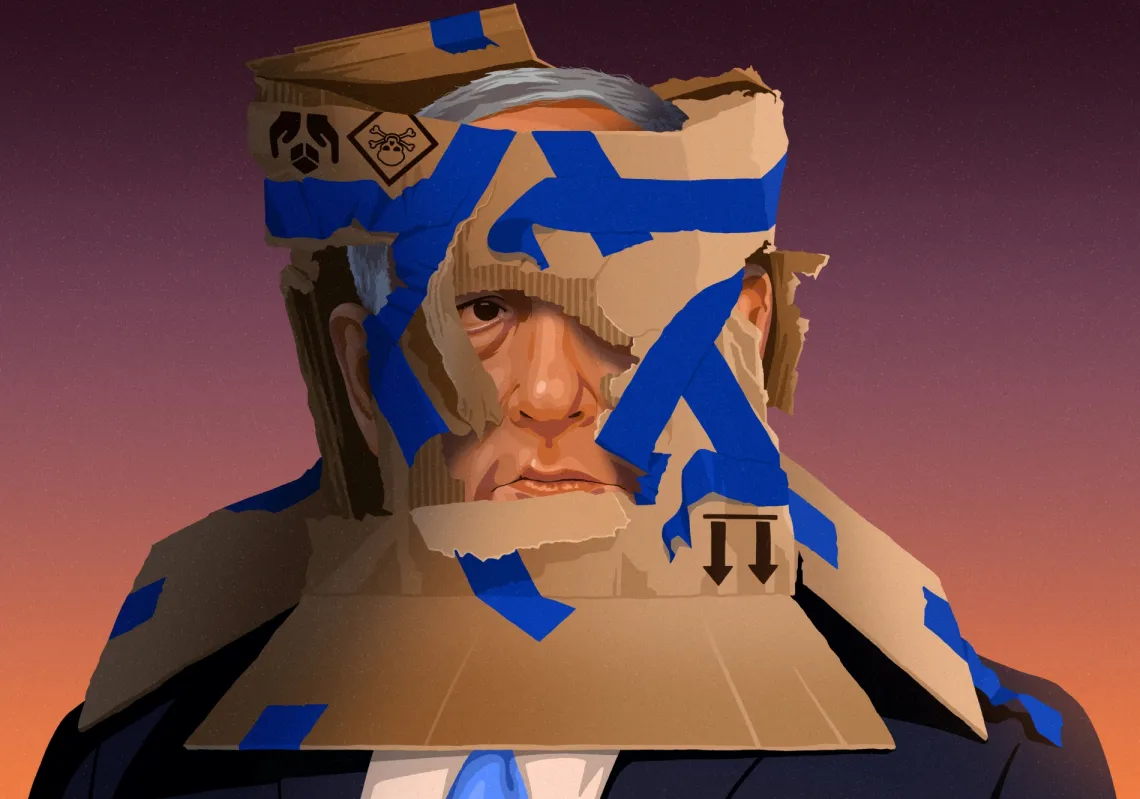
When it comes to killing politically prominent people, countries are often best placed to do so, as a long history of state assassinations attests. But is there any evidence that it is effective?
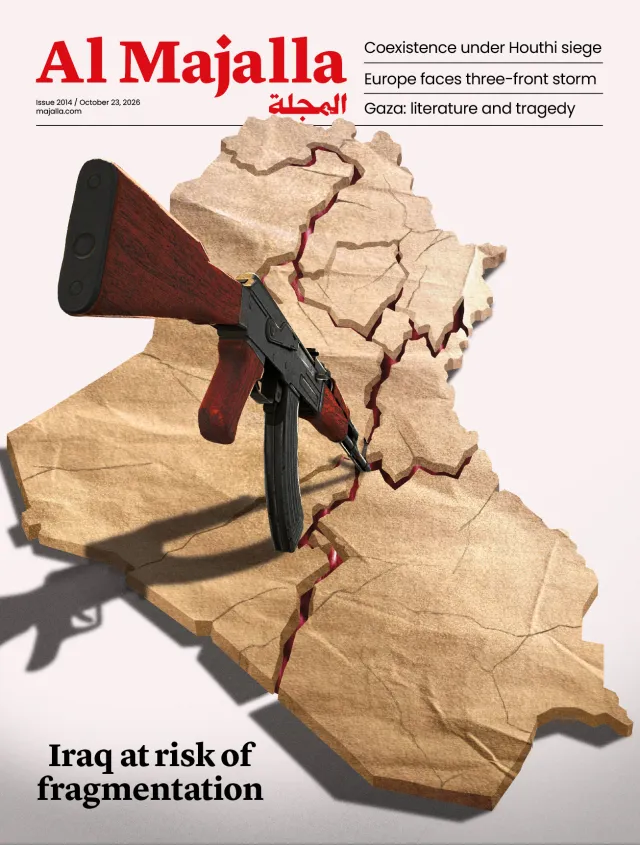
For decades, the United States adhered to international norms governing arrests and assassinations of political leaders beyond its borders. That script has now been ripped up.
Throughout history, kings have been killed, but this has been turbocharged by the US and Israel in recent years, with senior state officials no longer immune from targeting. What are the implications?
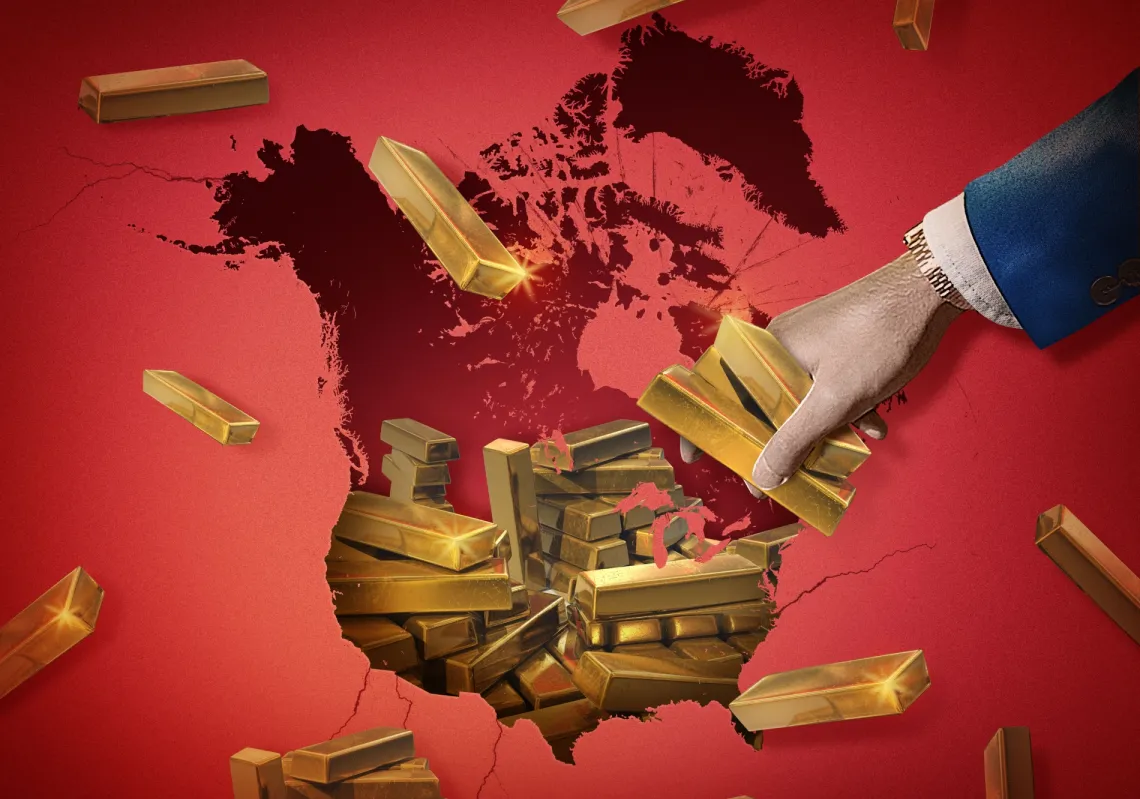
Faced with tariffs and geopolitical instability, Canada's prime minister has responded with state-backed investment, energy pragmatism, and a push for economic independence
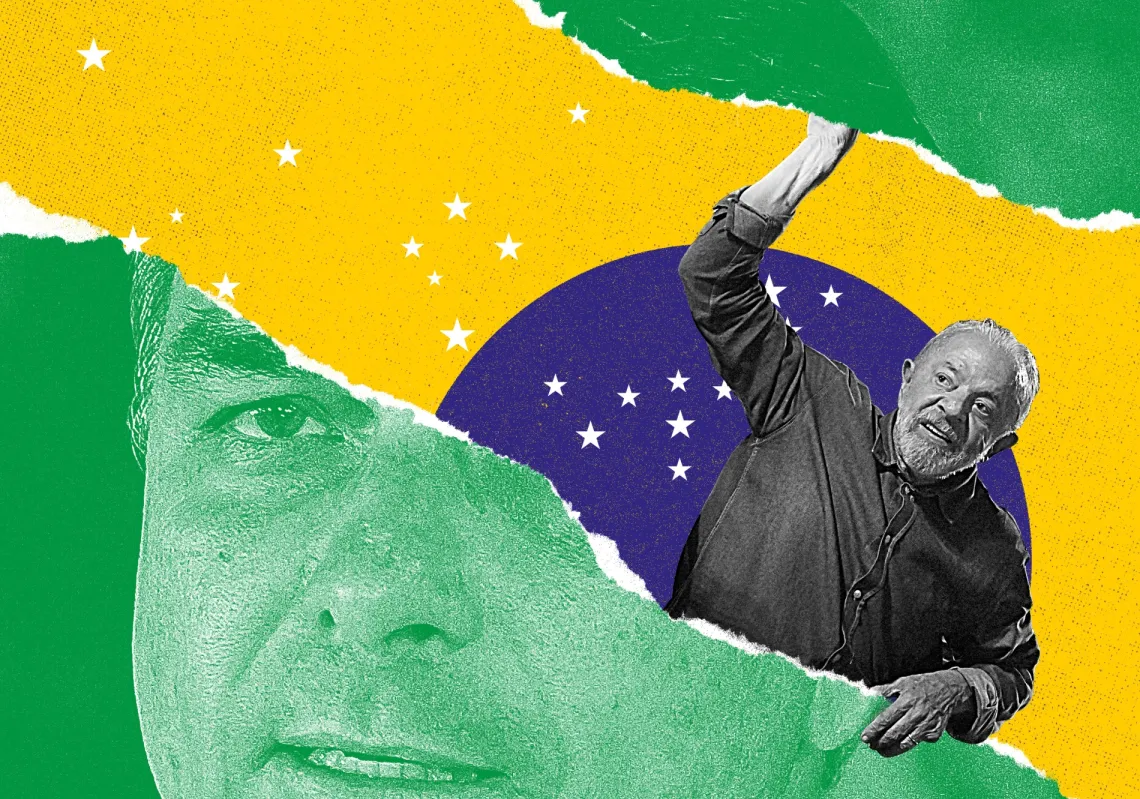
Sabre-rattling social media statements are par for the course with the US president, whose performative declarations keep everyone guessing, but do they produce lasting results?
As support for Israel weakens across the US political spectrum, once-taboo questions about military aid, lobbying influence, and US backing are moving into the mainstream
In an interview with Al Majalla, the renowned Bosnian playwright discusses the relationship between art and memory and the role of the intellectual in the public sphere
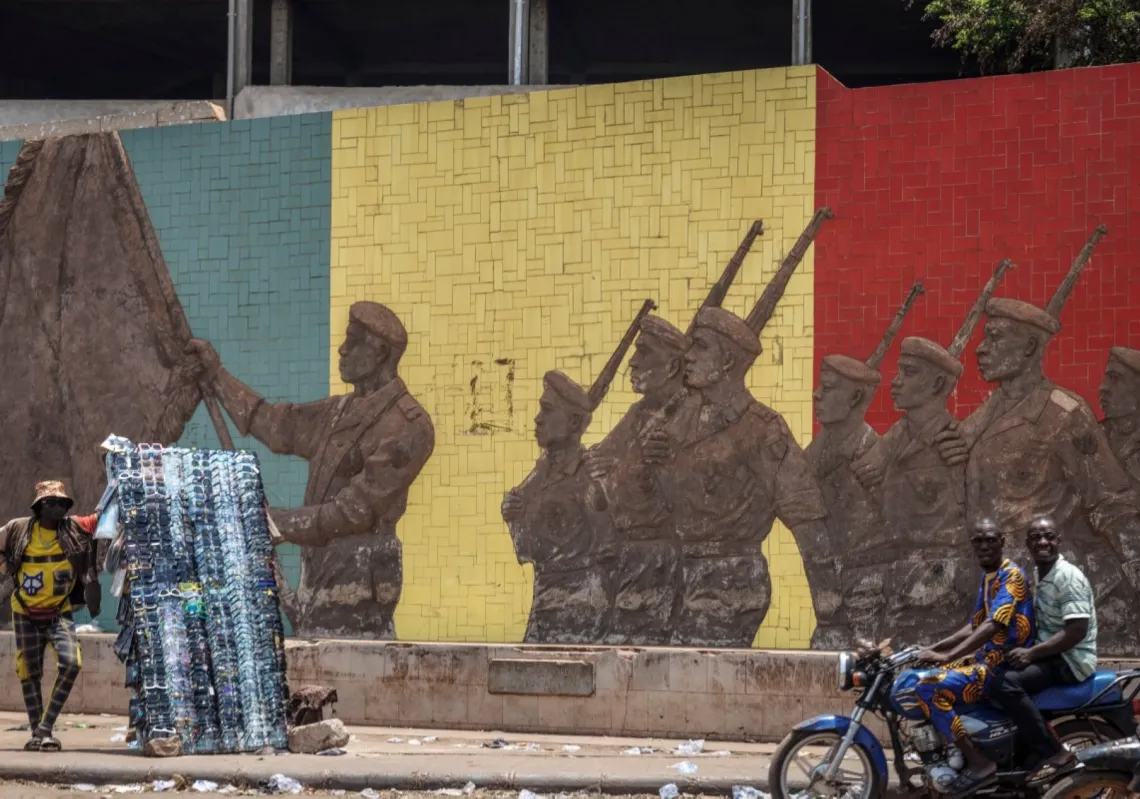
Fidel's brother built Cuba's armed forces and took over the presidency when his more charismatic sibling fell ill two decades ago. A recent US indictment from a 1996 incident now asks new questions.
With war closing the Strait of Hormuz, Islamabad has become both broker and bridge, mediating between rivals while keeping Beijing's overland trade routes alive
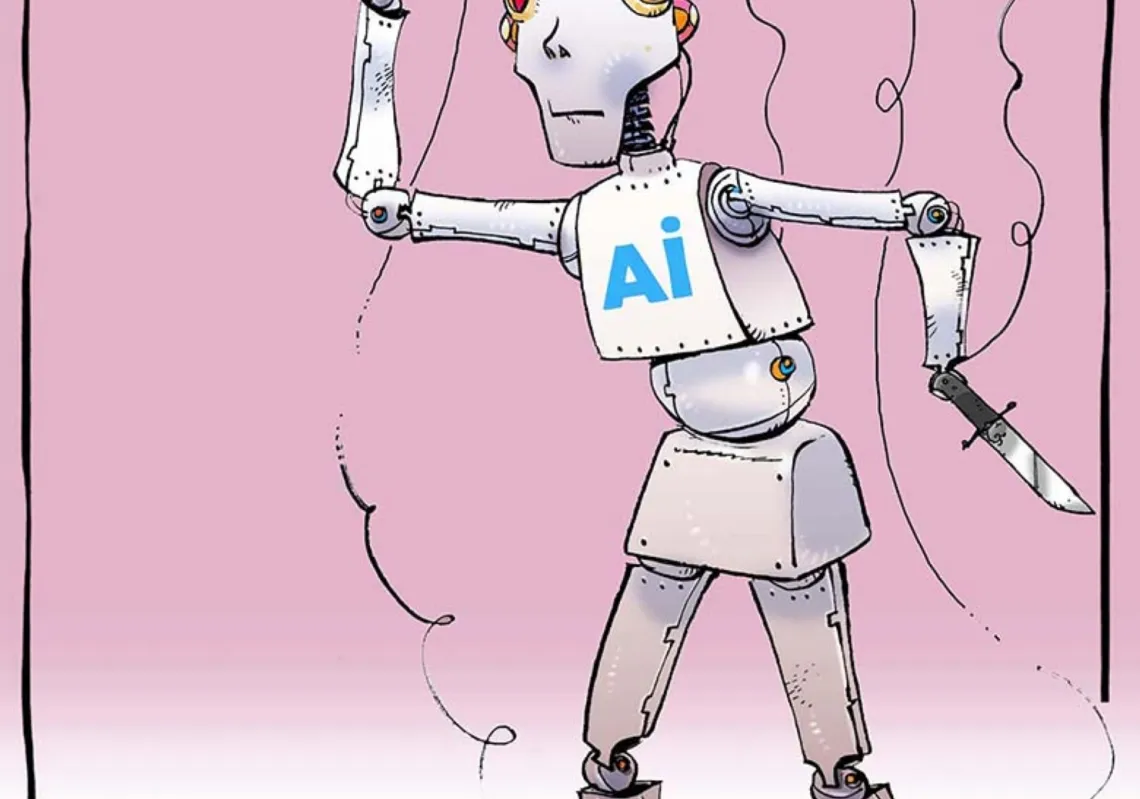
Some predict 'the end of jobs,' others a 'jobs apocalypse,' but optimists think people will adapt and get paid to do different things. Amidst war and mountains of debt, is AI a help or a harbinger?