
The 2026 US-Iran War has reverberated far beyond the Middle East, rocking the world economy and testing alliances. Amidst the shaking kaleidoscope was one relatively unnoticed consequence: a change to North Korea’s constitution. As The Telegraph reported, on 22 March the Supreme People’s Assembly in Pyongyang voted to amend its laws so that, should President Kim Jong-Un be assassinated, North Korea’s military would automatically launch a nuclear retaliation.
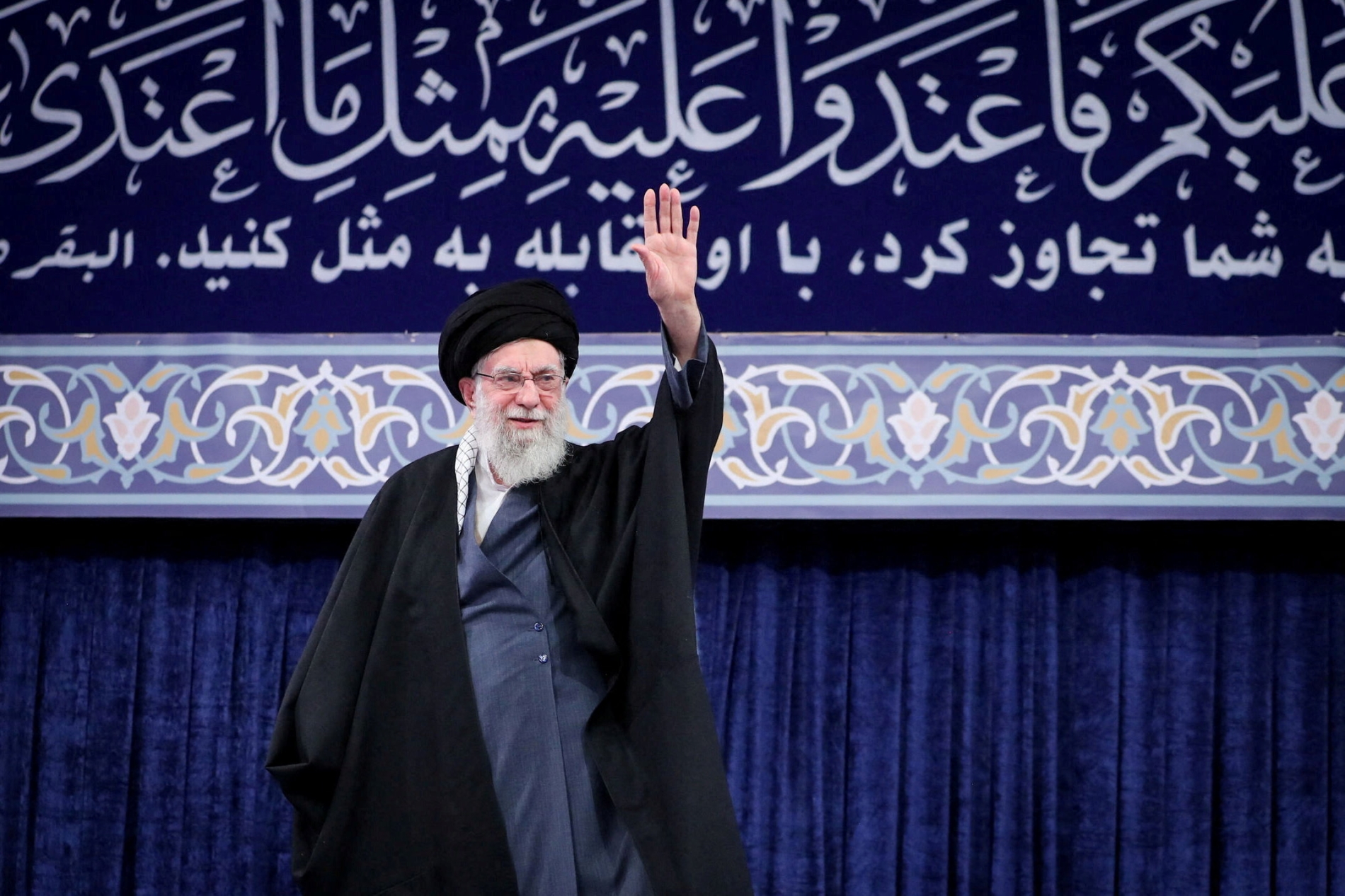
The change was made explicitly in response to Israel’s assassination of Iranian Supreme Leader Ali Khamenei, to deter the United States or anyone else from trying something similar with Kim. That North Korea—which has been an international pariah for decades—feels the need to take this defensive measure now illustrates how targeted political killings have changed states’ calculations.
World leaders might once have felt a degree of safety, with international norms generally precluding rival governments from targeting the leaders of enemy states. Times appear to have changed, but is this really such a departure from the past? If so, how might any changes impact international relations in the future?
History’s assassins
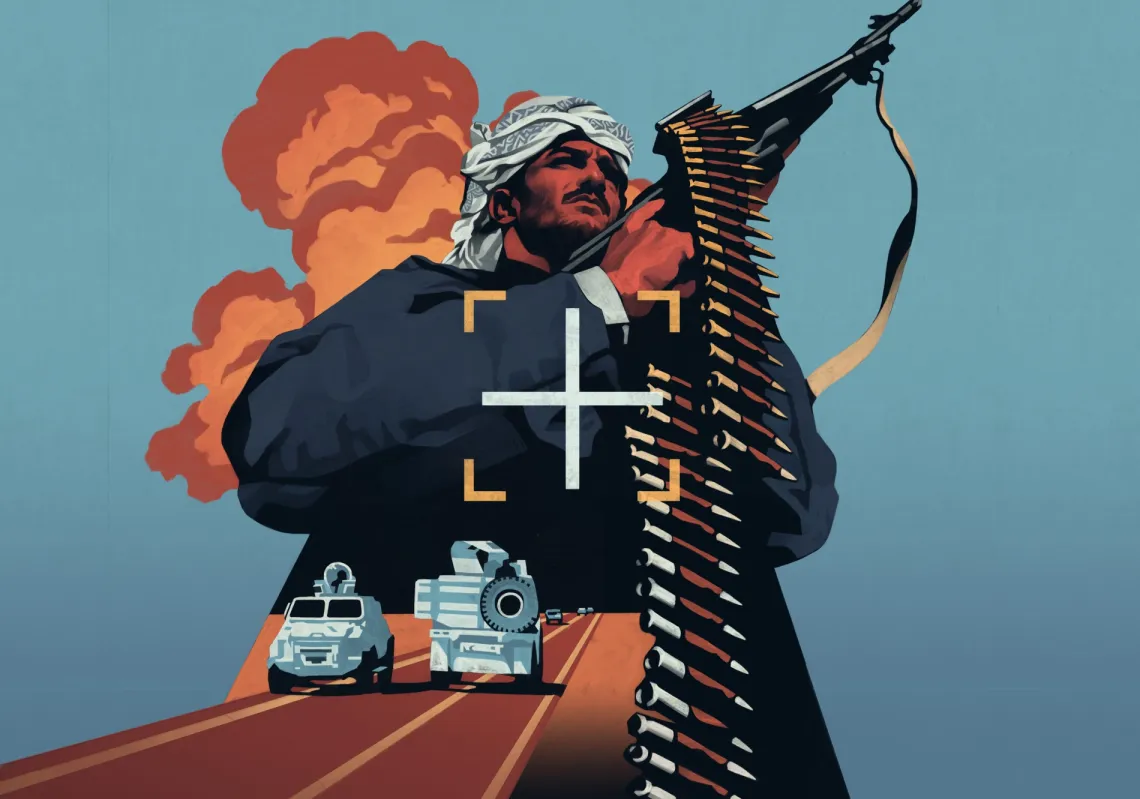
The name ‘assassin’ derives from the Arabic ‘hashshashin’, a label given to followers of an Ismaili Shia military order that operated in Syria and Persia between the 11th and 13th centuries. The order deliberately tried to kill leaders of enemy states, reportedly under the influence of Hashish, hence the name.
Of course, the targeted killing of an international rival is a far older practice. The Romans sponsored the killing of troublesome chieftains, like the Hispanic leader Viriathus, who was murdered by his own advisors after a hefty bribe from Rome. Their Byzantine successors similarly deployed assassination as a technique against leaders of Bulgarian rivals in the 8th century.
However, for much of history, the assassination of leaders has primarily been a tool of domestic, rather than international, politics. Julius Ceaser was killed by fellow Romans, while, on the other side of the world, a handful of Chinese emperors like Emperor Ping of Han were similarly felled by internal rivals. In the modern era, again, most assassinations of state leaders had domestic assailants.
Of the four US presidents that have been assassinated in office, from Lincoln to Kennedy, all were killed by disgruntled US citizens, with no clear links to foreign actors. Similarly, consequential political murders like Yitzhak Rabin in Israel in 1993 or Anwar Sadat in 1981 were by domestic extremists.
Foreign leaders
Foreign states have engaged in assassinations, but there was a strong preference for covert operations, giving governments a degree of plausible deniability. In the early 20th century, some high-profile killings were linked to foreign powers, most notably the murder of Archduke Franz Ferdinand, the heir to the Austro-Hungarian throne, which sparked the First Word War. But though Vienna blamed Serbia for the assassination, the gunman was an Austrian subject, and Belgrade denied authorising the murder despite backing the terrorist group he belonged to.