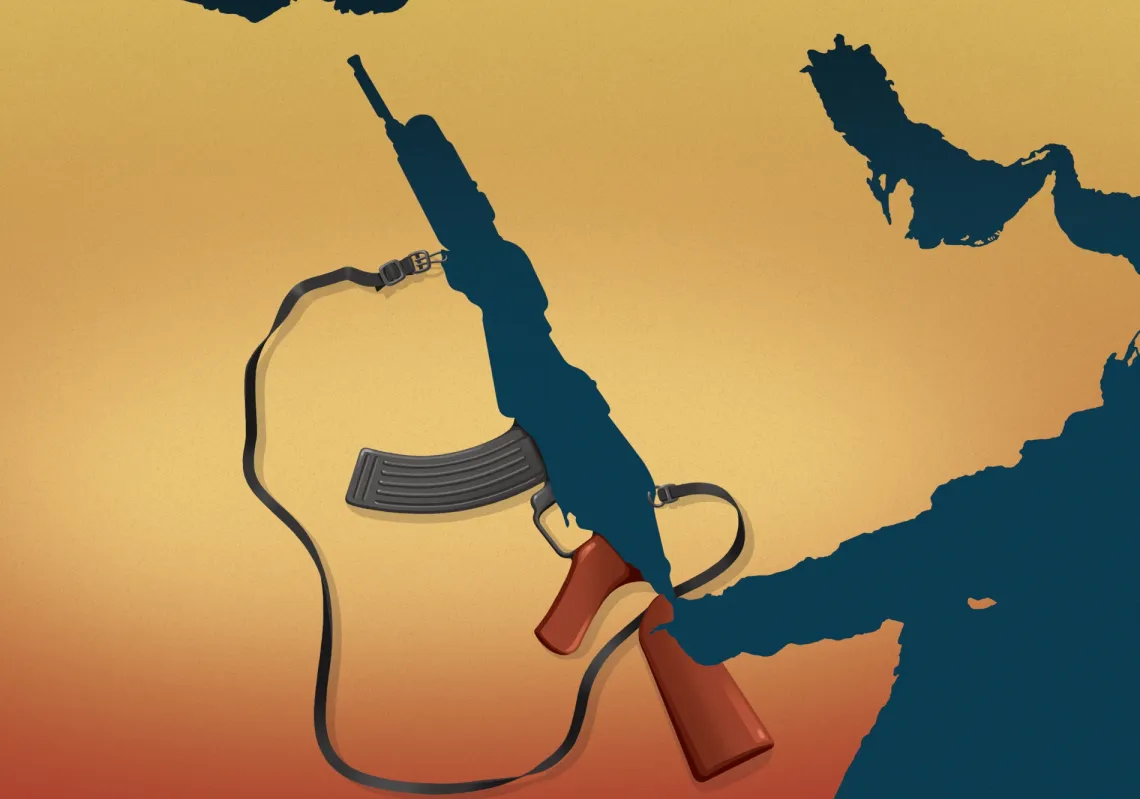
Is the Red Sea moving toward an ordered space governed by capable states or toward a grey zone edging toward disorder? Read our February cover story to find out.
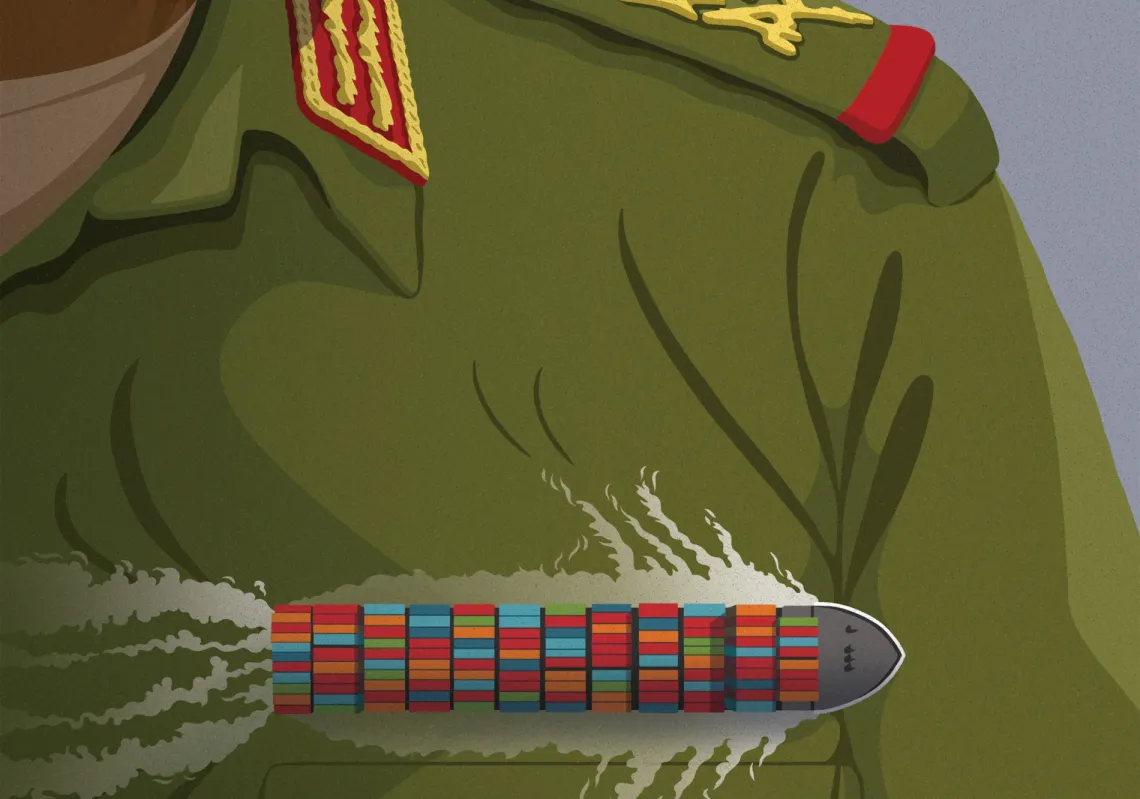
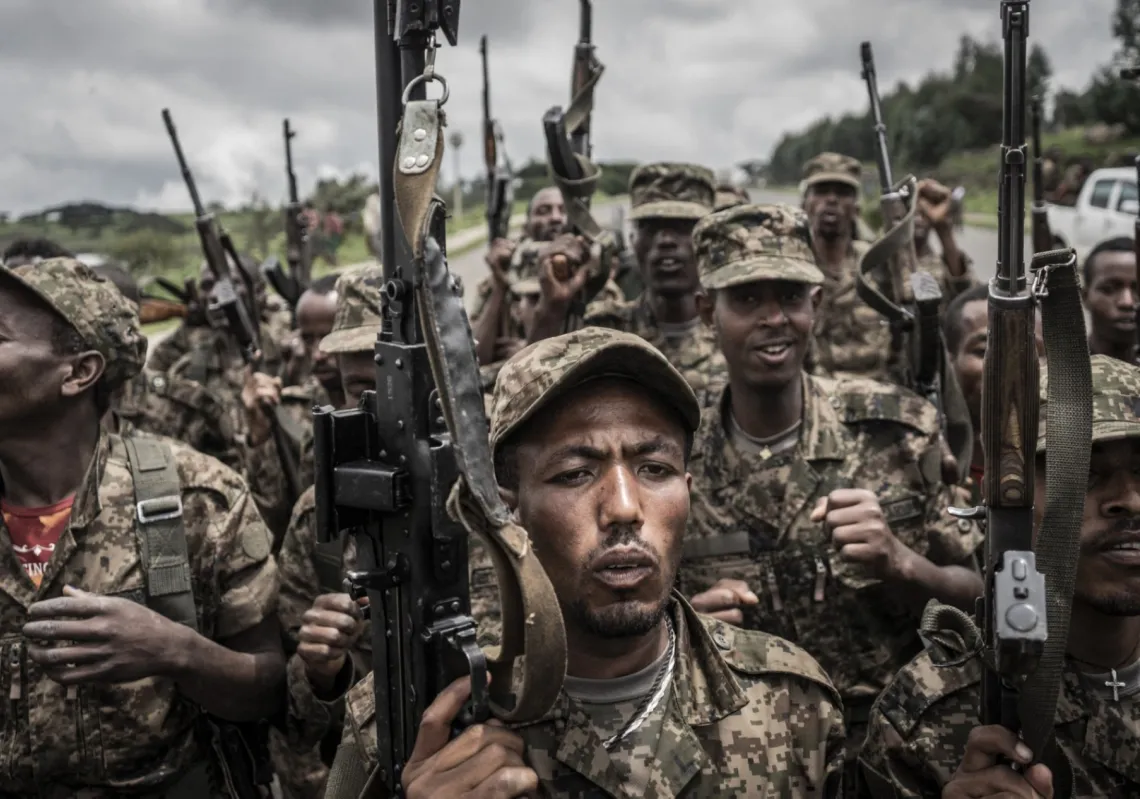
In places like Yemen, Sudan, and Somalia, which all have long coastlines along key maritime routes, the authority of the state and its institutions needs to overcome the forces of disorder.
In Yemen, Somalia, and Sudan, the state has ceased to function as it should. This has led to problems not just on land but at sea, making this trio one big and urgent international issue.
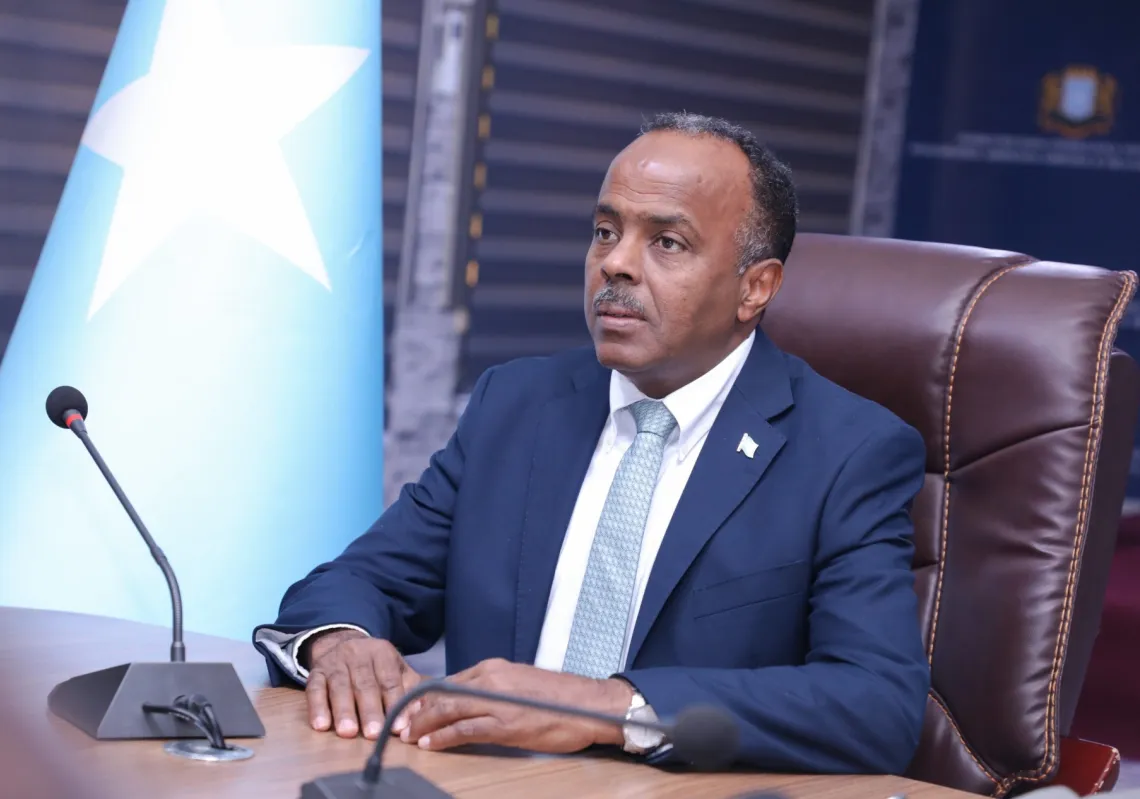
In an interview with Al Majalla, Ali Omar flags Israel's recent recognition of the breakaway region of Somaliland as an urgent concern and speaks candidly about the myriad challenges his country faces
Somaliland is merely the first signal of a cascading disintegration that, when combined with internal weakness and external interference, could engulf a substantial portion of Africa
A deal to give Ethiopia commercial Red Sea access in return for its recognition of Somali territorial integrity has been brokered by Ankara to much acclaim. Where does that leave Egypt?
Tension in the Horn of Africa is not new, but the rivalry between Cairo and Addis Ababa has escalated, as Ethiopia forges ahead with projects that threaten Egypt's national security
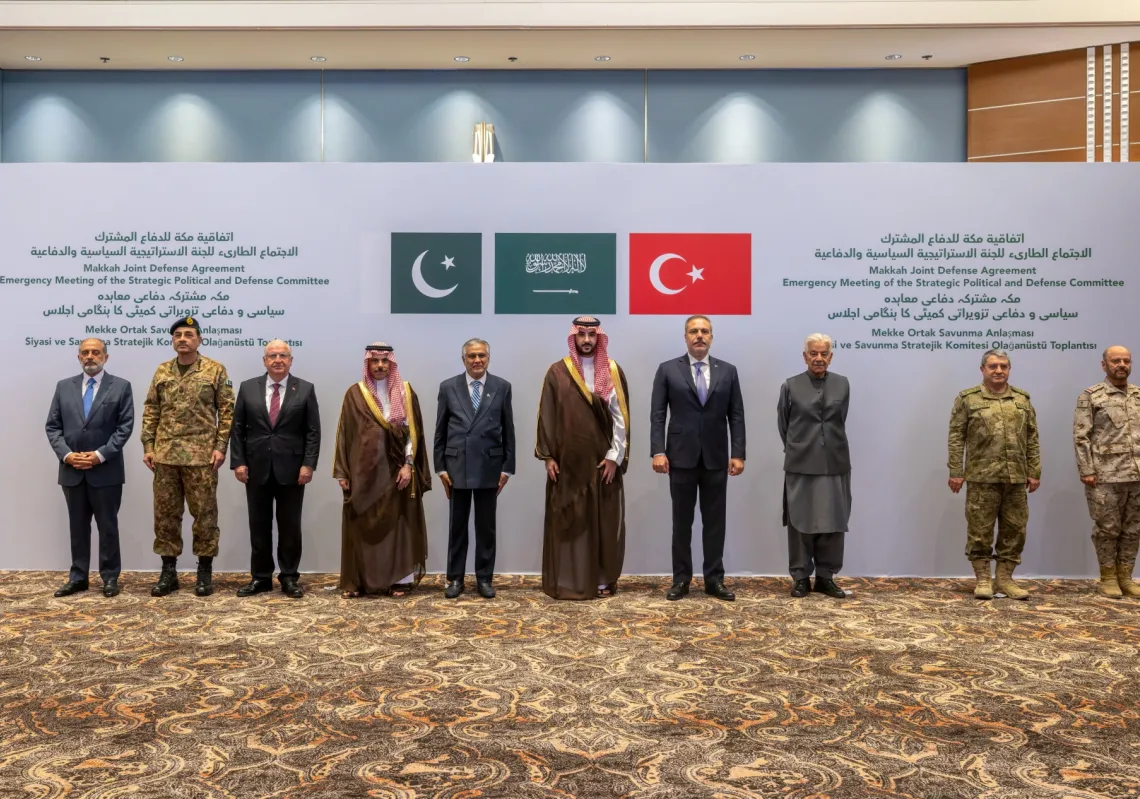
Somalia is a shining example of how two countries can help each other out. It lacks institutions and needs support to build infrastructure in all fields, and Turkey is happy to help.
Where once Middle Eastern states took little interest in this war-torn Arabic-speaking state on the Horn of Africa, today it is a key arena for Middle Eastern foreign policy and, at times, competition
Military strategists have long warned that war should be waged only if those waging it know what they want to achieve. Herein lies a problem: Washington's war aims in Iran are incoherent.
Tehran isn't likely to easily fold if/when Trump attacks. This means that the longer a military confrontation drags out, the more untenable Washington's position becomes.
The conflict has forced Russia to scale back its global footprint and NATO to boost its defence spending. Meanwhile, China and Middle powers have emerged as key beneficiaries.
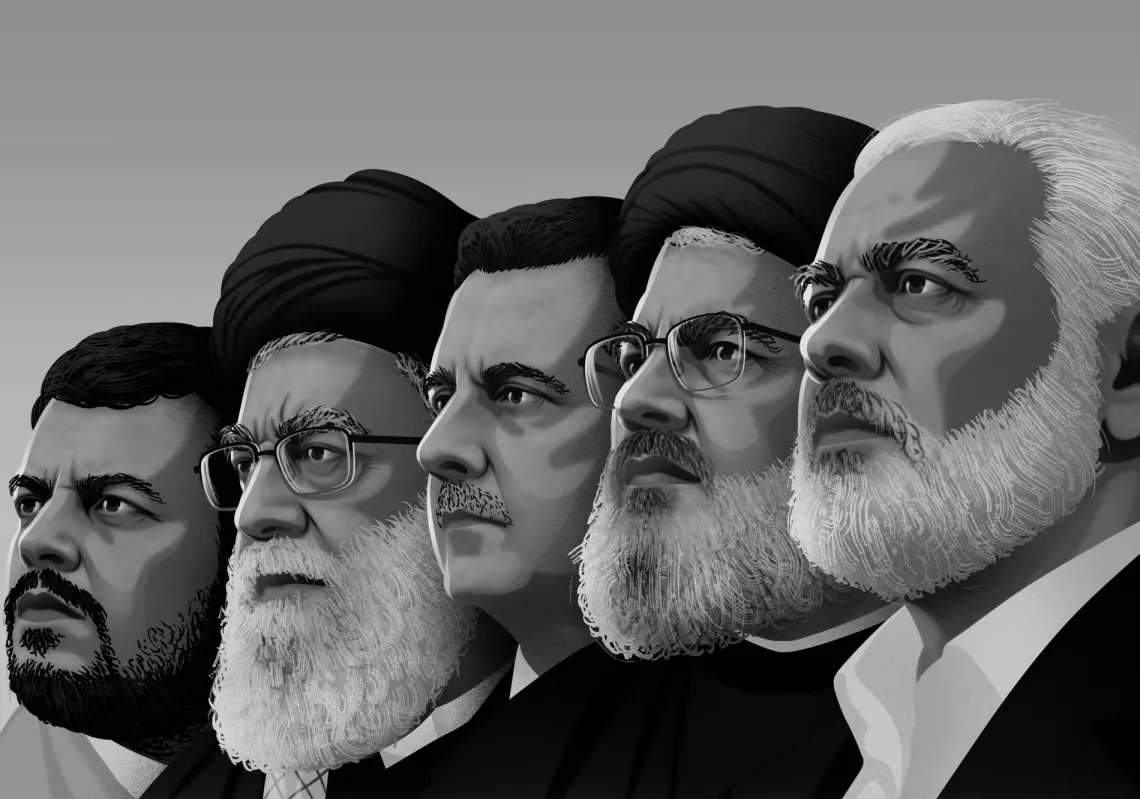
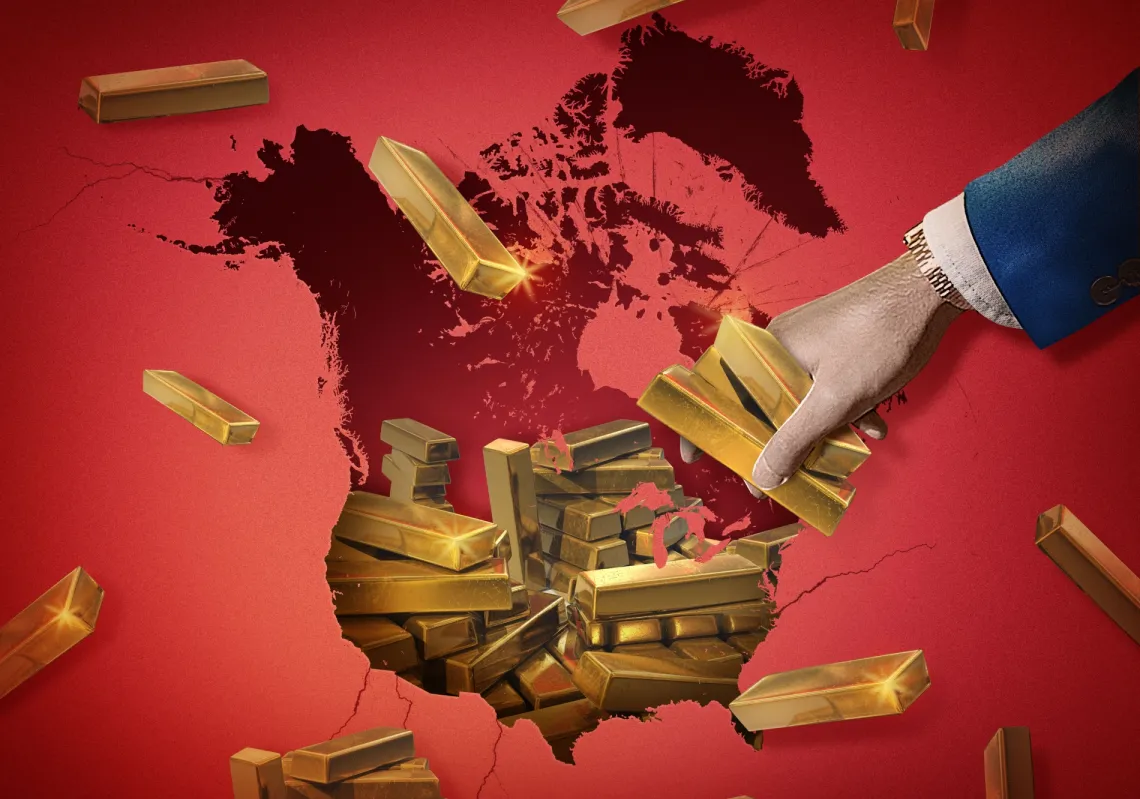
Natural resources like solar, wind, and water are set to provide 36% of global electricity production this year. Even for sceptics like Donald Trump, the trends are unmistakable.
Some point to his possible links to Mossad through his associate Ghislaine Maxwell, whose father was a known Israeli spy, and assert that he blackmailed powerful figures to exert influence
Al Majalla - London
Sign up for the Weekly Newsletter
Get the best of Al Majalla, straight to your inbox.