With China dominating the 'rare earths' needed to power the technology of the future, the West is playing catch-up in a race that began years ago. Finally, a plan is emerging.
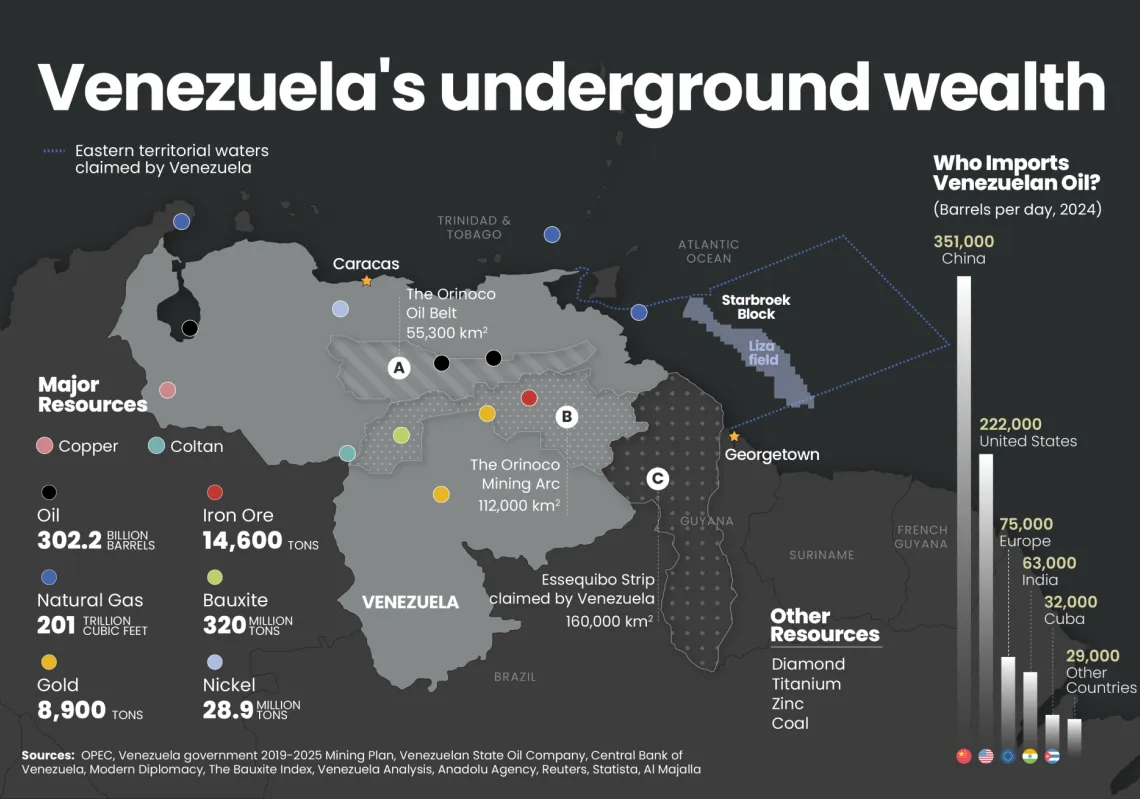
Following the 3 January US attack on Venezuela and the subsequent abduction of its president, Nicolás Maduro, President Donald Trump declared that American companies would be “going into Venezuela to…
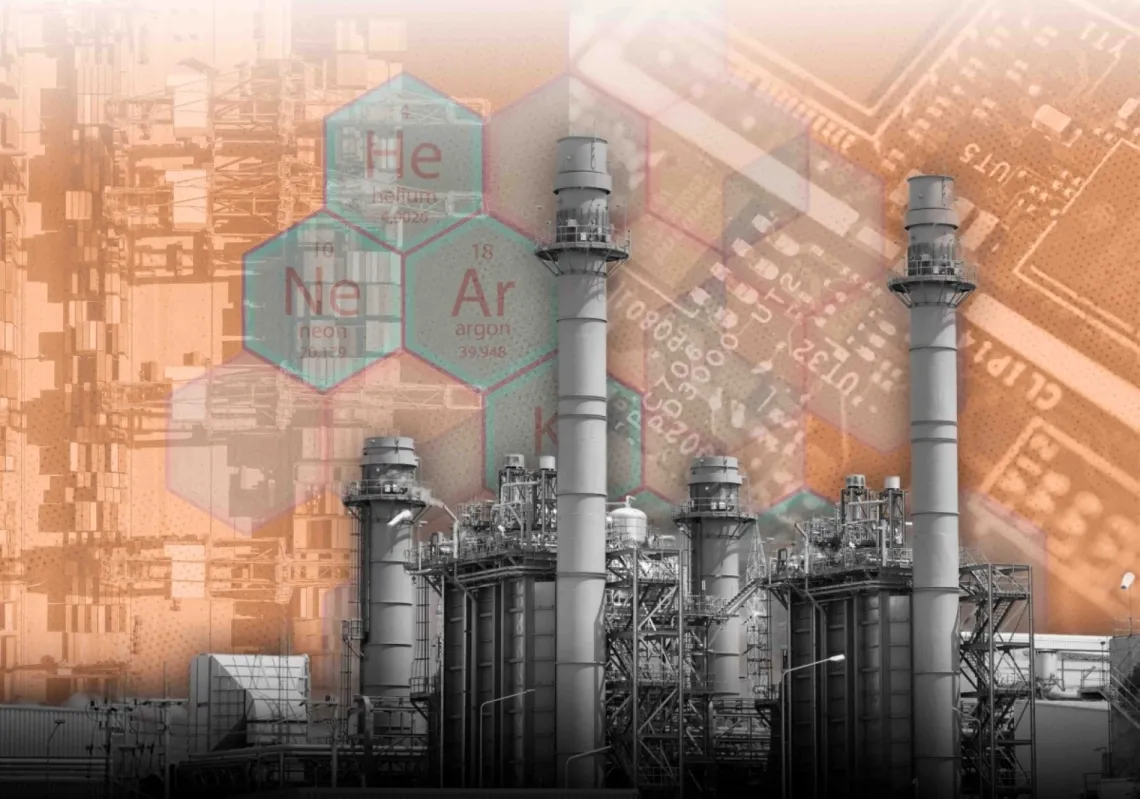
Odourless, colourless gases such as helium, neon, radon, argon, krypton, and xenon power key industries. They are rare, difficult to extract, and hugely valuable, yet largely under the radar.
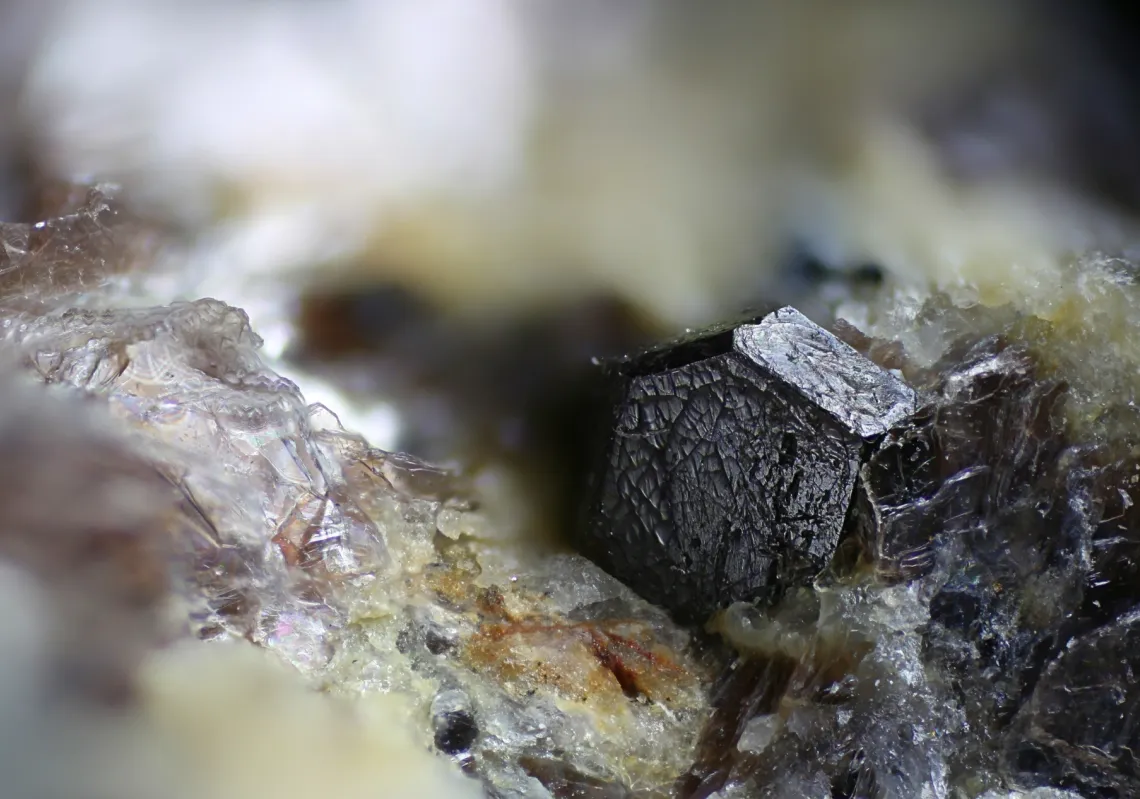
A metal that can be converted into a fissile material for nuclear power is plentiful in the Arab world's most populous country. If science can harness its potential, Egypt has a valuable asset.
The Future Minerals Forum has become one of the world's most influential gatherings in the minerals sector, uniting stakeholders around the shared goal of building sustainable mineral supply chains
Three decades of fighting in eastern Congo involving Rwanda and others was supposed to have come to an end in June. Is US economic engagement the magic wand its wielder says it is?
The country has passed a new minerals law seen by its backers as a catalyst for investment. But critics say it surrenders sovereignty. Which way will the pendulum swing?
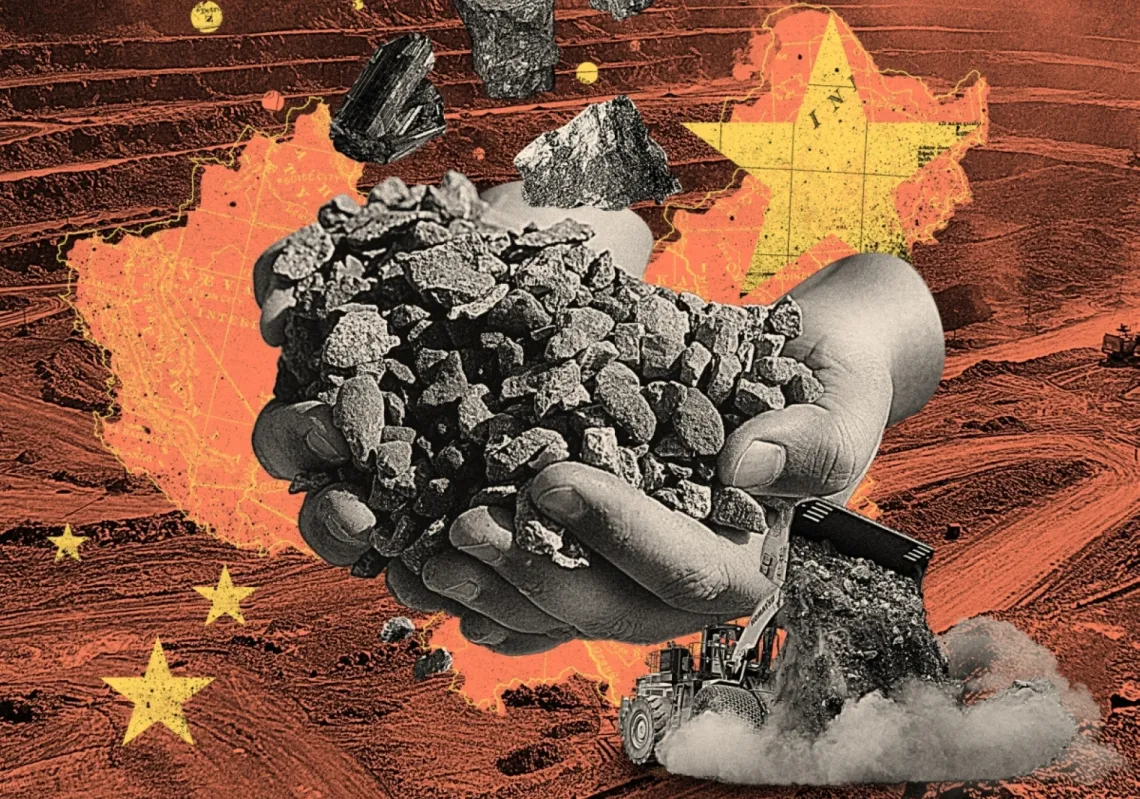
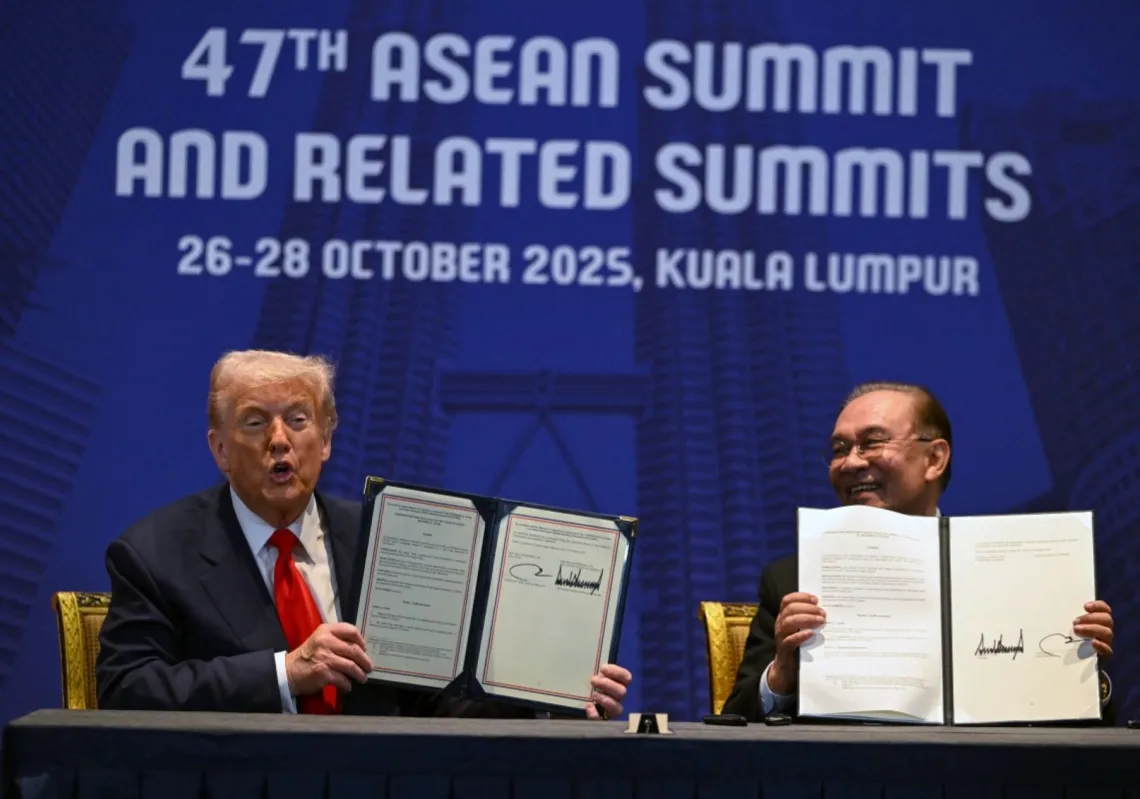
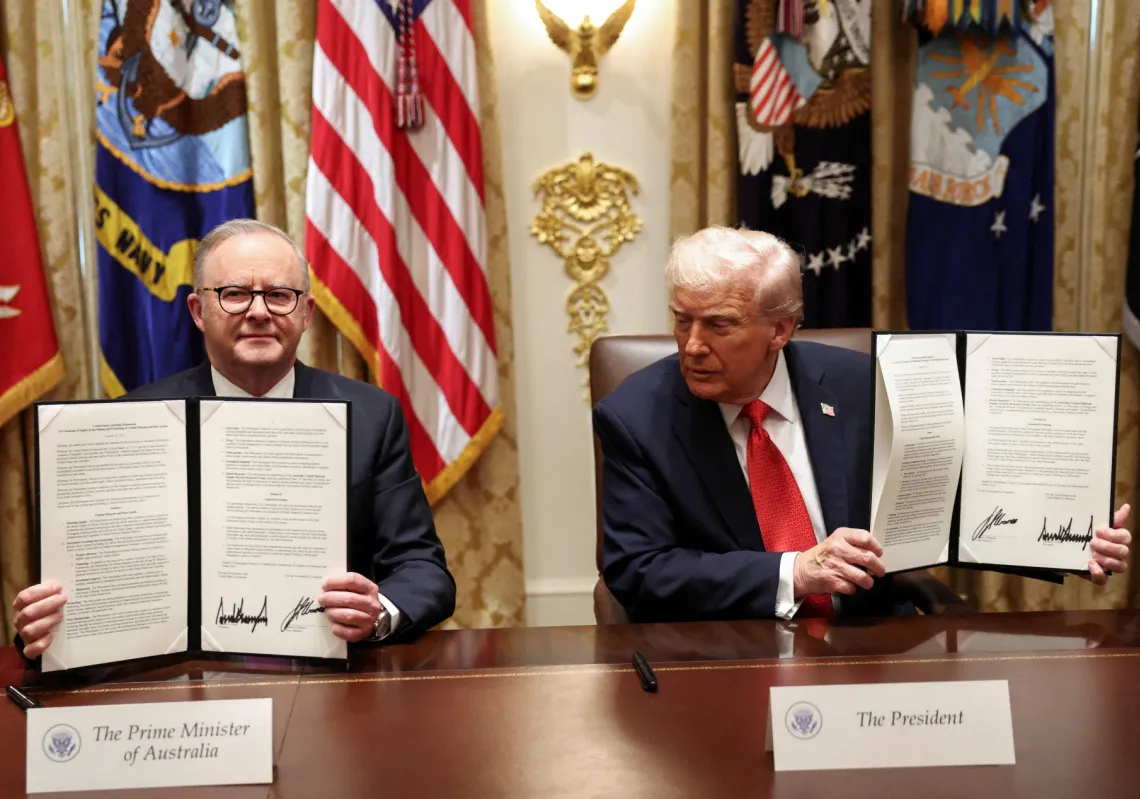
China's iron grip on the rare earths needed in today's most strategic industries is something that US President Donald Trump appears to be focused on, but the fight also involves Europe
Disruption in the Hormuz can have major implications for global trade, but it also creates opportunities for smaller nations like Iran to become global political players
The Iraq war was viewed as disastrous in retrospect, while the Iran war was unpopular from the get-go. Al Majalla highlights the similarities and differences between the two.
Pipelines have a chequered history in the Middle East, but the closure of the Strait of Hormuz has led US Tom Barrack to conclude that a new route through Syria could solve some problems.