The G7 gets serious about critical minerals

With China dominating the ‘rare earths’ needed to power the technology of the future, the West is playing catch-up in a race that began years ago. Finally, a plan is emerging.

Eduardo Ramon

The G7 gets serious about critical minerals

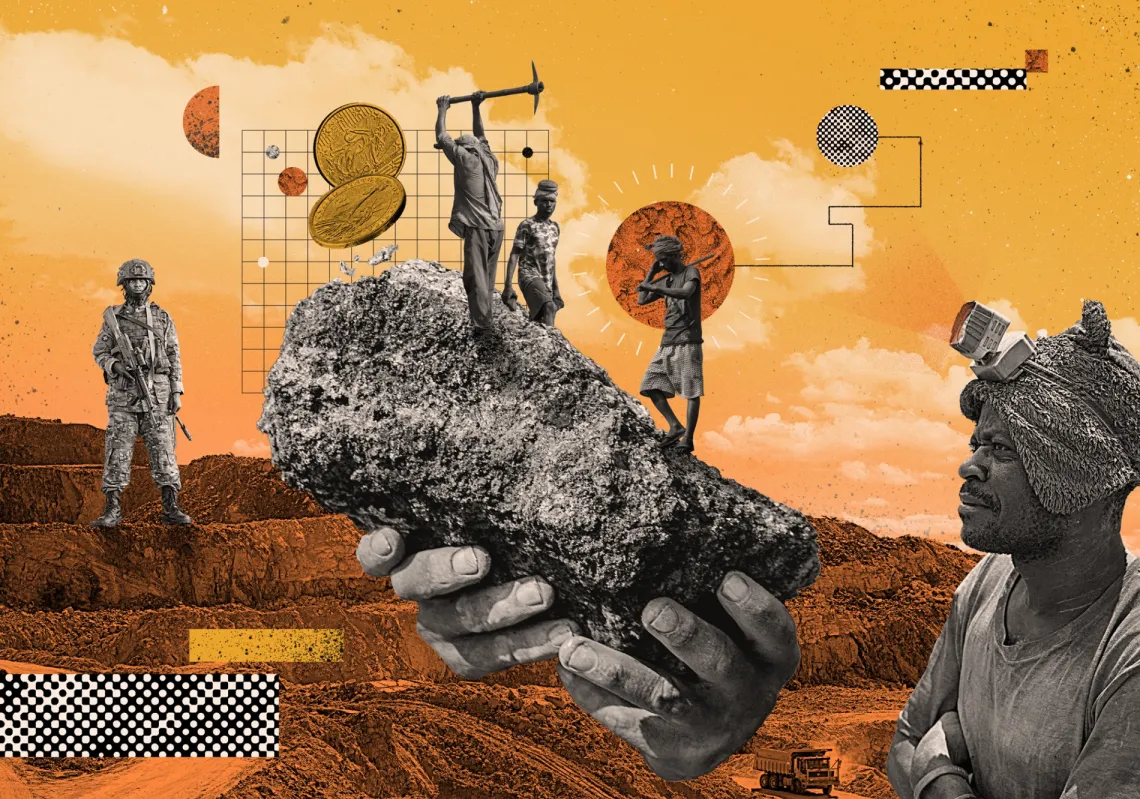
Throughout much of the 19th and 20th century, wars were fought over territory and access routes, whether by sea or by land. In some cases, conquests were driven by a lust for another’s resources in the ground, as was the case with Saddam Hussein’s invasion of Kuwait, for instance. But throughout that period, the idea of fighting over minerals might have seemed odd. Today, less so. As technology moves on, suddenly, the ‘rare earth’ metals needed to power the innovations of the 21st century are highly sought.

With these technological changes, supply chains are being reshaped, competition is intensifying, and underground resources are becoming a new currency of geopolitics. In the West, there is increasing unease over what many suspect is the ‘weaponisation’ of critical minerals. This was discussed at the finance ministers' meeting of the Group of Seven (G7) wealthy nations in Washington this month. Presented as a financial summit, the ministers emerged bullish. The time for tolerating structural imbalances in the global minerals market was over, they seemed to suggest.

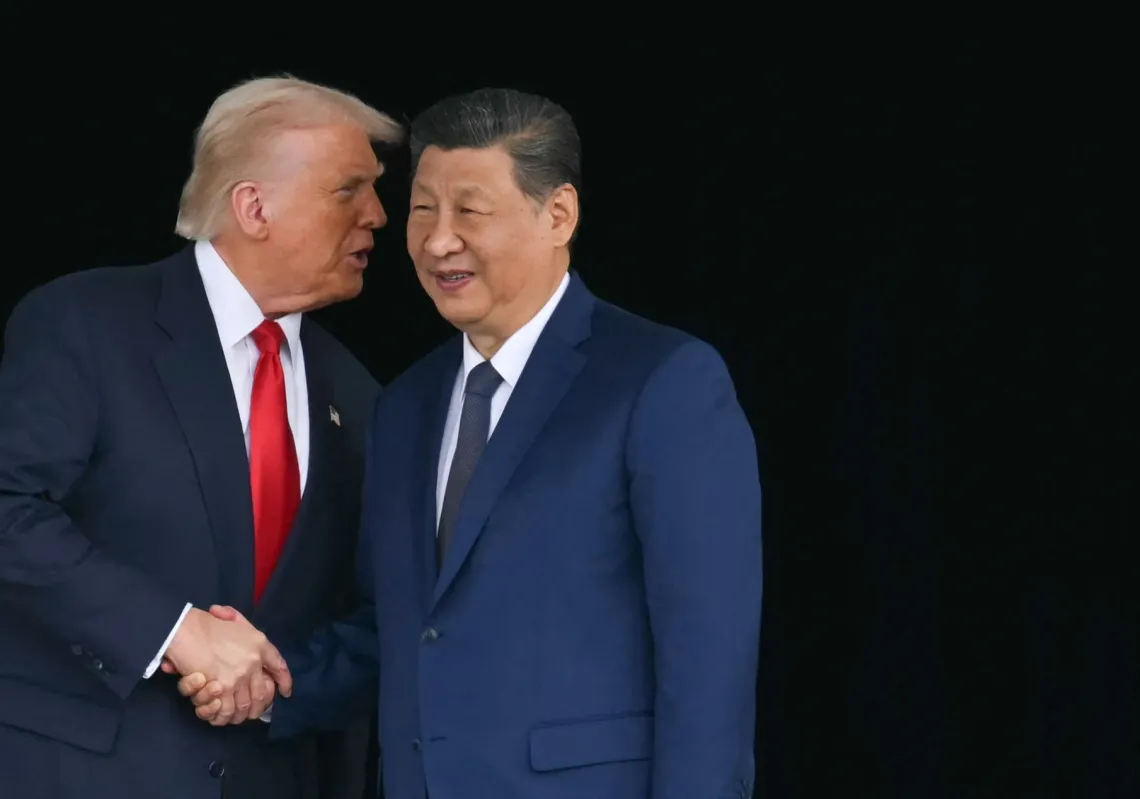
The summit was chaired by US Treasury Secretary Scott Bessent and attended by the finance ministers of the UK, Canada, Japan, Germany, France, and Italy, as well as representatives from the European Union, Australia, India, South Korea, and Mexico. They discussed strengthening the security of the minerals needed for green technologies, weapons systems, and advanced electronics.

Strategic importance

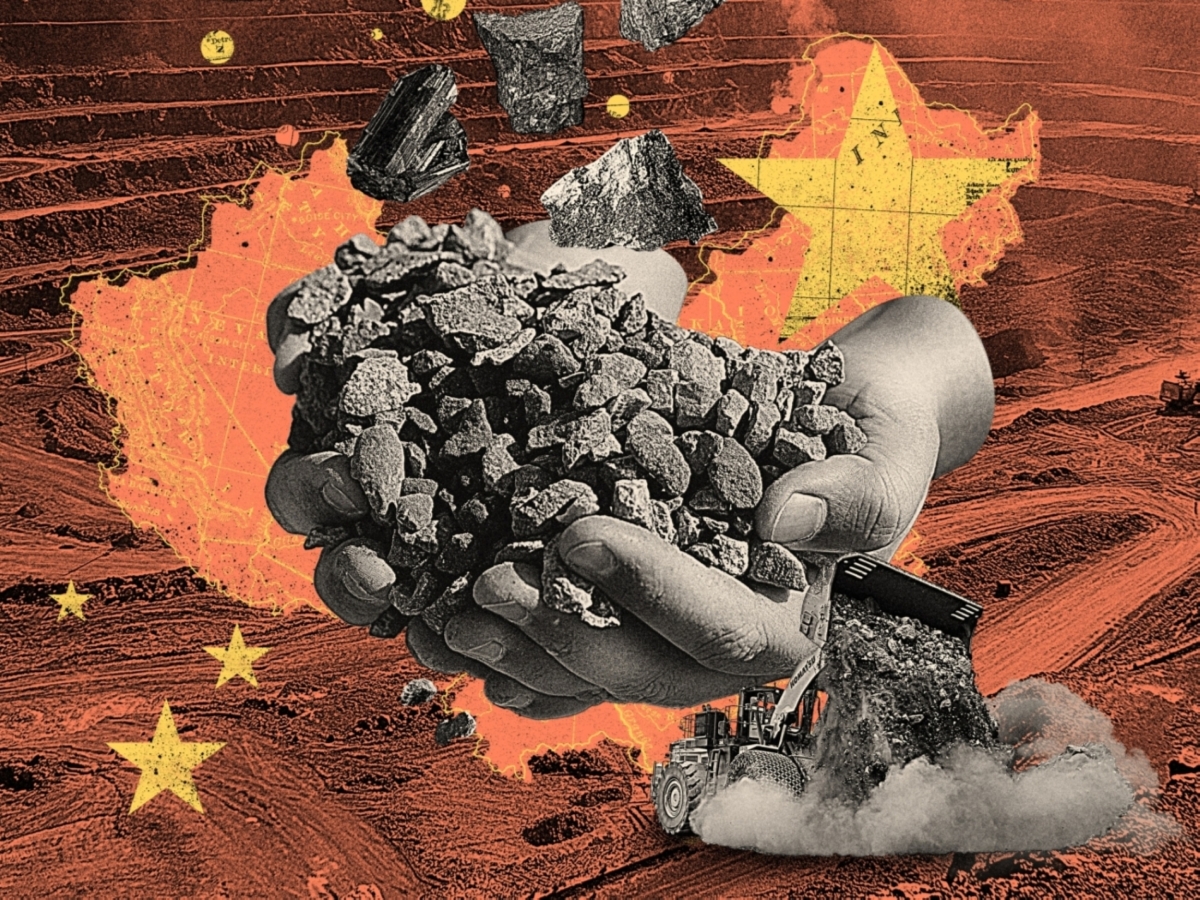
The term ‘rare earth’ is a little misleading. In many cases, these materials are not rare because they are scarce, but because they are difficult to extract and process. China’s dominance in the critical minerals sector, in part, comes down to its ability to process them. Until recently, these minerals were being seen just like any other tradeable good. Today, however, they are no longer treated as a commercial matter, but as a challenge to economic security.

The elements are needed, for example, in the defence industry and for the green transition, both of which are major priorities in Europe. As such, market calculations get easily entangled with questions of sovereignty and national security. Pricing is increasingly treated as a strategic tool rather than a simple outcome of supply and demand.

Elements such as neodymium, dysprosium, and samarium are used in high-strength magnets for electric vehicles (EVs), wind turbines, smartphones, and defence technologies. Lithium, nickel, and cobalt are used in EV batteries and energy storage systems, so they are central to the green transition. Graphite, which is subject to strict Chinese export controls, is needed for battery anodes. Terbium is used in guided weapons, submarines, and high-resolution displays, while tantalum, gallium, and germanium are used in electronics and for renewable energy.

Concern over China’s dominance in production and refining is high, particularly after Beijing’s recent export restrictions affecting Japan. The countries represented in Washington all want to reduce reliance on Chinese supplies, but how? Proposals included minimum prices for rare earths (to counter undercutting and price manipulation), making investments in production outside China more attractive and profitable, expanding alternative sources through new partnerships, and accelerating domestic extraction and recycling.
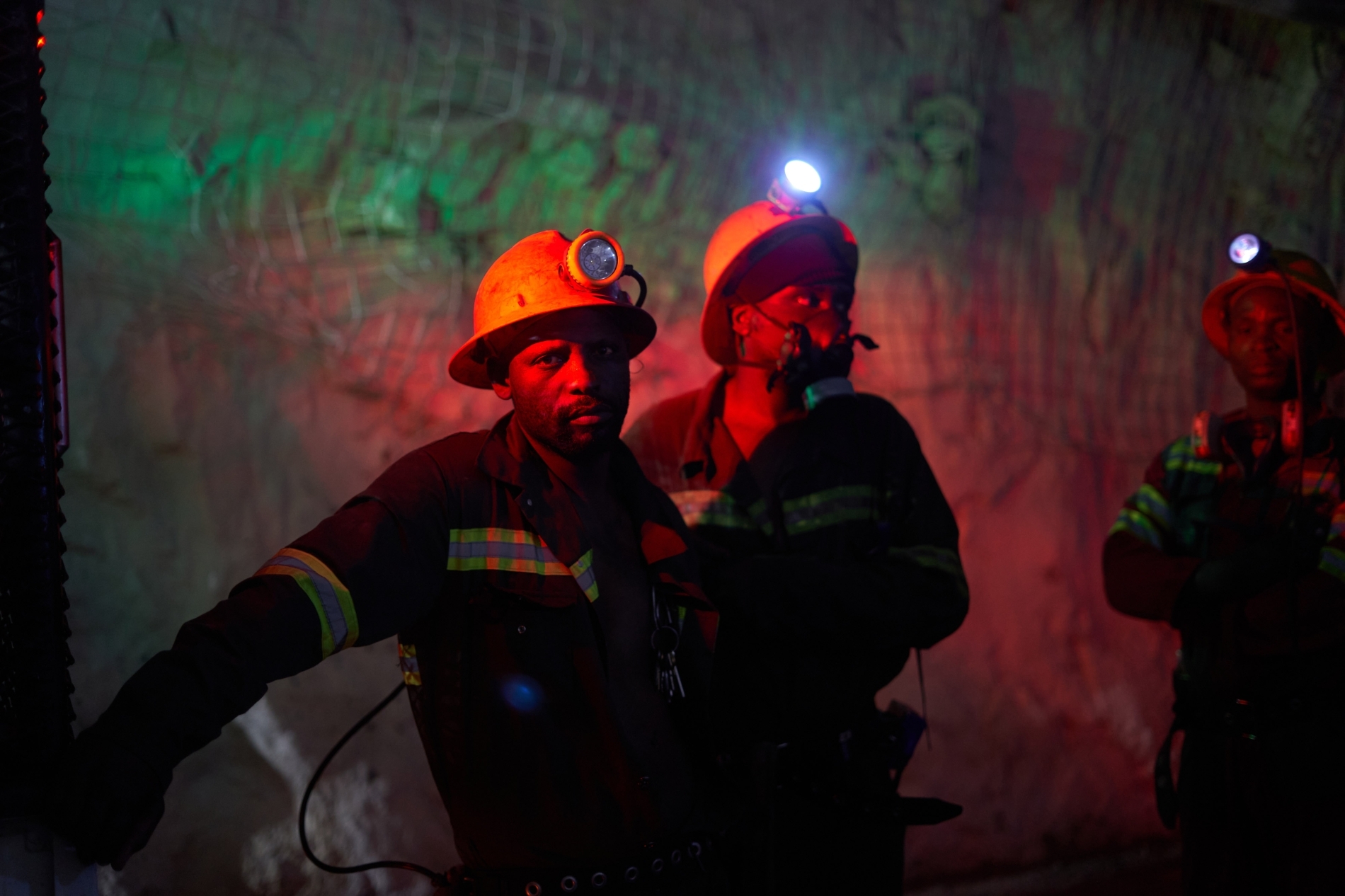
AFP
A worker holds a piece of cobalt rock outside a mine in the Kolwezi area, on 12 October 2022.

On the same page

Although the meeting ended with no formal joint communiqué, ministers’ remarks offered a clear sense of direction. Bessent felt they were aligned on the need to address vulnerabilities quickly. German Vice Chancellor Lars Klingbeil mentioned minimum-price mechanisms and new partnerships. Japanese Finance Minister Satsuki Katayama stressed their broad agreement on the urgency.

Taken together, it points to a strategic shift away from passive observation towards active “de-risking”, such as building more resilient, independent supply chains. This builds on the G7’s Critical Minerals Action Plan, launched in June 2025, which itself builds on the Five-Point Plan for Critical Minerals Security, initiated in 2023.
China's dominance in the critical minerals sector is no longer treated as a commercial matter but as a challenge to economic security

The aim is to anticipate shortages of critical minerals, coordinate responses to deliberate market disruption, diversify production and supply, encourage investment in mineral projects, support standards-based markets, and promote innovation in processing, recycling, and substitution.

On 30 October 2025, G7 energy and environment ministers met in Toronto and announced the first round of investments under the Critical Minerals Production Alliance. Both public and private capital are now being mobilised for projects involving graphite and scandium, alongside advance purchase agreements and joint investments with allied countries. 

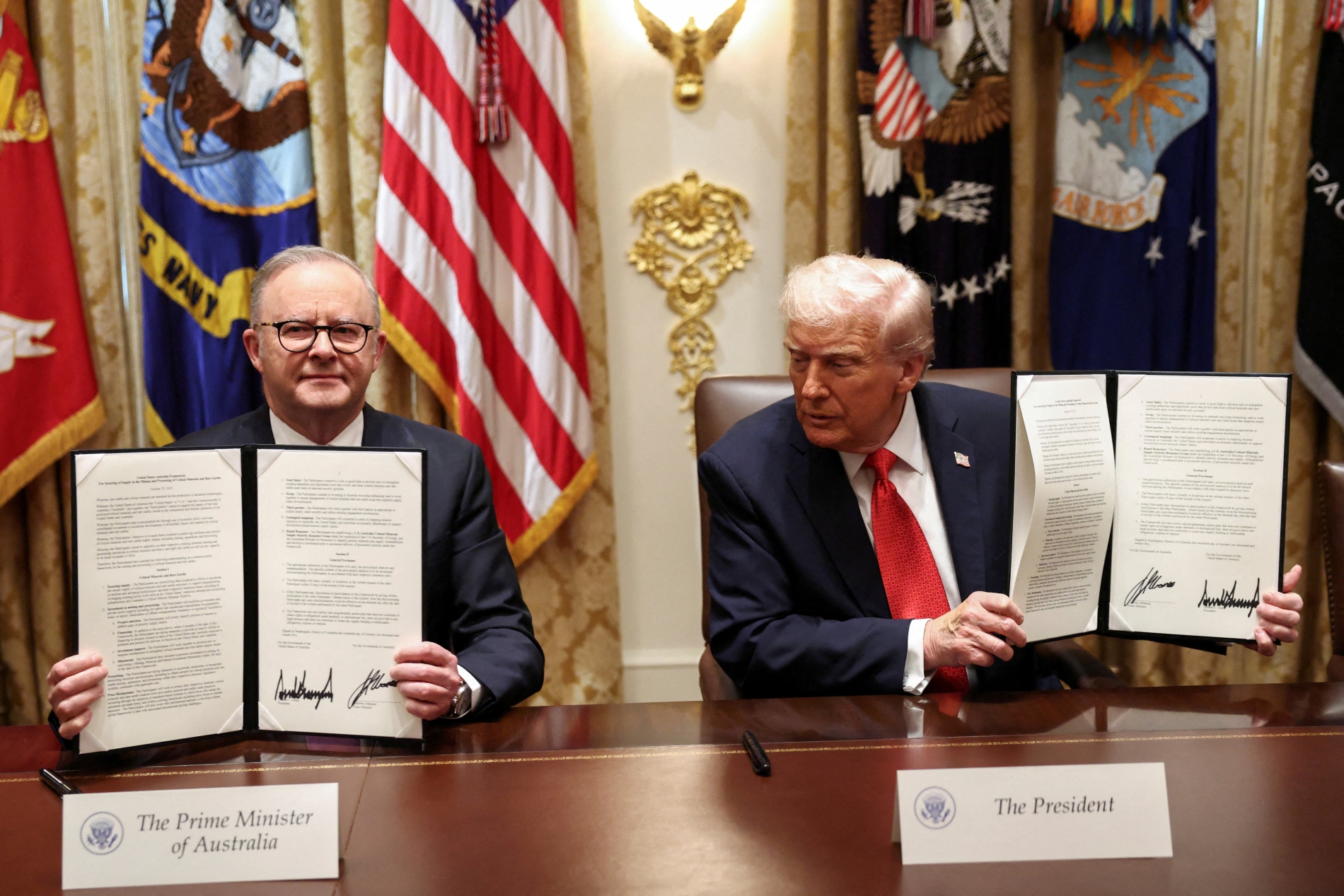
US President Donald Trump and Australia's Prime Minister Anthony Albanese hold a signed agreement on rare earths and critical minerals during a meeting in the Cabinet Room at the White House in Washington, DC, on 20 October 2025.

Refining capacity

Although not legally binding, the plan marks a strategic turning point for the G7, aligning its financial and investment policies to reduce dependence on suppliers such as China while maintaining free-market principles and environmental and social sustainability. Most G7 members—with the exception of Japan, which has developed some refining capacity and diversified its sources—rely heavily or almost exclusively on China for between 70-90% of refined rare earths and permanent magnets.

Domestic production within the G7 is limited. The US contributes only around 12-15% of global raw output. Canada and Australia hold promising reserves, but refining capacity is lacking. Australia produces up to 8% of global output, according to the US Geological Survey, but products exchanged between the US, Canada, and Europe are again limited. Since China controls around 90% of global refining capacity, minerals mined in the G7 are often sent to China for processing before being re-imported.

German Finance Minister Lars Klingbeil has pledged to give high priority to critical minerals and supply chain security, adding that the G7 discussed the formation of a trade club to strengthen cooperation among consuming countries, including those outside the G7 such as Australia, India, South Korea, and Mexico, and applying recycling quotas by setting targets to increase the share of minerals recovered from electronic waste to reduce the need for imports.

Representatives from investment bank JPMorgan and the US Export-Import Bank gave presentations during the meeting. "I think it is right that the Americans are applying this level of pressure on the issue," said Klingbeil. "Nevertheless, there remains a set of open questions that need clarification in the coming weeks." He stressed that "this is not an exclusive club," adding: "We discussed ideas, and many questions emerged in the discussions that need clarification by experts."

Reuters
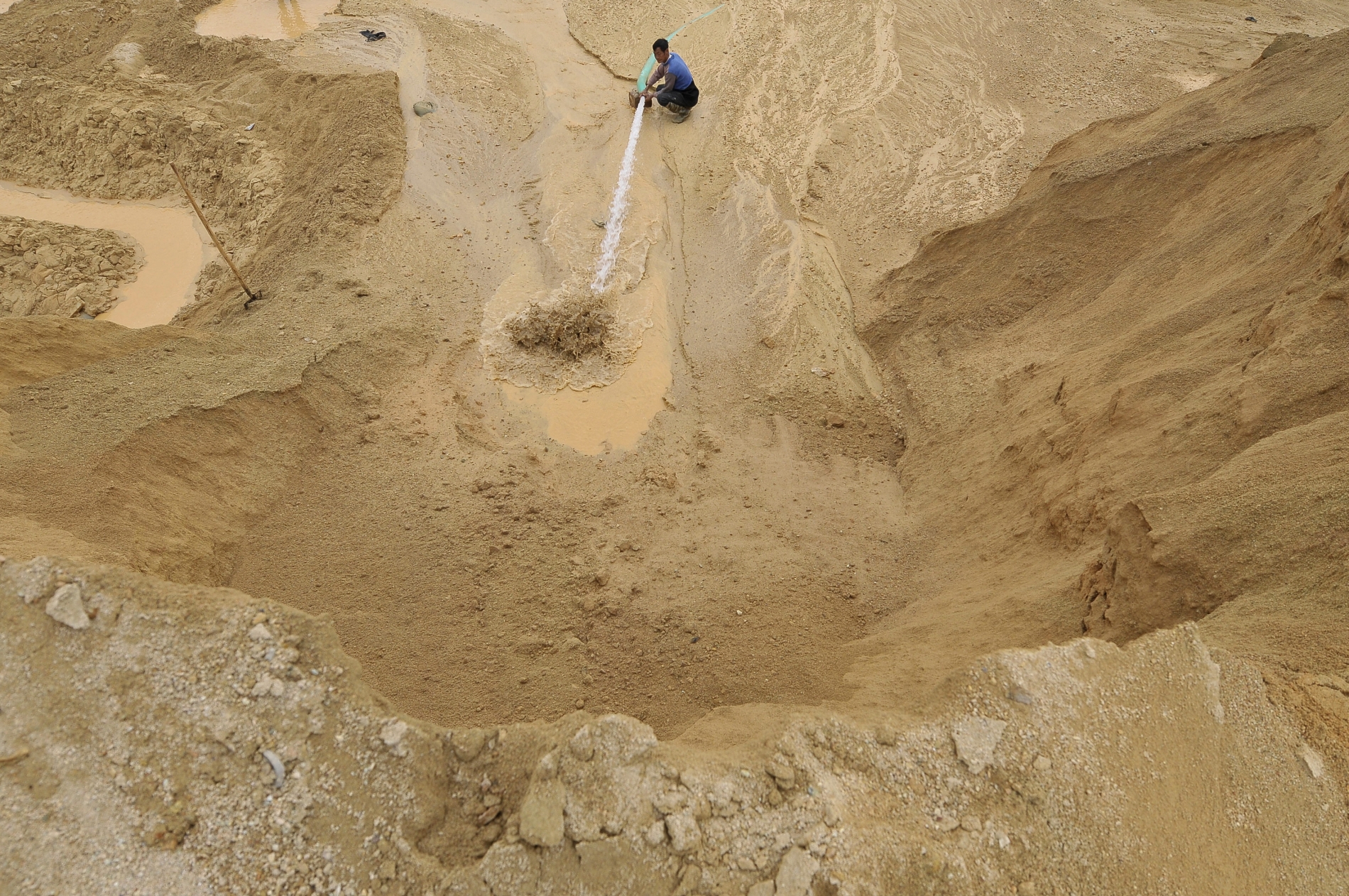
A worker waters the site of a rare earth metals mine at Nancheng county, Jiangxi province, on 29 December 2010.

Learning the lessons

Japanese Finance Minister Satsuki Katayama said she explained Japan's position to her counterparts and shared lessons from Japan's experience with China's rare earth export ban in 2010. On 12 January, Chinese Foreign Ministry spokesperson Mao Ning responded, saying Beijing's position on maintaining global supply chains for vital minerals was unchanged, adding that China believes all parties share responsibility for playing a constructive role.

Zhou Mi, a senior researcher at the Chinese Academy of International Trade and Economic Cooperation, told the Global Times that supply-and-demand dynamics are the product of market behaviour over many years, and that any adjustment should be based on market principles. He said some G7 countries had disrupted global supply chains through protectionist measures such as tariffs and export controls.

He also argued that some G7 countries stand to lose out because differences in their economic structures reduce the prospects of such blocs securing vital mineral supplies, adding that "no alliance built on a zero-sum logic can provide its members with the rare earth elements they require".

This is a highly sensitive subject and moment, with rare earths and critical minerals fast-moving from commercial goods to strategic assets with sovereign implications. Although the G7 meeting did not produce binding or immediate decisions, it laid the foundations for deeper financial and economic cooperation among those keen to counter China's dominance in this vital sector, one that could help determine who leads the world's fourth industrial revolution.

font change