With its mineral wealth and jihadist dilemma, Mali is entertaining both the Americans and the Russians, to see what each can offer, and what they want in return
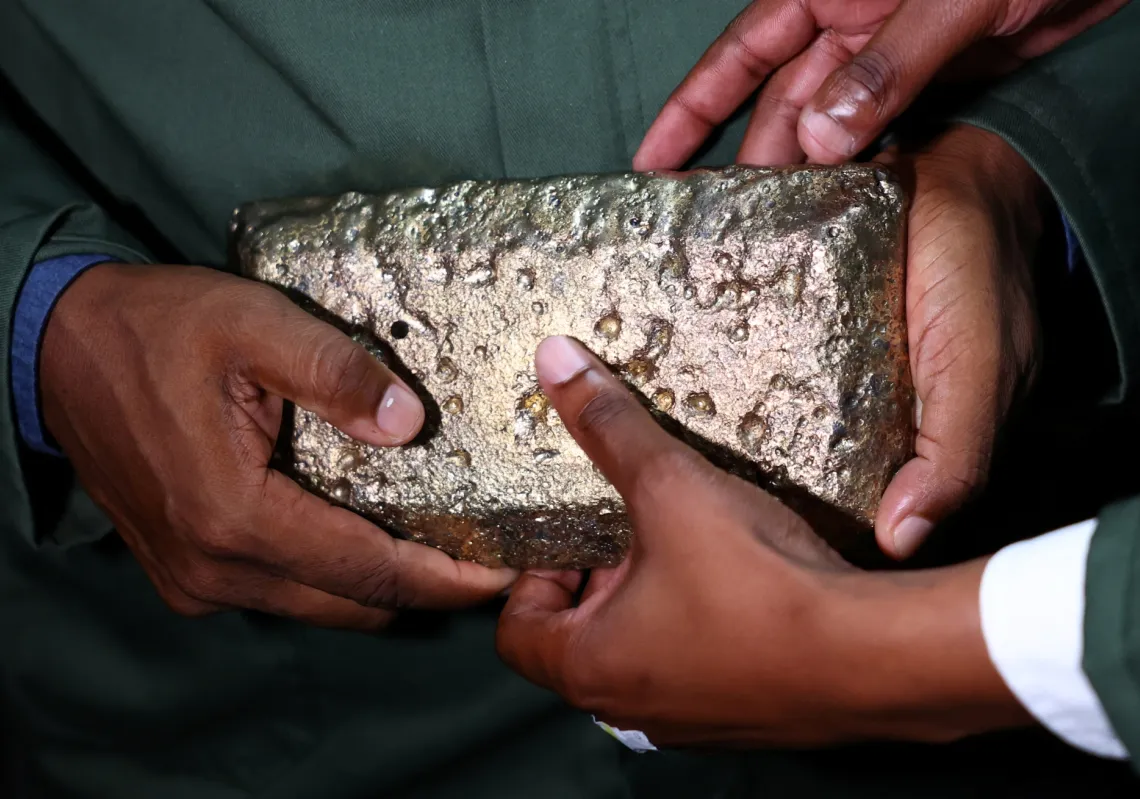
Weak state control has led to a breakdown in law and order, resulting in thefts of precious metals and minerals, while the rising value of gold further incentivises such pillaging
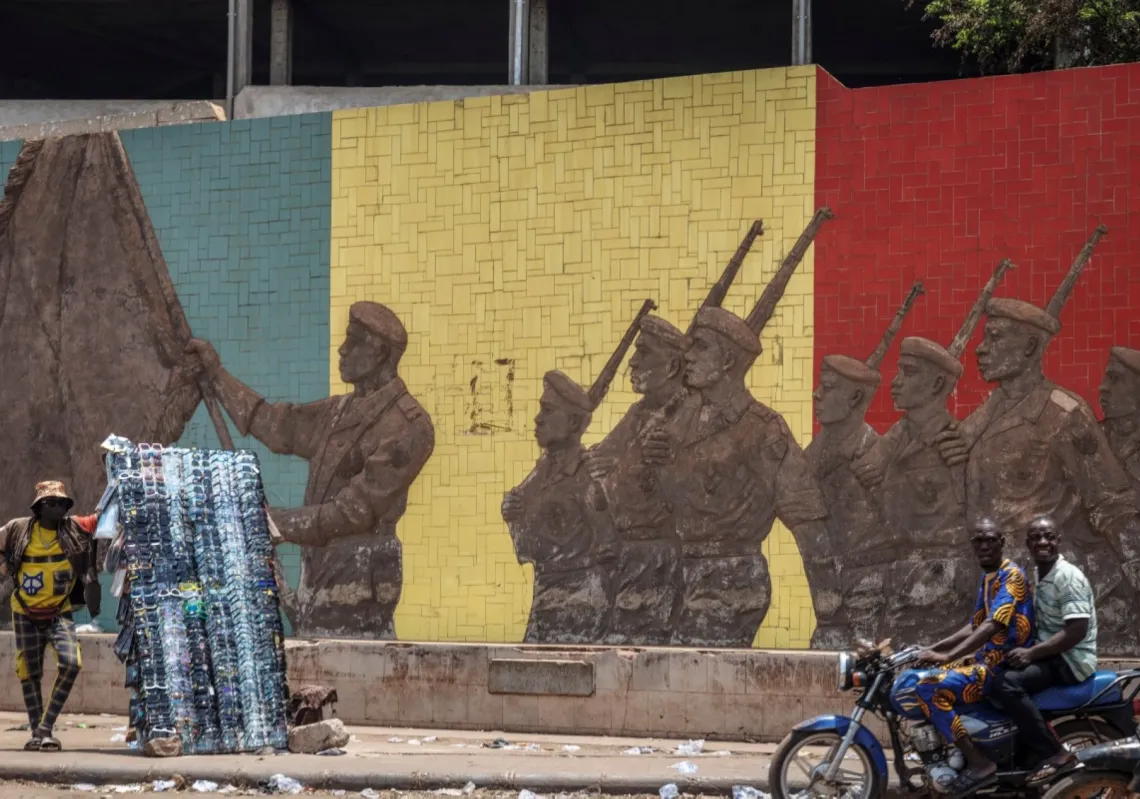
Al Qaeda affiliates are working with Tuareg fighters to overrun Mali, with historic Timbuktu set to fall, and the capital Bamako also encircled. In this part of the world, pragmatism is a necessity.
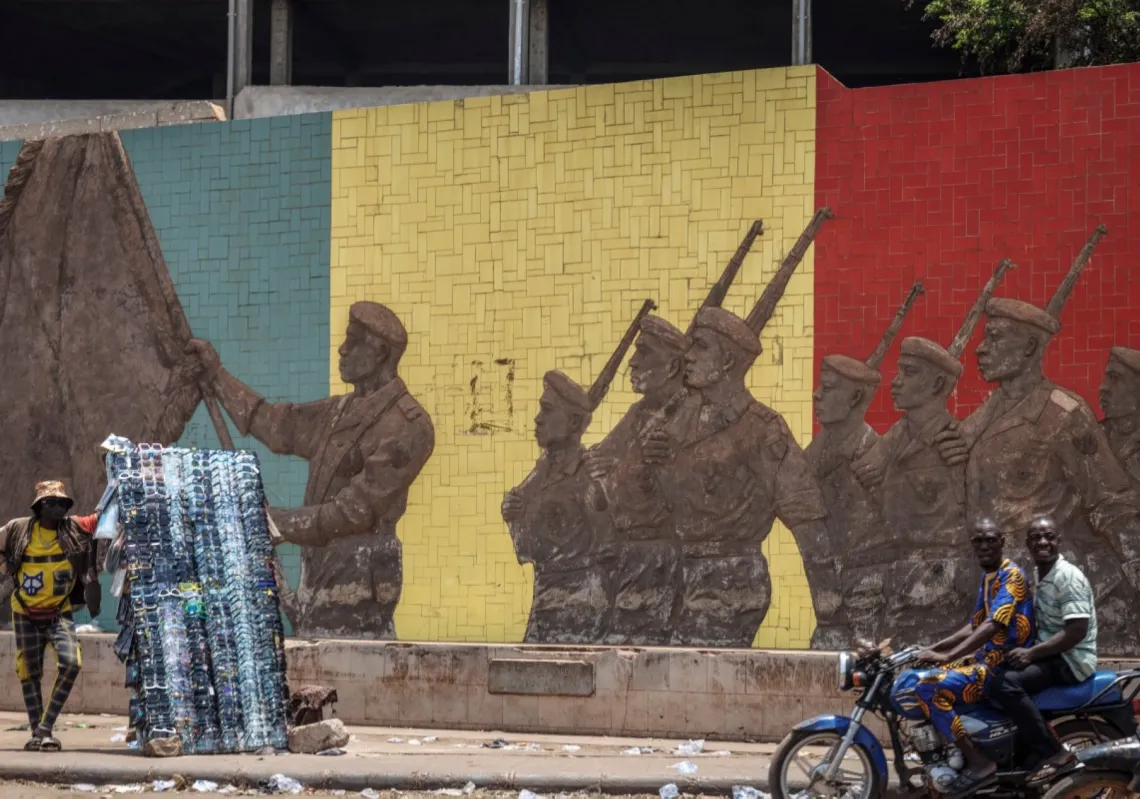
A coordinated attack by an Al-Qaida-linked group and Tuareg rebels was the most serious on Mali's Russian-backed military junta in years. After years of dominance, this puts Moscow on the back foot.
Amid growing competition for influence in Africa from the US, Moscow has been deepening military and economic ties there, especially in Niger, Mali and Burkina Faso. Now, it must deliver.
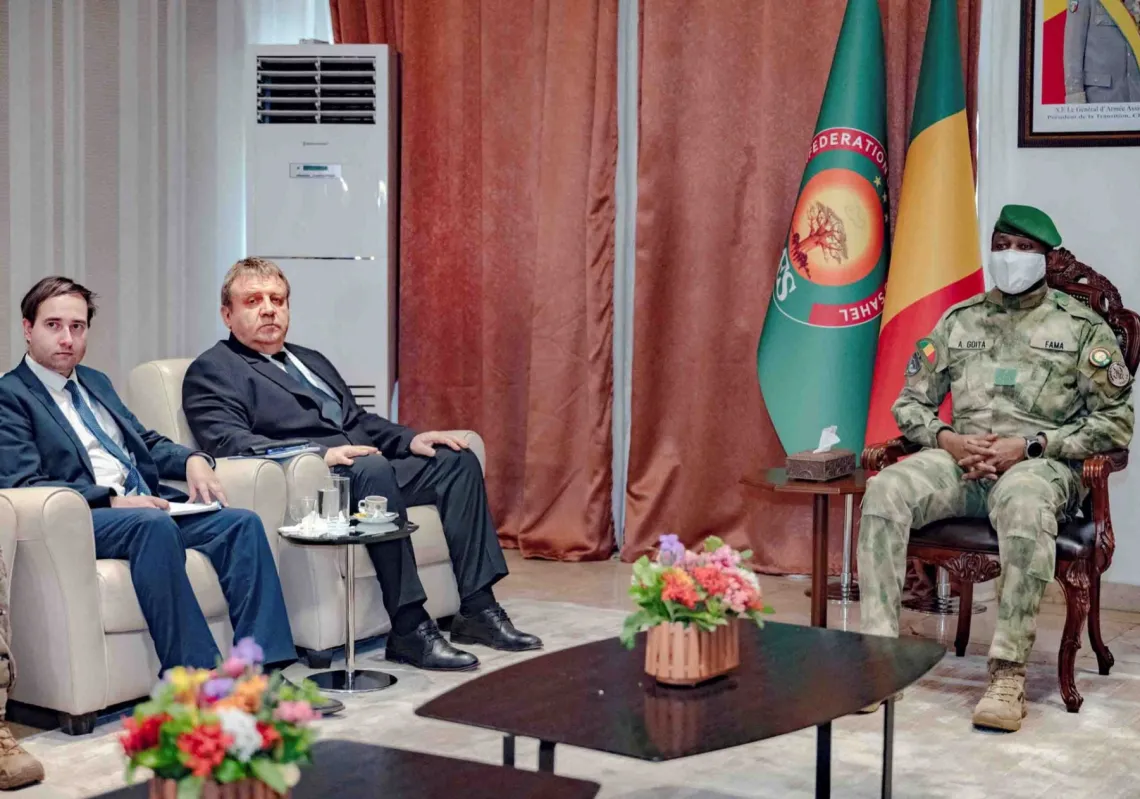
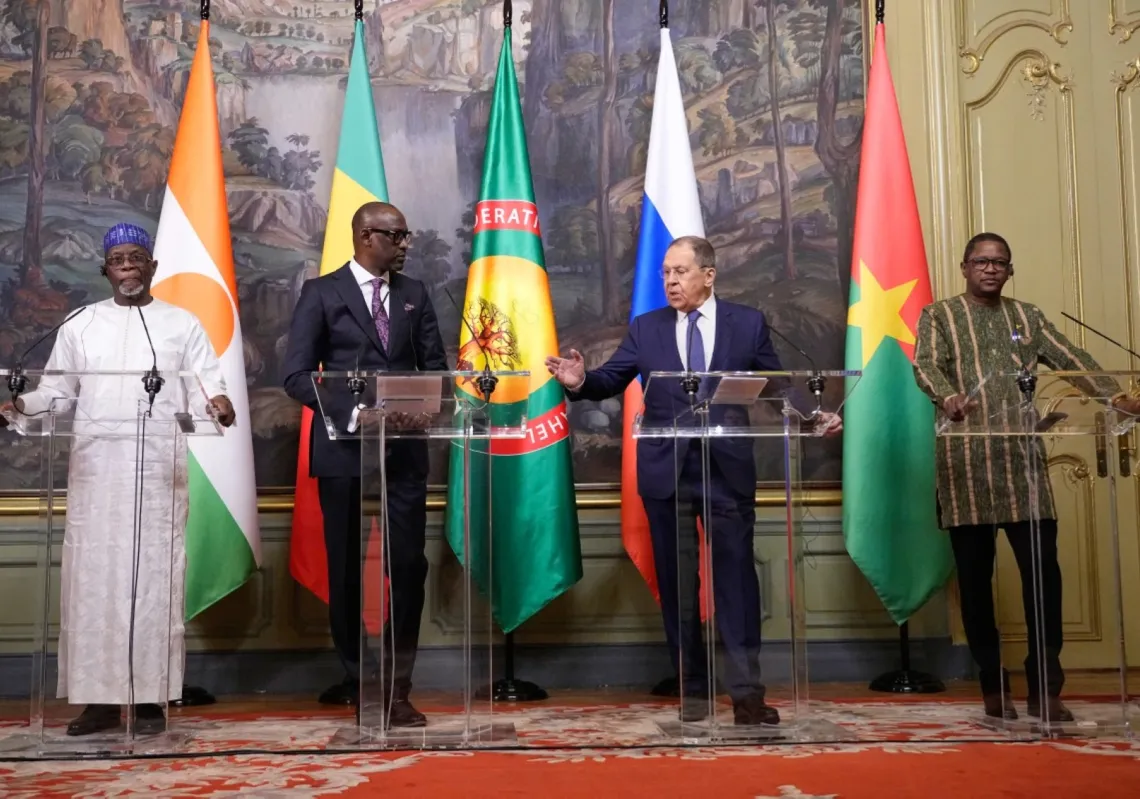
A five-day visit to Moscow ended with agreements to cooperate in a range of areas. Mali wants nuclear power and Russian military support, whereas the Kremlin has its eyes on a precious metal.
Tuareg rebels who have long sought to form the independent nation of Azawad have come together to fight Mali's new military leaders and their Russian mercenary friends. Will it help them?
A recent jihadist attack on Mali's capital and a growing threat from northern rebels reportedly getting help from Ukraine begs the question: is the Sahel a new Russia-West battleground?
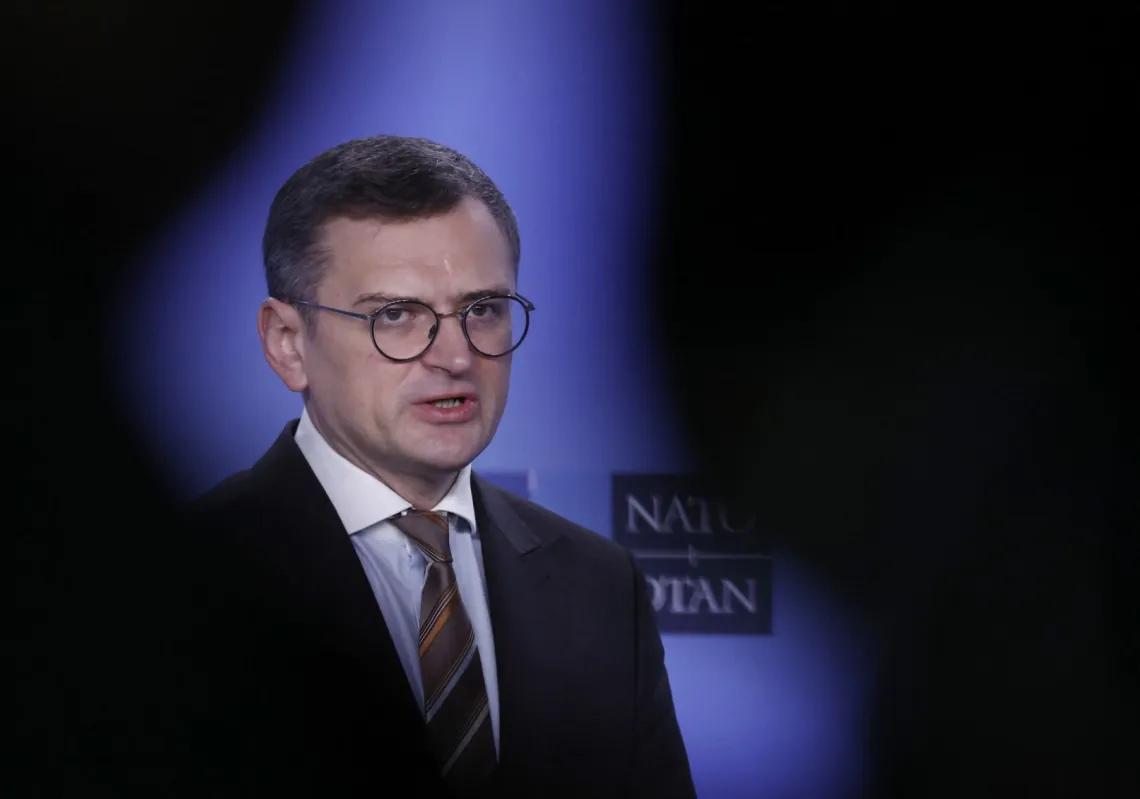
Ukraine's former foreign minister is pragmatic about the war, peace talks, Kyiv's opponent, Washington, the Chinese, and the Gulf. His thoughts are a fascinating insight into Europe's biggest battle