
In recent days, Russian fighters in Mali have ceded territory to a coalition led by well-organised Islamist groups in the north but have equally celebrated their defence of the capital, Bamako, which could easily have fallen. The countrywide attack came on 25 April, and the Russian fighters caught up in it are linked to the African Corps, an organisation affiliated with the Russian Ministry of Defence that replaced the Wagner Group.
The coalition of rebel forces has been led by an al-Qaeda-linked group called Jama’at Nusrat al-Islam wal-Muslimin (JNIM), which claimed responsibility for coordinated attacks on military sites across the country, capturing the city of Kidal in the north, which was being defended by the African Corps, alongside the Azawad Liberation Front (FLA), a Tuareg-dominated rebel group.
Acting together, the FLA—operating in the north—and JNIM achieved significant successes, launching large-scale operations in Gao, Mopti, Sevare, Kidal, and Bamako. The attackers struck strategically important targets, including the Bamako airport and the home of Defence Minister Sadio Camara in the garrison town of Kati, near the capital. Camara was killed by suicide bombers in that attack. He had taken a hardline stance against the rebels and served as a key liaison between Bamako and Moscow.
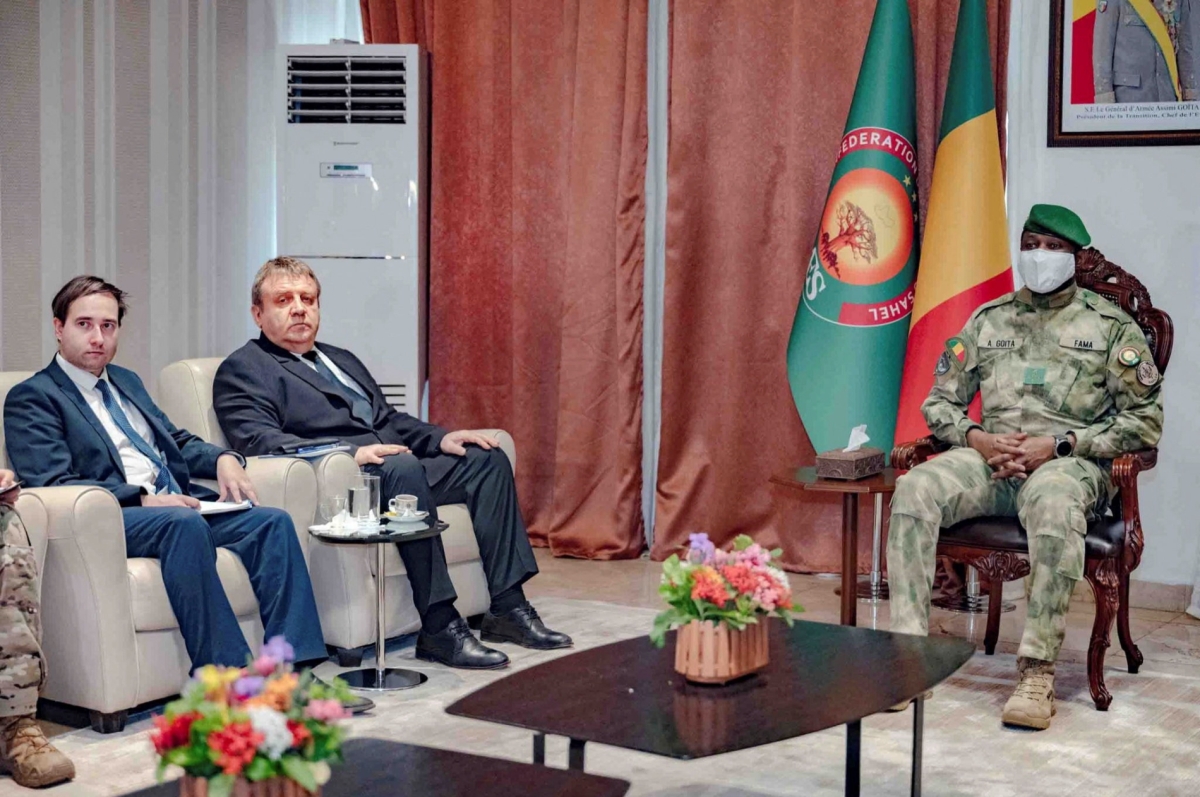
Camara was believed to have had growing disagreements with Malian President Assimi Goïta, himself a former military officer, but is widely considered to be the chief architect of Bamako’s military strategy. For instance, it was Camara that coordinated the Dougoukoloko offensive to regain control of regions that the government had effectively lost.
The Tuaregs recaptured their former unofficial capital, Kidal, which the government seized in 2023 with the support of Russian mercenaries from the Wagner Group. African Corps, with the support of the Russian Foreign Ministry, managed to leave Kidal under an agreement with the Tuaregs on 26 April, leaving some military equipment behind.
First-time collaboration
In this large-scale attack, the FLA and JNIM officially acknowledged their cooperation and coordination in military operations for the first time, having divvied up responsibilities. The offensive points to an intelligence failure on the part of the Malian army and the African Corps, who were shown to be unaware of their enemy’s plans, thereby allowing the enemy to amass sufficient reserves. It also highlighted huge gaps in the government’s defences.
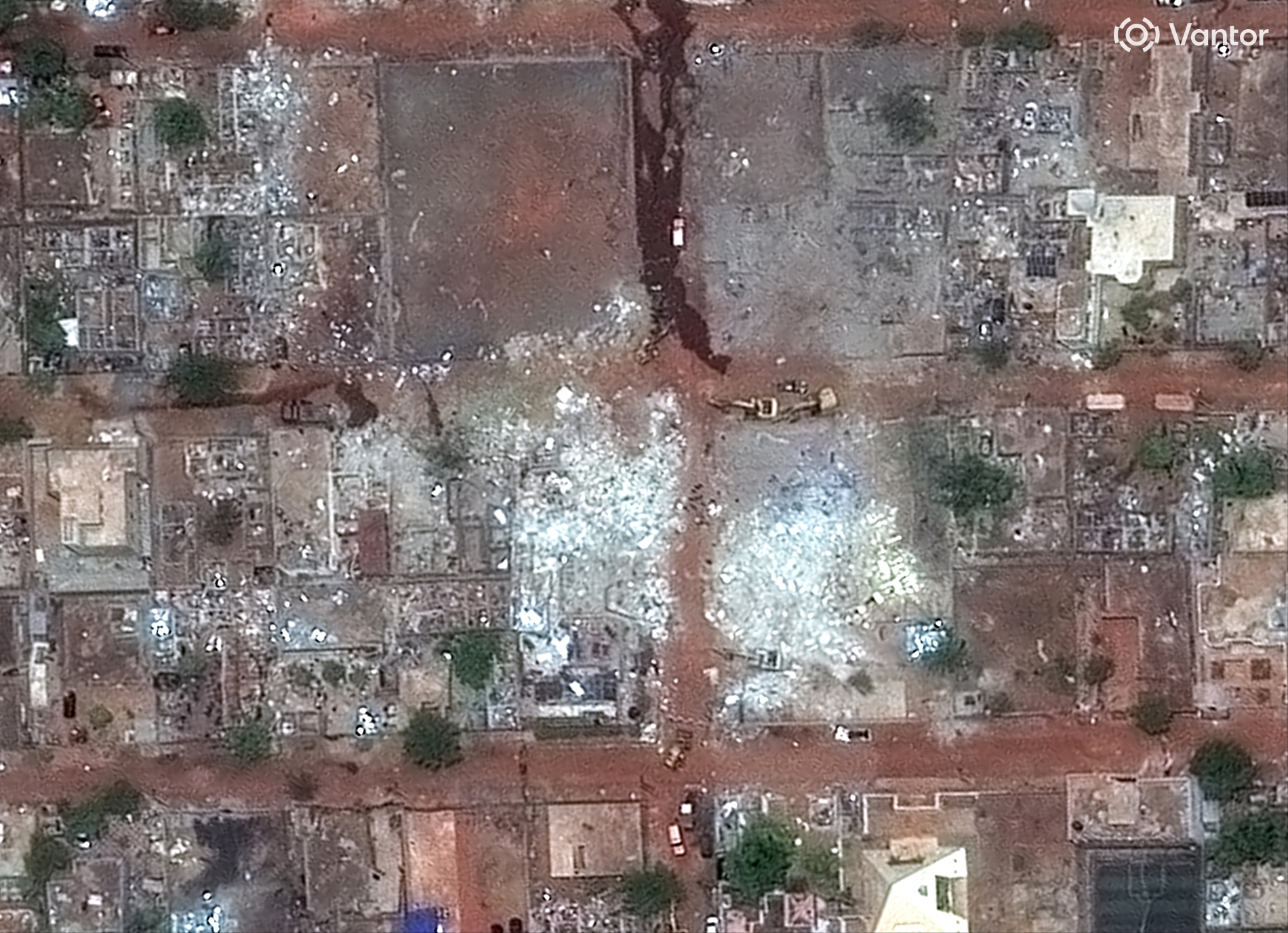
Equally significant is the symbolic damage. Video on social media shows columns of well-armed JNIM fighters entering the city of Kati unopposed. Kidal Governor Gen. El Hadji Ag Gamou and the pro-government Tuareg militia GATIA surrendered with virtually no resistance, the general leaving his uniform and passport behind as he fled. Ag Gamou was trusted by Bamako to keep a city it had fought hard to win, but Russian experts think he hindered many of the African Corps operations in Kidal and was likely aware of the FLA’s impending attempt at revenge.