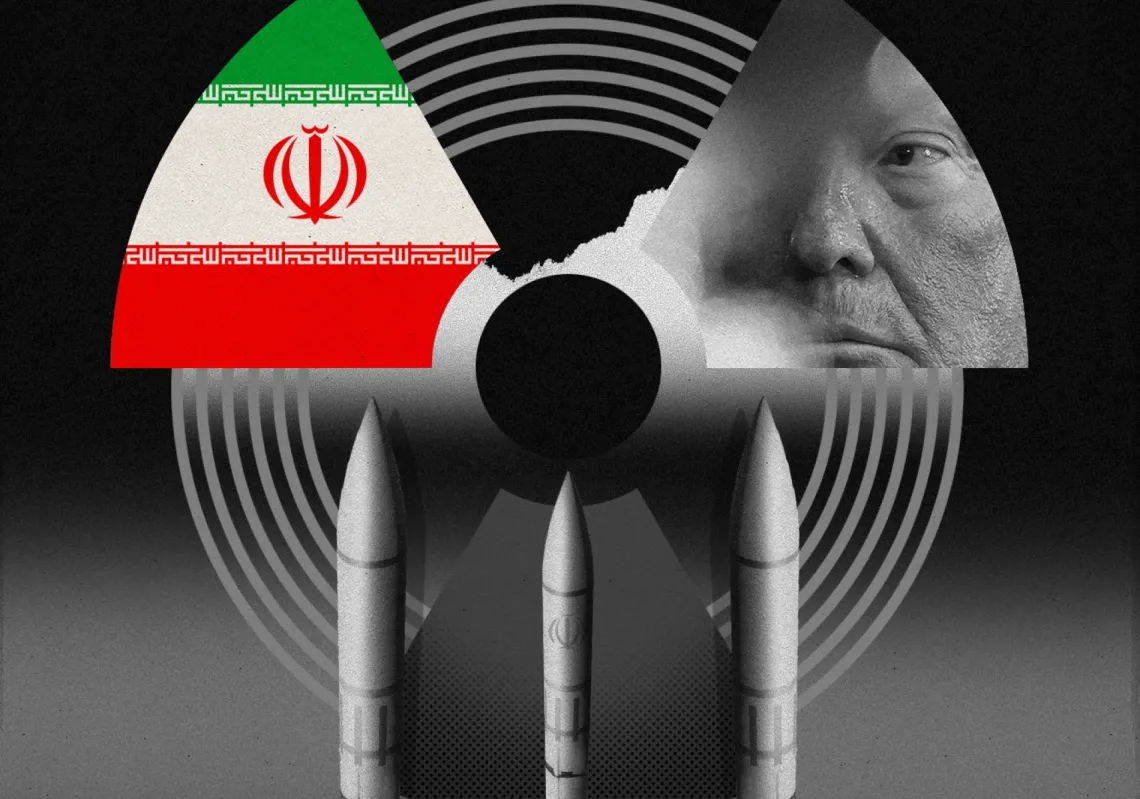

The effect of the US-Iran War on the world energy market has brought back memories of Russia’s invasion of Ukraine in 2022, when prices skyrocketed overnight. Back then, gas supplies were the focus, because Russia is the world’s biggest gas producer after the United States and had been meeting about 40% of Europe’s energy needs.
Although the continent has since weaned itself off Russian gas, it still accounted for 13% of European Union imports in 2025, at a value of $17.4bn, according to the Council of the European Union. As Russian President Vladimir Putin noted in recent days, although the US-Israeli war in Iran is driving oil and gas prices up, higher oil prices are also due in part to the restrictions placed on Russian oil exports.
The effective closure of the Strait of Hormuz is putting pressure on Europe and several Arab states, including Egypt, Kuwait, Jordan, and Bahrain, so the search for alternatives has become urgent. Roughly 20% of global crude supplies pass through the Strait of Hormuz, but at the time of writing, that oil cannot currently get through, because Iran has threatened to attack any ship making the journey.
Creating openings
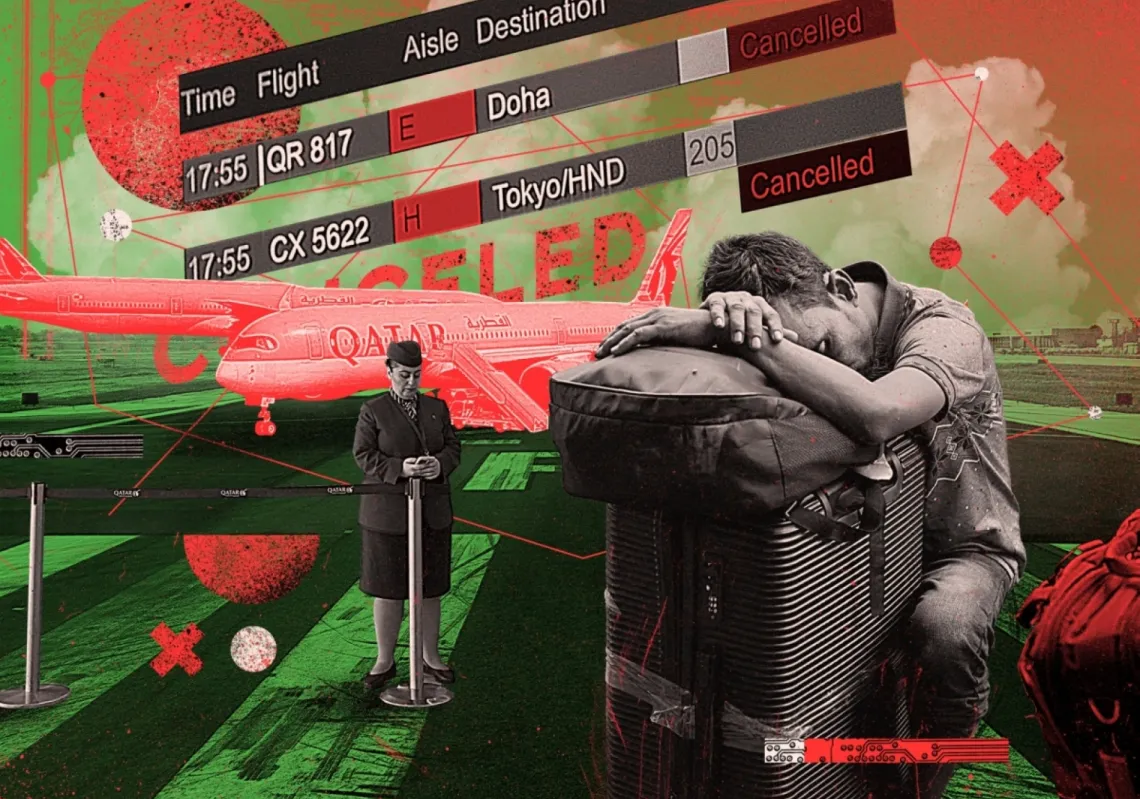
Iran always threatened regional consequences if it were attacked by the US and Israel, so when their bombing raids began, one of Tehran’s targets was Qatar’s gas facilities, which have now been shut down. Qatar is the world’s second biggest gas exporter, but QatarEnergy announced a ‘force majeure’ last week, suspending its liquefied natural gas (LNG) production and notifying clients that circumstances beyond its control were preventing it from meeting its contractual gas supply obligations after Iranian military strikes against facilities in Ras Laffan and Mesaieed.
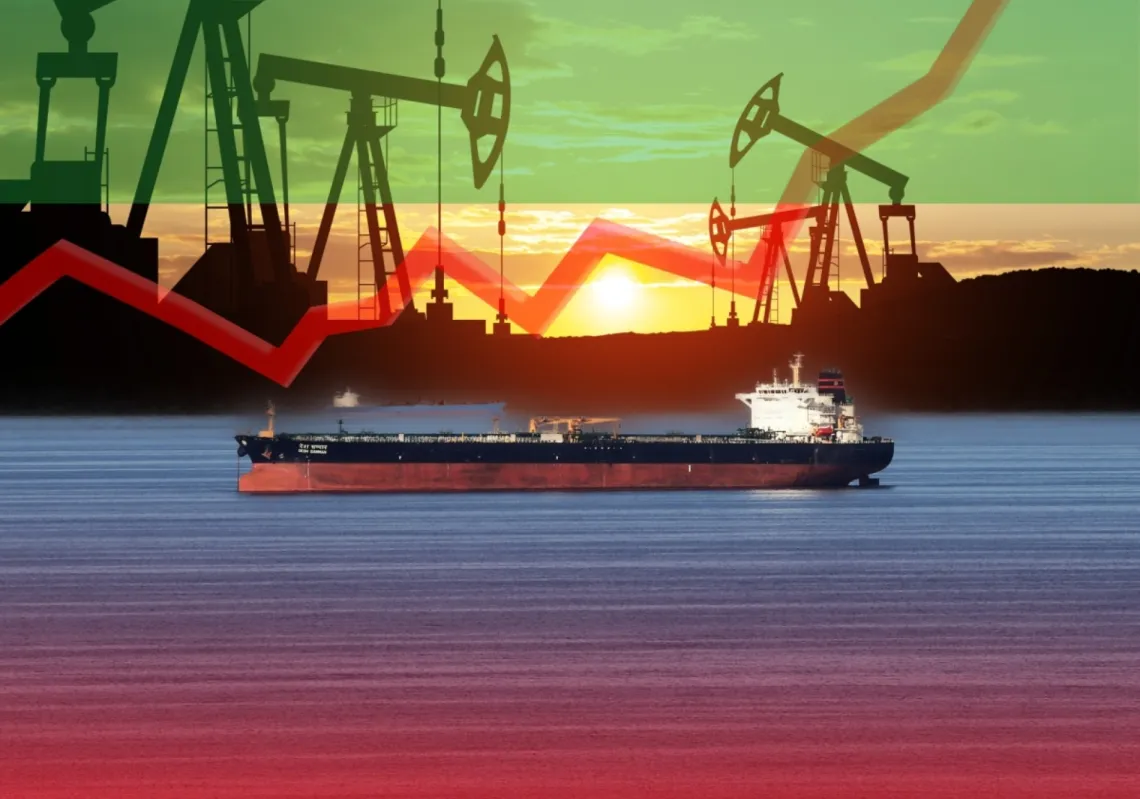
It sent a shudder through the markets. With warehouses full, gas prices in Europe surged by nearly 50% in a day. Qatar’s Energy Minister Saad Sherida al-Kaabi warned that the war could force Gulf states to halt production entirely, sending oil prices over $100 per barrel of crude on Monday, the most expensive it has been since 2022 (the prices dropped slightly on Tuesday). He added that the return of Qatar’s normal supplies could take weeks, even if the war were to end tomorrow.
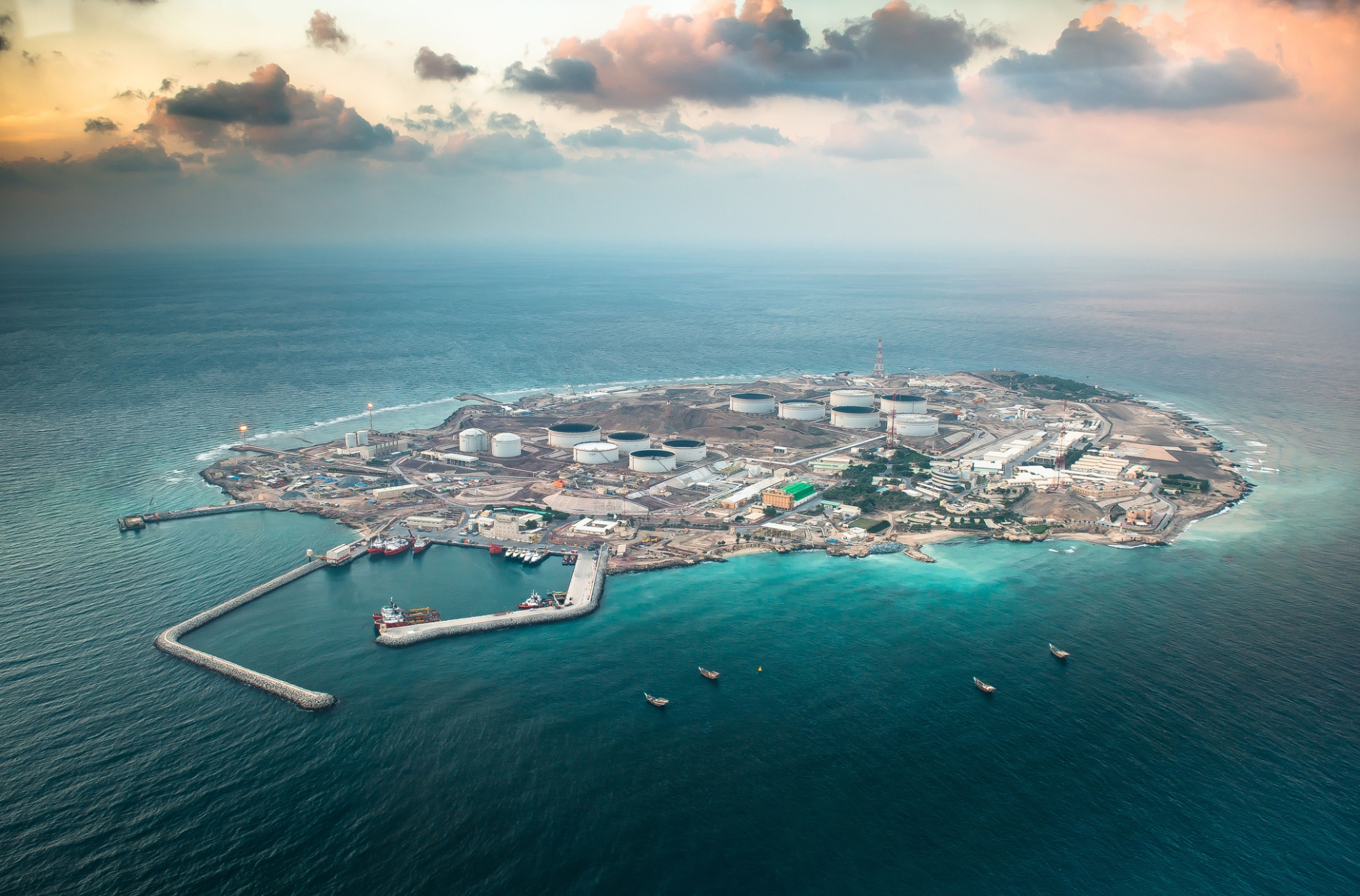
The situation in the Gulf has created openings for other states. LNG exporters in Australia, Russia, Malaysia and Nigeria are now likely to adjust delivery schedules and locations given the price rises in Asia and Europe. Algeria could also gain, although it continues to sell most of its natural gas under long‑term, multi-year supply contracts with European consumers, rather than on the spot market.
Infrastructure in place
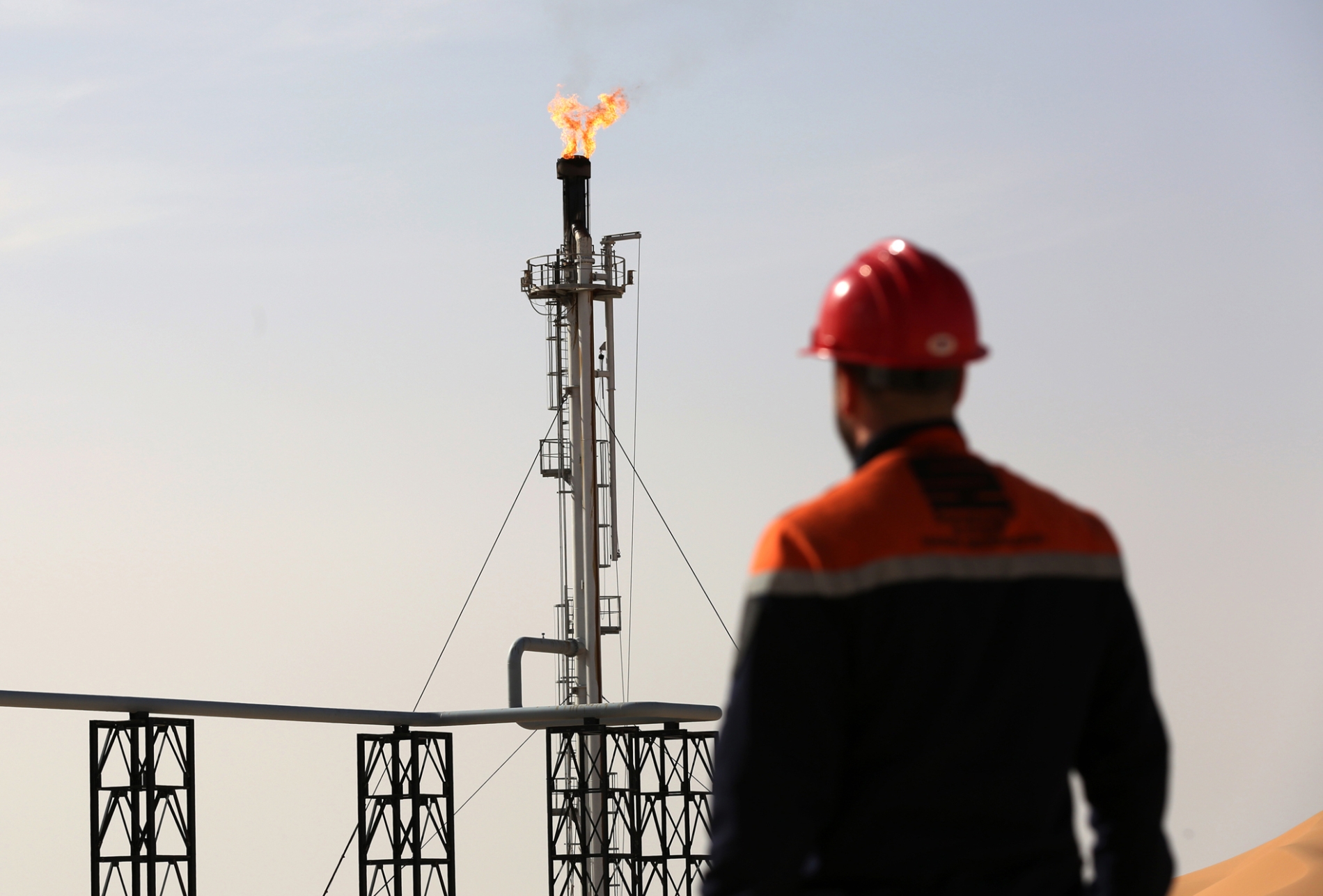
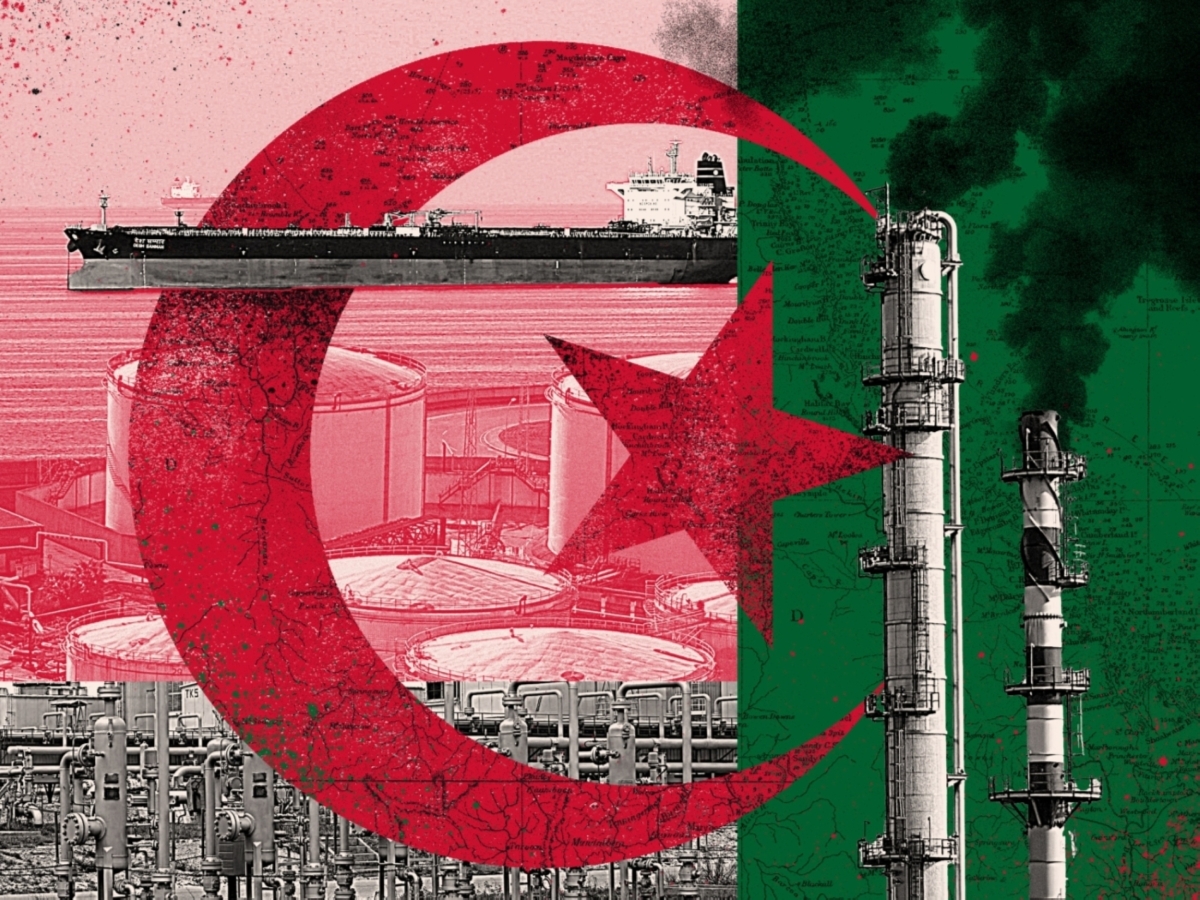
Algeria has become one of the world’s largest gas exporters, and the third-largest supplier to the European market. According to recent data, Algerian gas production was 101.84 billion cubic metres, down from 104.49 billion cubic metres in 2024. It is the biggest gas producer in Africa, with oil reserves of around 12.2 billion barrels and gas reserves reaching 4.5 trillion cubic metres.