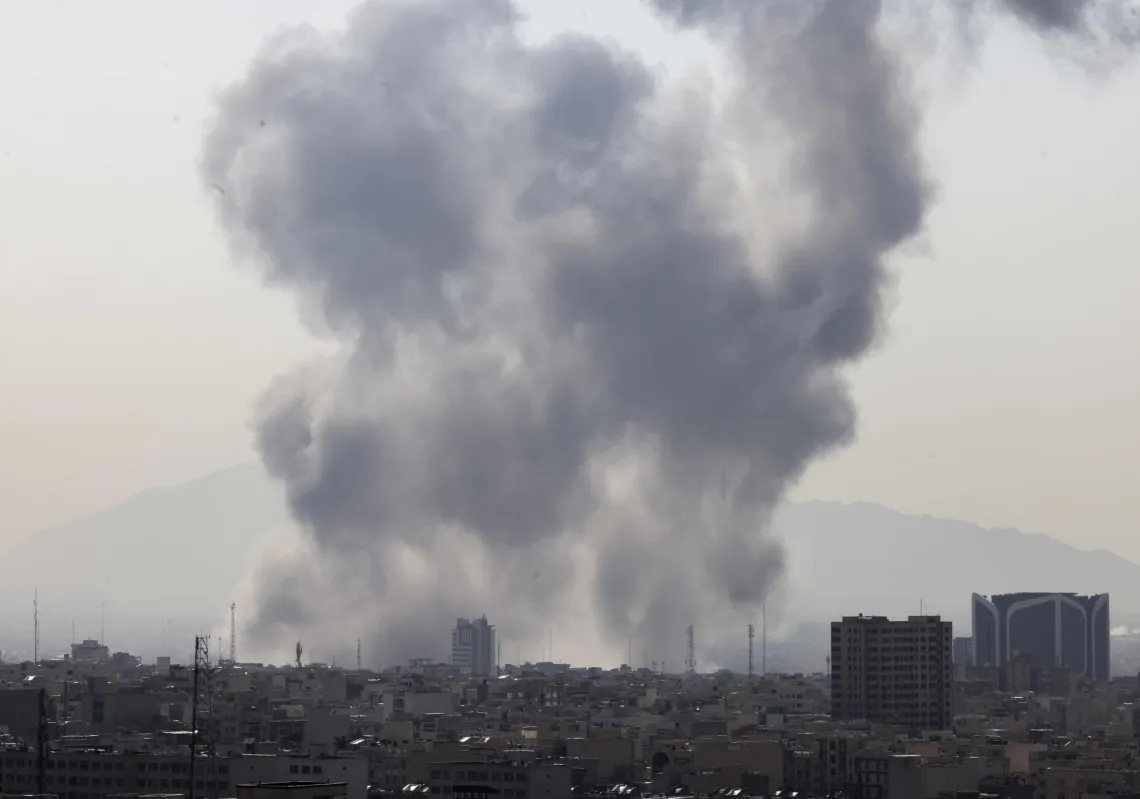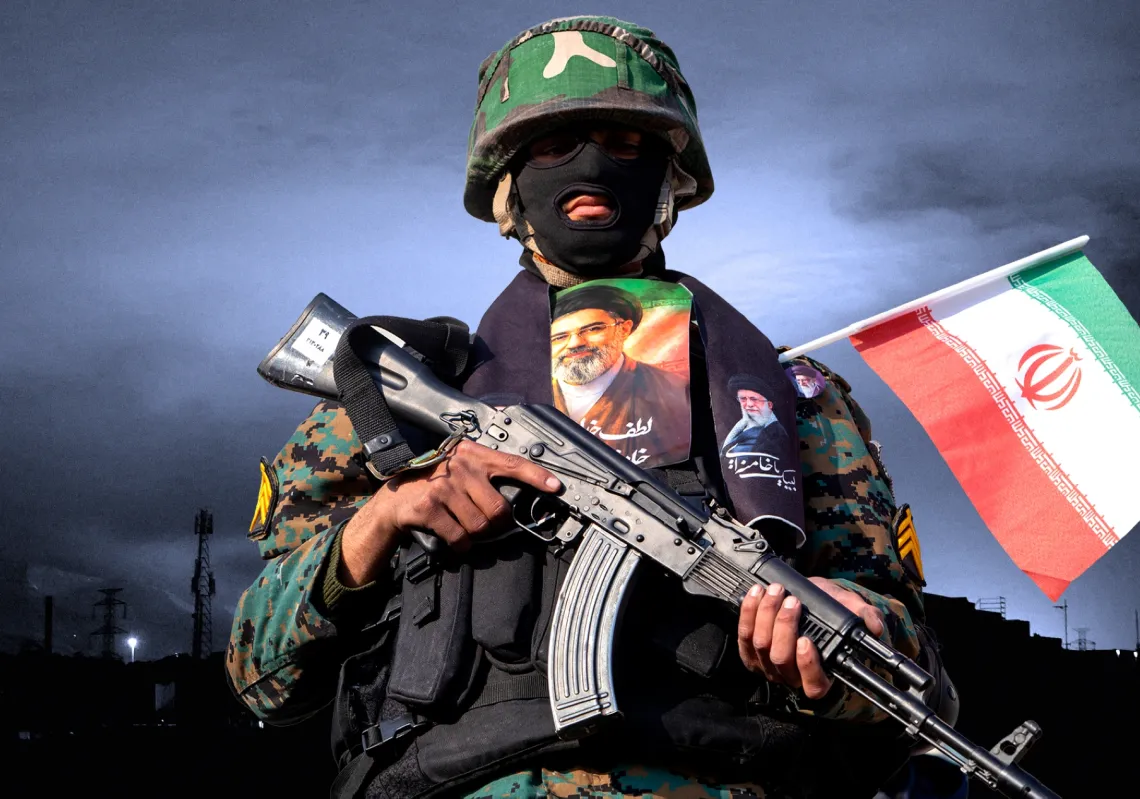
Last year's 12-day war with Iran was ostensibly aimed at its nuclear programme. This time, the regime is significantly weakened, presenting an opportunity Israel may feel it can't miss.
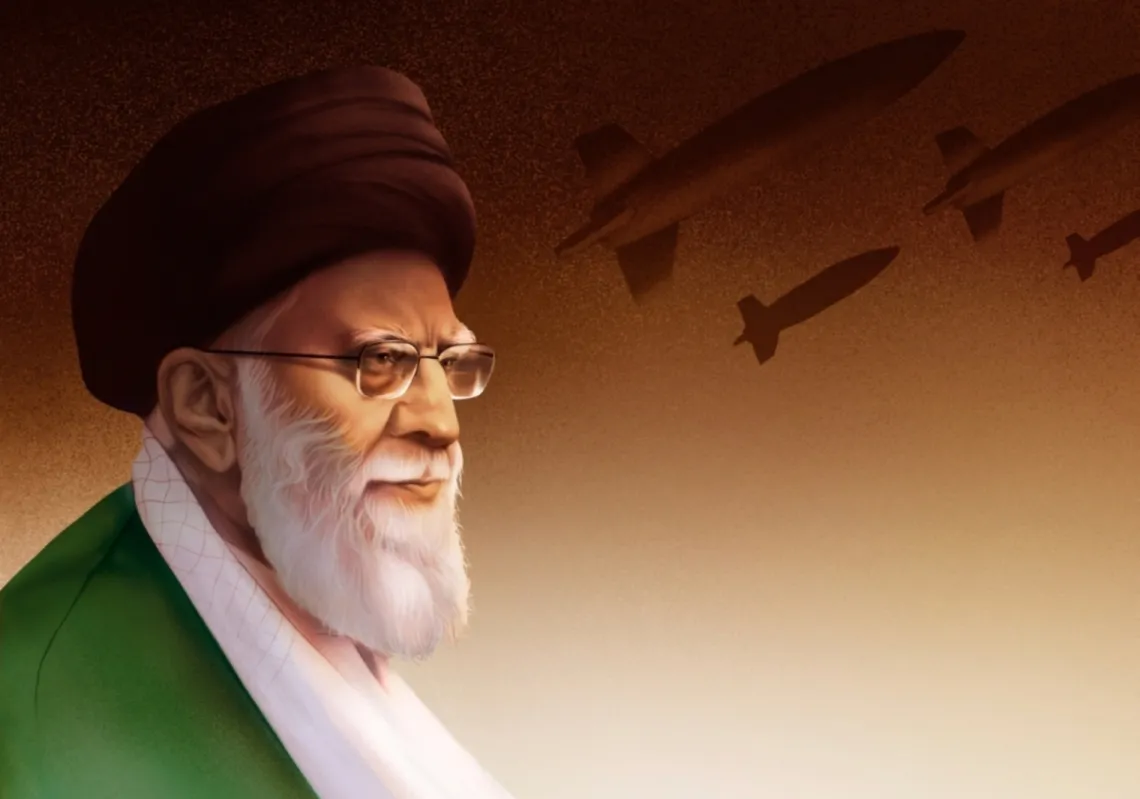
Khamenei has struck a defiant tone amid growing protests against his regime, but a series of regional setbacks, coupled with an emboldened Trump, could finally bring it down
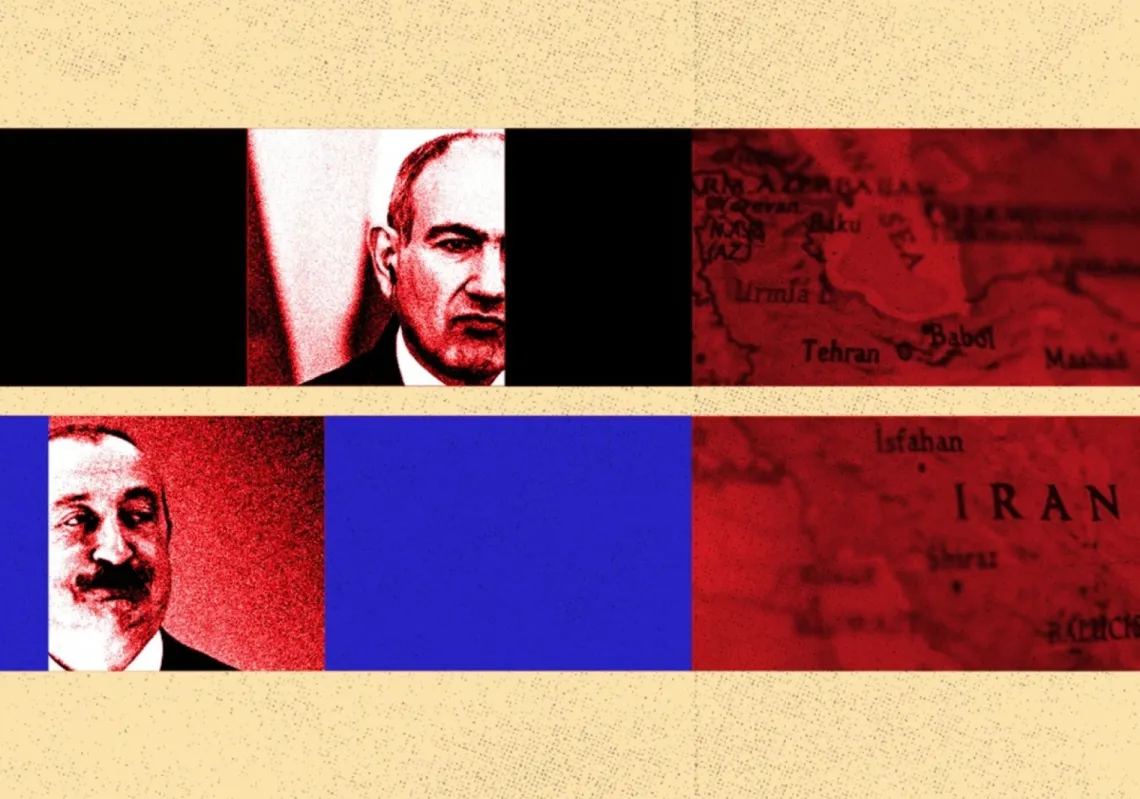
The Kremlin's economic indicators are causing unease, while smaller states in Russia's sphere of influence are eyeing opportunities to reduce their reliance on Moscow. What will the year ahead bring?
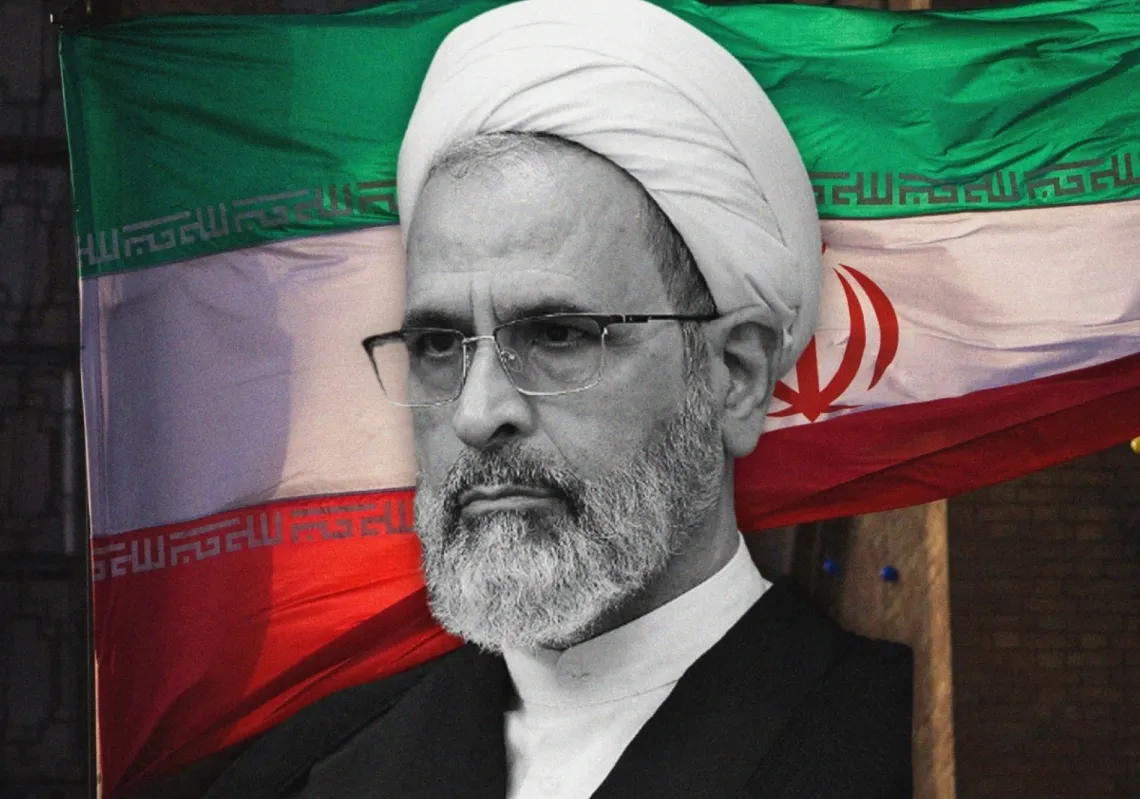
His possible appointment does not bode well for bridging the gap between Tehran and the West over a range of political issues—perhaps most crucially, Iran's nuclear programme
His recent appointment as a national security advisor adds to the trend of more pragmatic sections of the establishment—who advocate negotiating with the West—coming to the fore
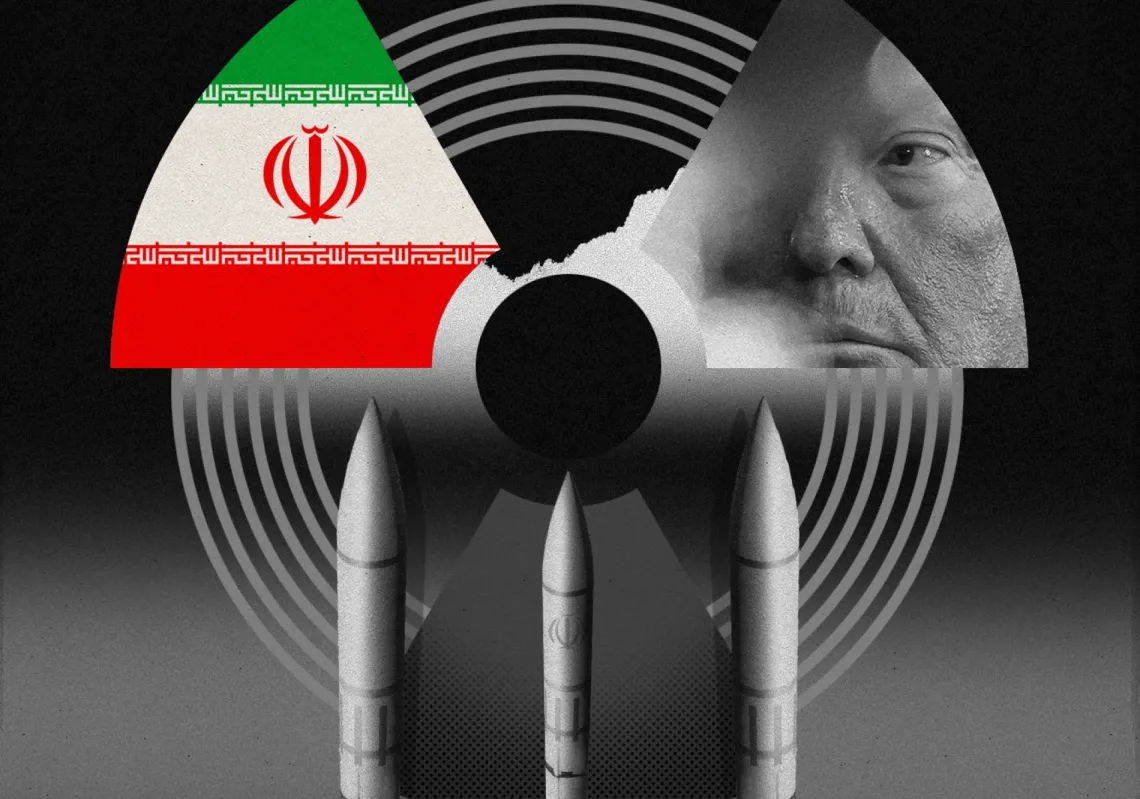
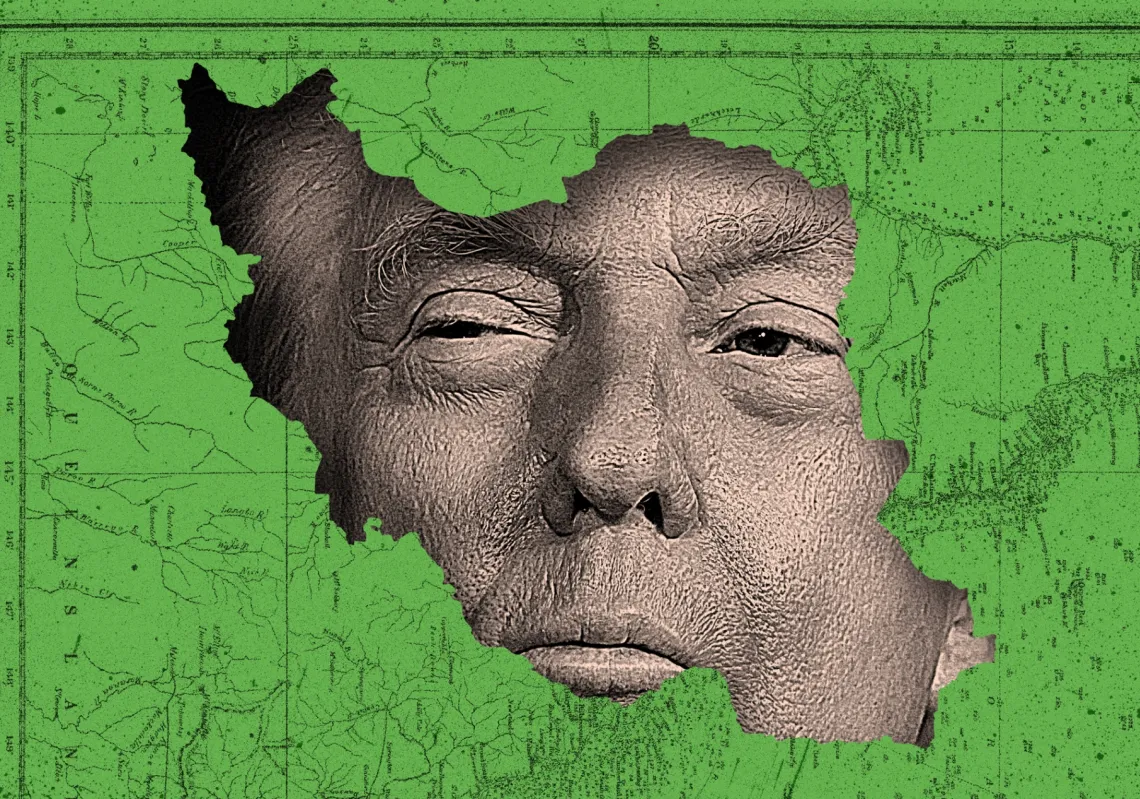
Military strategists have long warned that war should be waged only if those waging it know what they want to achieve. Herein lies a problem: Washington's war aims in Iran are incoherent.
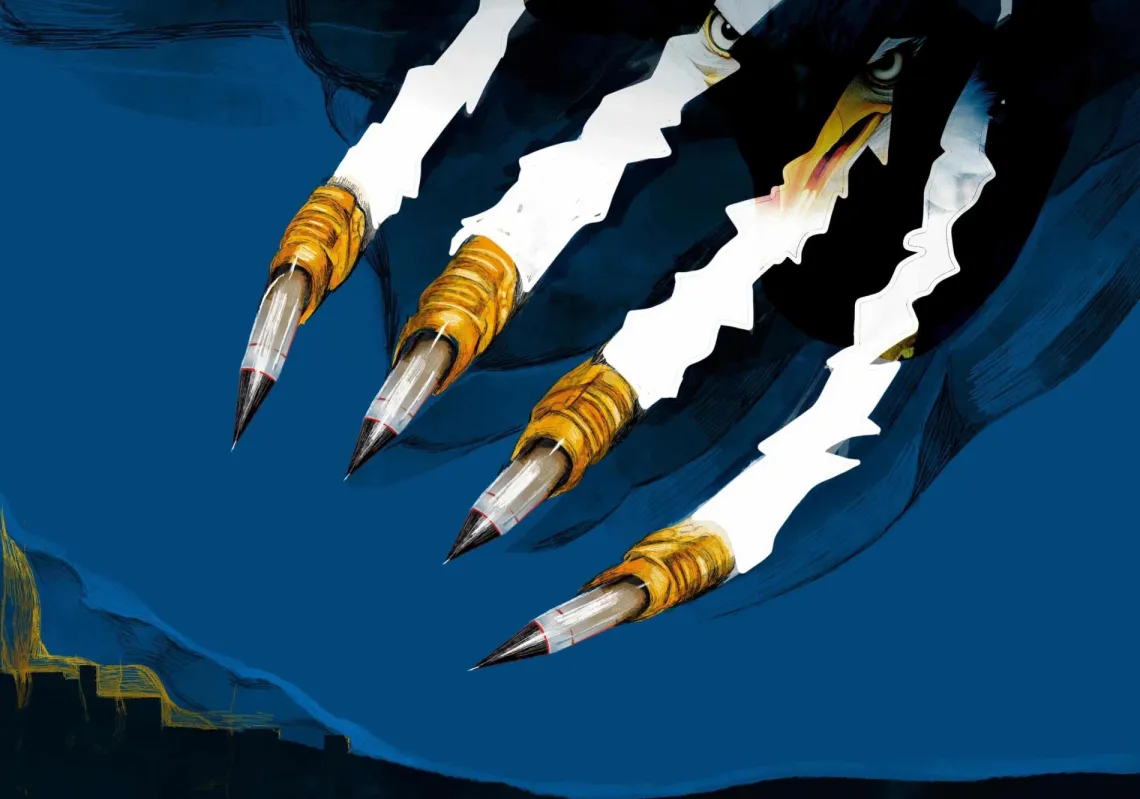
Tehran isn't likely to easily fold if/when Trump attacks. This means that the longer a military confrontation drags out, the more untenable Washington's position becomes.
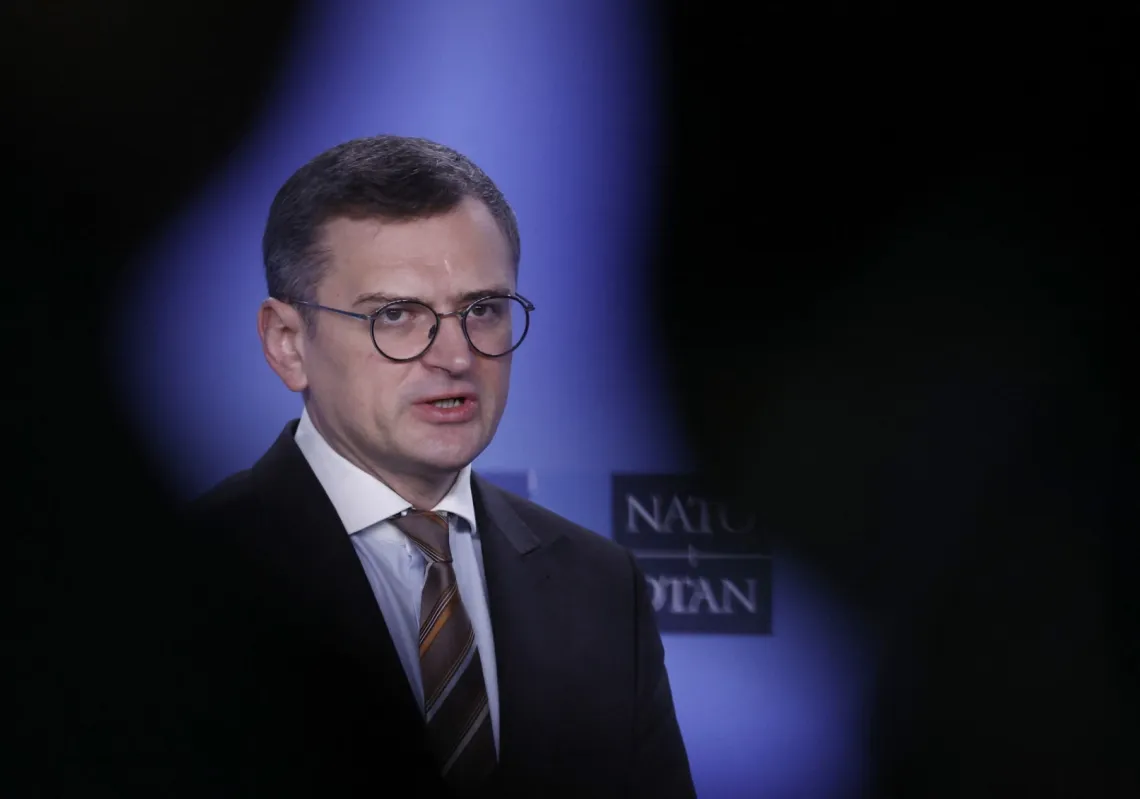
The conflict has forced Russia to scale back its global footprint and NATO to boost its defence spending. Meanwhile, China and Middle powers have emerged as key beneficiaries.
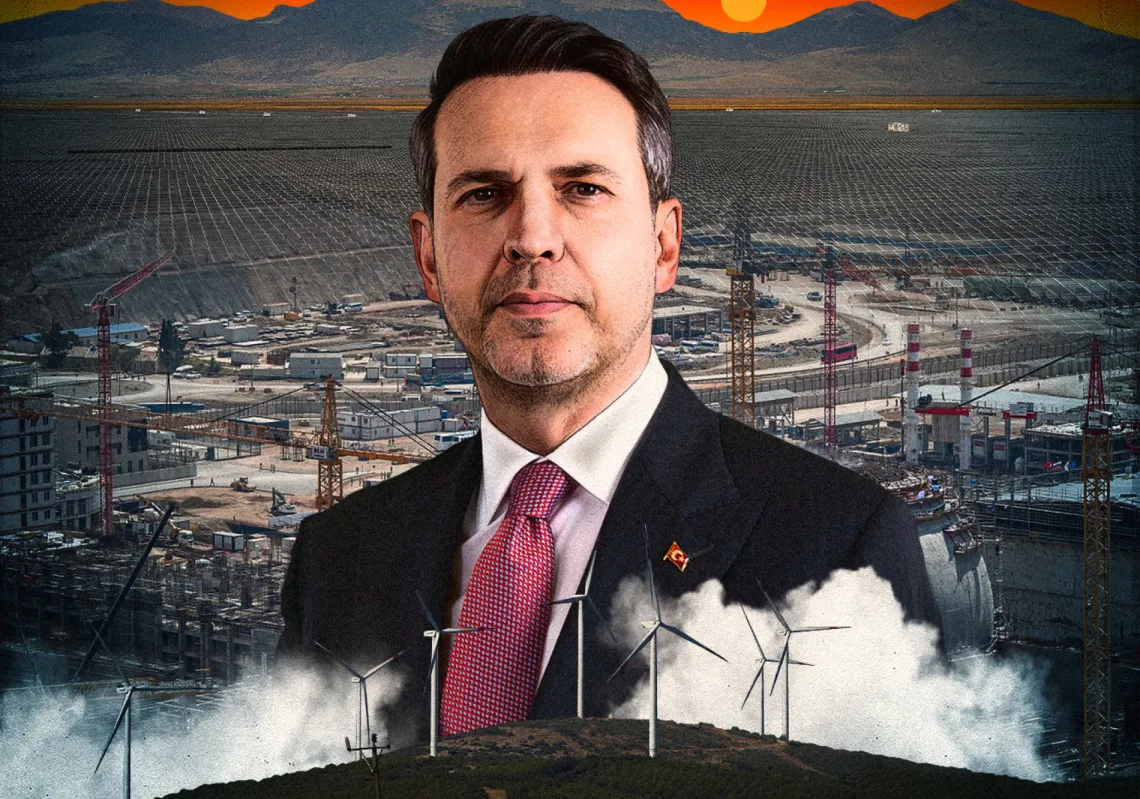
Natural resources like solar, wind, and water are set to provide 36% of global electricity production this year. Even for sceptics like Donald Trump, the trends are unmistakable.
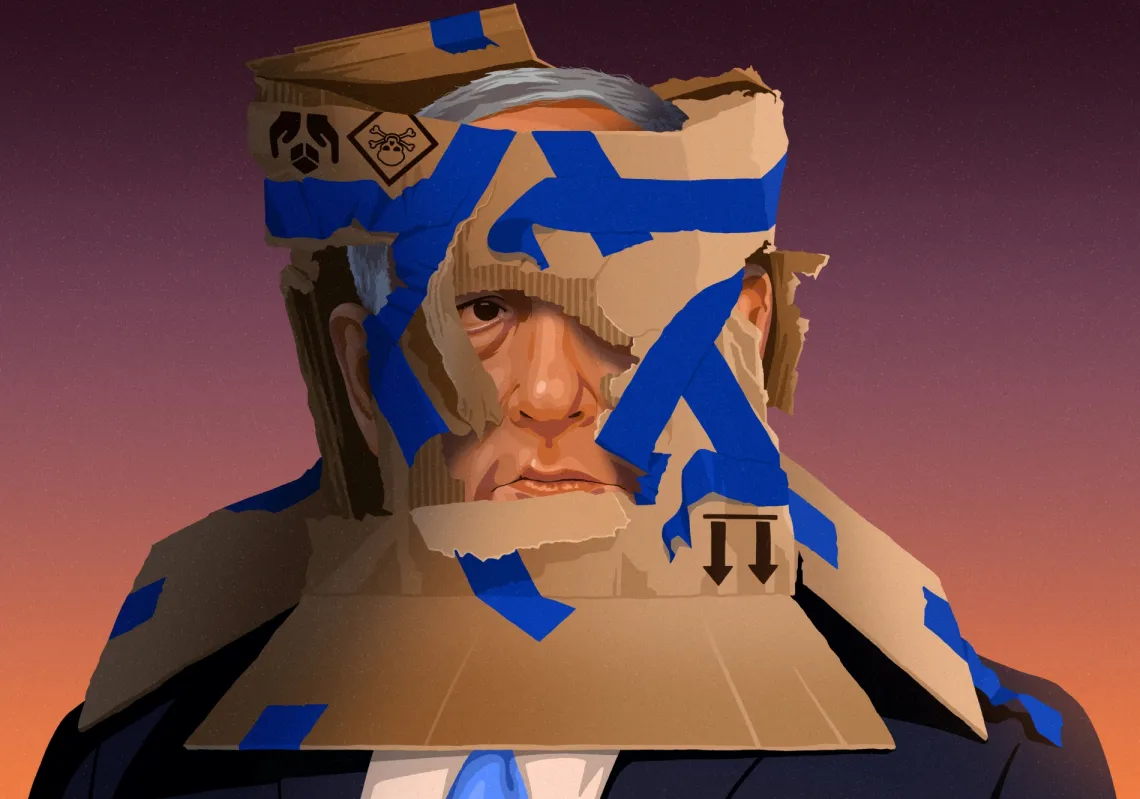
Some point to his possible links to Mossad through his associate Ghislaine Maxwell, whose father was a known Israeli spy, and assert that he blackmailed powerful figures to exert influence
Al Majalla - London
Sign up for the Weekly Newsletter
Get the best of Al Majalla, straight to your inbox.