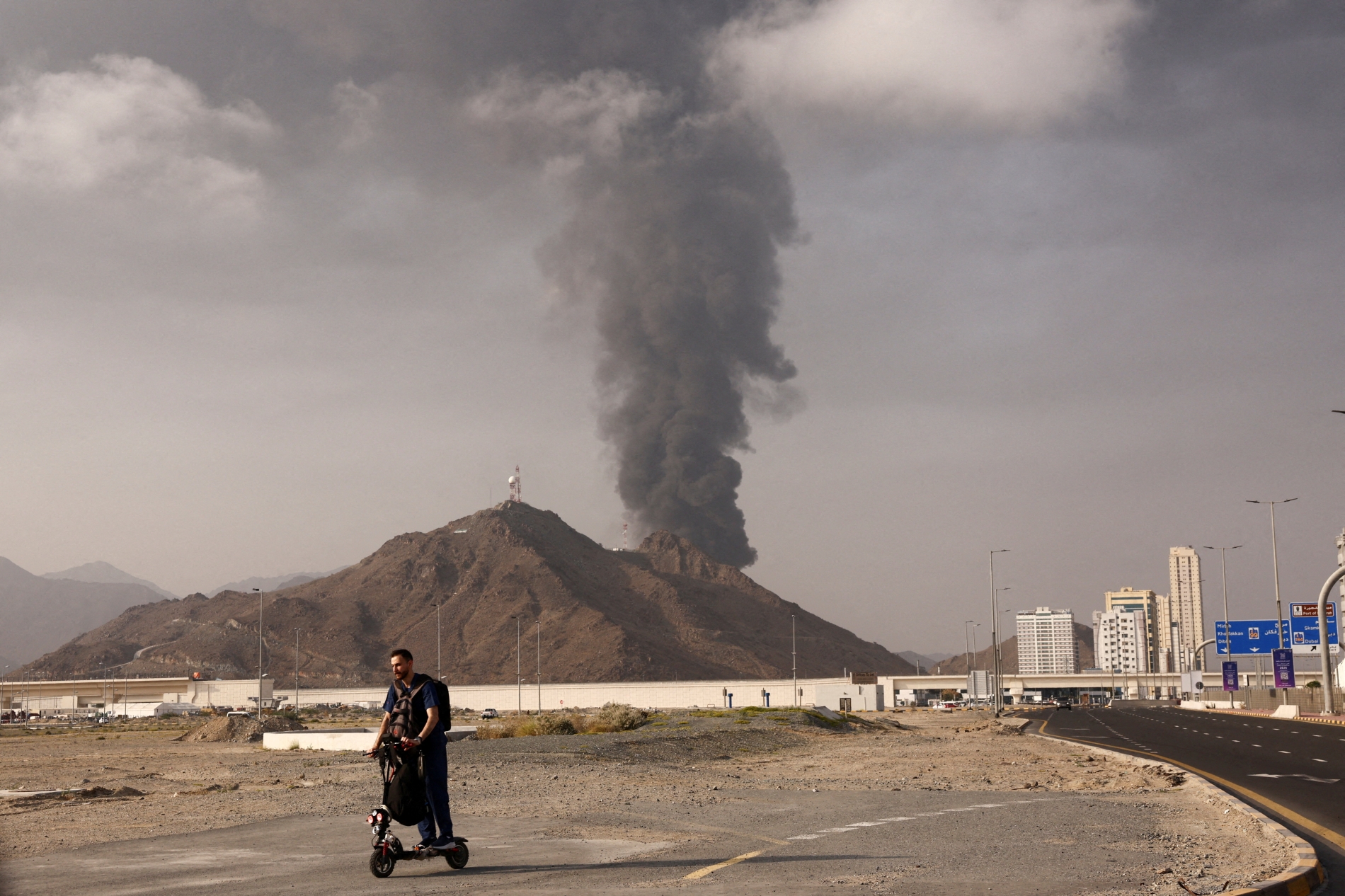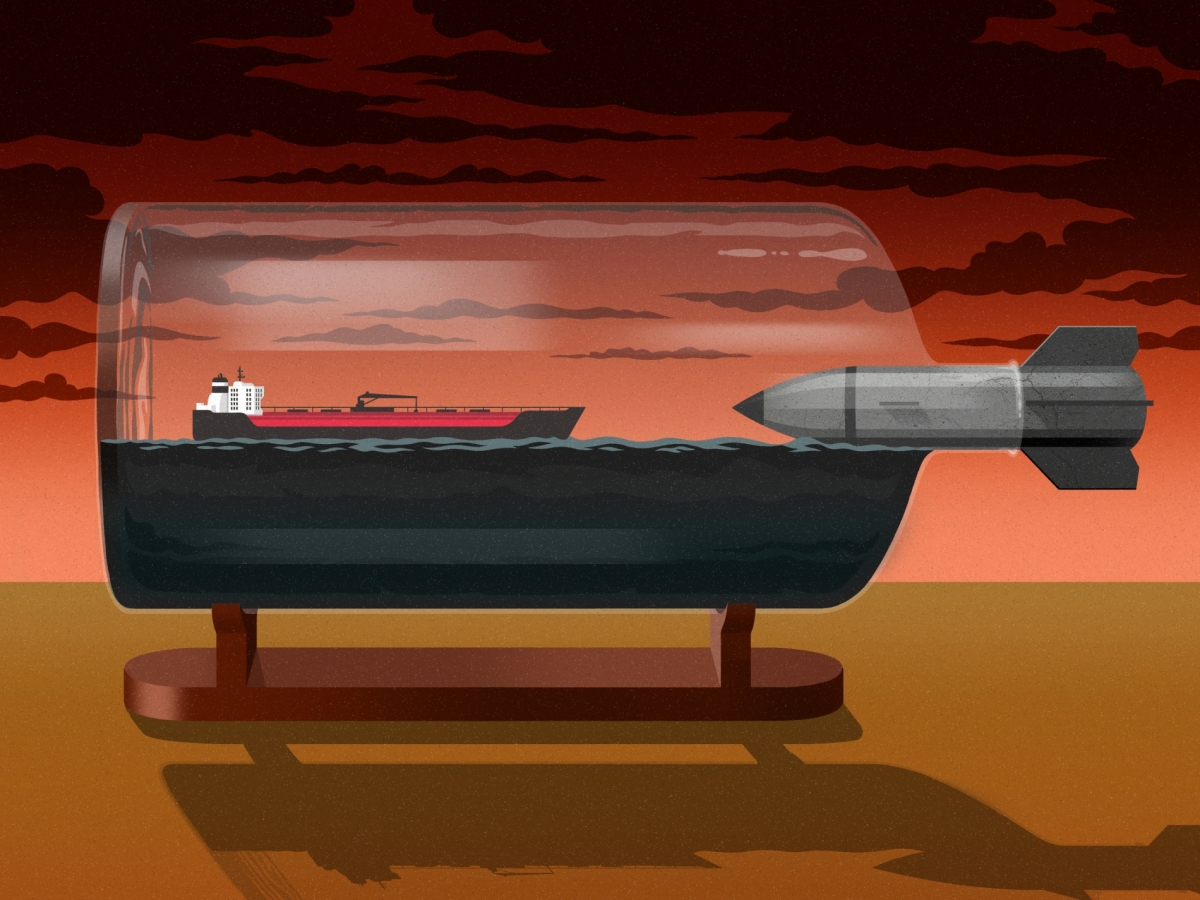

In the winter of 2022, Russia attacked Ukraine's power grid, plunging millions into blackouts in subzero temperatures. Fast forward to the winter of 2026, across the Gulf states, pipelines, refineries, desalination plants, and data infrastructure are being targeted by Iran in an attempt to impose economic and political pressure to halt the war.
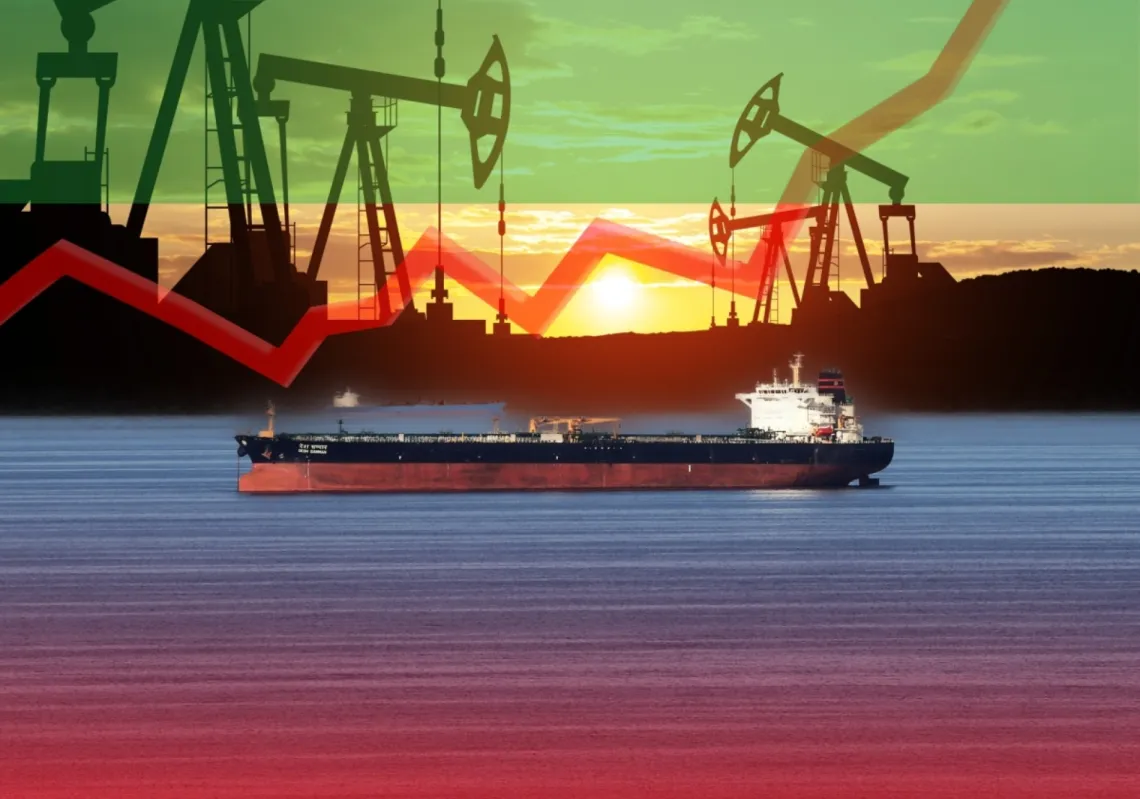
US Secretary of War Pete Hegseth said on Tuesday, 10 March, that the conflict in the Middle East is “contained”. In the military sense, the conflict may remain contained at this stage. Yet, oil prices have crossed $110, the flow of ships through the Strait of Hormuz is practically halted, and attacks on oil and gas facilities increase daily. Up to 30% of global oil and around 20% of liquified natural gas (LNG) exports flow through the Strait of Hormuz. With only a share of oil being redirected through pipelines, the world is witnessing a massive reduction in global oil supply.
While the conflict has not yet escalated into full military confrontation between states, Iran has pursued a deliberate strategy of targeting high-value, low-risk assets with energy infrastructure foremost among them.
In a statement on 12 March, Ali Larijani, secretary of Iran’s Supreme National Security Council (who has since been assassinated), threatened that the entire region would be plunged into darkness if the US attacks Iranian power generation, escalating the stakes from “attacks on facilities” to “targeting of power systems.”
As geopolitical tensions intensify and attacks on energy infrastructure expand, building energy systems' resilience will become one of the defining security challenges of the coming decade.
The Gulf boasts one of the world's most concentrated clusters of energy infrastructure. Cumulatively, Saudi Arabia, the United Arab Emirates (UAE), Kuwait, Iraq, and Qatar produce more than 20 million barrels of crude oil per day, most of which transits through the Strait of Hormuz. Following the escalation, Saudi Arabia, the UAE, Kuwait, and Iraq have cut oil production by a cumulative 6.7 million barrels per day, equivalent to 6% of the global oil supply.
Qatar is the world’s largest LNG exporter. Around 93% of Qatar’s LNG exports and 96% of the UAE’s shipments pass through the Hormuz Strait. Moreover, the GCC accounts for over 40% of global desalination capacity, which is energy-intensive, with countries such as Kuwait and Oman relying on desalination for more than 85% of their drinking water supply. This concentration of oil, gas, water and power infrastructure means that disruption in a limited number of facilities can have immediate global consequences.
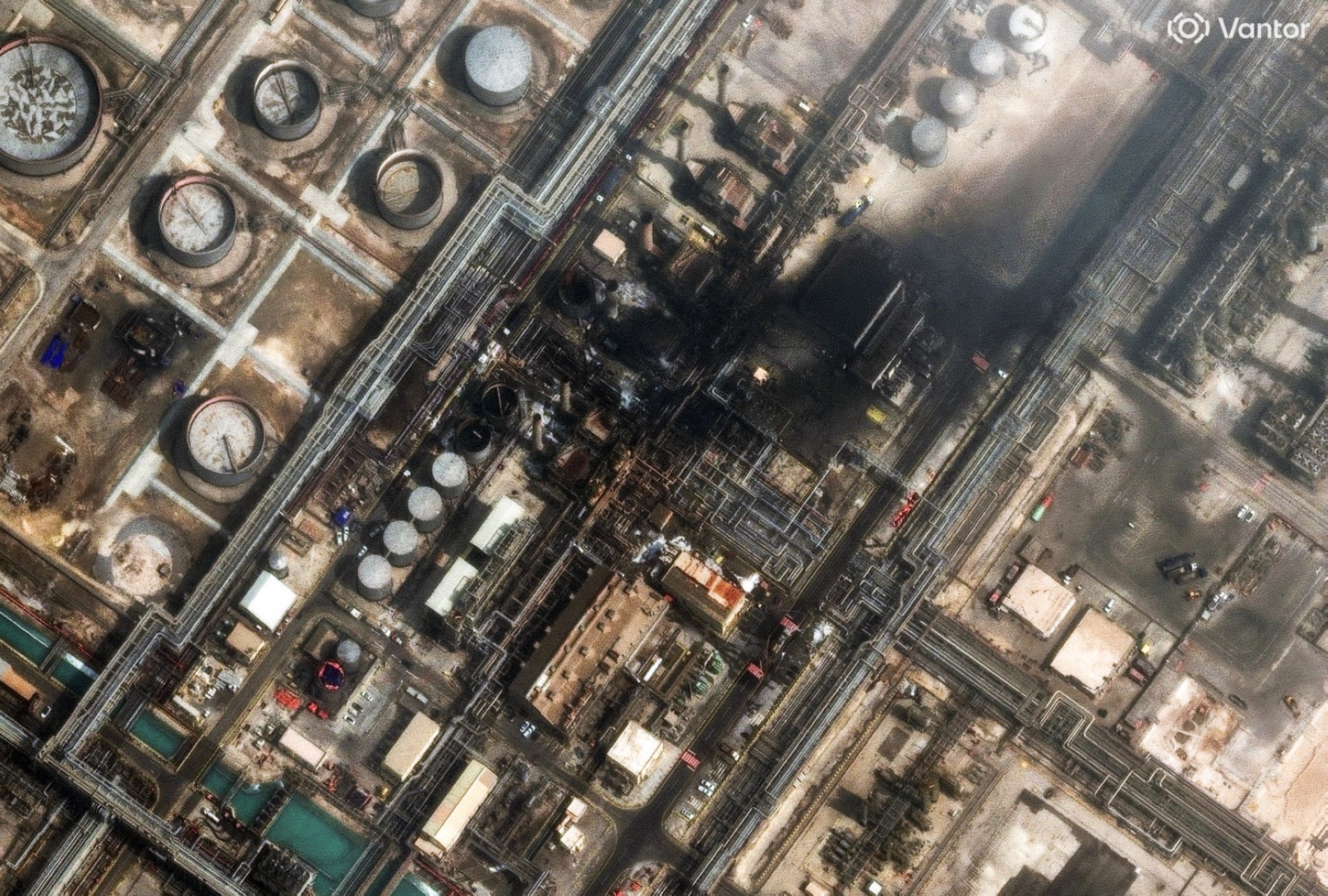
Drone strikes have become Iran’s weapon of choice in this conflict. Targets have included Kuwait’s oil fields, Saudi Arabia’s Ras Tanura refinery, Qatar’s Ras Laffan LNG complex, and the UAE’s Ruwais refinery, each causing temporary shutdowns. These attacks highlight the vulnerability of energy facilities and the broader infrastructure network that connects Gulf energy supplies to global markets.
Global energy chokepoint
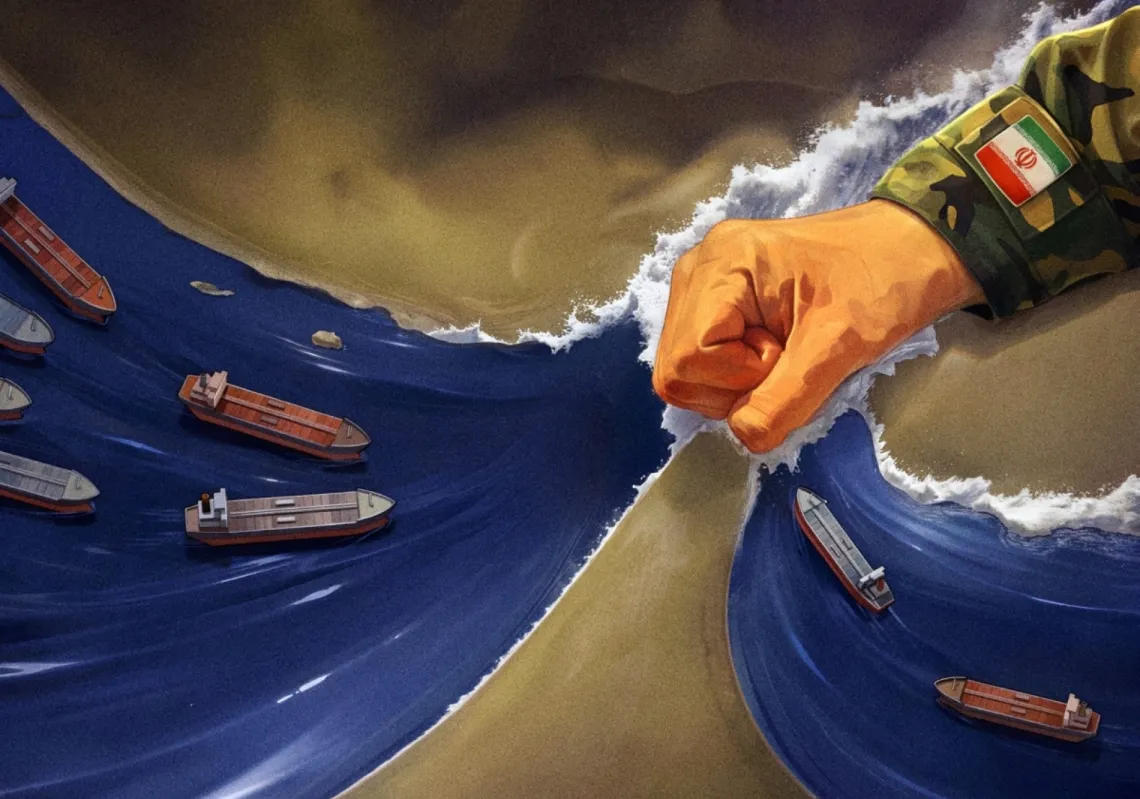
The Strait of Hormuz carries significant commodities and has limited viable alternatives, making it a vital energy and supply chain risk multiplier. It is the primary export corridor for the oil shipments of Saudi Arabia, the UAE, Kuwait, and Qatar, and the only maritime passage for Iraqi and Iranian crude. Around 75% of the oil typically flowing through the passage comes from three countries: Saudi Arabia, Iraq, and the UAE.
Roughly one-third of the Strait’s oil flows to China, and Beijing has been building a reserve capacity of 1.5 billion barrels to mitigate the impact of any disruption. Major economies in Asia and Europe depend heavily on this passage for their energy needs. Some European countries can switch to other suppliers. Yet Asian economies have lower access to suppliers with longer shipping times and will be hit the hardest.
Read more: There are few good alternatives to the Hormuz Strait
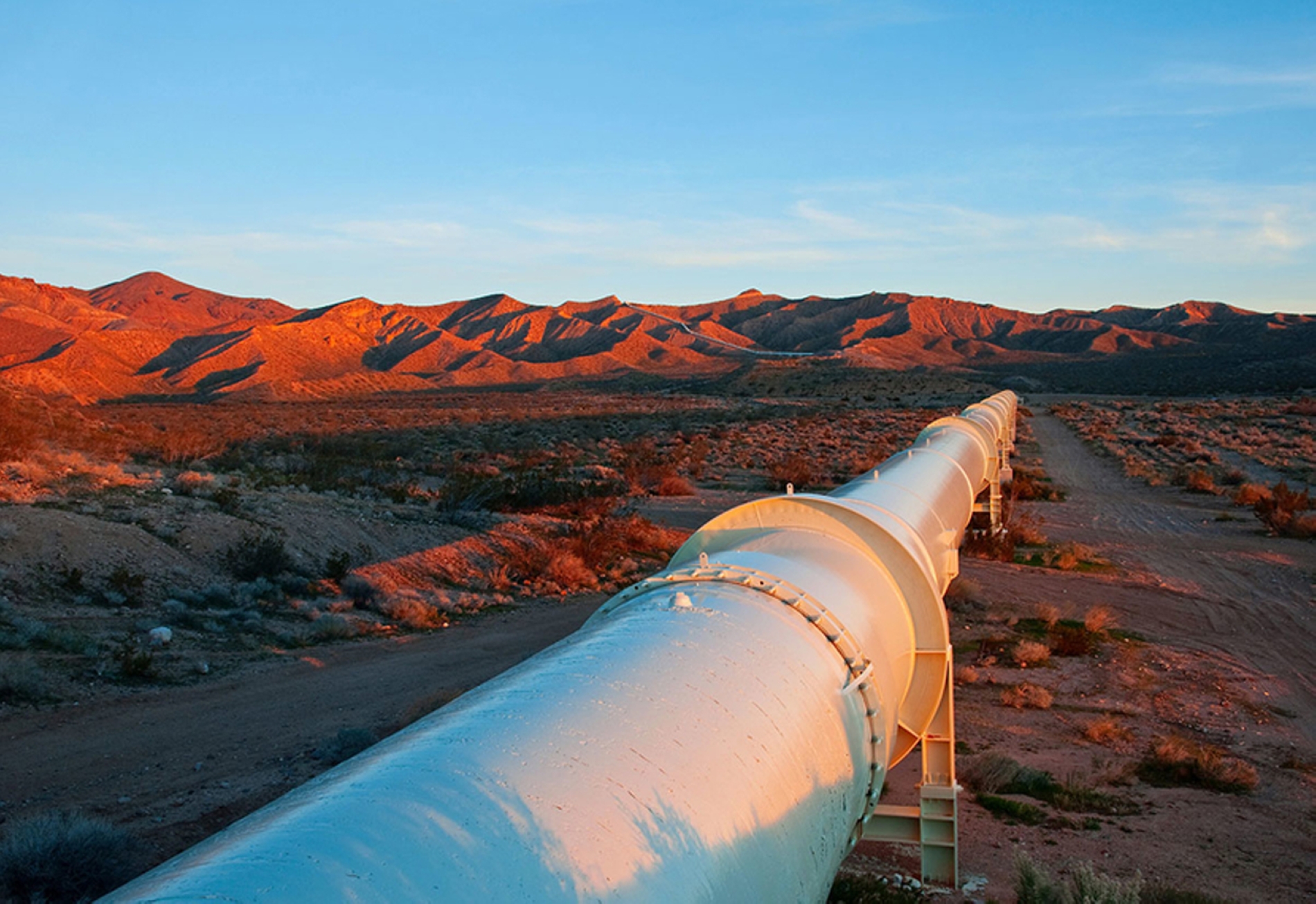
Two alternative routes exist that bypass Hormuz and partially offset the blockage: Saudi Arabia’s East-West pipeline, which transports crude to the Red Sea port of Yanbu, and the UAE’s Abu Dhabi Crude Oil Pipeline, which connects Habshan to the port of Fujairah outside the Strait. Together, however, these pipelines can redirect only about 7 million barrels per day, one-third of the volume that typically transits Hormuz.
Meanwhile, Iraq is discussing an agreement with Kurdistan to restart Iraqi oil exports through a pipeline from Kirkuk to Türkiye’s port of Ceyhan. For Iran, no significant alternative export route exists, making the Strait an indispensable outlet for its oil exports.
Overall, disruption to this passage has removed 20 million barrels per day from the global market. The Strait of Hormuz is also a key transit route for other critical commodities, including fertilisers, aluminium, and helium. Gulf states play a key role in global fertiliser markets, producing around 30% of global ammonia and 49% of global urea output, with the bulk of these exports transported by sea through the Strait of Hormuz.
Meanwhile, helium, produced as a byproduct of natural gas processing, is a critical component of semiconductor manufacturing and has no viable substitutes. Approximately one-third of global helium production takes place in Qatar. Disruptions to shipments through Hormuz, therefore, extend beyond oil and gas markets, creating supply shocks for several industries and contributing to spikes in commodity prices.
The Strait of Hormuz sits at the core of the global energy system and supply chains. Even limited disruptions rapidly translate into higher prices, tighter supply, and ripple effects across global trade. This chokepoint risk is exacerbated by another feature of global energy markets: the heavy concentration of processing and export infrastructure in a limited number of facilities.
Gulf oil hubs
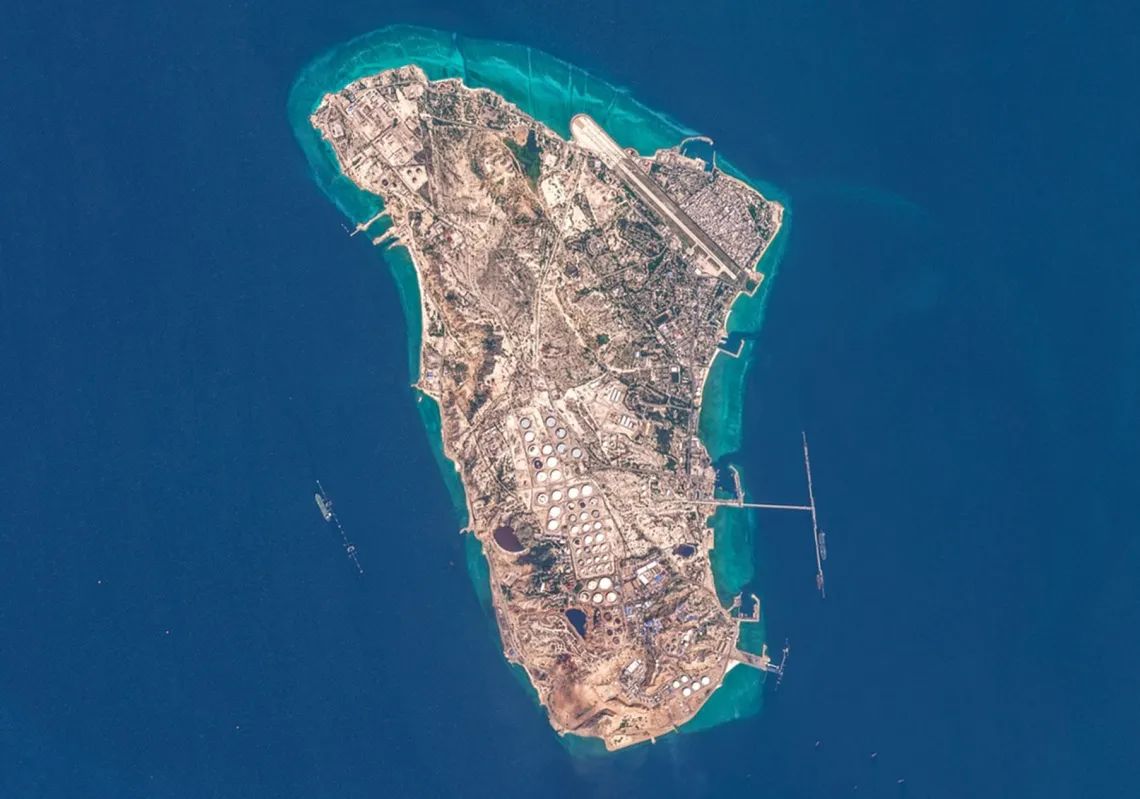
Oil markets rely on a limited number of facilities in highly concentrated infrastructure hubs. Saudi Arabia’s Abqaiq facility—the world’s largest single facility crude oil stabilisation plant—processes approximately 7% of global oil supply, while the Ras Tanura terminal ranks among the largest oil export facilities in the world.
In the UAE, the Ruwais refinery and export complex handles a substantial share of the country’s downstream production. In Qatar, the Ras Laffan complex is the world’s largest LNG export facility, providing long-term gas supply contracts across Asia and Europe.
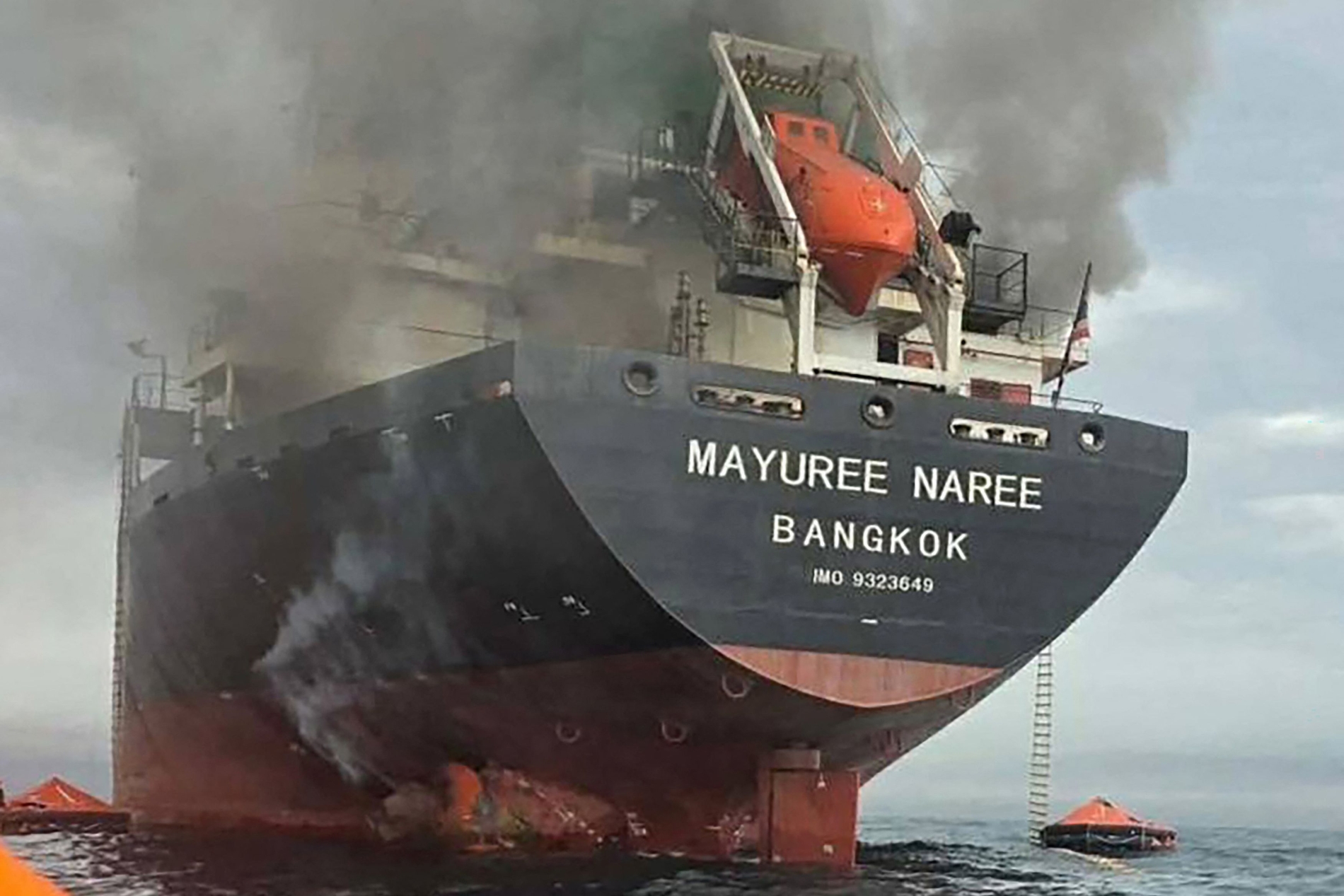
Today, these critical facilities face multiple, sustained, and simultaneous threats. Iran’s campaign on the Gulf’s energy infrastructure is placing some of the world’s most significant energy hubs under pressure. As a result, the world is facing its largest ever oil supply disruption.
LNG markets introduce an additional layer of vulnerability. Unlike oil supply chains, LNG supply chains are highly inflexible. The mechanism from production to the end user, via liquefaction terminals, specialised LNG carriers, and regasification infrastructure, is highly integrated with limited redundancy. Since Qatar ships the bulk of its volumes through the Strait of Hormuz, any sustained disruption to the Ras Laffan complex, or Hormuz more broadly, translates into a negative impact across gas markets in Asia and Europe.
This is taking place in a world that is increasingly reliant on LNG. The share of LNG in global natural gas consumption has increased from 10% in 2010 to 15% in 2024. LNG’s primary use is power generation, as it is considered the cleanest fossil fuel. Europe has increased its dependence on LNG following the shift away from coal and the restructuring of European gas supply after 2022. Poland and Italy are among the most exposed to Qatar’s LNG, with the latter accounting for 17% of Poland’s imports and 30% of Italy’s.
Attacks on energy infrastructure can impose economic costs running into billions of dollars. Yet the wider economic damage extends beyond the commodity supply disruption: insurance premiums have risen sharply, and vessels rerouting through alternative shipping routes face significantly longer transit times and higher freight costs.
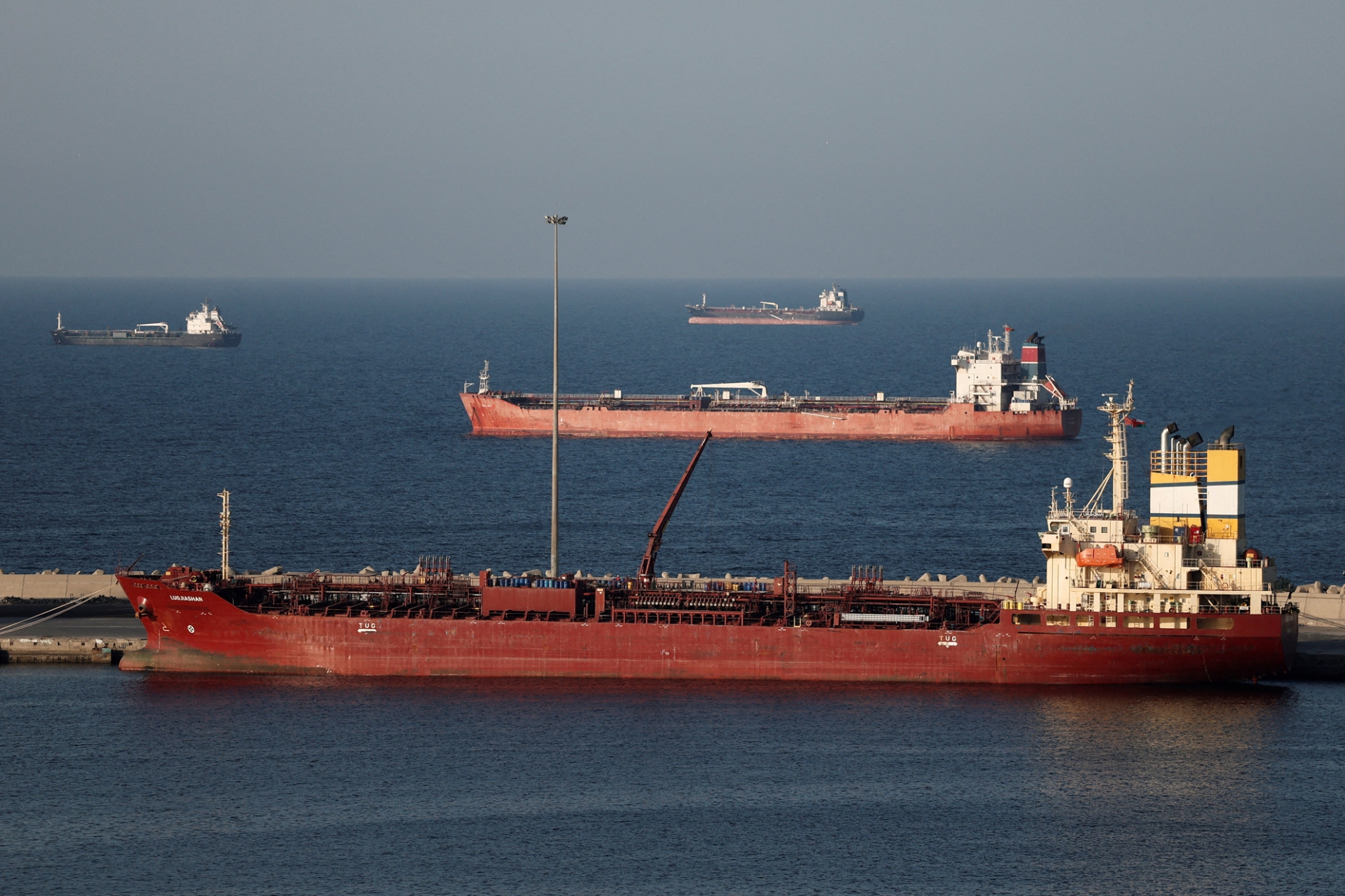
Commodity market volatility, supply uncertainty, and deteriorating investor confidence exacerbate these effects. The economic shock from sustained infrastructure attacks can therefore significantly exceed the cost of facility damage.
The conflict also highlights the limits of traditional policy response tools. As oil markets tightened, the International Energy Agency announced on 11 March that member nations would release 400 million barrels from strategic reserves, the largest release in history. While strategic stockpiles can provide temporary relief during supply disruptions, their effectiveness is limited when disruptions stem from structural risks, like the current military escalation.