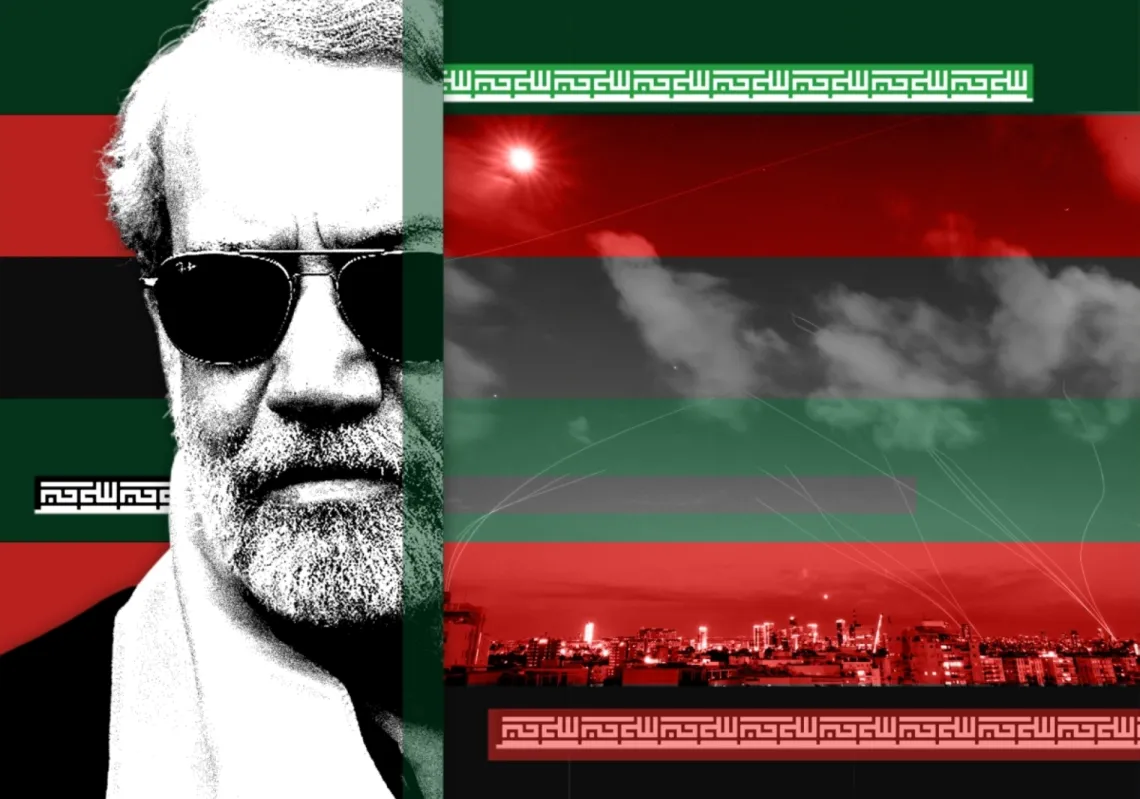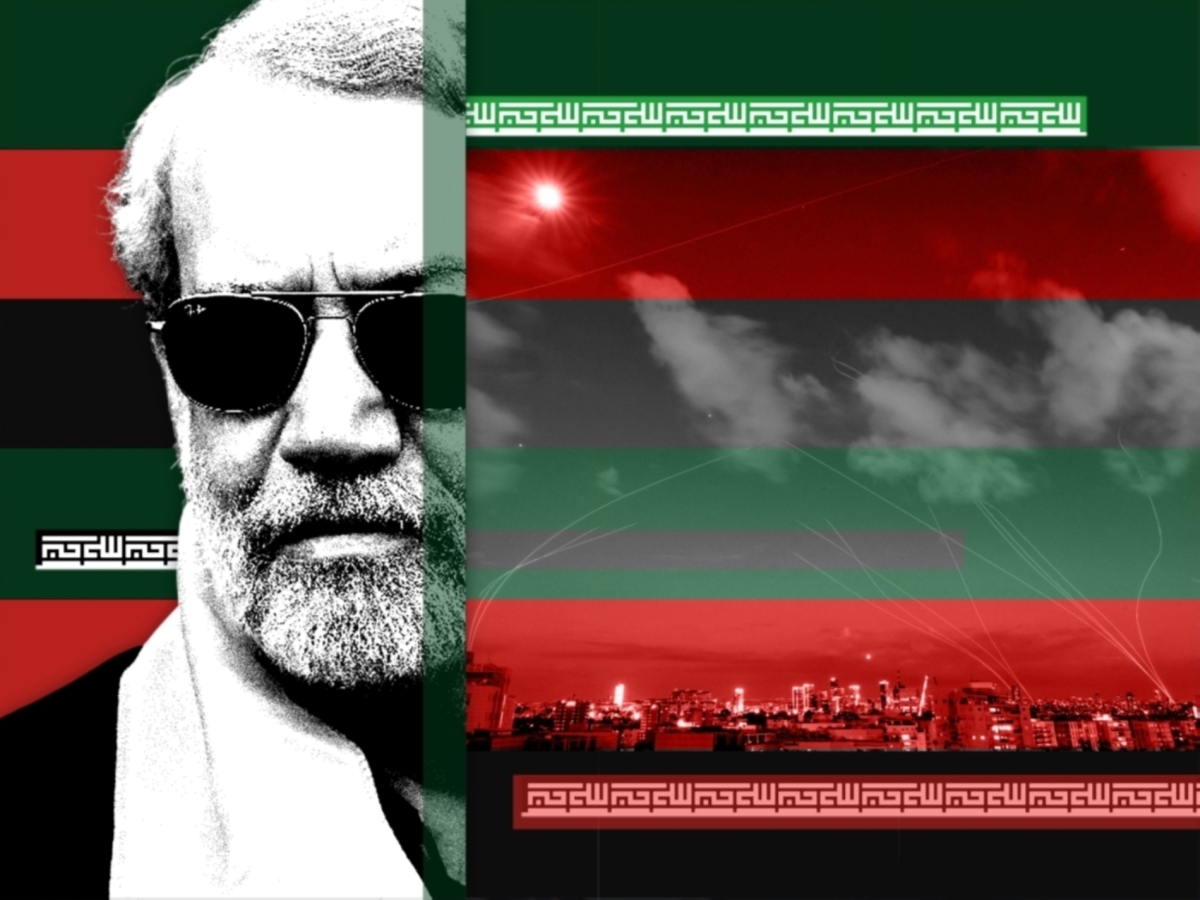

On the evening of 17 March 2026, Israel announced it had killed Ali Larijani, Secretary of Iran’s Supreme National Security Council (SNSC), in an air strike on Tehran, along with Basij commander Gholamreza Soleimani. Tehran later confirmed both assassinations.
It is a development that has dire implications for the trajectory of the US-Iran war and complicates prospects for dialogue and diplomacy. Despite Larijani’s hawkish credentials, he possessed rationalist instincts that allowed him to calculate costs, calibrate concessions and authorise compromise without ever appearing to betray the revolution.
The Israeli Hebrew-language newspaper Maariv described Larijani, on the opening day of hostilities (28 February), as “conservative yet highly educated, and possessed of a practical cast of mind” and “the sole individual to whom the Supreme Leader turned for pragmatic counsel on both the war and the question of succession.” His stature was so grand that some even considered him to be Iran’s de facto leader.
An impressive CV
A PhD holder in philosophy with a specialisation in Kantian epistemology, Larijani served as Speaker of the Islamic Consultative Assembly for 12 years before becoming SNSC Secretary. He also held a supervisory role in the 2015 nuclear negotiations (JCPOA) and served as the principal backchannel to both Qatar and Oman, as well as a conduit to the outside business world.
No successor has yet been appointed, but Foreign Minister Abbas Araghchi is among the names floated. However, he lacks authority in the SNSC and the personal trust of the Supreme Leader that Larijani enjoyed.
For his part, Iran’s new Supreme Leader, Mojtaba Khamenei, has adopted a hardline and uncompromising posture in his public statements since Israel and the US assassinated his father and launched a war on the country.
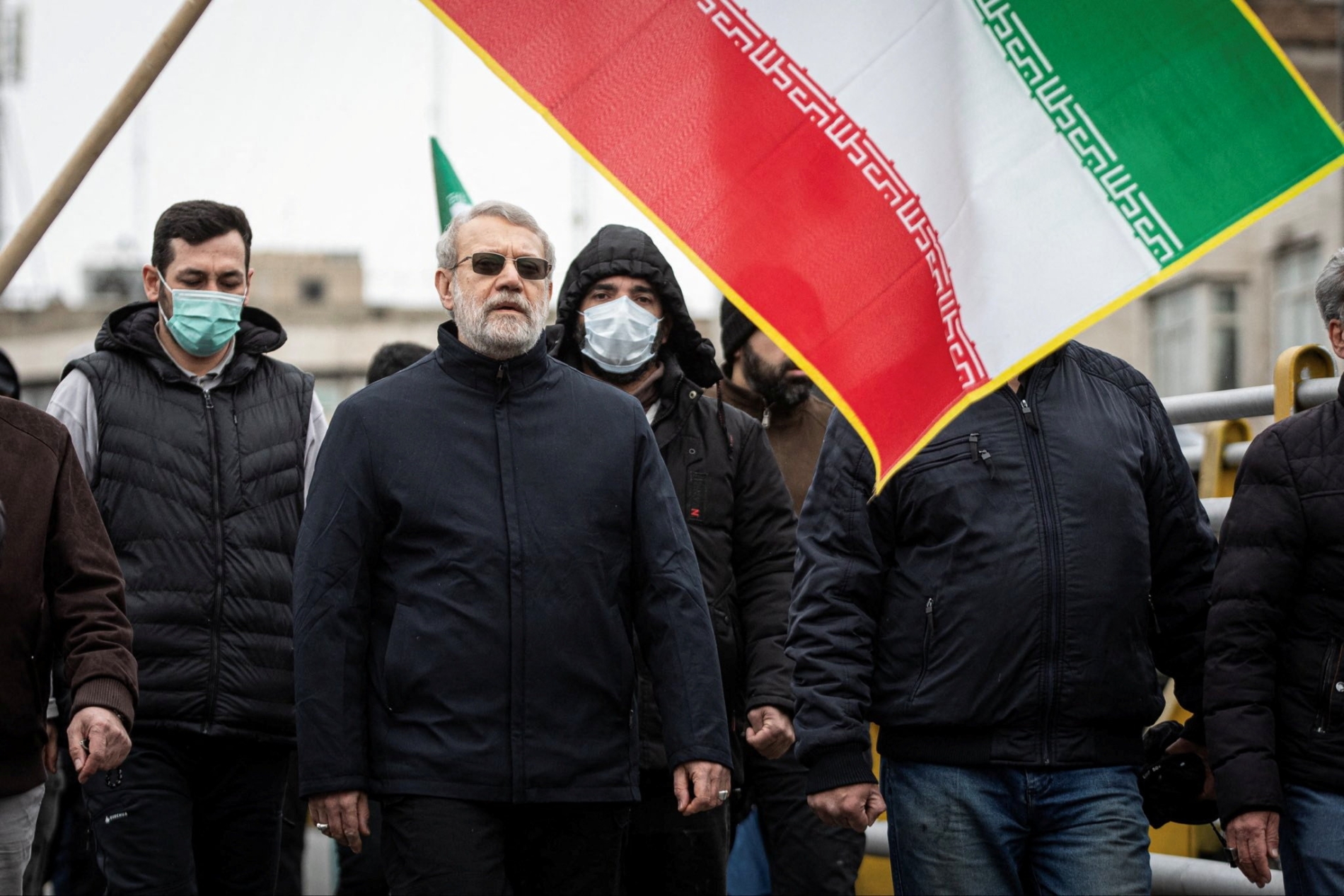
Larijani's killing—given his capacity for rationality and his towering influence in Iran—therefore means the country has lost the only official capable of steering the country towards a diplomatic off-ramp.
That loss is compounded by the structural logic of Iran's military doctrine. The IRGC's "Mosaic Defence" (Defa-e Mozaik)—developed between 2005 and 2007 under IRGC commander Mohammad-Ali Jafari—was specifically designed for the scenario now unfolding: the decapitation of central command. Its architecture rests on 31 autonomous provincial commands, each empowered to conduct operations entirely independent of Tehran.