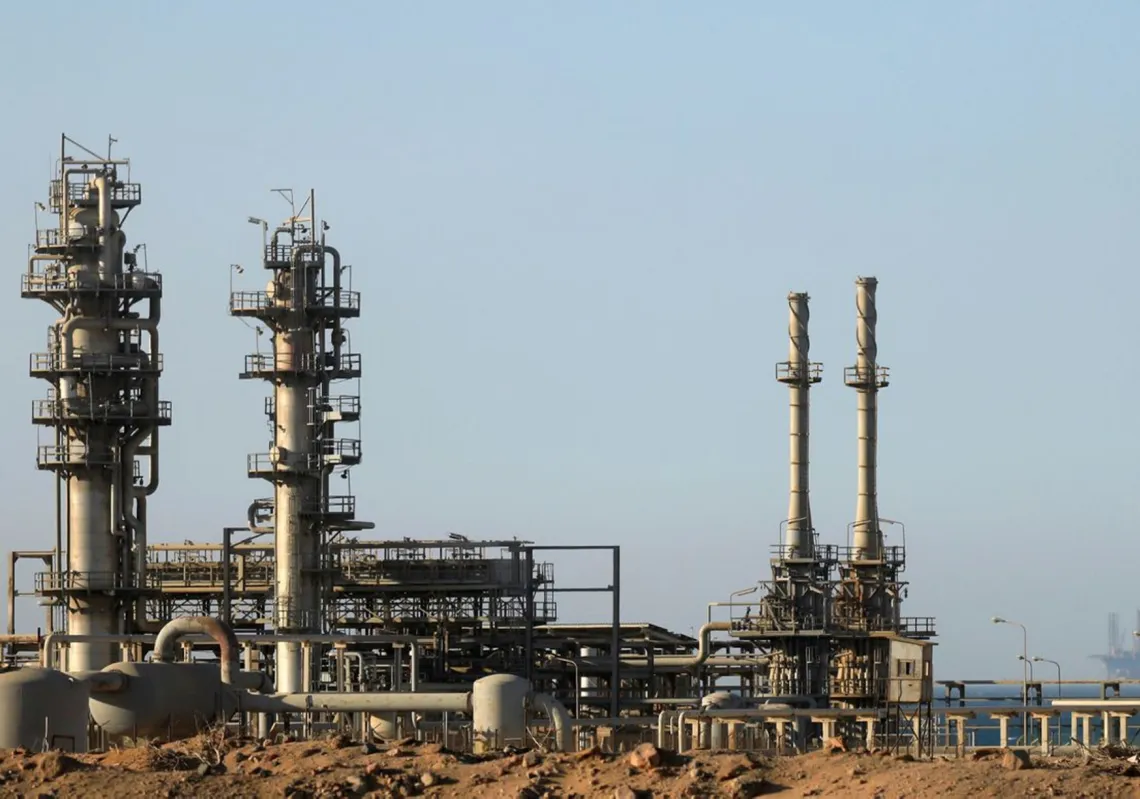
Cairo hopes to gain the trust of partners through its regular payments to energy firms, so that they will be more inclined to invest in gas exploration activities
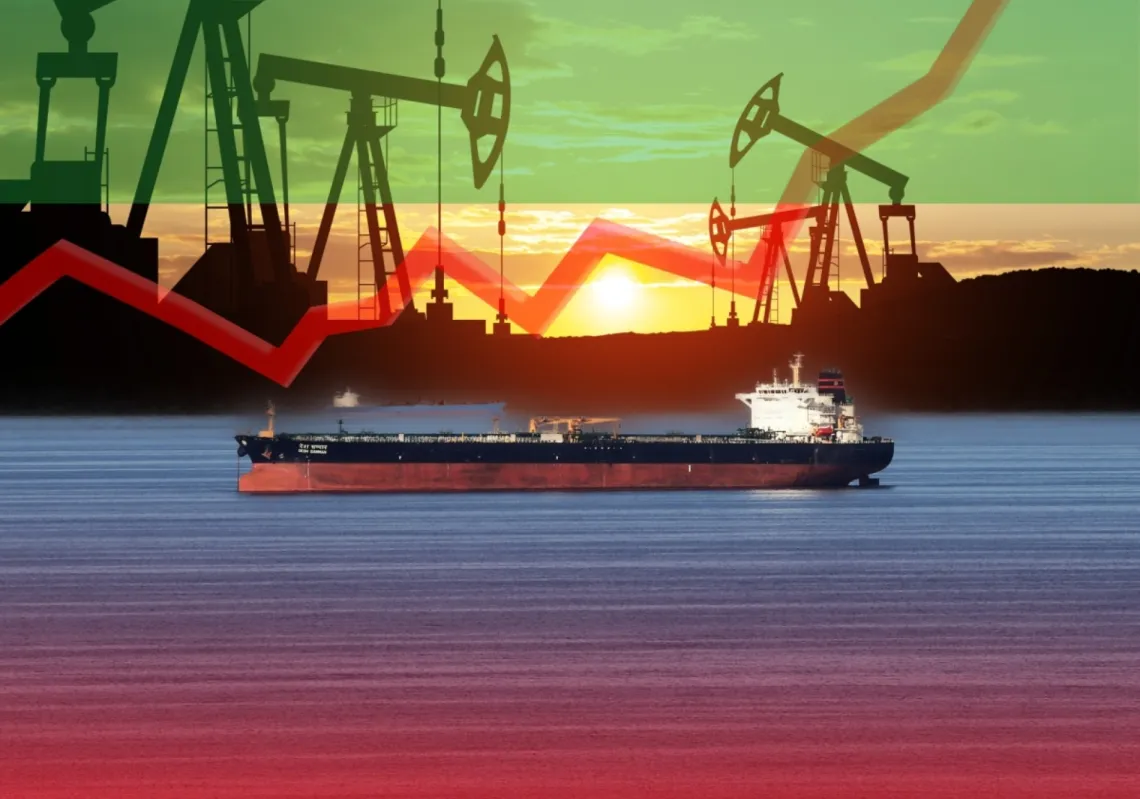
European gas prices have jumped by 30% after some big GCC oil and gas producers cut supplies, and now a vital maritime trade route is being threatened. The stakes have seldom been higher.
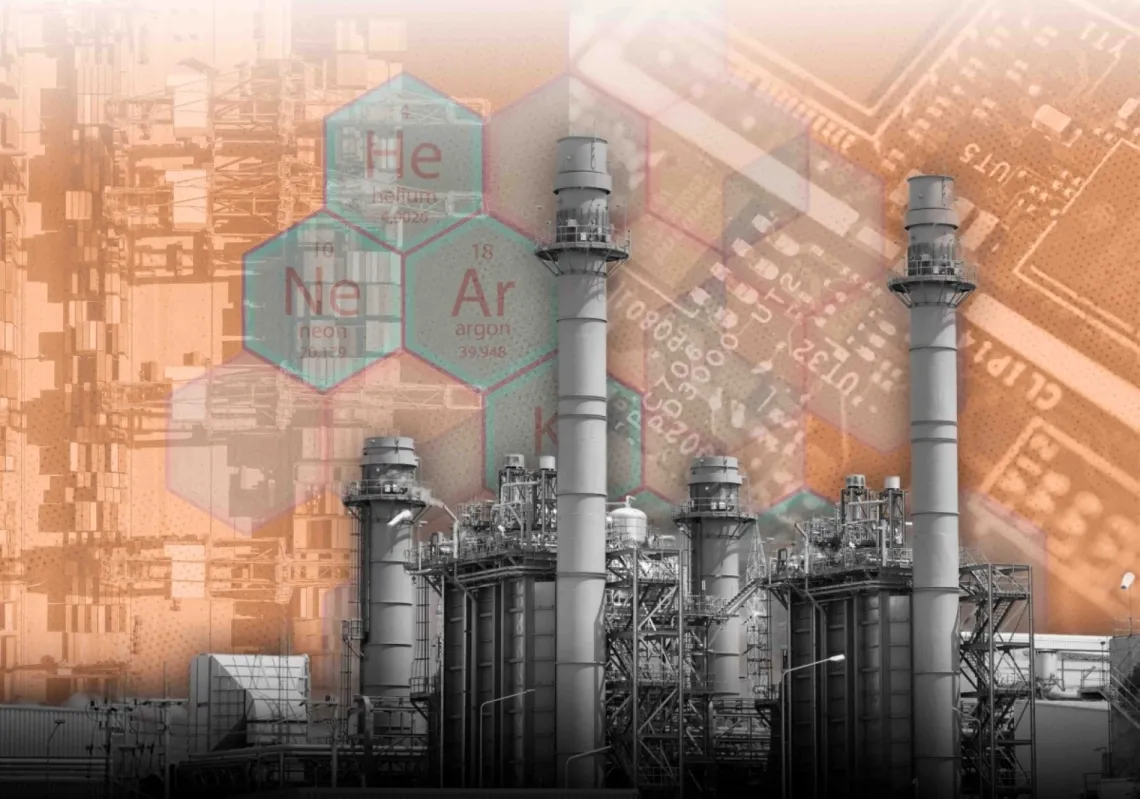
Odourless, colourless gases such as helium, neon, radon, argon, krypton, and xenon power key industries. They are rare, difficult to extract, and hugely valuable, yet largely under the radar.
Damascus must weigh the risks and benefits of an exclusive economic zone with Ankara against the broader implications for its international standing and reconstruction efforts
Global energy demand in this year’s WOO is set to expand by 24% in the period to 2050, driven by significant expansion in the non-OECD region. The outlook sees the need for an expansion in all energy…
War sent oil firms running while the loss of territorial control in the oil- and gas-rich north-east left the Kurds with the hydrocarbons and Damascus reliant on Iran. Will the good times roll again?
A series of red lines were drawn at a meeting of gas-producing countries in Algiers. Al Majalla looks at what they are, where they came from, and what they may mean for energy markets.
European Union energy ministers agreed on a gas price cap, after weeks of talks on the emergency measure that has split opinion across the bloc as it seeks to tame the energy crisis.
The cap is…
Britain's National Grid on Friday launched a scheme to pay homeowners and businesses to curb their electricity use when demand is high to help prevent blackouts over the winter.
National Grid last…
As support for Israel weakens across the US political spectrum, once-taboo questions about military aid, lobbying influence, and US backing are moving into the mainstream
Algeria is one of Africa's largest producers of hydrocarbons, and its proximity to customers in Europe makes it of growing interest as importers fret over a prolonged supply crisis from countries
Through extravagant processions led by palace women, the Mamluk state projected a message of power and prestige at home and abroad, turning the Hajj obligation into a soft-power tool