

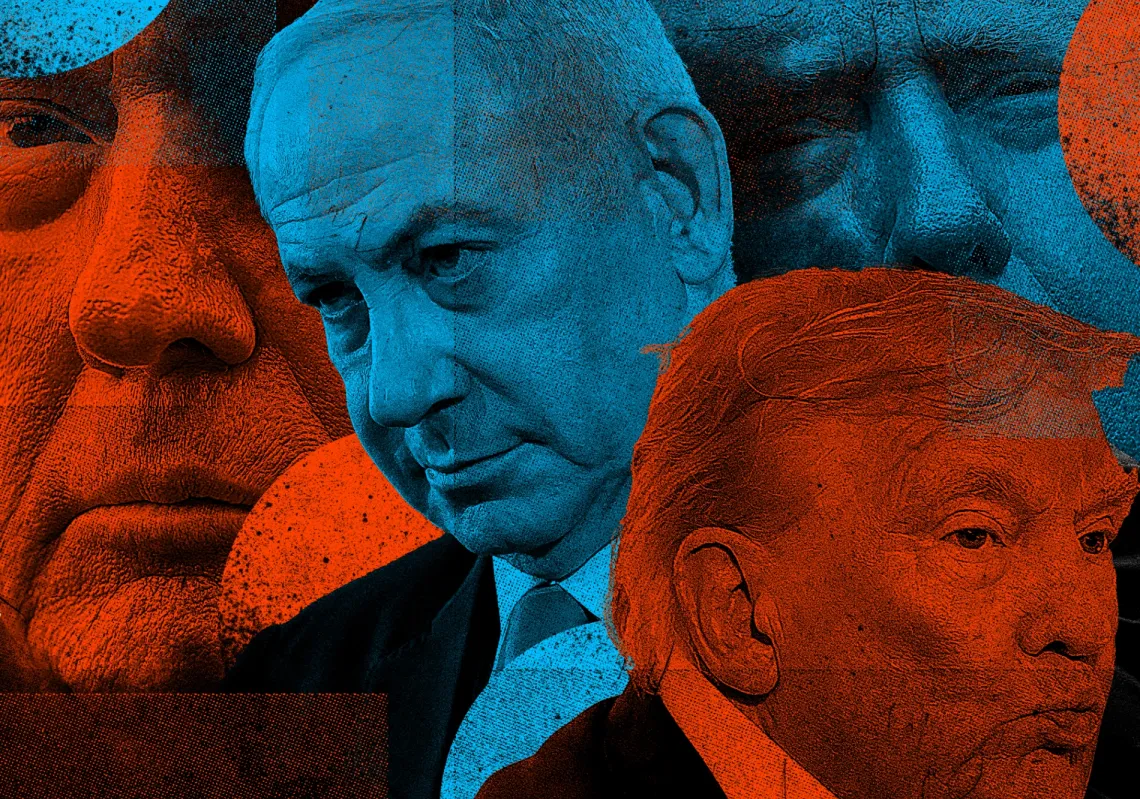
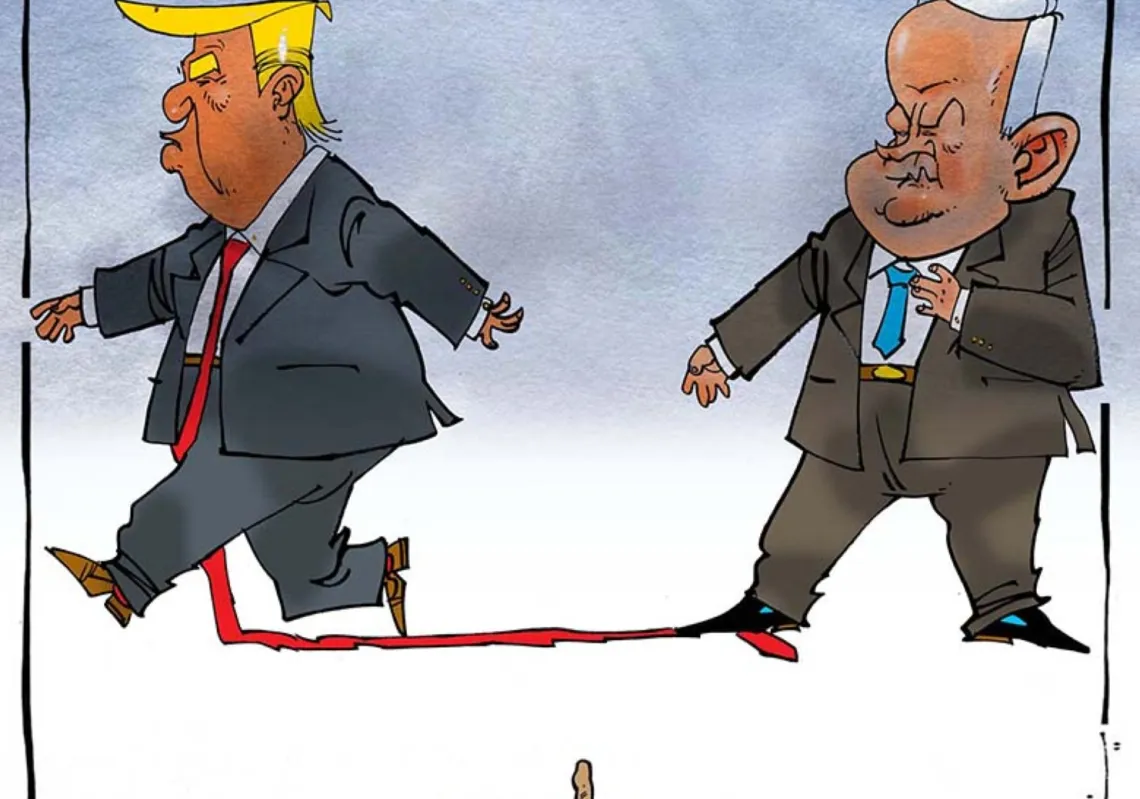
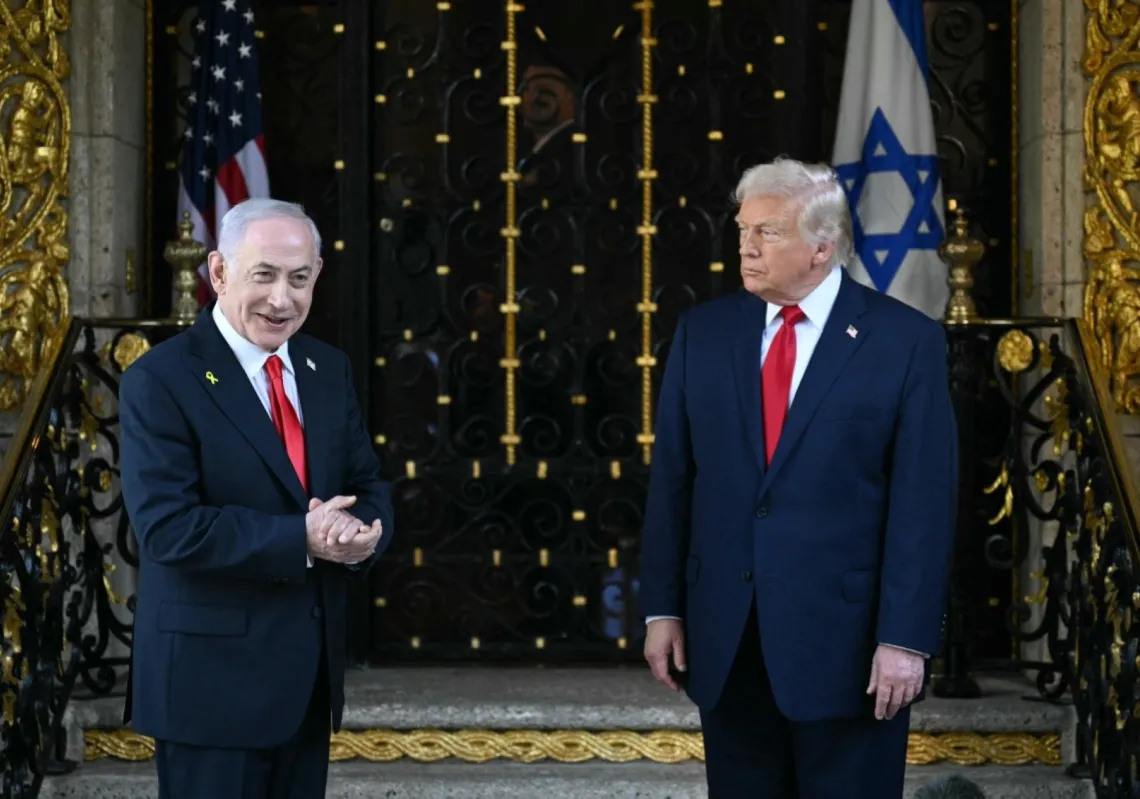




Trump may be willing to accept global isolation to keep supporting Israel, but at some point, he may conclude that he isn't getting enough from Netanyahu in return
The US president also said "all are on board" for a peace plan to end the war in Gaza, but observers are sceptical given his litany of broken promises. Monday's meeting with Netanyahu will be telling.
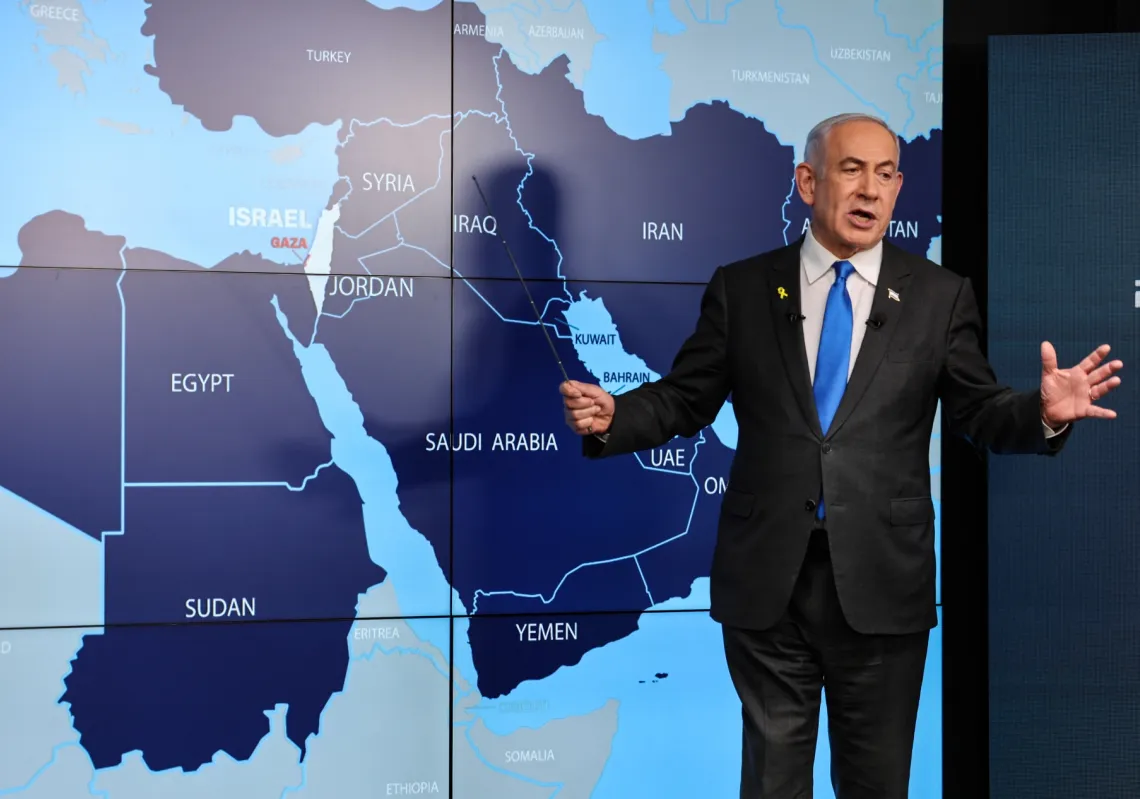
Netanyahu's quest for regional domination is now being pursued without thought to the diplomatic costs, including Israel's relationship with the US. Will this threaten its long-term survivability?
Syria's foreign minister met Israeli officials in London on 17 September, sparking speculation that a deal is in the offing. But even if one is reached, it risks being more symbolic than substantive.
His emerging strategy shows a willingness to gamble on high-profile assassinations, even at the expense of diplomatic blowback, regional stability, and fragile negotiations
The gulf between the political and military establishments is widening. Politicians speak of a delayed victory, but military leaders warn of an inescapable quagmire.
Israel's war aims go beyond the defeat of Hamas to the collective punishment of two million Palestinians. It is losing friends fast, while Gazans lose far more than that.
By hyping up the threat of a nuclear Iran, Netanyahu knows he can scare Israeli society into backing military action—a tactic he has perfected throughout his lengthy political career
Disruption in the Hormuz can have major implications for global trade, but it also creates opportunities for smaller nations like Iran to become global political players
The Iraq war was viewed as disastrous in retrospect, while the Iran war was unpopular from the get-go. Al Majalla highlights the similarities and differences between the two.
Pipelines have a chequered history in the Middle East, but the closure of the Strait of Hormuz has led US Tom Barrack to conclude that a new route through Syria could solve some problems.