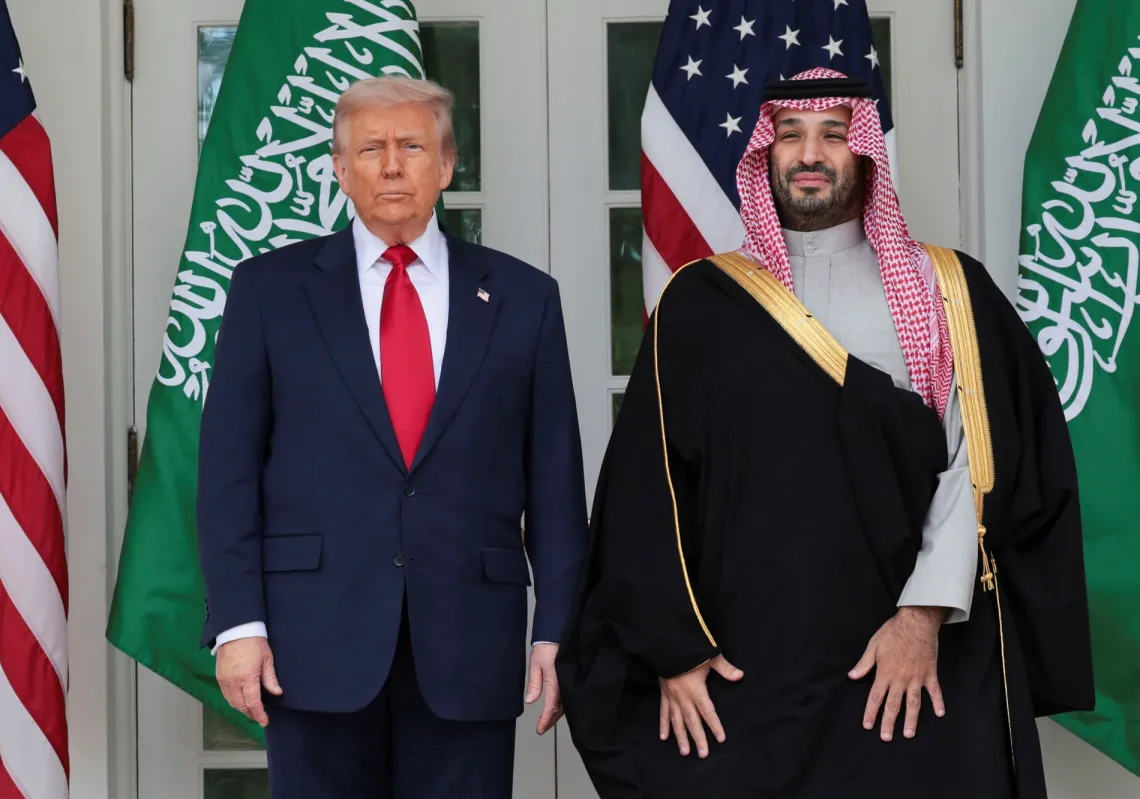
Trump elevates Saudi Arabia to 'major non-NATO ally' status, just hours after the Saudi crown prince announced he would increase his investments in the US to nearly $1tn.
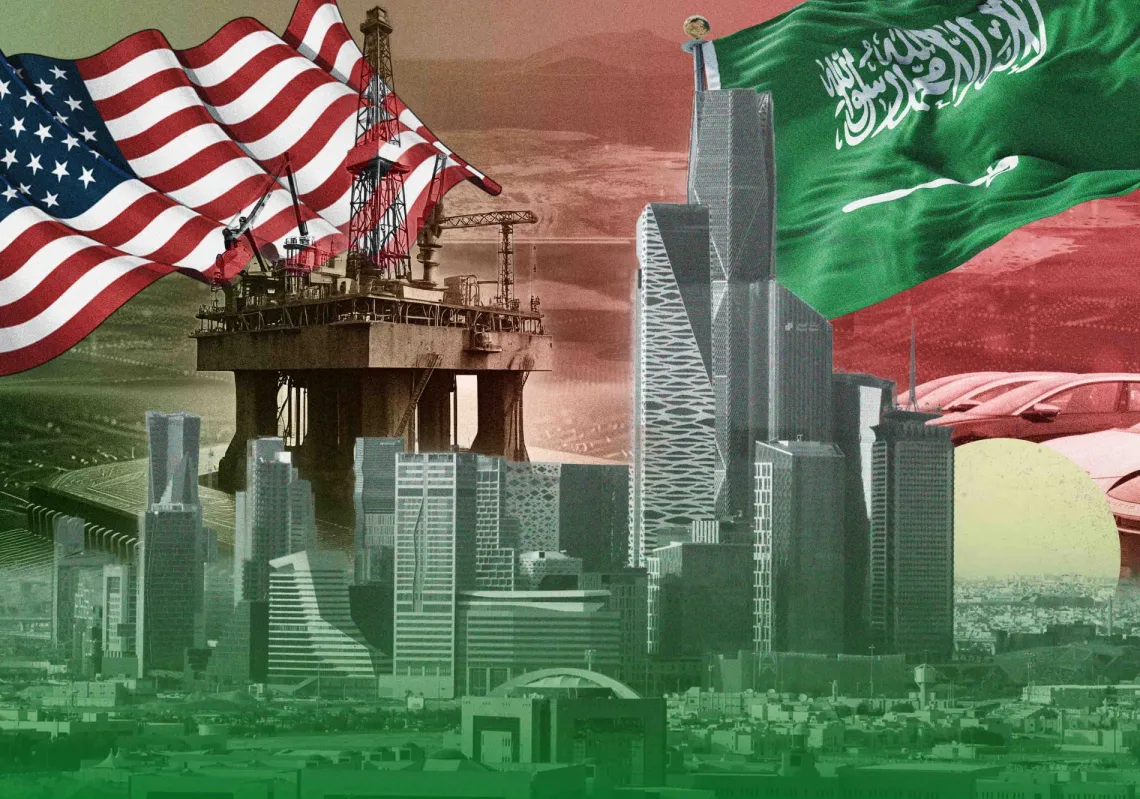
The Saudi-US alliance is entering a new phase—one characterised by maturity, equilibrium, and a shared vision attuned to a world increasingly shaped by technology
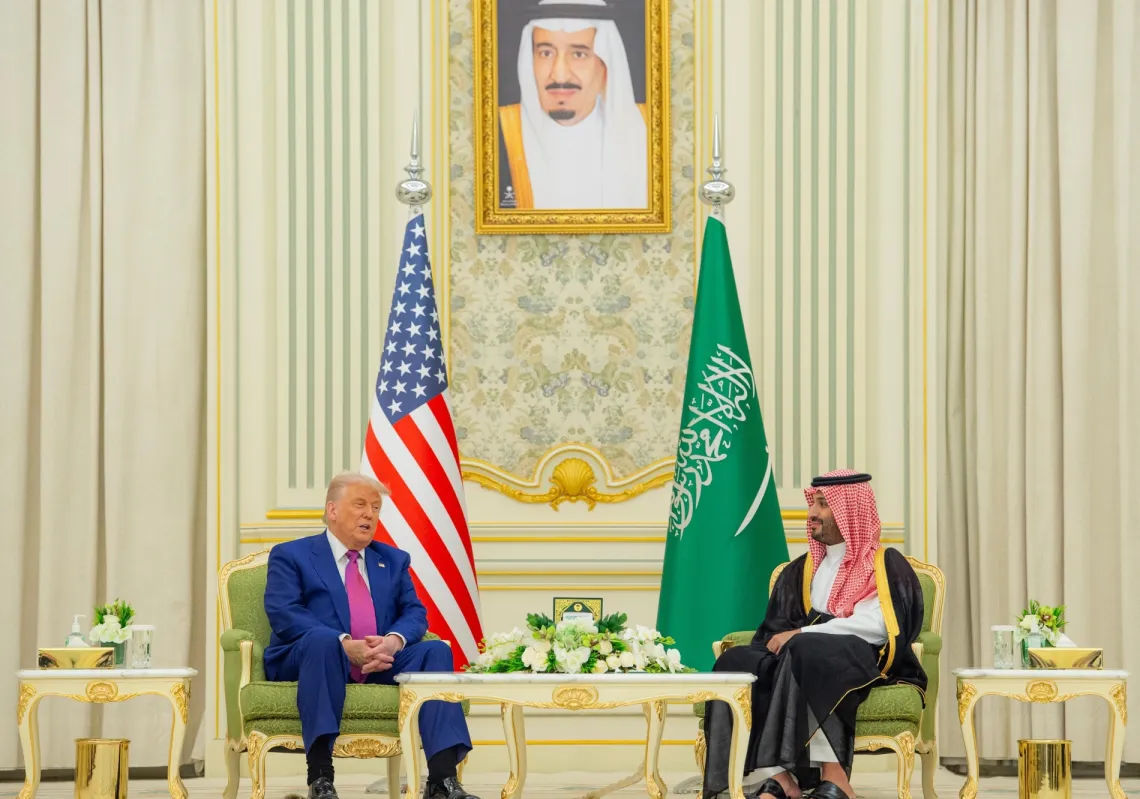
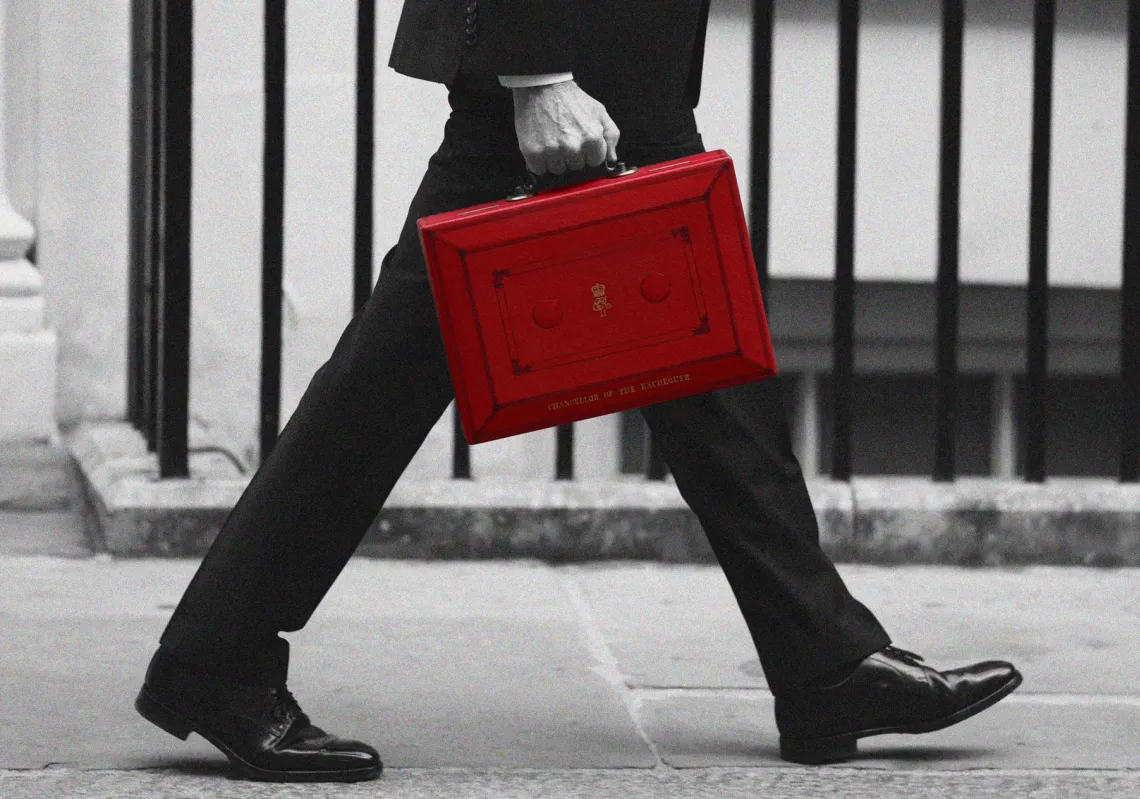
When Saudi Crown Prince Mohammed bin Salman visits the White House to meet with US President Donald Trump on 18 November, there will be no shortage of issues for the two leaders to discuss
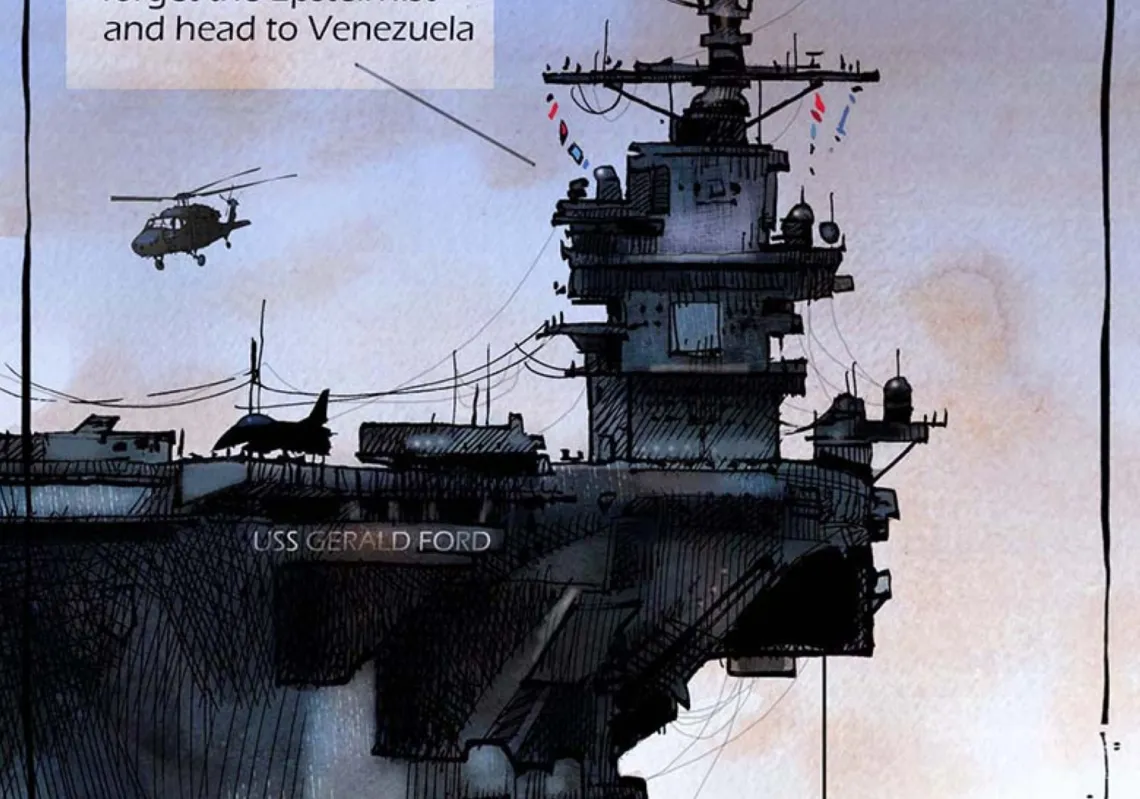
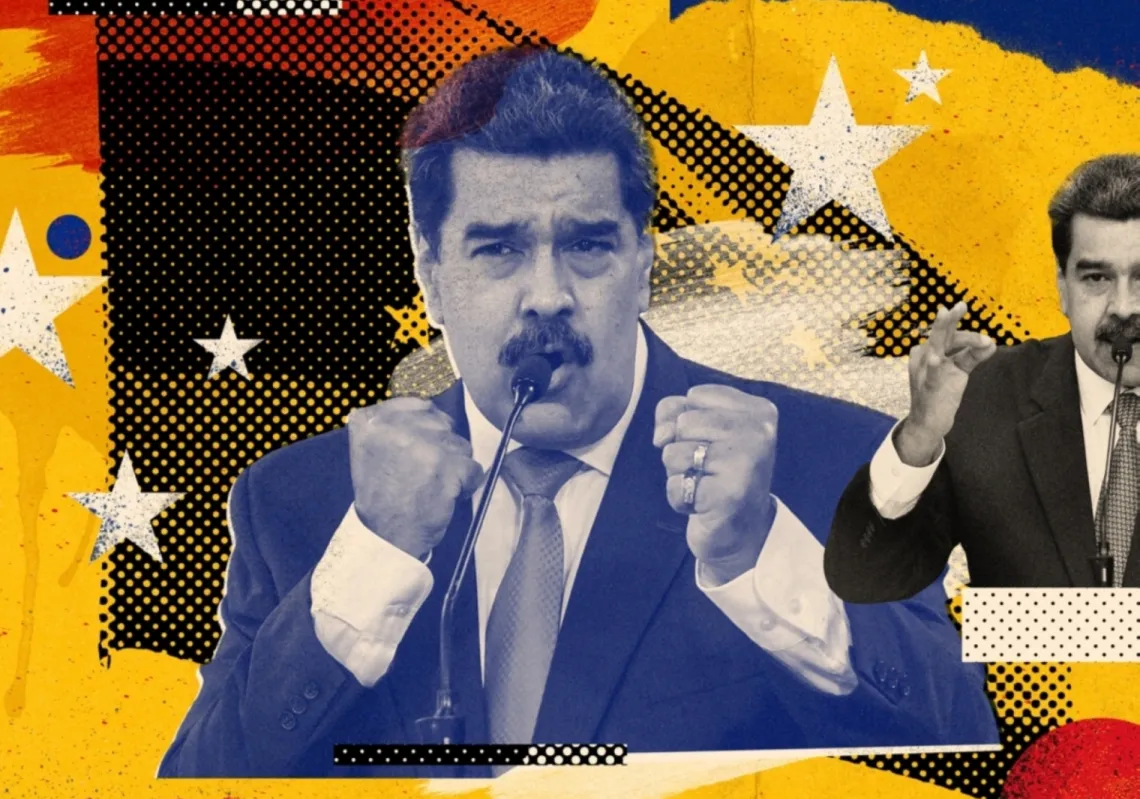
After months of hints and speculation about regime change, Trump announced on 3 January that the US had captured him after a series of attacks across the country
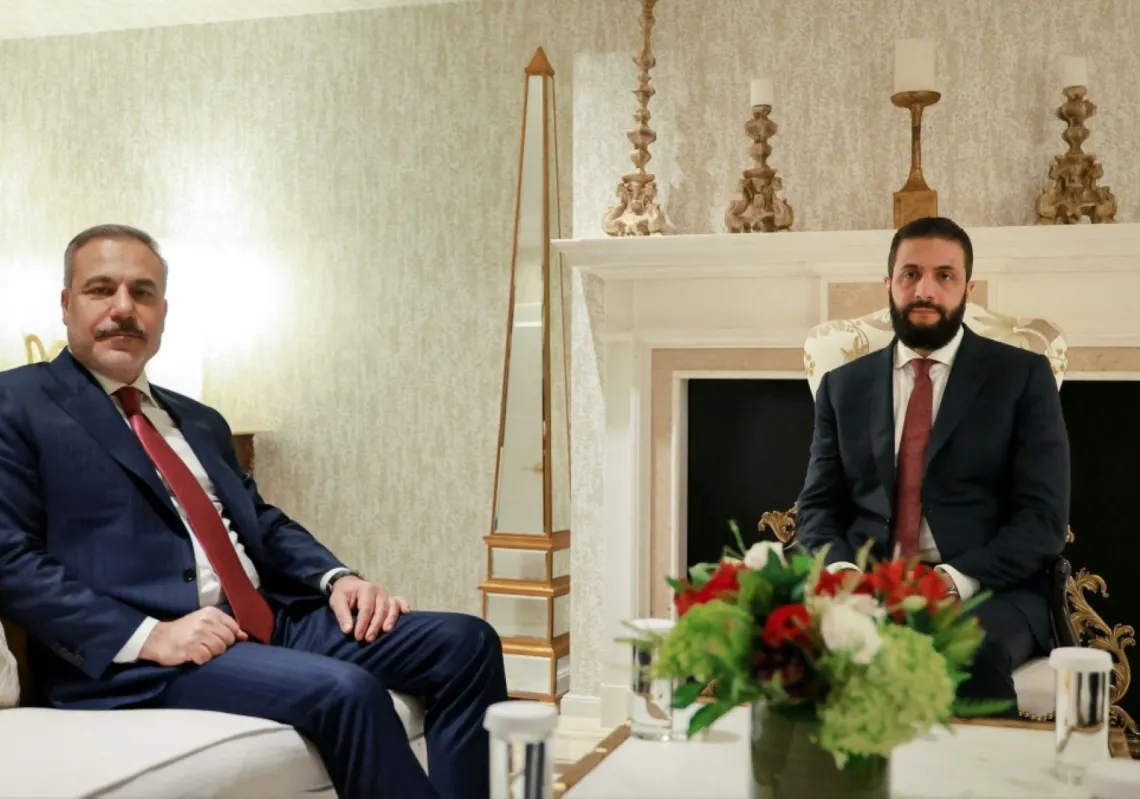
Since Trump began lifting sanctions in May, no time has been wasted. US investment delegations have been flocking to Damascus, and security cooperation has already started.
The US president hasn't invested enough political capital in the painstaking details of peacemaking. Instead, he has focused on short-term truces he can boast about in his quest for a Nobel prize.
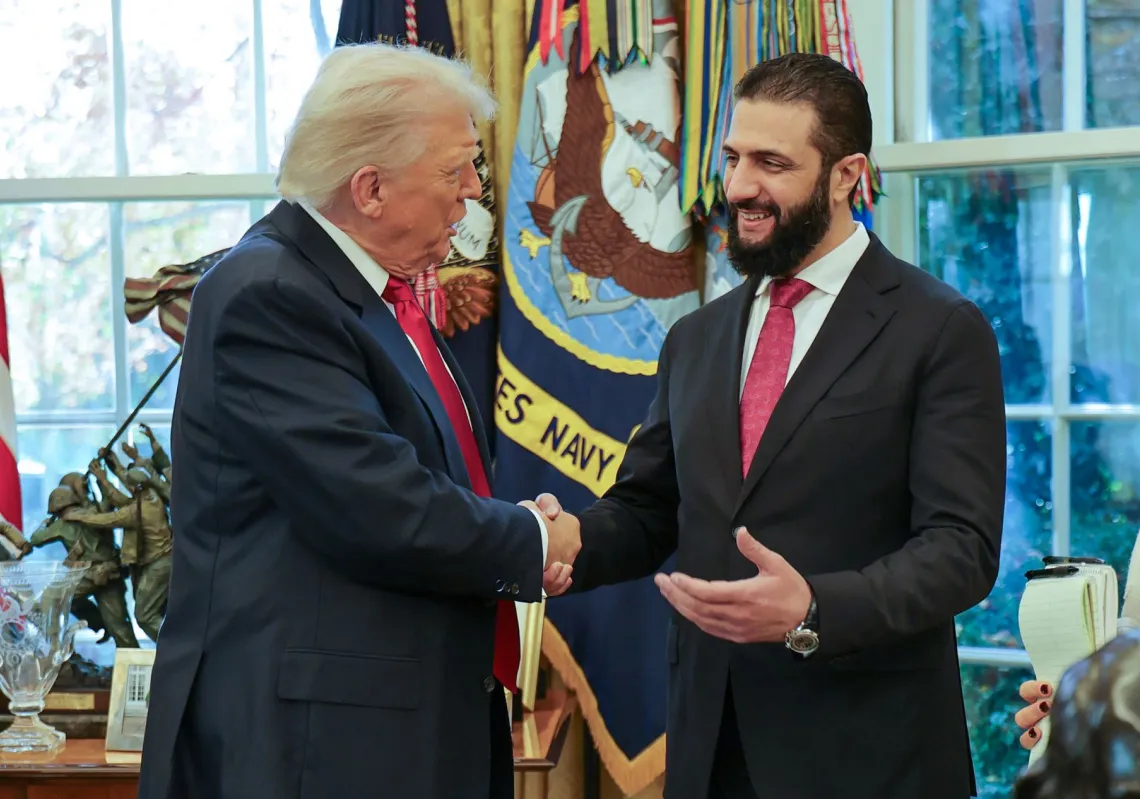
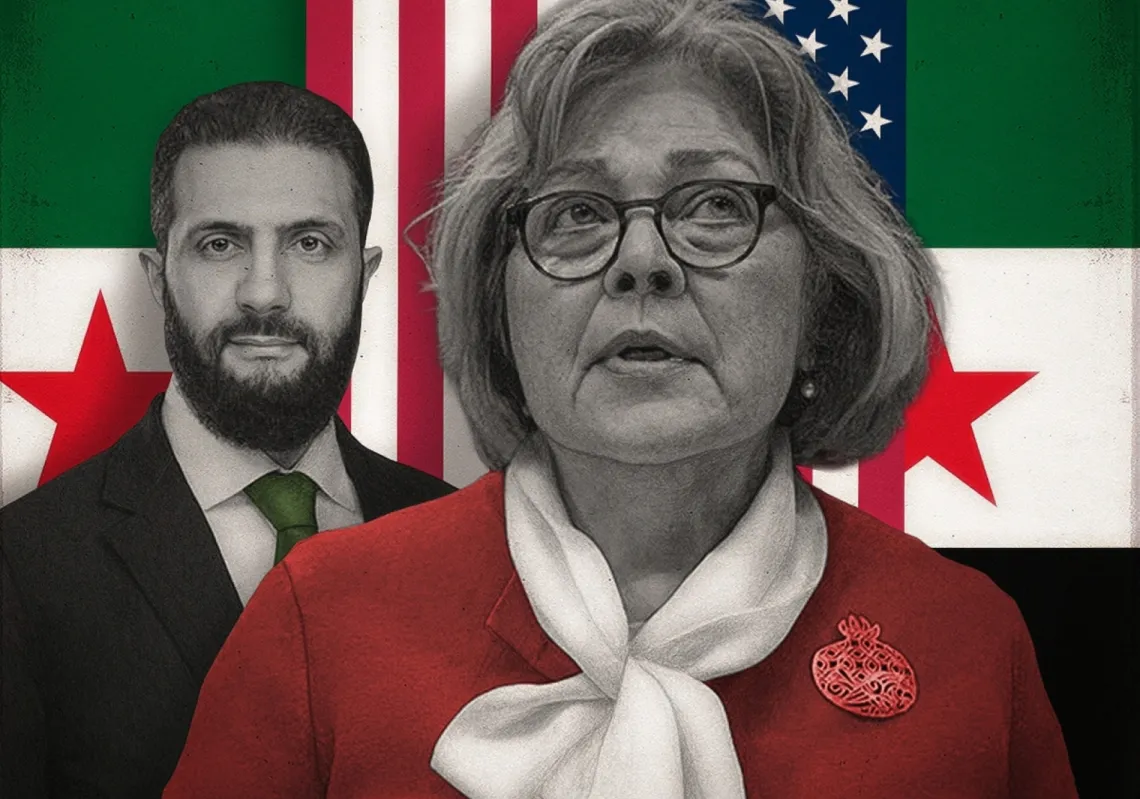
On Monday, the Syrian president shook hands with Trump at the White House. Speaking to Al Majalla, a former State Department official explains why this is a moment she could have never imagined.
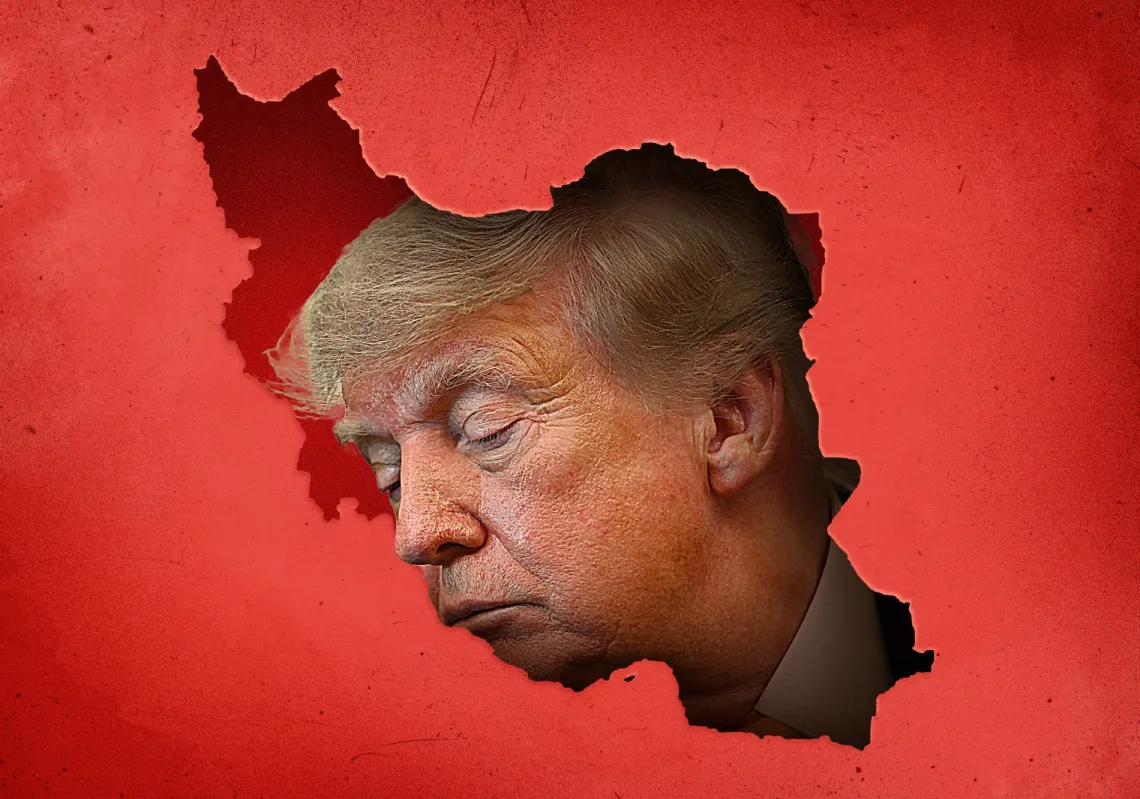
Both Tehran and Washington have powerful incentives to resolve the conflict through negotiations, but actors on all sides have reasons to derail these efforts
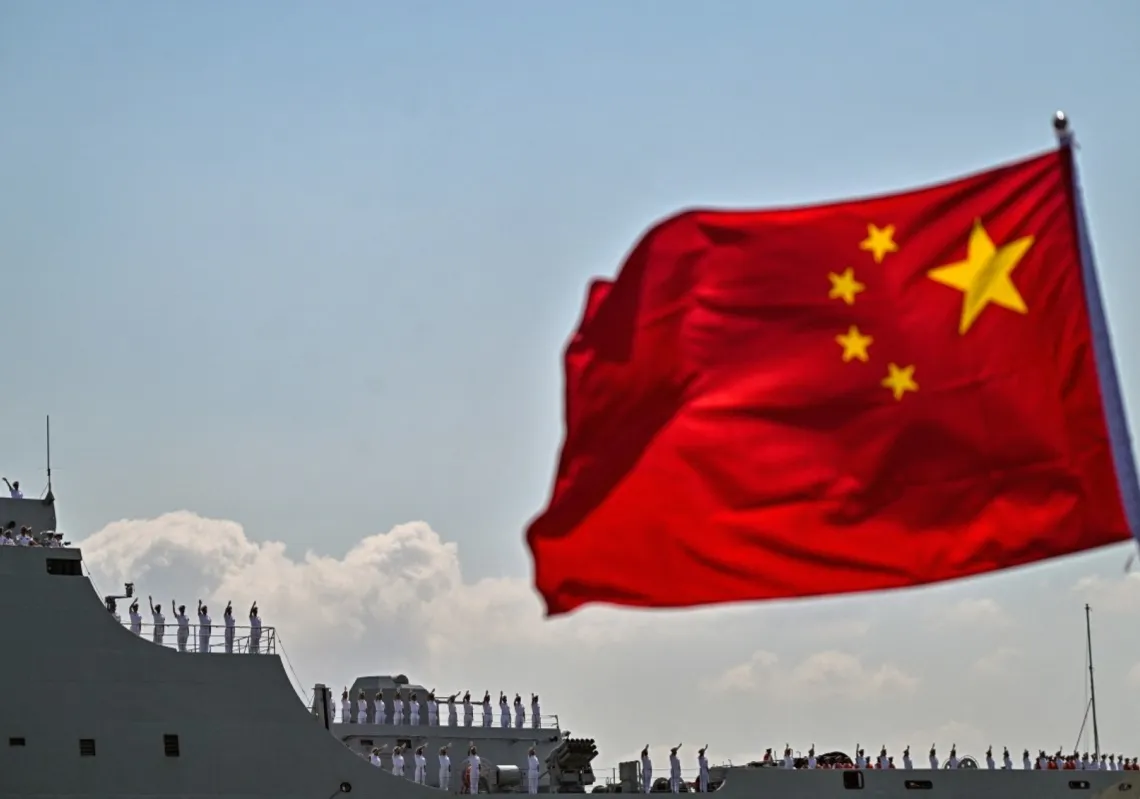
Beijing has been expanding its base in Djibouti, the tiny state that sits opposite Yemen across the Bab al-Mandab Strait. With numerous other states also in play, this is a region to watch
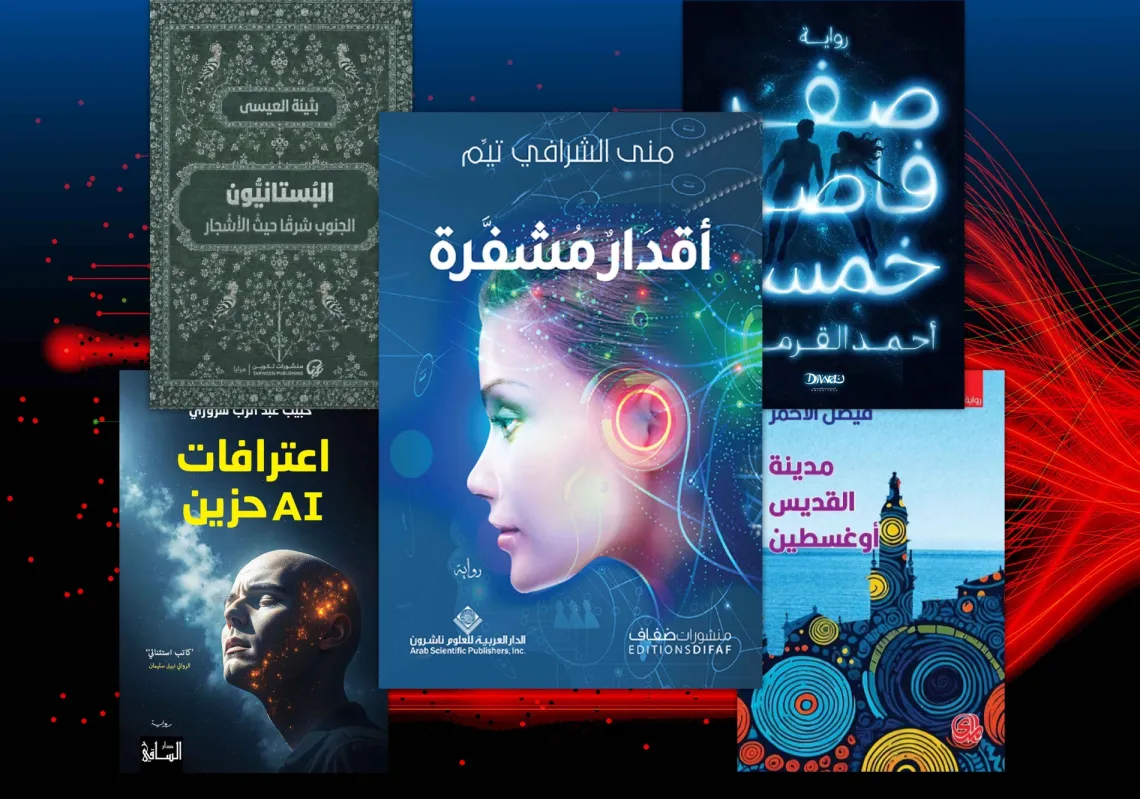
From machines that develop human emotions to societies governed by artificial intelligence, Arab novelists explore the promises and perils of a radically transformed future