China eyes greater security role in the Red Sea

Beijing has been expanding its base in Djibouti, the tiny state that sits opposite Yemen across the Bab al-Mandab Strait. With numerous other states also in play, this is a region to watch

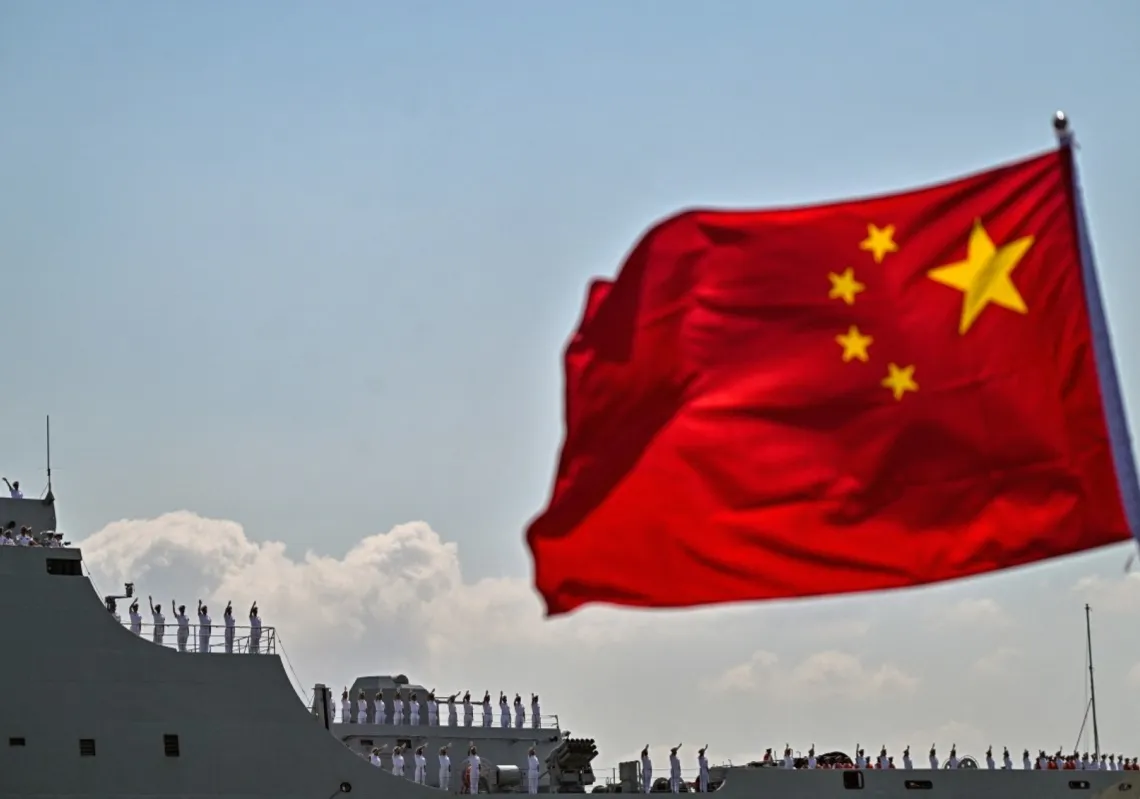
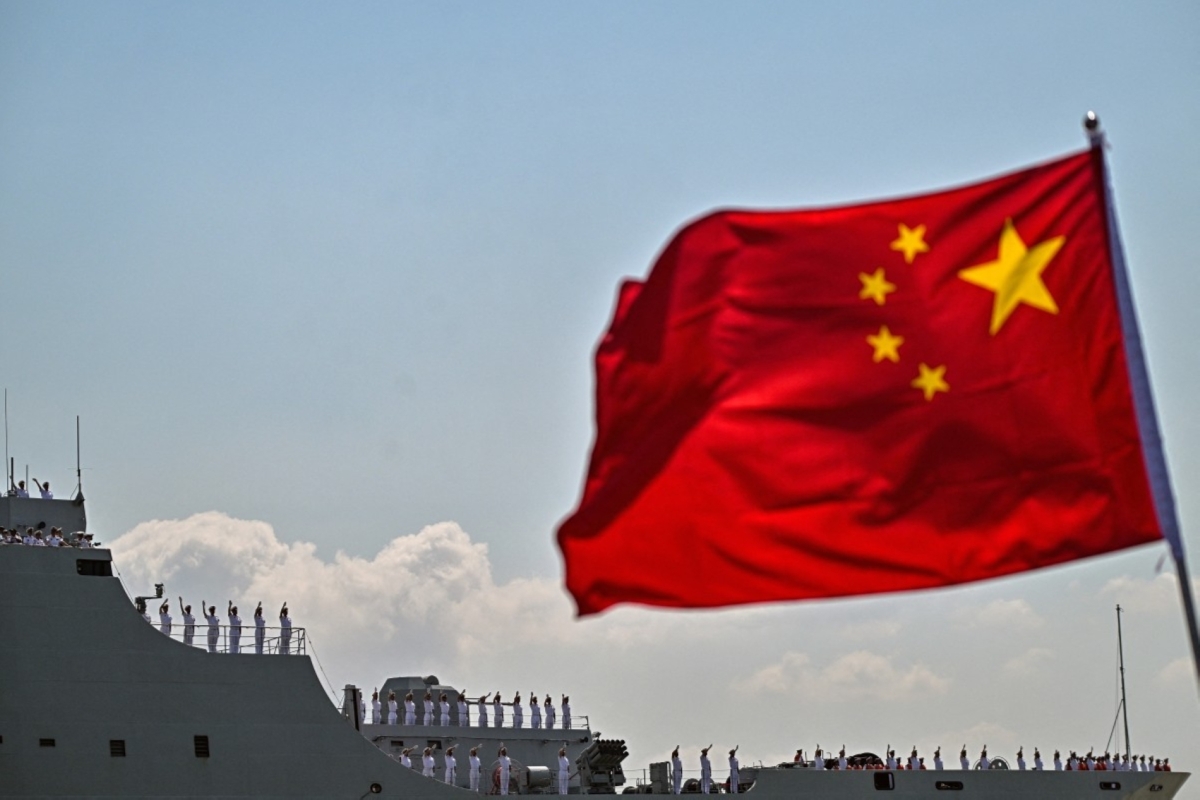
Crew members of the Chinese People's Liberation Army (PLA) navy ship Qi Jiguang wave as their ship prepares to dock on 2 August 2026.
JUNI KRISWANTO / AFP
Crew members of the Chinese People's Liberation Army (PLA) navy ship Qi Jiguang wave as their ship prepares to dock on 2 August 2026.

China eyes greater security role in the Red Sea

“Somaliland is a completely different country from Somalia.” Those were the words of US President Donald Trump at an election rally in Minnesota last month. A few days later, China and Djibouti issued a joint statement rejecting Trump’s assertion. Somaliland is not an independent entity, they reminded him; it is an integral part of Somalia. The timing was no coincidence. Israel, which wants a naval base on the Red Sea coast near Yemen, had just sent its first ambassador to the region.

Although the Trump administration has not announced any formal departure from its ‘One Somalia’ policy, the president’s remarks renew attention to the territory. Some in the Republican Party want Washington to follow Israel and recognise Somaliland as a country. The territory has strategic significance near the entrance to the Bab al‑Mandab Strait, the gateway to the Red Sea. In Yemen, on the opposite side, the Iran-backed Houthi militia is capable of disrupting international maritime shipping.

There is a much broader context to the statement issued by Chinese Foreign Minister Wang Yi and his Djiboutian counterpart, Abdoulkader Houssein Omar. Their meeting coincided with rising tensions in the Red Sea and the Bab al‑Mandab Strait following the resumption of fighting in Yemen, tensions between Ethiopia and Eritrea in the Horn of Africa, and Egypt’s promise of military aid to the Saudis. Taken together, these developments carry significant implications for China’s strategic ambitions in the region, from the security of maritime corridors to its investment in infrastructure, trade networks, and regional connectivity.

Confronted with mounting challenges, Beijing seems intent on deepening its partnership with the tiny state of Djibouti, which has a Red Sea coastline. Its neighbours include Eritrea to the north, Ethiopia to the west and south, and the self-governing breakaway territory of Somaliland to the south-east. Djibouti hosts several naval facilities for foreign powers, including the US and China. Now Beijing was to build on that, expanding the scope of security and diplomatic coordination between the two countries.

Reuters
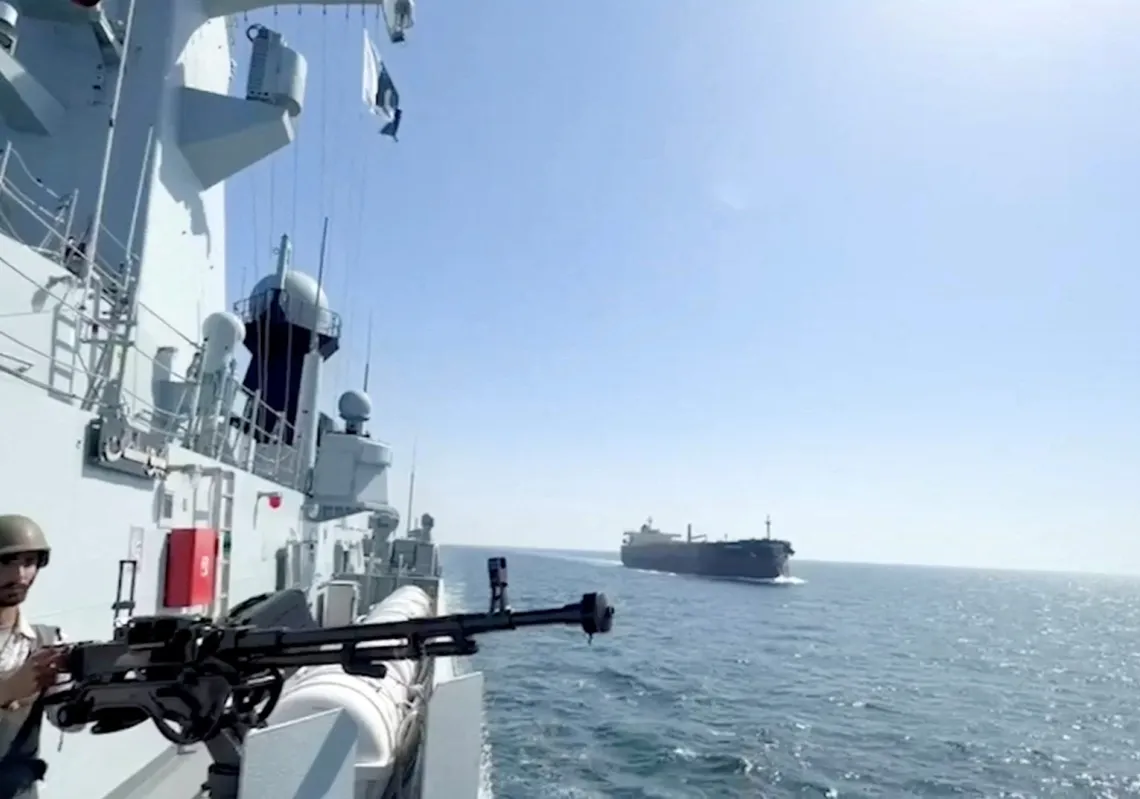
A Houthi military helicopter flies over the Galaxy Leader cargo ship in the Red Sea in this photo released on 20 November, 2023.

Unrest erupted in the Red Sea in late 2023, when the Houthis sought to support Palestinians in Gaza by attacking Israeli-owned or Israel-bound commercial ships. China publicly upheld the principle of freedom of navigation through international waterways, much as it did this year over Iran’s closure of the Strait of Hormuz. In practice, Beijing has engaged in negotiations with both the Houthis and the Iranians to ensure the safe passage of its oil tankers and merchant vessels.

China sees the two situations differently. In the case of Hormuz, it considers that a United Nations member state (Iran) was subjected to an American and Israeli attack without international authorisation. In Yemen and the Bab al-Mandab Strait, however, it recognises the authority of the Aden-based government (which is supported by Saudi Arabia) and does not regard the Houthis’ use of military force against the government as justified, although it supports a political settlement to the conflict.

In the Hormuz, Beijing has applied quiet diplomatic pressure on Tehran to end its obstruction of shipping and restore normal maritime traffic. In the Red Sea, it has increased its security monitoring, paying close attention to events. An analysis published in September by the US‑based Centre for Strategic and International Studies revealed that China had been expanding and modernising its facilities in Djibouti since 2024. The base, China’s first outside its mainland, is being upgraded to strengthen Beijing’s capabilities.

But these improvements do not necessarily signal a change in its military posture. Chinese political commentator Zhao Zhijun argues that closer security cooperation with Djibouti should not be interpreted as an intention to expand China’s military presence or replace Western alliances. Speaking to Al Majalla, he said such cooperation does not require substantial enlargement of the base or any alteration to its existing missions.

There are growing fears that the Red Sea stand-off could deteriorate, particularly after Egypt declared its readiness to support Saudi Arabia against Houthi attacks. The Iran‑aligned militia said that would be treated as a declaration of war, meaning that Egyptian installations along the Red Sea coast and Suez could become targets. This would place additional strain on shipping and trade through the region’s waters.
AFP
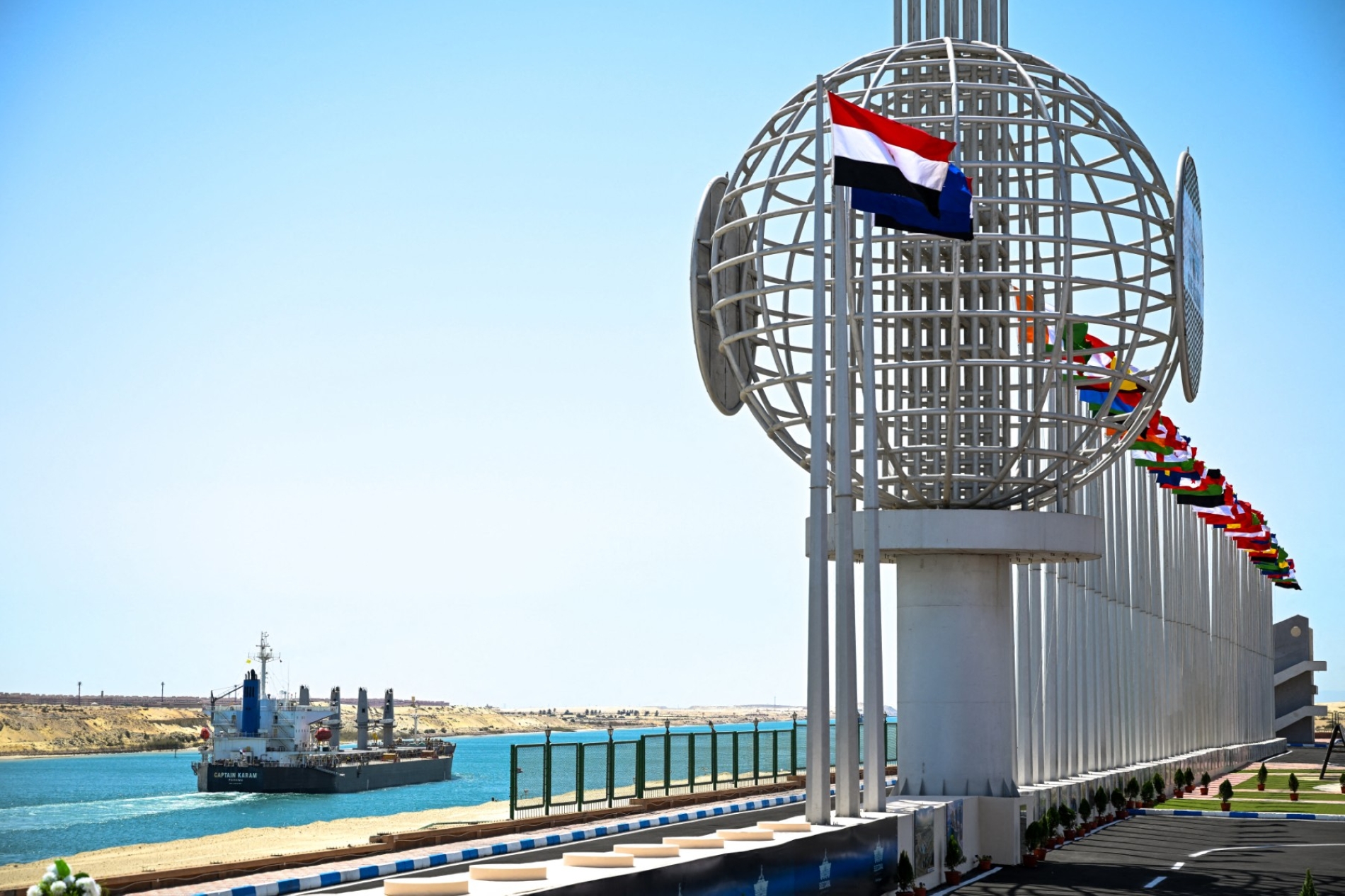
A ship transits the Suez Canal near Ismailia, Egypt, on 16 April 2025.

Read more: Egypt’s options shrink amid growing Houthi threats

Developing partnership

China and Djibouti worry about more than just maritime navigation and military activity, given the prospect of a rising terrorist threat in the Horn of Africa. The Houthis in Yemen and Al‑Shabaab in Somalia are believed to be working together to pursue their common interests. In response, Djibouti signed a memorandum of understanding during its foreign minister’s visit to Beijing, establishing cooperation under the Global Security Initiative launched by Chinese President Xi Jinping.

The agreement reflects a bilateral desire to strengthen coordination on maritime security and the protection of commercial vessels passing through the Bab al‑Mandab Strait. It also provides a political framework for developing their security partnership, including modernising Chinese facilities in Djibouti. This may help Djibouti avoid any regional military entanglement while diversifying its security partnerships.
China's Djibouti base is being upgraded, but this does not necessarily signal a change in its military posture

In parallel, Beijing has intensified its diplomatic efforts in recent weeks. China's special representative for African affairs, Liu Xianfa, met with Djiboutian President Ismail Omar Guelleh in Djibouti on 10 November 2026, after a trip to Ethiopia, where he met the foreign minister and expressed a willingness to work with all parties to restore regional stability. We will also visit Egypt on his African tour.

On 5 November, China's Special Envoy for Horn of Africa Affairs, Hu Changchun, visited Asmara, Eritrea, while its special envoy for Middle East affairs, Zhai Jun, met with Ali Bagheri Kani, Deputy Secretary of Iran's Supreme National Security Council, in Tehran on 9 November 2026. Following his stop in Tehran, Zhai is scheduled to continue his tour to Oman and Saudi Arabia through mid-November to reinforce diplomatic stability and economic cooperation under the Belt and Road framework.

AFP
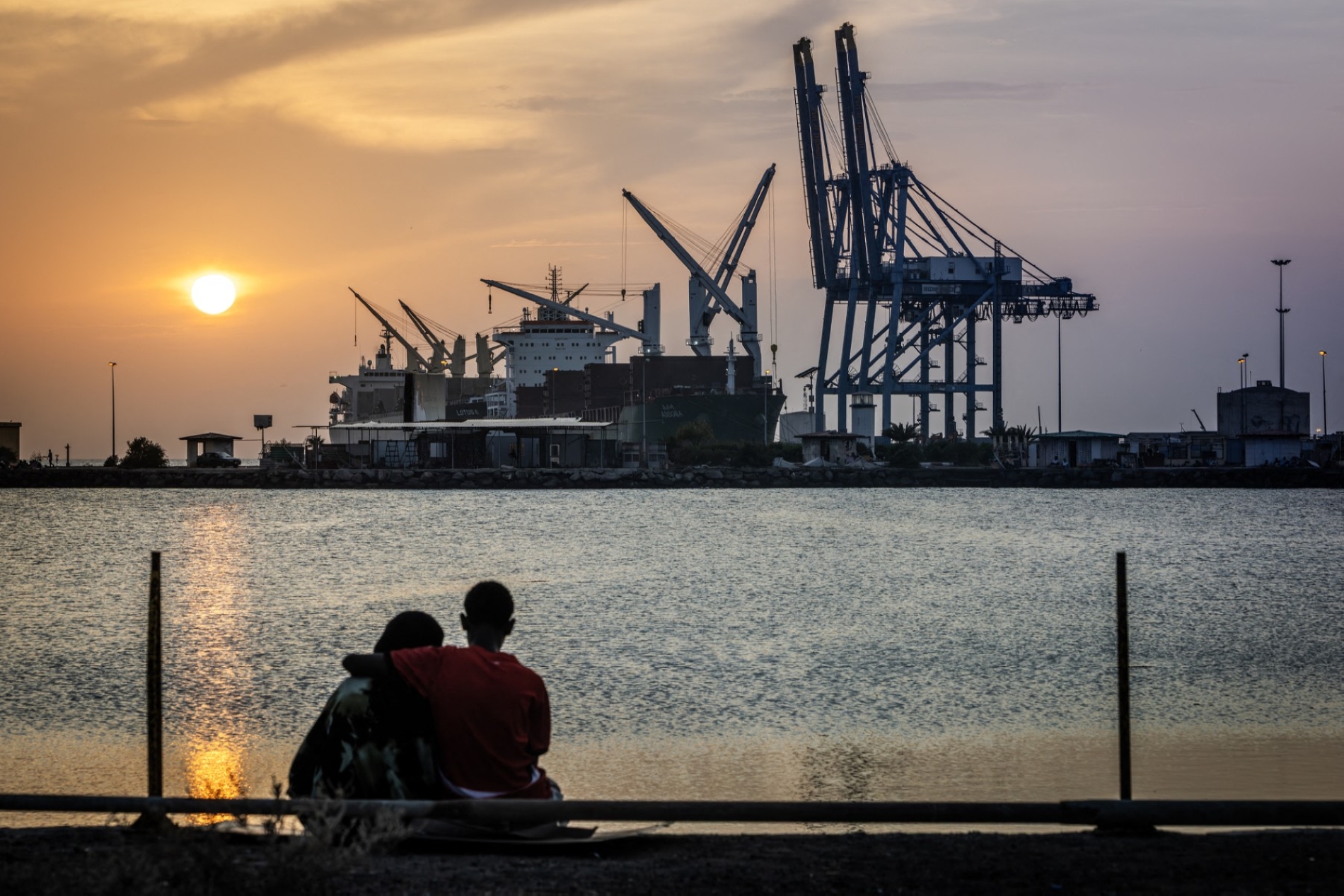
Cargo ships dock at the port of Djibouti, the country's primary economic hub—Djibouti, on 9 April 2026.

Pressure over bases

Djibouti has declared a policy of strict neutrality regarding the war in Yemen, taking place a short distance away, but there are reports of American pressure on the tiny East African state to let US forces use its base there for military operations against the Houthis. In response, the joint China‑Djibouti statement underscored the need to respect the sovereignty, political will, and territorial integrity of the states bordering the Red Sea, and to avoid any inflammatory actions.

In what appeared to be a message, the statement urged "major and external powers" to refrain from using force or imposing sanctions, warning against the militarisation of the region. Beijing also expressed support for the efforts of Red Sea littoral states to safeguard shipping lanes and ensure the uninterrupted flow of trade. This position places much of the responsibility for securing these waterways in the hands of regional states, while seeking to keep external interference at a distance.

Zhao believes that this stance reflects concerns that an expansion of American influence near the Bab al‑Mandab Strait could unsettle the balance of power. US pressure on Djibouti first came to light in 2024, when media reports revealed that Djibouti had rejected a US request to conduct operations against the Houthis from its territory, specifically from the American base at Camp Lemonnier.

After the Houthi escalation in July 2026, signs emerged that the conflict's repercussions were reaching Djibouti. On 29 October, the US embassy in Djibouti issued an alert urging its staff and American citizens to seek shelter because of "ongoing regional events," before lifting the warning later that day. Reports also surfaced of an American drone crashing near Chabelley Airfield about 10 km southwest of Djibouti City, raising questions about a possible Houthi attack.

Getty Images
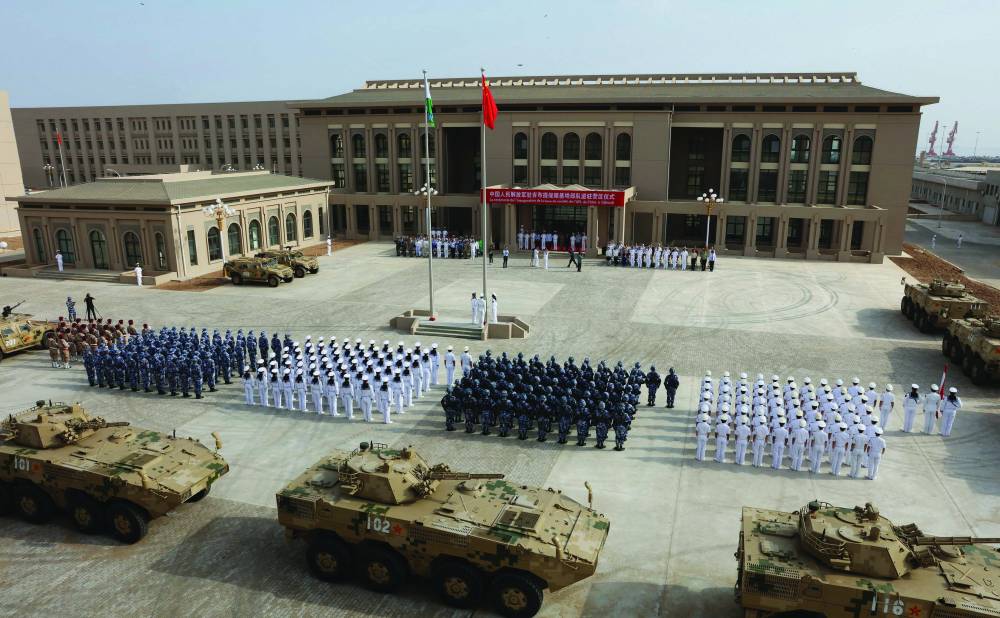
This photo, taken on 1 August 2017, shows Chinese People's Liberation Army personnel attending the opening ceremony of China's new military base in Djibouti.

Regional tensions

Despite China's extensive economic and military ties with Ethiopia, its partnership with Djibouti is assuming greater importance as conflicts across the Horn of Africa become more deeply intertwined. Beijing faces the delicate task of balancing relations with countries whose interests frequently collide, particularly Ethiopia on one side and Egypt, Sudan and Somalia on the other. These tensions centre on disputes over the Grand Ethiopian Renaissance Dam, Somaliland, and reports that Ethiopia has become militarily involved in Sudan's civil war.

Somaliland's port of Berbera presents another potential challenge to Chinese economic interests. China has invested heavily in developing the port of Doraleh in Djibouti, transforming it into a commercial and logistics hub serving trade across the region. This has benefited from Ethiopia's considerable dependence on Djibouti's ports, through which more than 90% of its foreign trade has passed.

The development of Berbera, however, has opened a competing corridor, with Ethiopia seeking to divert 30% of its cargo through the port. Underscoring the importance Beijing attaches to Djibouti's economic role, the Chinese foreign minister urged both countries to make full use of "China's zero‑tariff policy on imports and Djibouti's geographical advantages". Competition between the two ports does not necessarily mean that Beijing regards Berbera as an unequivocal threat.

Speaking to Al Majalla, Xu Mingzhi, an economics professor at Peking University, explained that Djibouti currently enjoys a comparative advantage, having already developed extensive trade and transport links with Ethiopia, including the railway connecting Addis Ababa to Djibouti.

Xu also sees potential benefits in Berbera's development. More efficient port services and improved transport networks could reduce the cost of trade and let new companies enter global markets. For Chinese firms operating in Africa, he said access to good logistics services could only be a positive, regardless of which port handles their shipments.

Berbera's significance extends well beyond its commercial rivalry with Doraleh. Its location on the Gulf of Aden is militarily important for the US, which may view the port as an alternative to, or a complement to, its existing presence in Djibouti, where restrictions apply to using Djiboutian territory and facilities for regional operations. US military officials have already visited the area, while Somaliland's authorities have signalled their willingness to offer Washington military facilities.

AFP
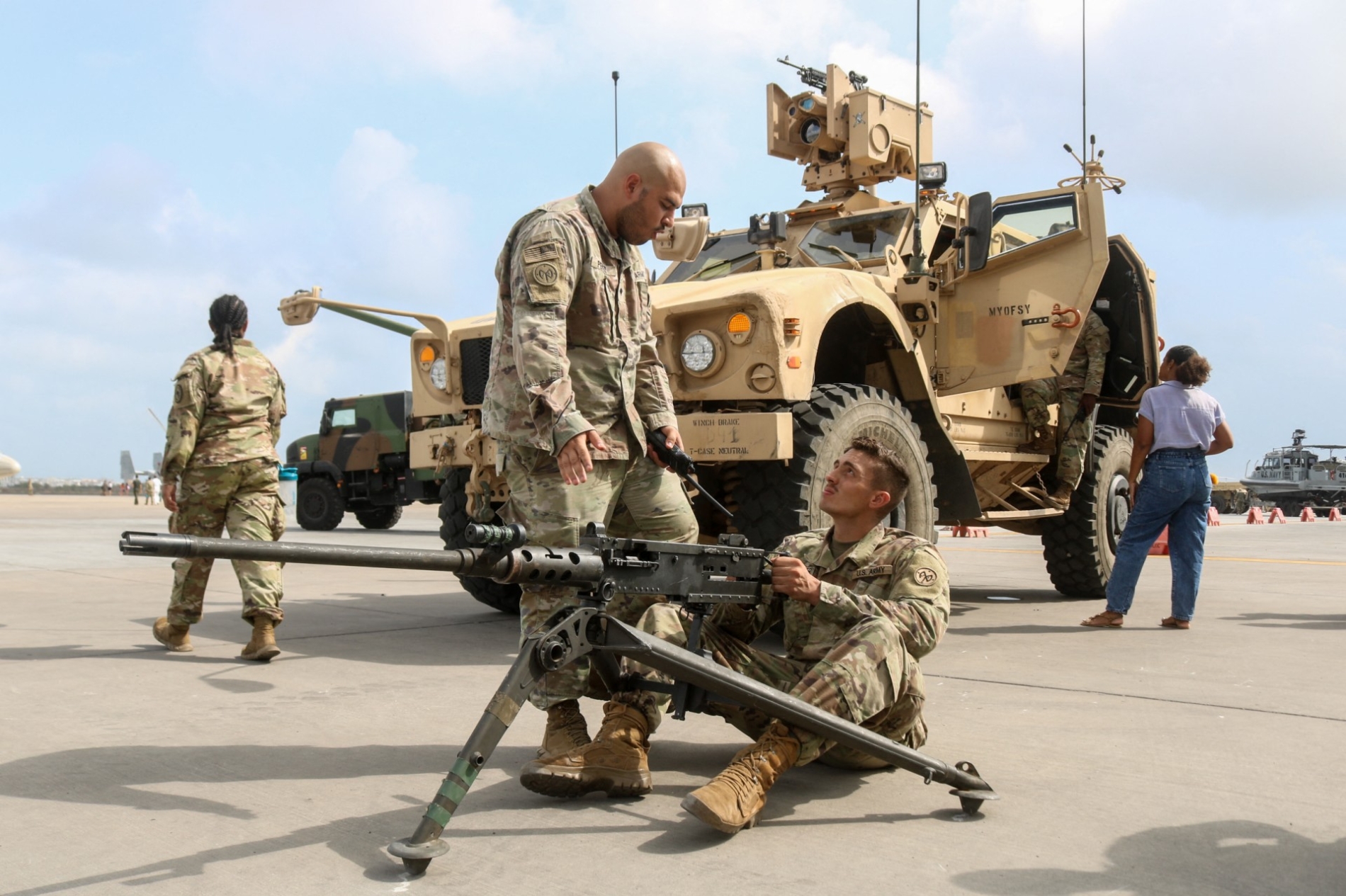
US soldiers at the US Camp Lemonnier in Djibouti, on 10 November 2022.

Playing a bigger role

For Beijing, the sensitivity surrounding Somaliland reaches beyond commerce and security. It touches on a fundamental principle of Chinese foreign policy, given the territory's close ties with Taiwan. The joint China‑Djibouti statement therefore expressed opposition to "any form of collusion between Somaliland and the Taiwan authorities". Beijing fears that international recognition of Somaliland could establish a precedent upon which political forces in Taiwan might rely.

China has previously used its influence over Ethiopia, its largest debtor in Africa, to exert pressure on Somaliland, after Ethiopia was offered access to the sea through the port of Berbera in exchange for recognising Somaliland's independence. Beijing is also closely monitoring Israel's growing presence in Hargeisa, Somaliland's capital, particularly following the arrival on 30 October of Israel's first ambassador, Michael Lotem, ahead of the planned opening of an Israeli embassy. Chinese observers believe that Israel's involvement could intensify competition and tension in the region.

China's recent diplomatic and security activities centred on Djibouti suggest that Beijing wants a more expansive role in the Red Sea and the Horn of Africa. Its ambitions now extend beyond safeguarding its interests to helping contain the region's growing sources of instability. Whether China can sustain its present level of involvement would be tested by several possibilities, including Egypt's entry into the war in Yemen (with the attendant risks to shipping through the Suez Canal), a new war between Ethiopia and Eritrea, and US recognition of Somaliland.

The war with Iran adds another crucial layer. Whether the conflict ends or continues will impact Yemen and the Houthis' position within the wider regional struggle, inevitably shaping Beijing's security and diplomatic calculations. As these uncertainties converge, China may need to deepen its engagement, but it is still calculating how to go about it.

font change