
Democratic control of Congress will increase scrutiny of the war and its economic costs, but could also make the concessions needed for a lasting agreement with Tehran more difficult to deliver.
The Democrats' sweeping victory in the US midterm elections has changed the political environment in which President Donald Trump is conducting the war with Iran, although it may have less influence over his military decisions than the scale of the Republican defeat suggests. With 54 seats in the Senate and at least 252 in the House of Representatives, Democrats will have considerable scope to challenge the administration's policies when the new Congress convenes in January. The result also reflects growing public dissatisfaction with the conflict's economic consequences, which have added to already significant concerns over the cost of living.
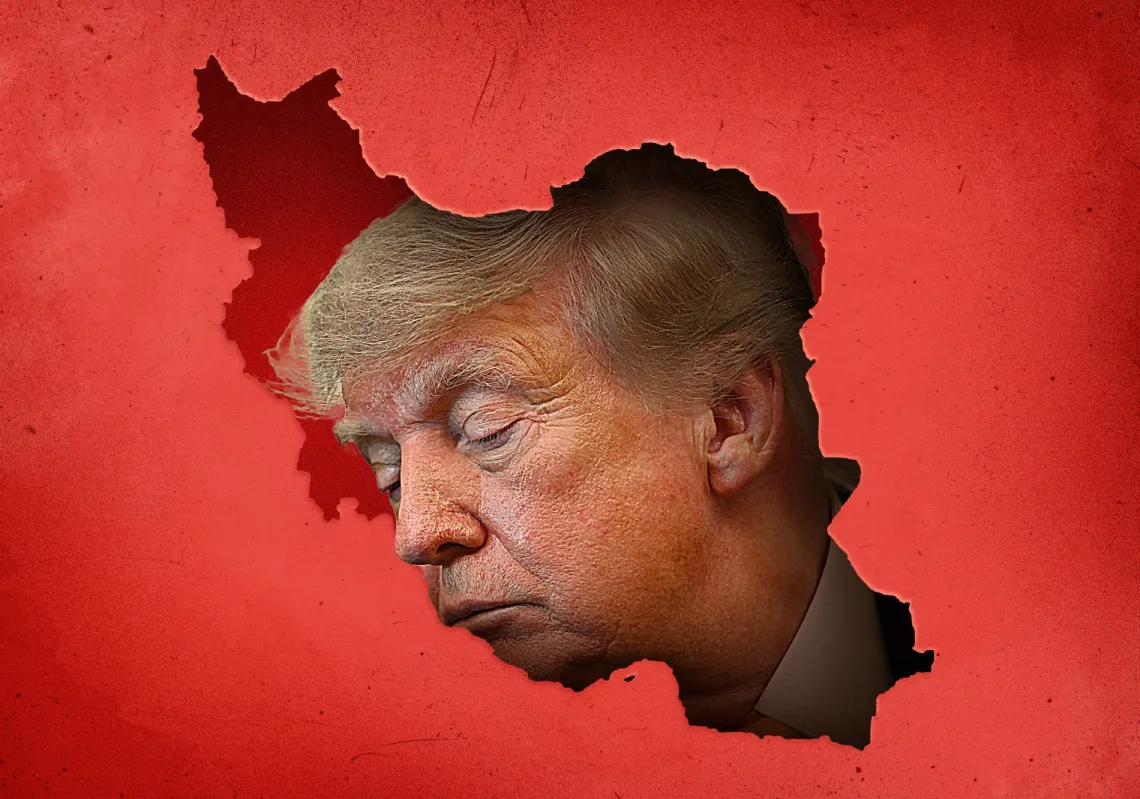
Trump, however, has no further election of his own to contest and may be more concerned with how the war defines his presidency than with its consequences for the Republican Party. Indeed, with his domestic legislative ambitions increasingly constrained by Congress, foreign policy may become a more important arena for securing a lasting achievement. An agreement that restores freedom of navigation through Hormuz, restricts Iran's nuclear programme, and brings down energy prices would let him claim that military pressure achieved what previous diplomatic efforts could not.
The difficulty is that such an agreement would require substantial economic concessions to Tehran, potentially including sanctions relief, the release of frozen assets and an end to the US blockade. The midterms have added a complication: while a Democratic Congress could increase pressure to end the conflict, it could also make a comprehensive settlement harder to implement. Trump's freedom to continue military operations remains considerable, but his ability to offer Iran lasting economic guarantees may become more constrained.
The Democrats will have greater opportunities to scrutinise the administration's conduct of the war, including its military objectives, expenditure and the legal basis for continued operations. In June, the administration requested $87.6bn in additional funding, largely to support the conflict, shortly after the Senate passed a war powers resolution. Further funding requests will provide Congress with opportunities to challenge the administration, although legislation intended to restrict military operations would still face the prospect of a presidential veto.
The political consequences extend beyond Congress. An ABC News survey found that 34% of voters considered the war crucial to their midterm decision, while Vice President JD Vance has acknowledged its contribution to the Republican defeat. Trump, meanwhile, has defended his decision to launch the campaign, saying he would make the same choice again.
These differences could become increasingly significant as Republicans begin positioning themselves for the 2028 presidential election. Vance and other potential successors must consider how the party recovers from its defeat and whether continued military operations, particularly if accompanied by high fuel prices and inflation, will become a political liability. Trump has a different calculation. With his remaining time in office limited, he may value securing an outcome he can present as a decisive strategic achievement.
De-escalation not guaranteed
Consequently, there is little reason to assume the election will necessarily encourage de-escalation. Trump could seek a comprehensive settlement, intensify military pressure to improve Washington's negotiating position or maintain the blockade in the expectation that Iran will eventually accept American terms. Each approach carries risks, especially as congressional scrutiny increases and the war's economic consequences remain visible to American households.
The question is whether the administration can translate its military and economic leverage into an agreement that satisfies Trump's ambitions while remaining politically and legally deliverable in Washington.
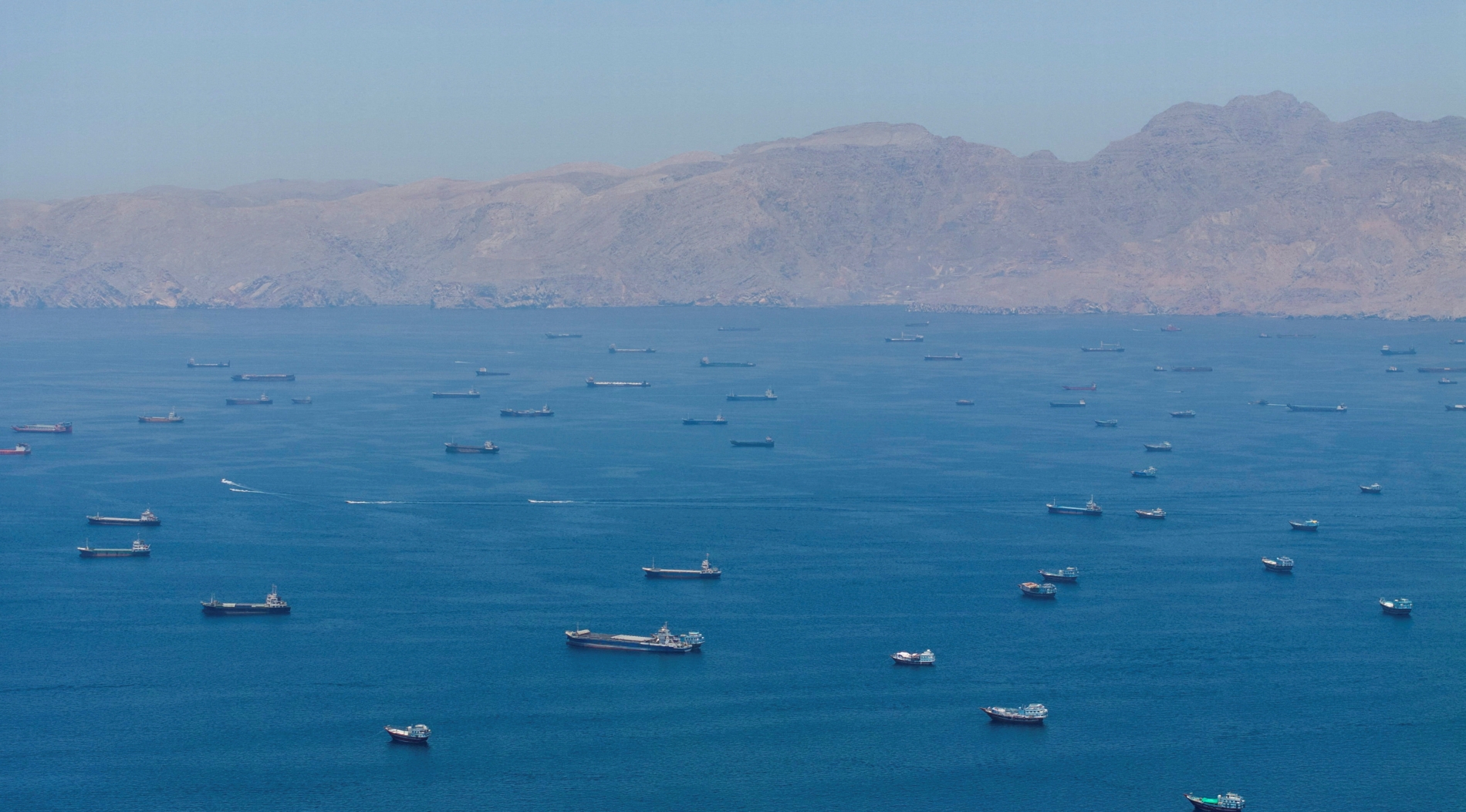
Iran's principal leverage remains its ability to threaten commercial traffic through the Strait of Hormuz. Before the conflict, approximately 20 million barrels of oil and petroleum products passed through the waterway each day, representing around a quarter of global seaborne oil trade. Almost 20% of global liquefied natural gas trade also depended on the strait, including the overwhelming majority of exports from Qatar and the UAE.
The disruption has imposed considerable costs on international energy markets and the Gulf economies, but Iran has also suffered from the restrictions on maritime trade. After the US reimposed the blockade in July, Iranian oil exports reportedly fell to negligible levels, depriving Tehran of revenues that had amounted to at least $30bn in 2025. The rial reached approximately 2.7mn to the dollar in early October, while the IMF projected average inflation approaching 69% in 2026.
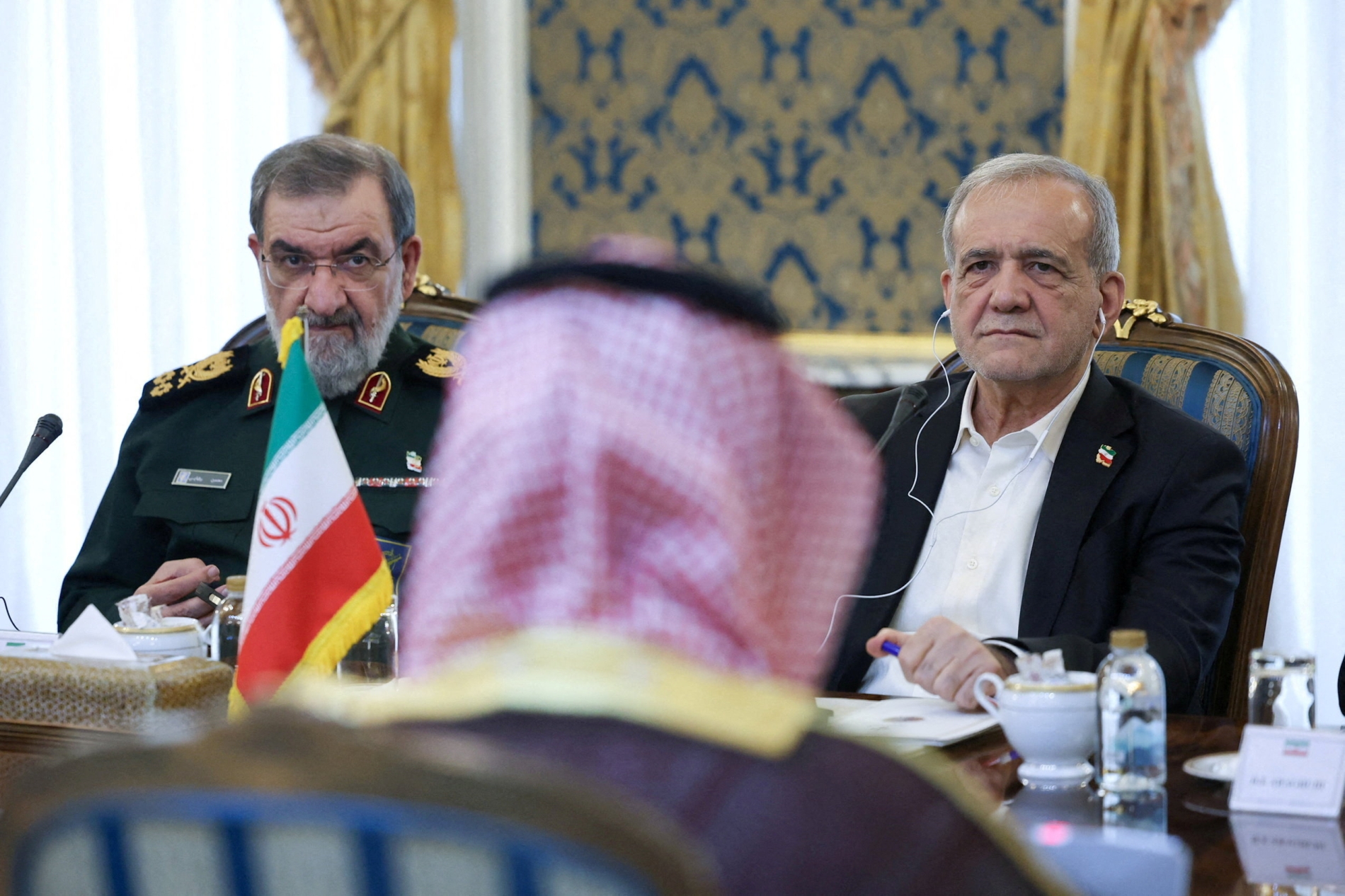
These pressures help explain Tehran's insistence that economic relief must precede further concessions. Washington can offer to remove the blockade, allow the resumption of oil exports, grant sanctions waivers, and provide access to restricted funds. In return, it would expect unrestricted commercial passage through Hormuz, limits on Iran's nuclear activities and assurances against renewed attacks on regional energy infrastructure.
The sums involved are substantial. Estimates place Iran's frozen overseas assets at about $100bn, although the funds are held under different legal arrangements and not all would be immediately accessible. Before the June negotiations, Tehran reportedly sought the release of $24 bn, including half upon signing an agreement. A proposed $300bn reconstruction fund was also discussed, although this was envisaged as a privately financed initiative rather than a commitment of American government funds.
The June memorandum of understanding offered a framework for exchanging these concessions, with the lifting of the blockade and reopening of Hormuz followed by negotiations on nuclear restrictions and sanctions relief. Its subsequent collapse showed how difficult it is to agree on which side should act first. On 8 November, Iranian Foreign Minister Abbas Araghchi reaffirmed a proposal under which Washington would ease restrictions and lift the blockade before Iran reopened Hormuz the following day. Secretary of State Marco Rubio has rejected elements of Tehran's conditions, leaving the sequencing of concessions unresolved.
For Iran, the distinction between temporary financial relief and durable access to international markets is critical. Releasing frozen assets could provide immediate support to an economy under severe pressure, but sustained recovery would require renewed oil revenues, functioning banking relationships, and foreign investment. Companies would be reluctant to return while the possibility of reimposing sanctions remained high.
Congressional approval needed
This is where the midterm results could most influence negotiations. Trump can suspend or waive many sanctions through executive authority, but permanently removing restrictions Congress established would require legislative cooperation. An agreement addressing Iran's nuclear programme would also face congressional review, during which implementation of certain sanctions relief would be restricted.
Democratic control would not necessarily prevent an agreement. Congressional opposition would depend on its provisions, particularly the credibility of nuclear verification and the security assurances offered to Gulf partners. Indeed, Democrats who have criticised the continuation of military operations may support a negotiated settlement. Nevertheless, a comprehensive agreement that includes permanent sanctions relief would be harder to deliver without congressional cooperation.
This creates an important distinction between what Trump can negotiate and what Washington can guarantee. A settlement relying principally on executive waivers could be implemented relatively quickly, but Tehran would have little assurance that those concessions would survive a change of administration. Political changes in Washington may therefore favour a narrower arrangement the White House can implement independently, even if it falls short of Trump's ambitions for a lasting settlement.