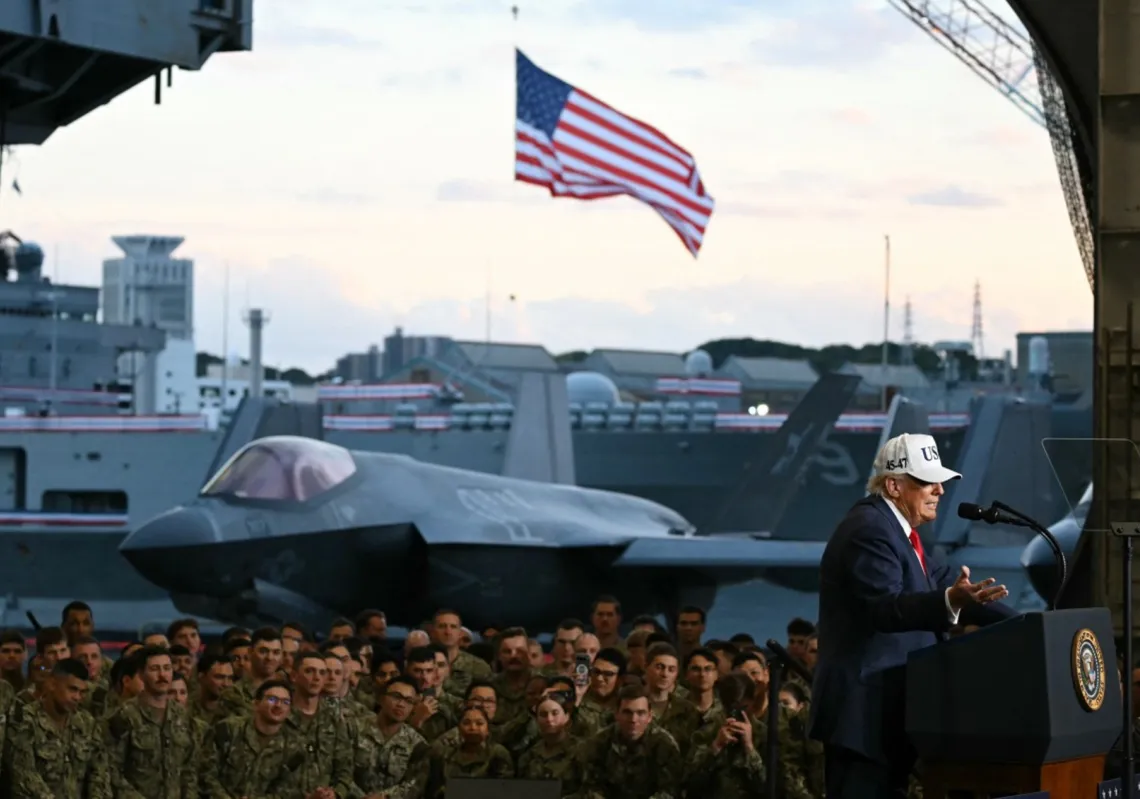
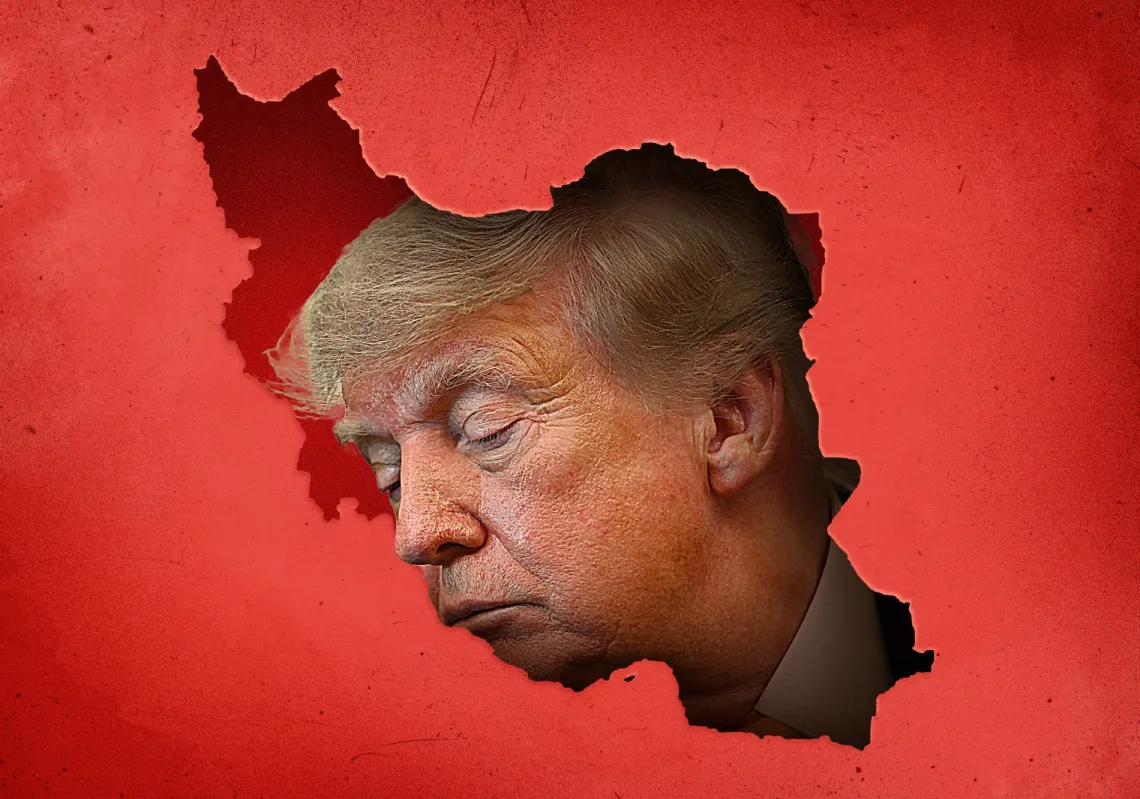
Both Tehran and Washington have powerful incentives to resolve the conflict through negotiations, but actors on both sides have their own reasons to derail these efforts
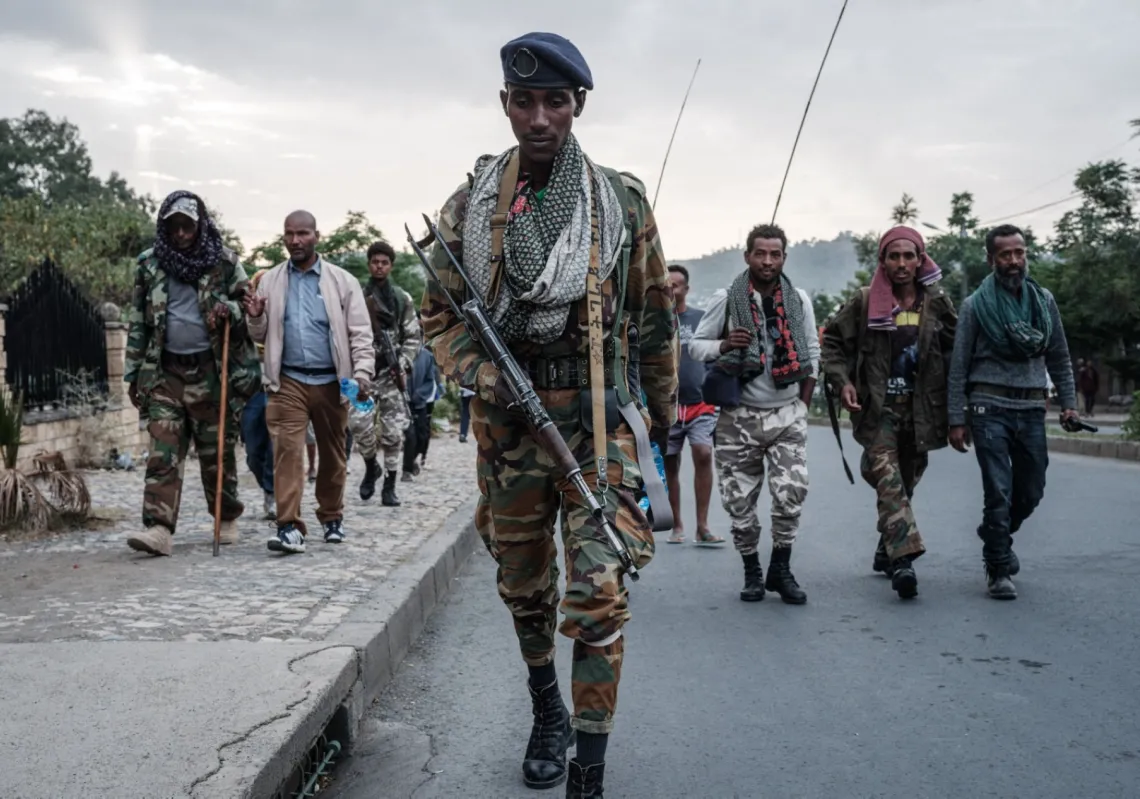
Both the government in Addis Ababa and armed Tigrayan independence fighters have their supporters, from as near as next door to as far away as Tel Aviv
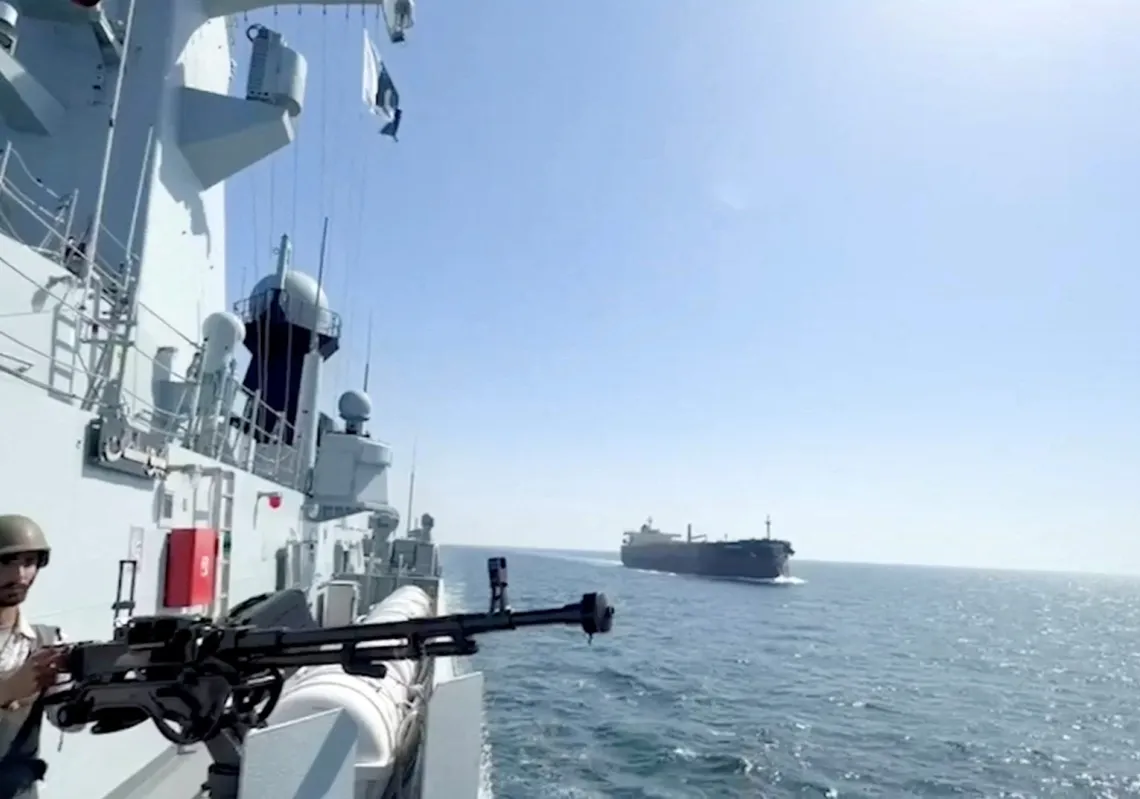
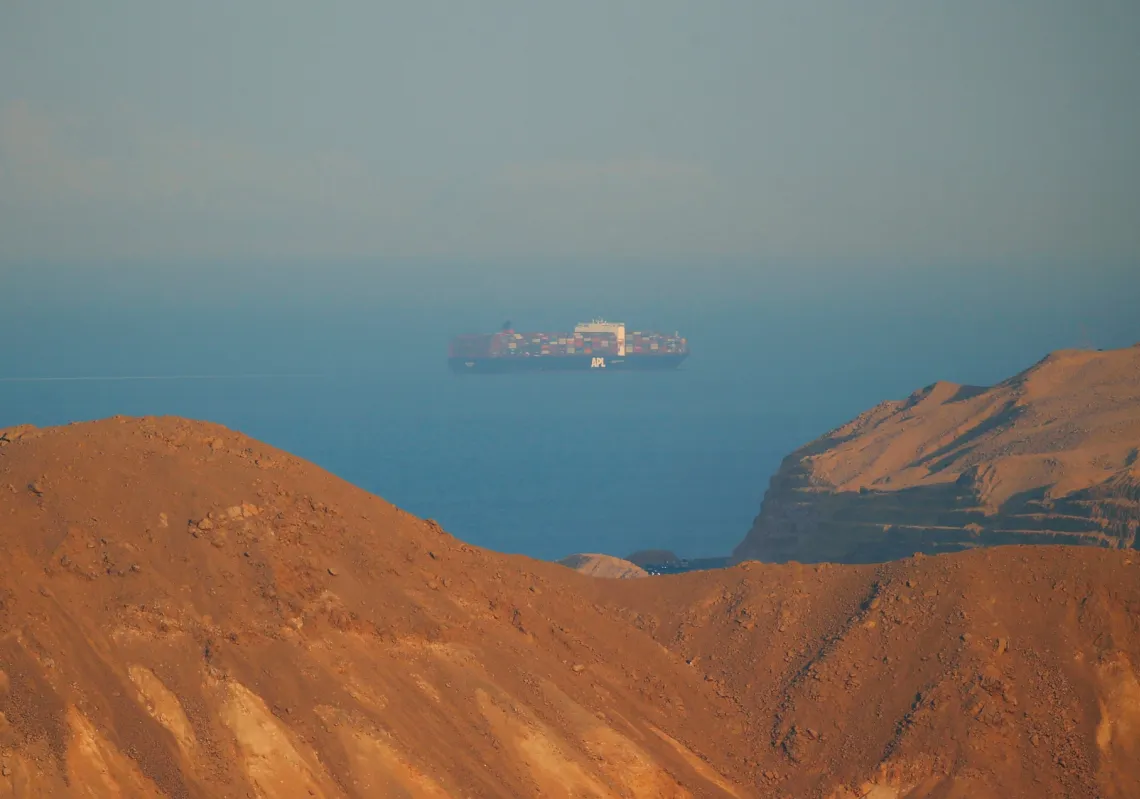
Does the declaration recently signed in Riyadh indicate a gradual transition towards a regional security architecture that will assume responsibilities long borne by external naval powers?
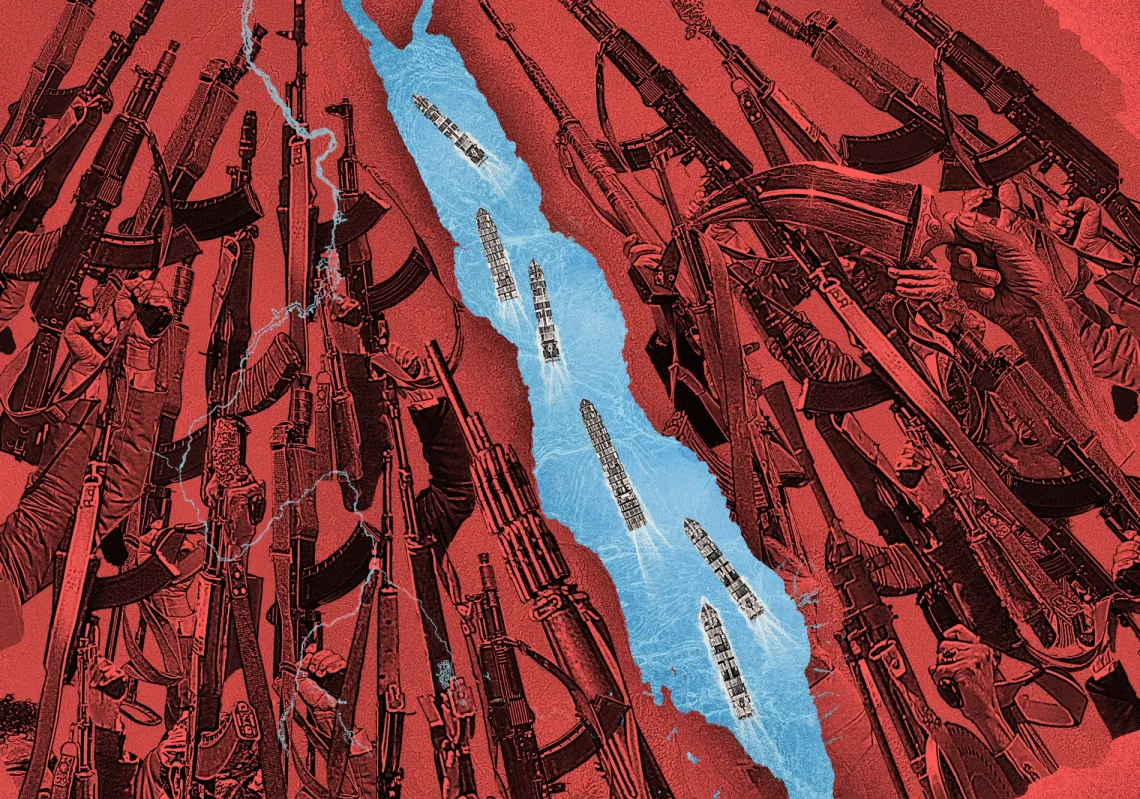
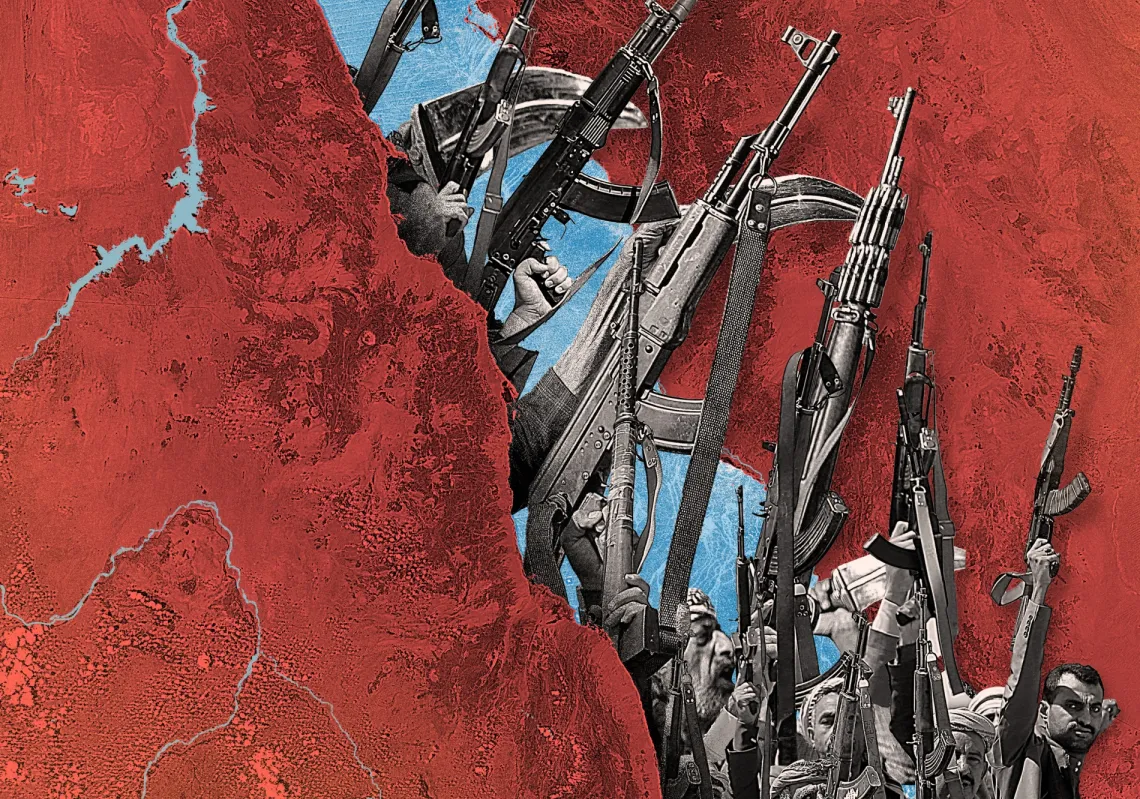
As the armed group will likely widen the scope of their phased attacks on Saudi shipping, ports and energy assets, Riyadh and the Yemeni government will likely respond delicately, yet decisively
A major Egyptian gas facility on the Mediterranean coast was attacked by unknown parties, but both Iran and the Houthis denied responsibility. So, who was behind it?
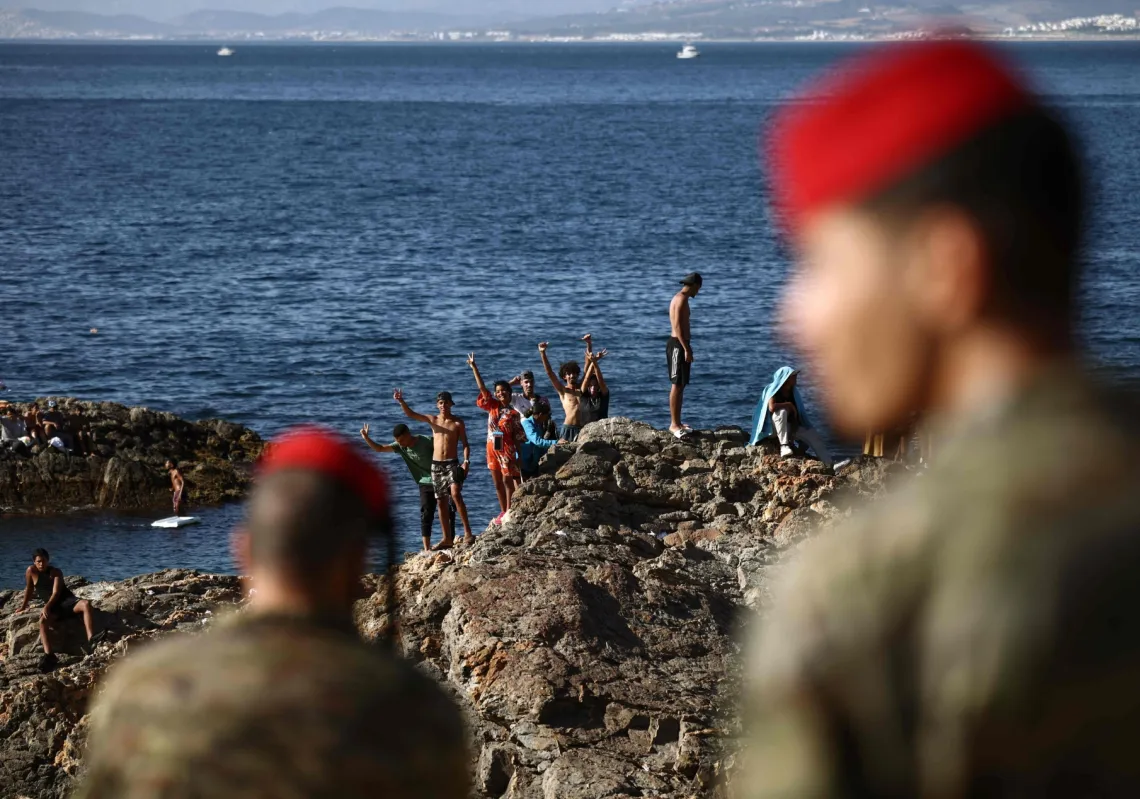
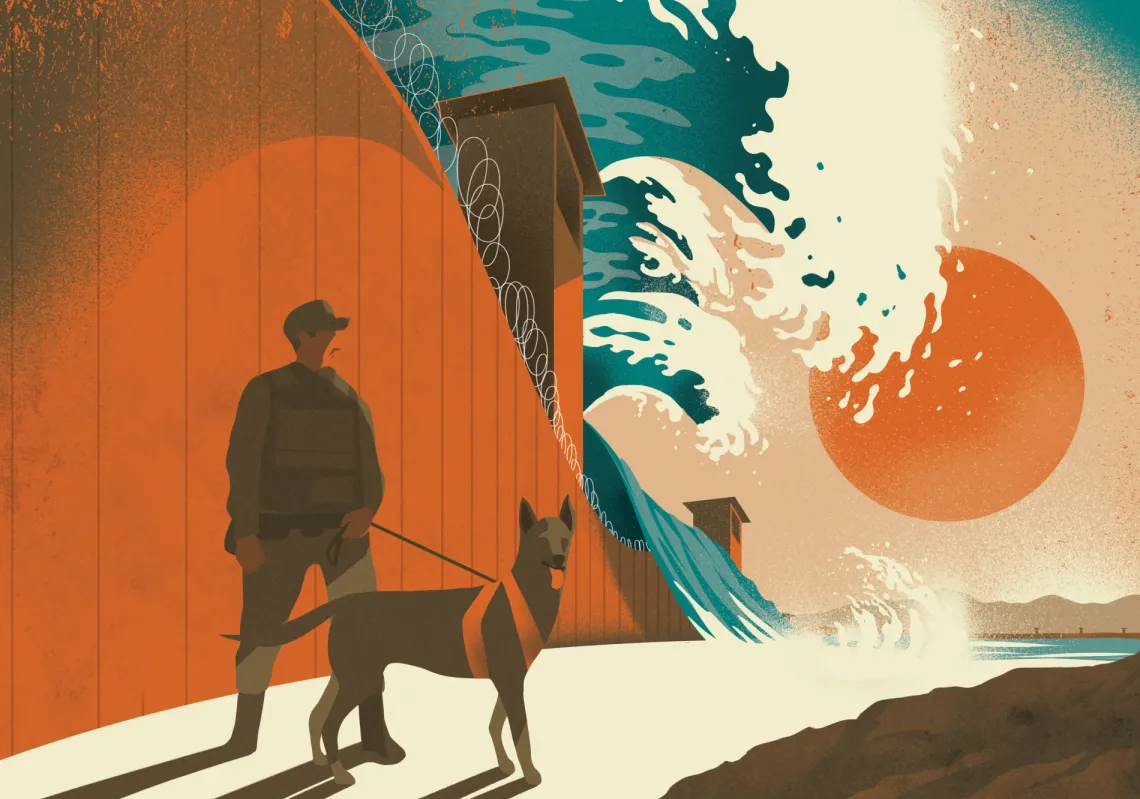
The abrupt crossing of some 60,000 Moroccan migrants into Spain has thrown the Schengen's future into question, even though most have already returned home
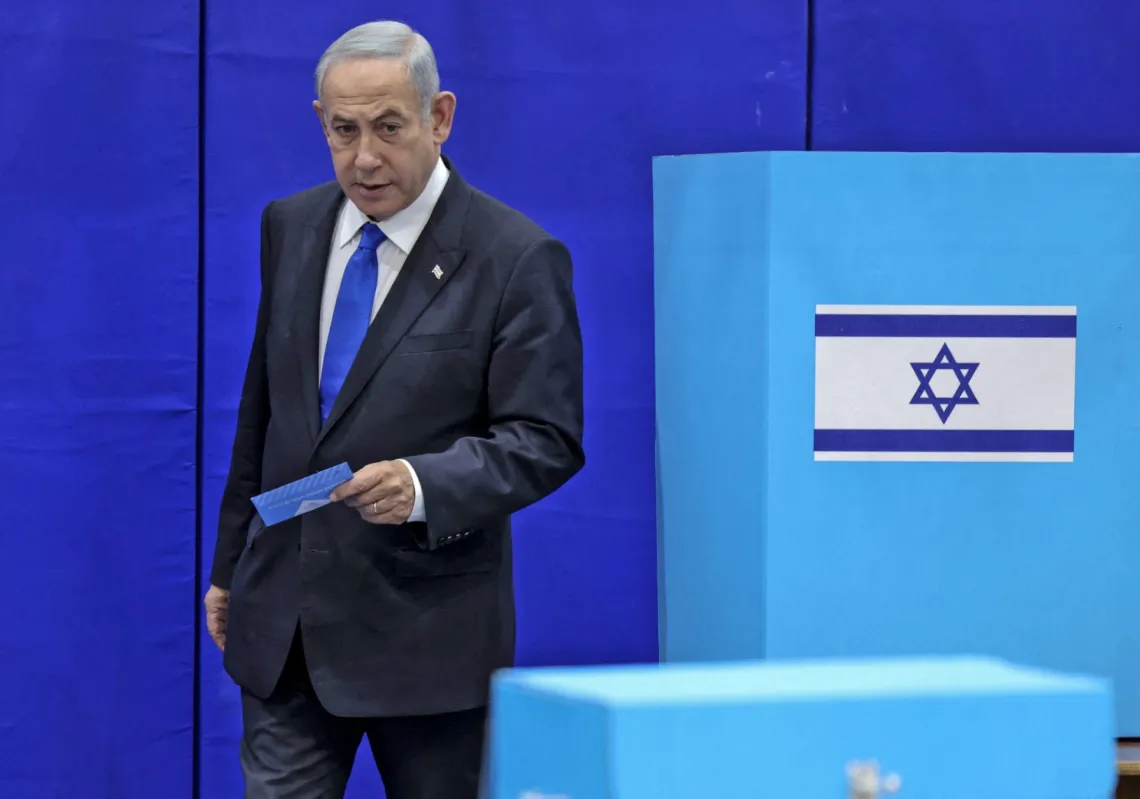
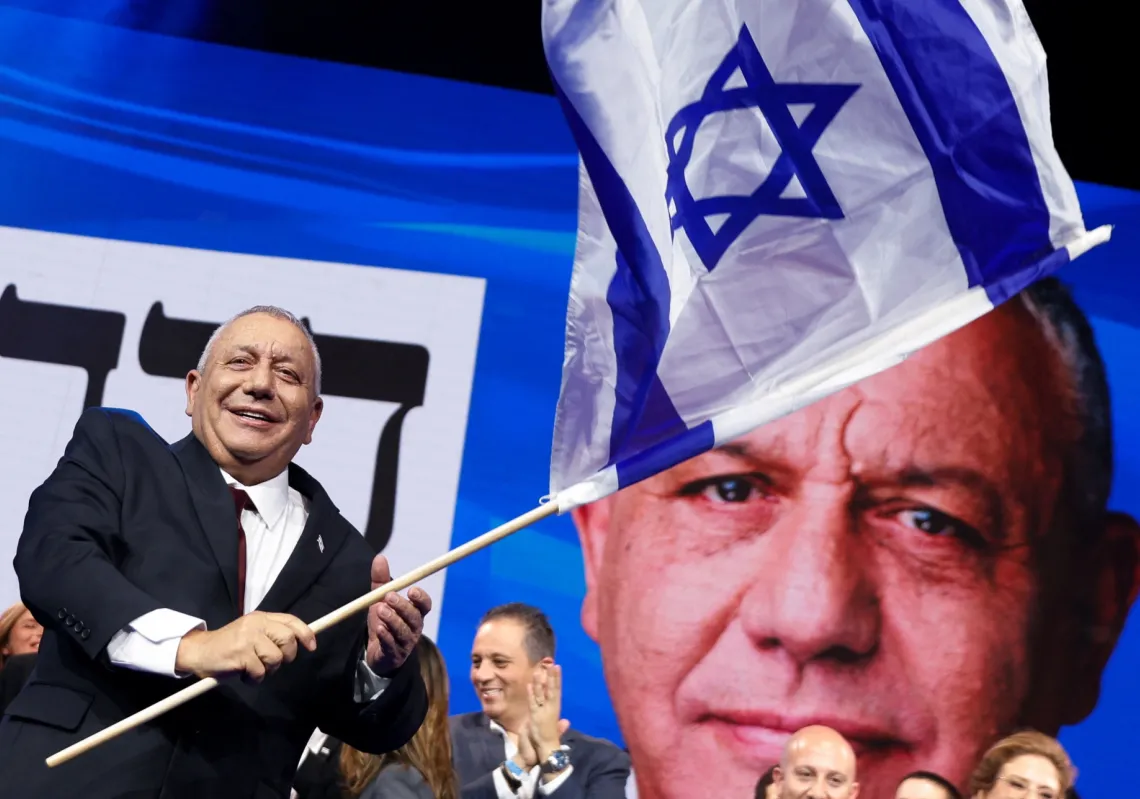
Gadi Eisenkot, who may form a government, hails from a Moroccan-Jewish family. Israel's 15 prime ministers have all had European or Russian heritage. Is it time for a change?
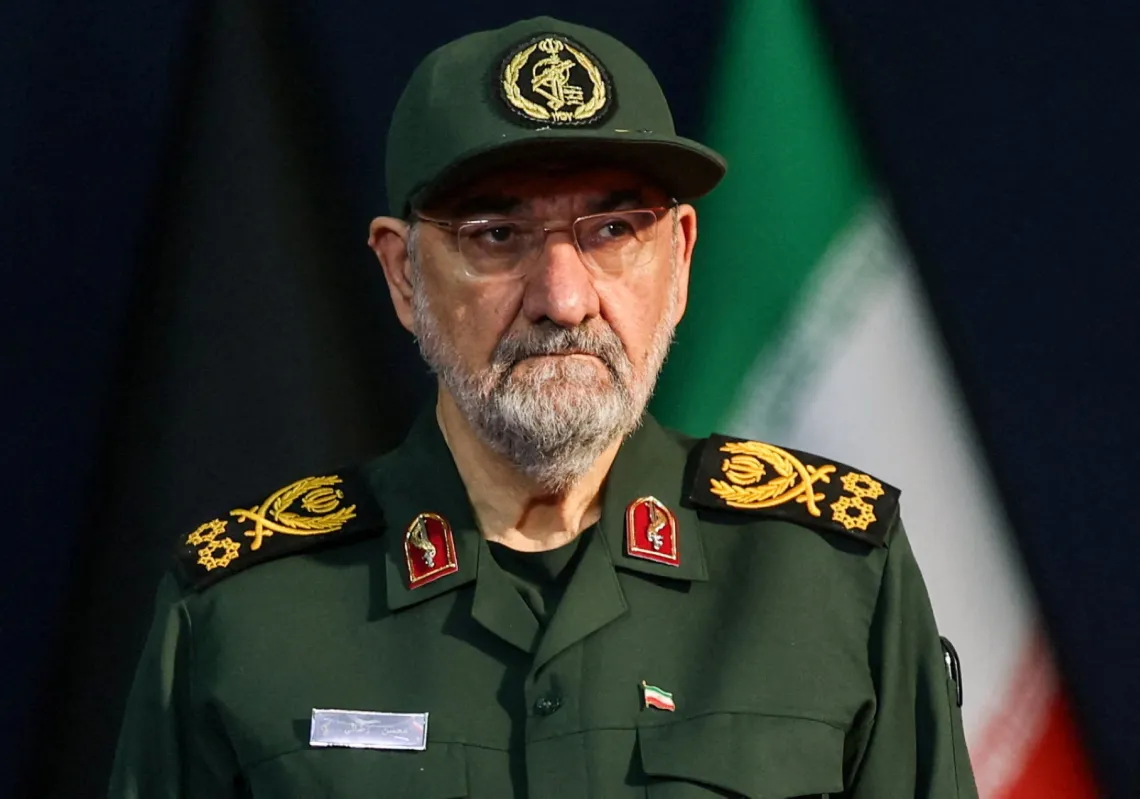
The former IRGC general was recently appointed as secretary of the Supreme National Security Council. For the US, the danger is mistaking his prominence for a willingness to deliver concessions
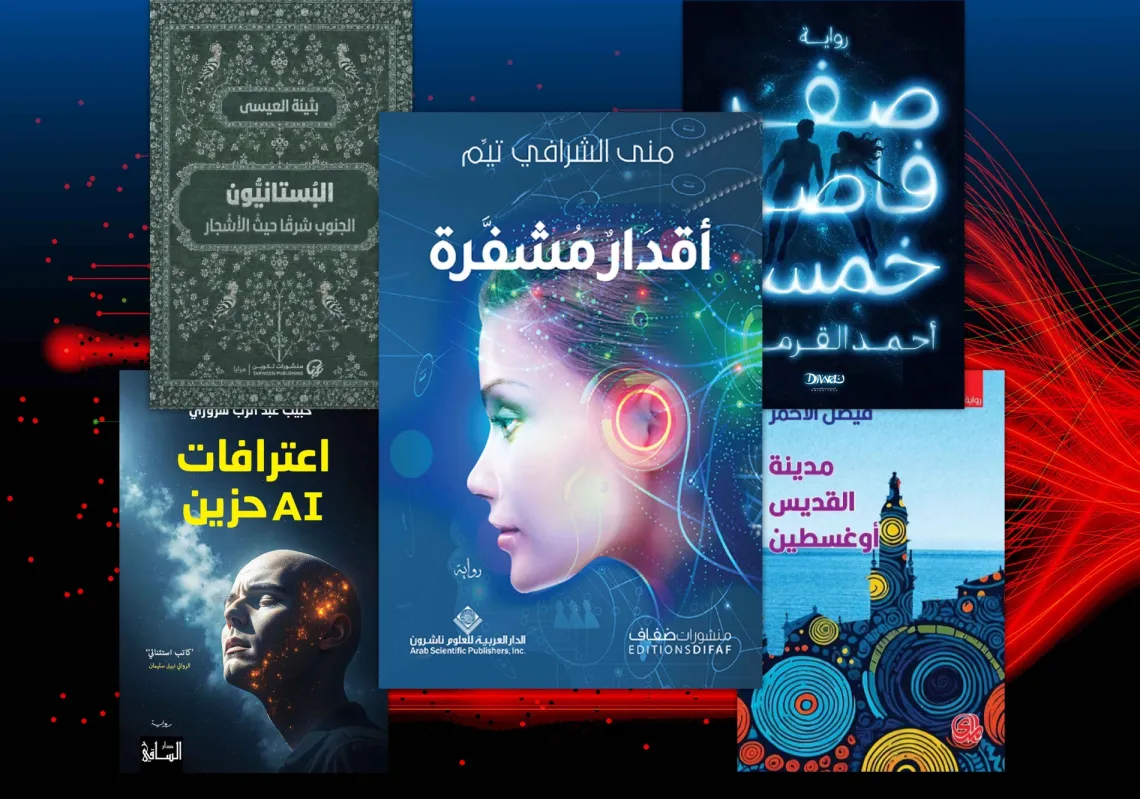
From machines that develop human emotions to societies governed by artificial intelligence, Arab novelists explore the promises and perils of a radically transformed future