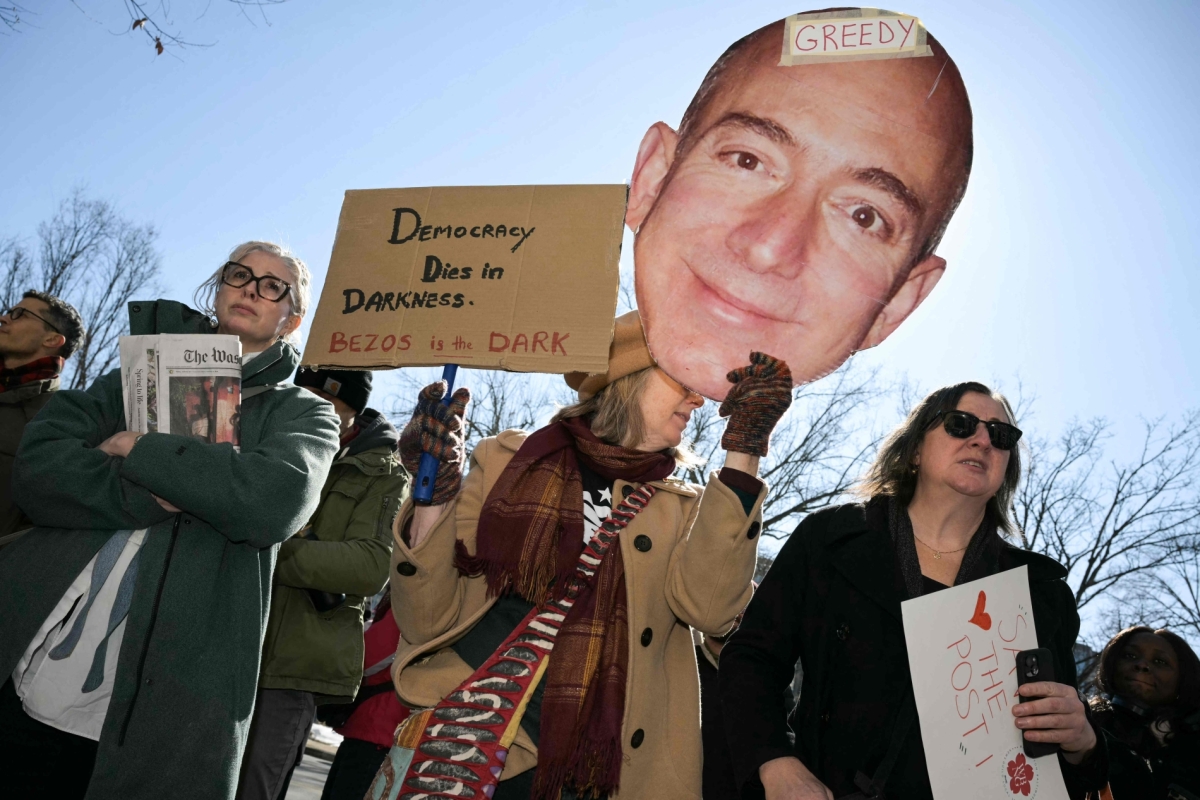

Amazon founder Jeff Bezos’s reputation as one of the world’s most dynamic and successful business pioneers is under intense scrutiny due to his controversial ownership of the Washington Post.
For decades, the liberal-leaning legacy paper has been regarded as one of America’s most feted media organisations, both for the exceptional quality of its coverage of world events and its no-holds-barred reporting on American politics.
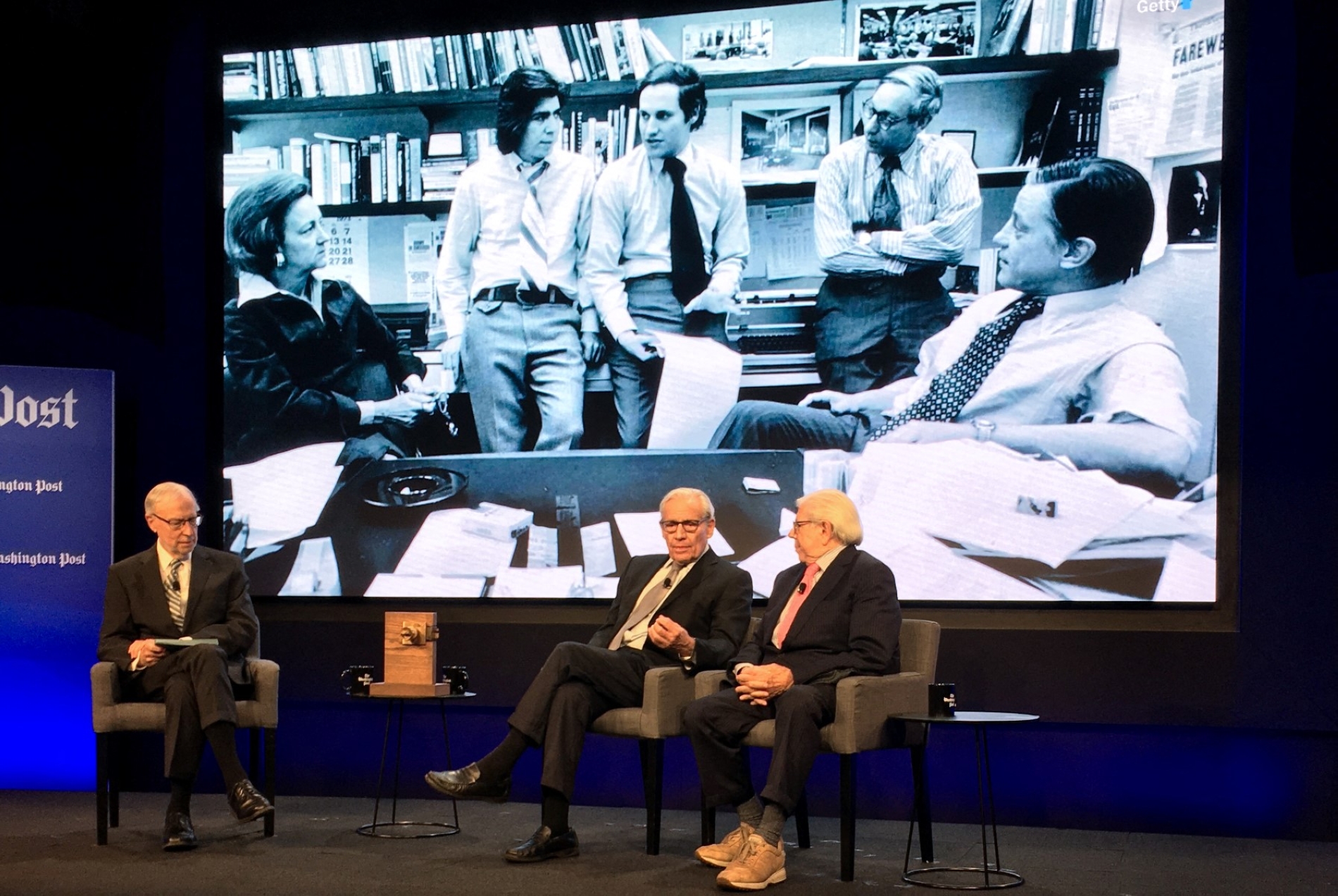
The high point of the Post’s uncompromising approach to investigative journalism was undoubtedly its role in exposing the Watergate scandal in the 1970s. This ultimately resulted in the resignation of Republican President Richard Nixon in 1974 over his administration’s involvement in bugging their Democratic rivals.
Yet, despite its reporters winning dozens of Pulitzer Prizes for their coverage of key events over the decades, by the turn of this century, the Post found itself facing financial uncertainty as it struggled to adapt to the challenges of the digital age.
This ultimately resulted in 2013, with Bezos, whose ownership of his global Amazon empire has made him one of the world’s richest entrepreneurs, deciding to purchase the Post from the Graham family, the renowned Washington media dynasty that had owned the newspaper for decades.
At the time, Bezos’s purchase of the Post was seen by many as a lifesaving move, with expectations that the wealthy entrepreneur would use his exceptional business acumen to enable the publication to thrive in the digital age.
Bezos had, after all, demonstrated his remarkable ability to monetise the World Wide Web through his bold plan to create his Amazon empire back in 1994, when, as a 30-year-old Princeton graduate with a successful career working for a Wall Street investment bank, he decided to set up his own company.
Having identified the commercial potential provided by selling goods online, Bezos moved his family to Seattle, where, having raised $1mn from family and friends, the entrepreneur began selling books from the garage of his family home.
Just four years after Bezos founded Amazon.com, the virtual bookstore became the template for how e-commerce businesses should be run, with sales exceeding $610mn and more than 13 million customers worldwide.
And it was the success of this initial introduction to the world of e-commerce that enabled Bezos to eventually turn Amazon into one of the world’s dominant retailers, as well as expand its operations into media outlets with the development of streaming services such as Amazon Prime.
But while Bezos’s entrepreneurial skill in turning Amazon into the world’s dominant retailer, with estimates suggesting the company controls around 40% of all online retail sales, has earned him many plaudits, his decision to acquire ownership of the Washington Post has proved to be more problematic.
He has been accused of quietly changing the Post’s editorial line, which has traditionally been pro-Democrat, to make it less critical of the Trump administration’s policies.
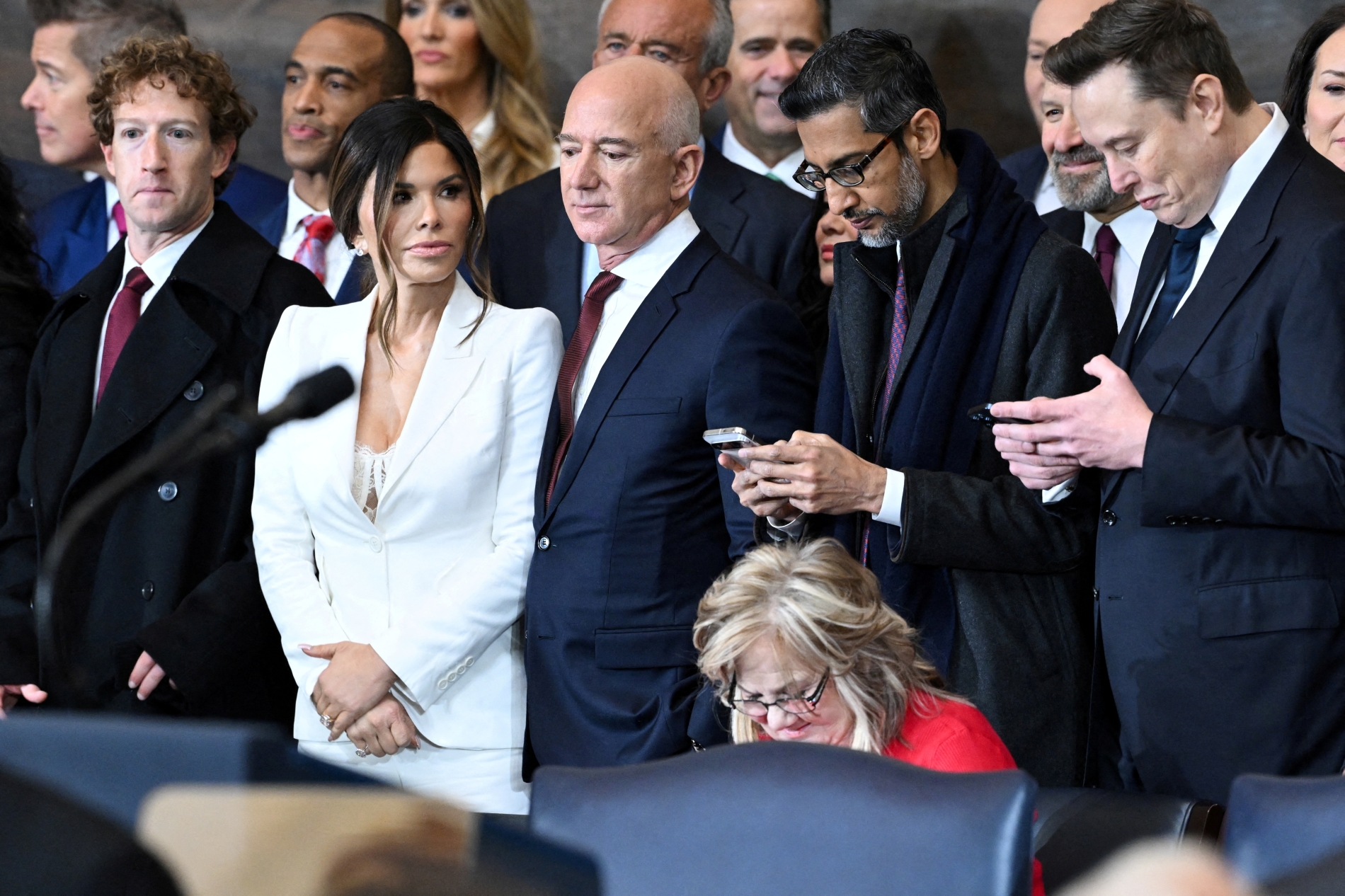
The first clear indication that Bezos was seeking to steer the Post in a different editorial direction came on the eve of the 2024 presidential election, when he was accused of personally ordering the removal of an editorial endorsing Democratic nominee Kamala Harris on the eve of the election.
The move prompted a subscriber exodus, further adding to the organisation’s financial woes. And it led to allegations by former prominent Post journalists that Bezos was vandalising the paper to appease Trump and protect his other, much larger, businesses. “Bezos is not trying to save The Washington Post,” wrote former Post journalist Glenn Kessler in an essay. “He’s trying to survive Donald Trump.”
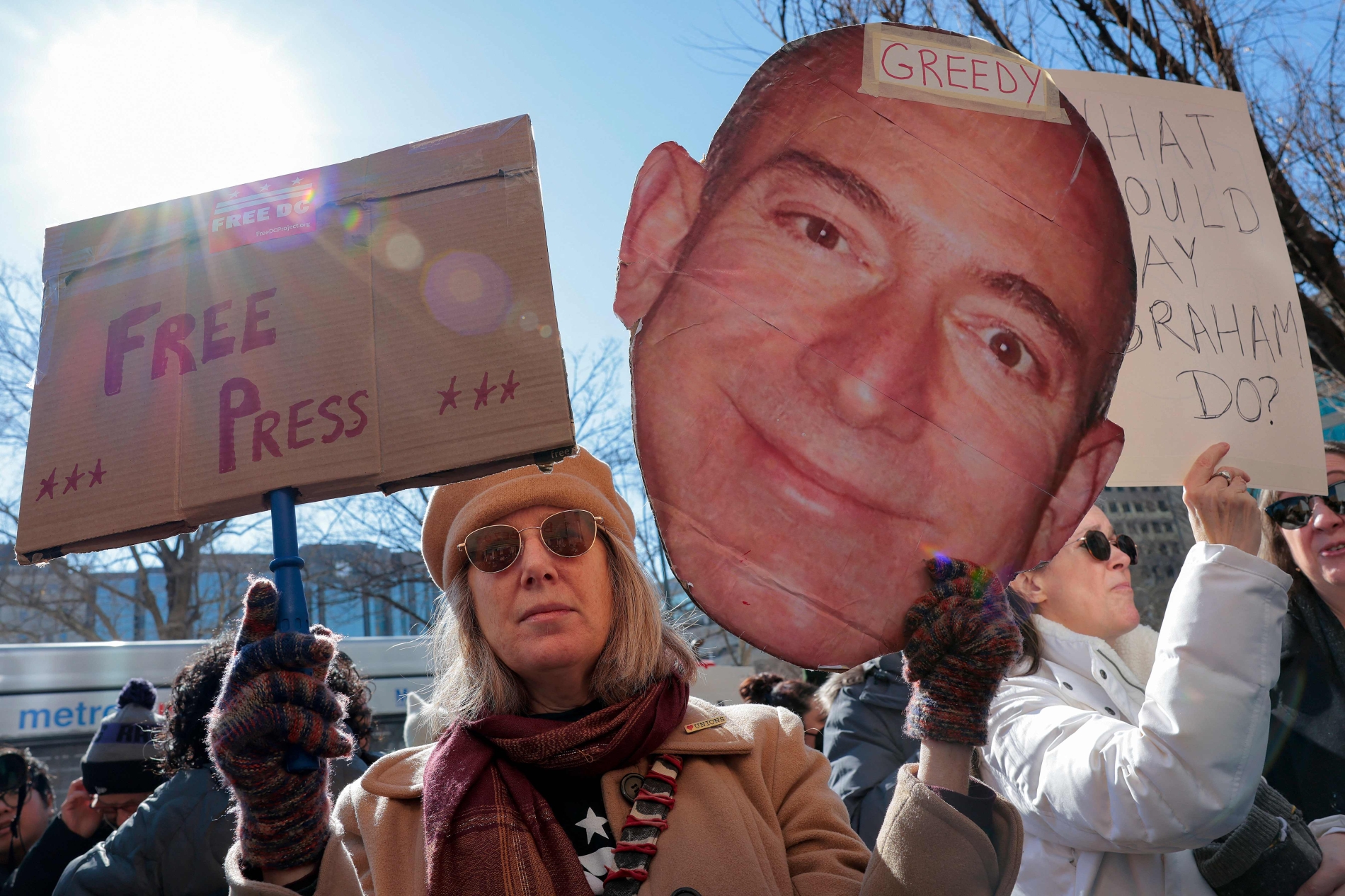
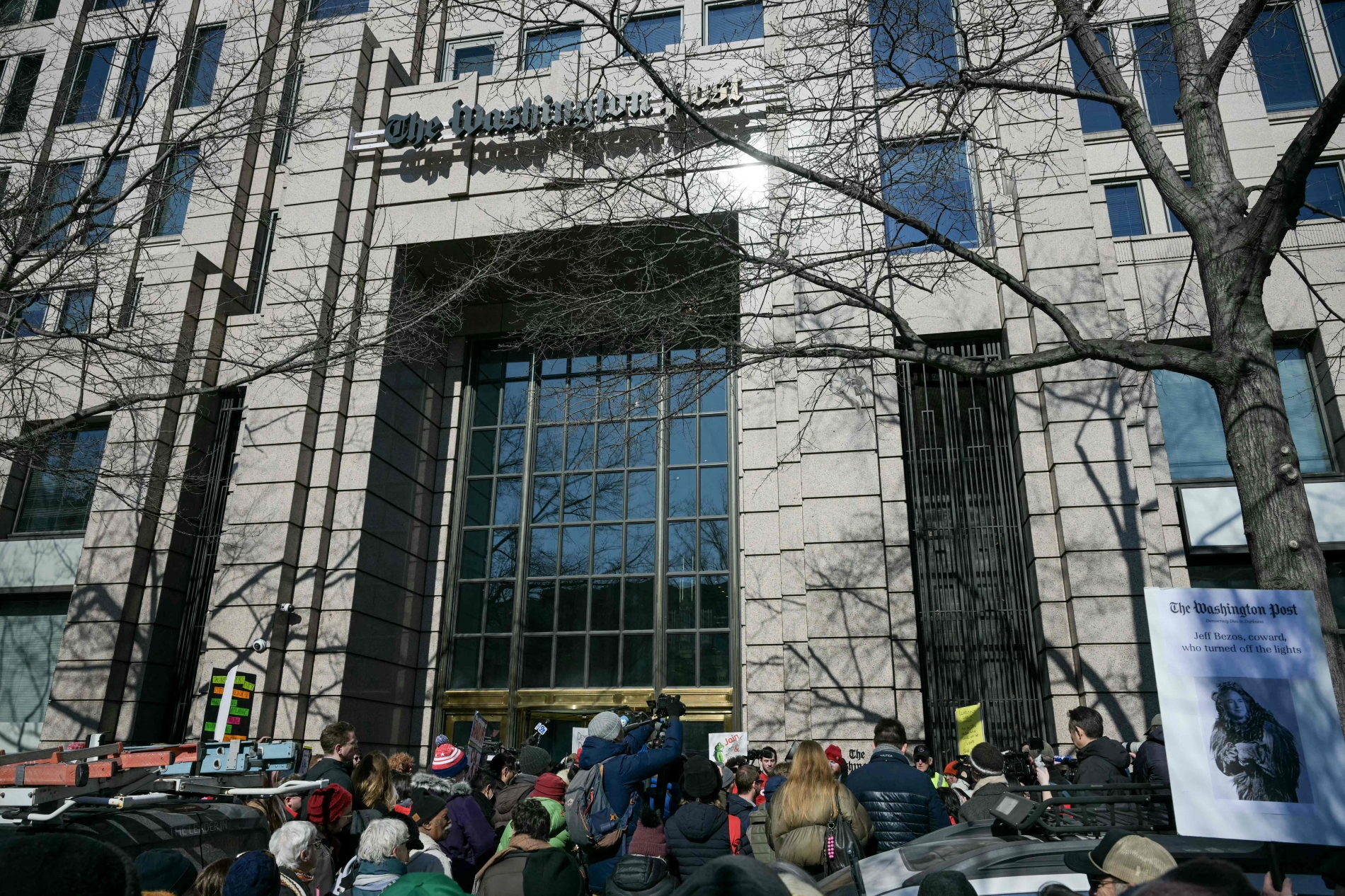
The controversy surrounding Bezos’s ownership of the Post, has deepened further after it was announced earlier this week that the newspaper’s management was making one-third of the workforce redundant in order to cut costs.
Managers at the media company insist that, with annual losses projected at $100mn per year, the measures are vital to ensure its long-term survival.
But the sheer scale of the cuts, which have resulted in the wholesale closure of the sports and books departments, and savage reductions to the Post’s globally recognised international coverage, have provoked an outcry from both staff and readers alike.
In a move described by one former executive editor as being “among the darkest days” in the newspaper’s history, management blamed the decision on the fact that the paper's online traffic had plummeted in the last three years amid the artificial intelligence boom.
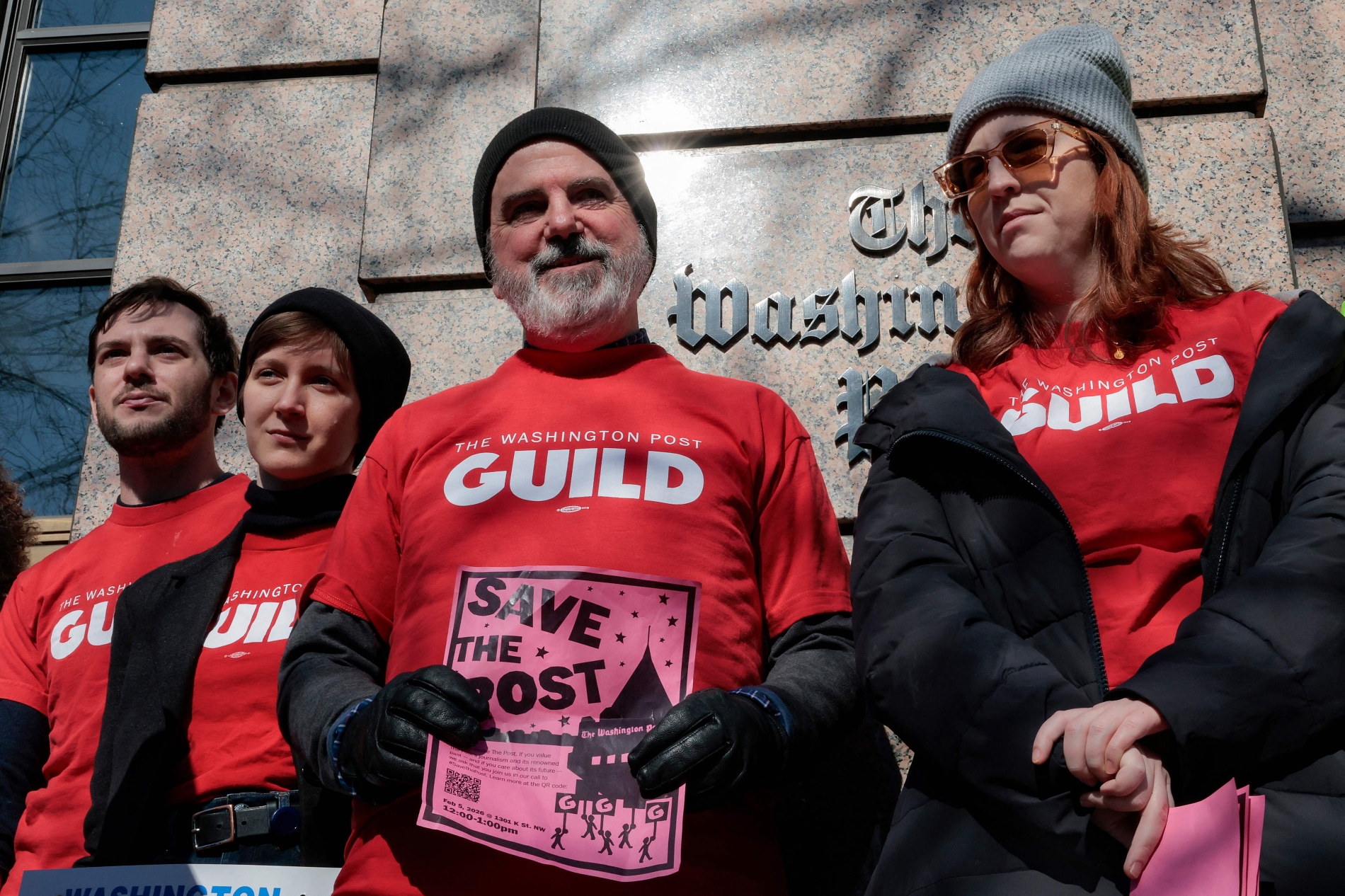
Executive editor Matt Murray said the cuts would bring "stability". But the announcement was met with condemnation from the paper's employees and some former leaders, one of whom described it as among the "darkest days in the history of" the storied newspaper.
"Today's news is painful. These are difficult actions," Murray wrote in a note to staff on Wednesday.
"If we are to thrive, not just endure, we must reinvent our journalism and our business model with renewed ambition."
Laid-off journalists took to social media, with many voicing anger about the decision to scale back coverage of foreign news. One employee, not authorised to speak publicly, said: “It’s an absolute bloodbath.”