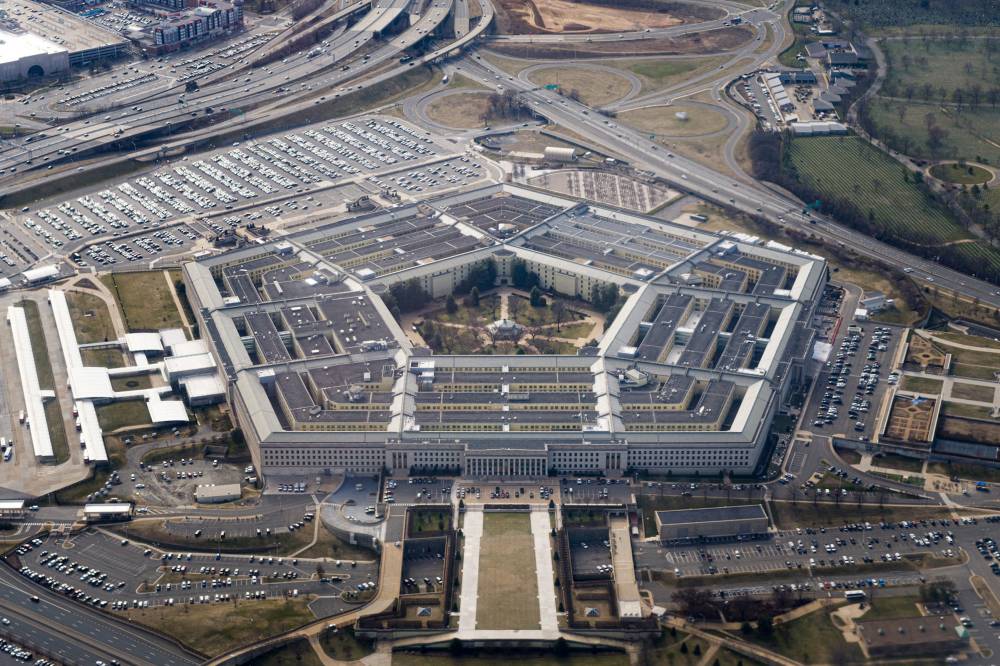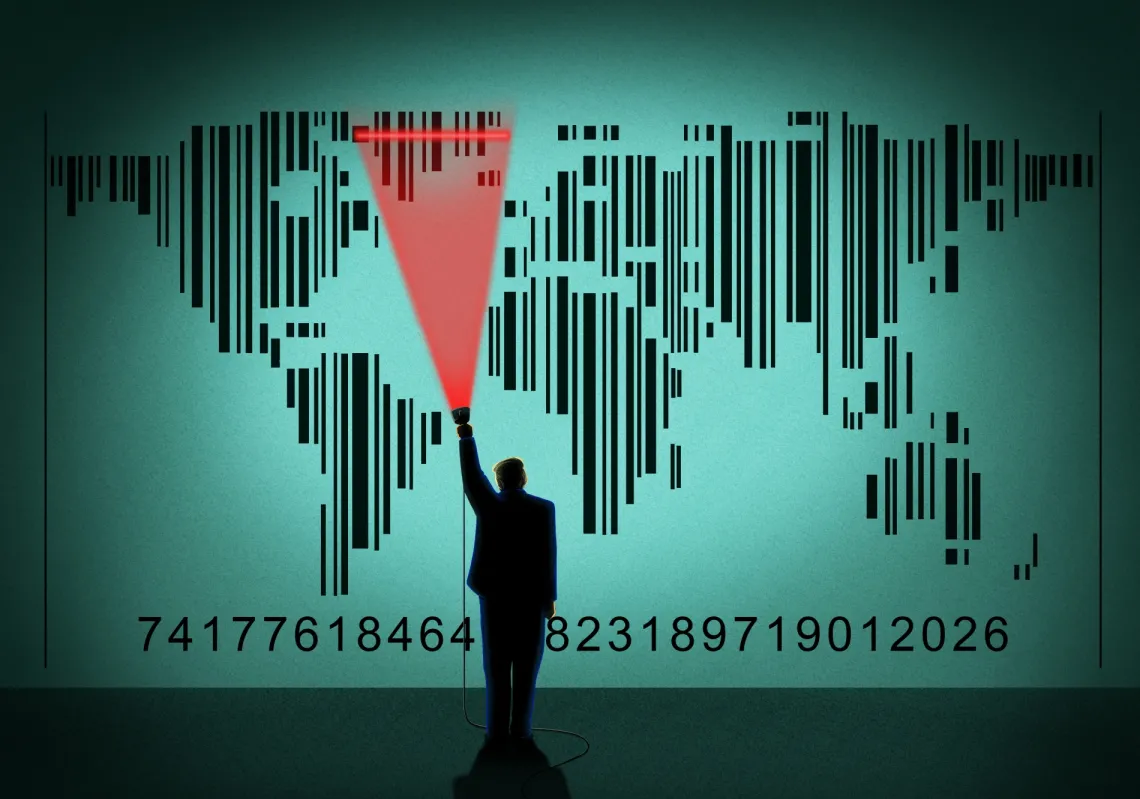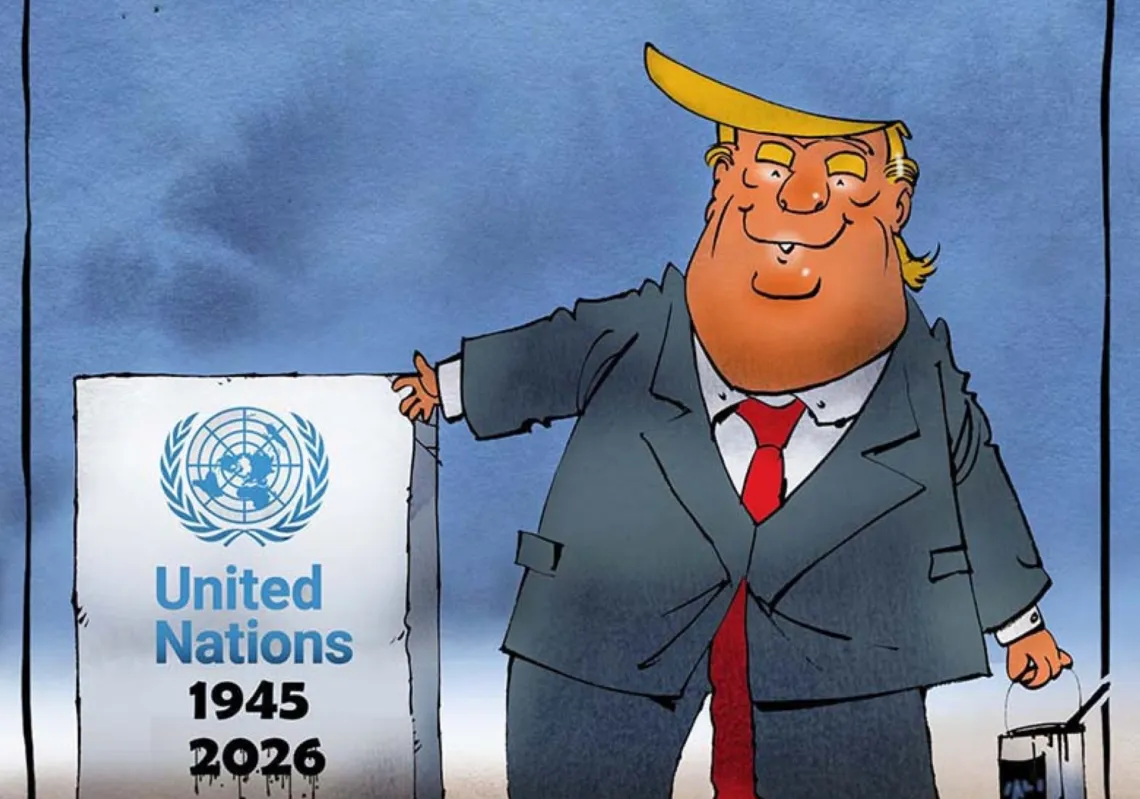

The United States’ recently published 2026 defence strategy raises more questions than it answers. On the surface, it points to a sweeping reorientation of Washington’s military compass, both geographically and doctrinally, alongside a reordering of strategic priorities. But how it translates that vision into practice remain unclear.
For decades, successive administrations worked on the basis that America’s internal security was anchored beyond its borders. The new strategy advances a different premise, one that brings security much closer to home. This stands in stark contrast to US power projection across distant seas for the past 70 years, establishing hundreds of military bases in various continents to contain threats at an early stage.
The Pentagon’s new doctrine, aligned with the National Security Strategy recently issued by US President Donald Trump’s administration, argues that Washington has long failed to give sufficient attention to the security of its borders. It frames illegal migration and drugs trafficking as big threats and envisages the deployment of substantial military forces to the southern border, treating the frontier as a military challenge, rather than a conventional security issue for domestic agencies.
The Donroe Doctrine
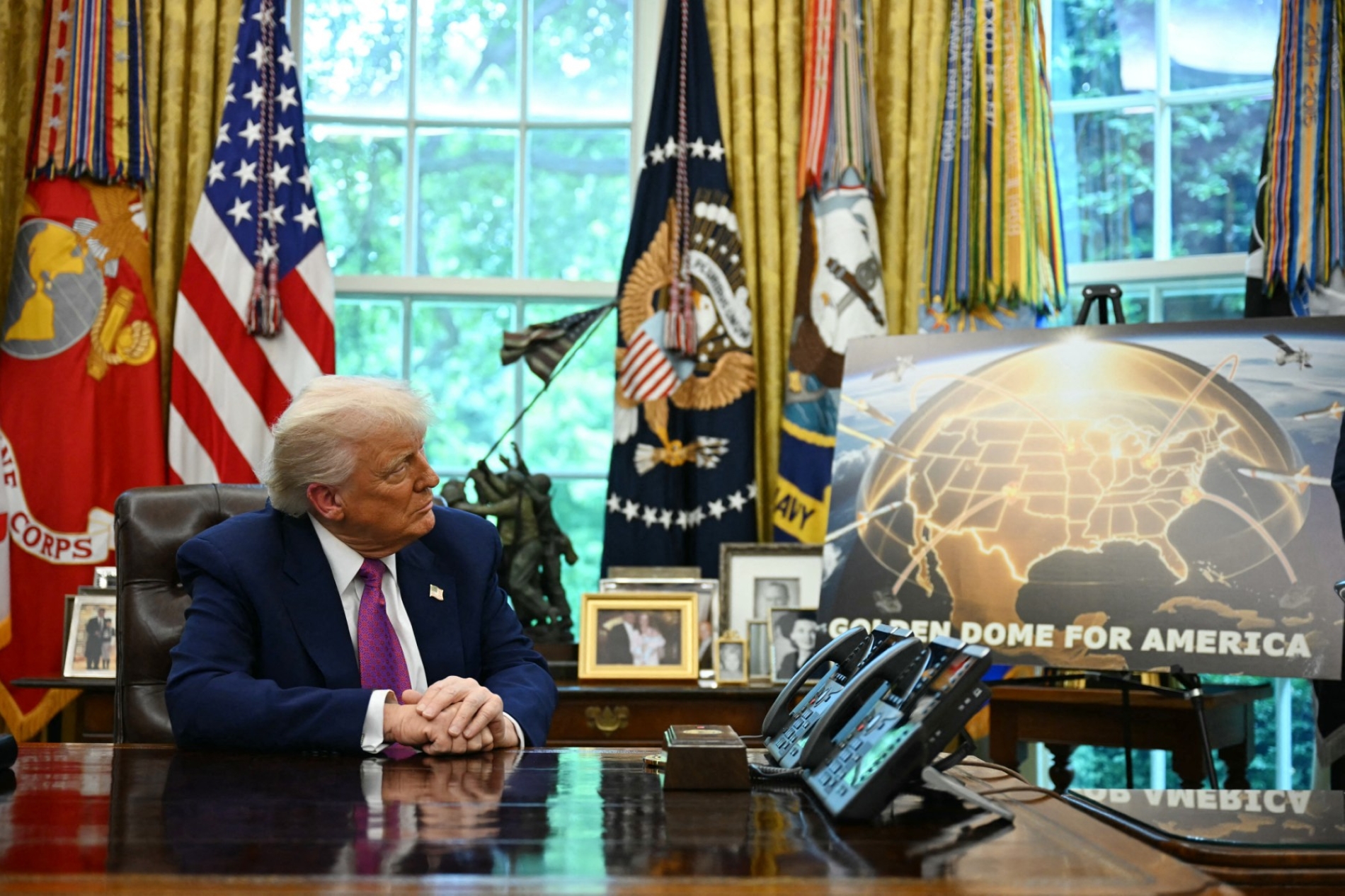
Opening with a confrontational preamble aimed at former US leaders, accusing them of sidelining Americans and their vital interests, the 34-page strategy document urges accelerated work on the ‘Golden Dome,’ a defensive shield intended to intercept missiles or drones that could target American cities.
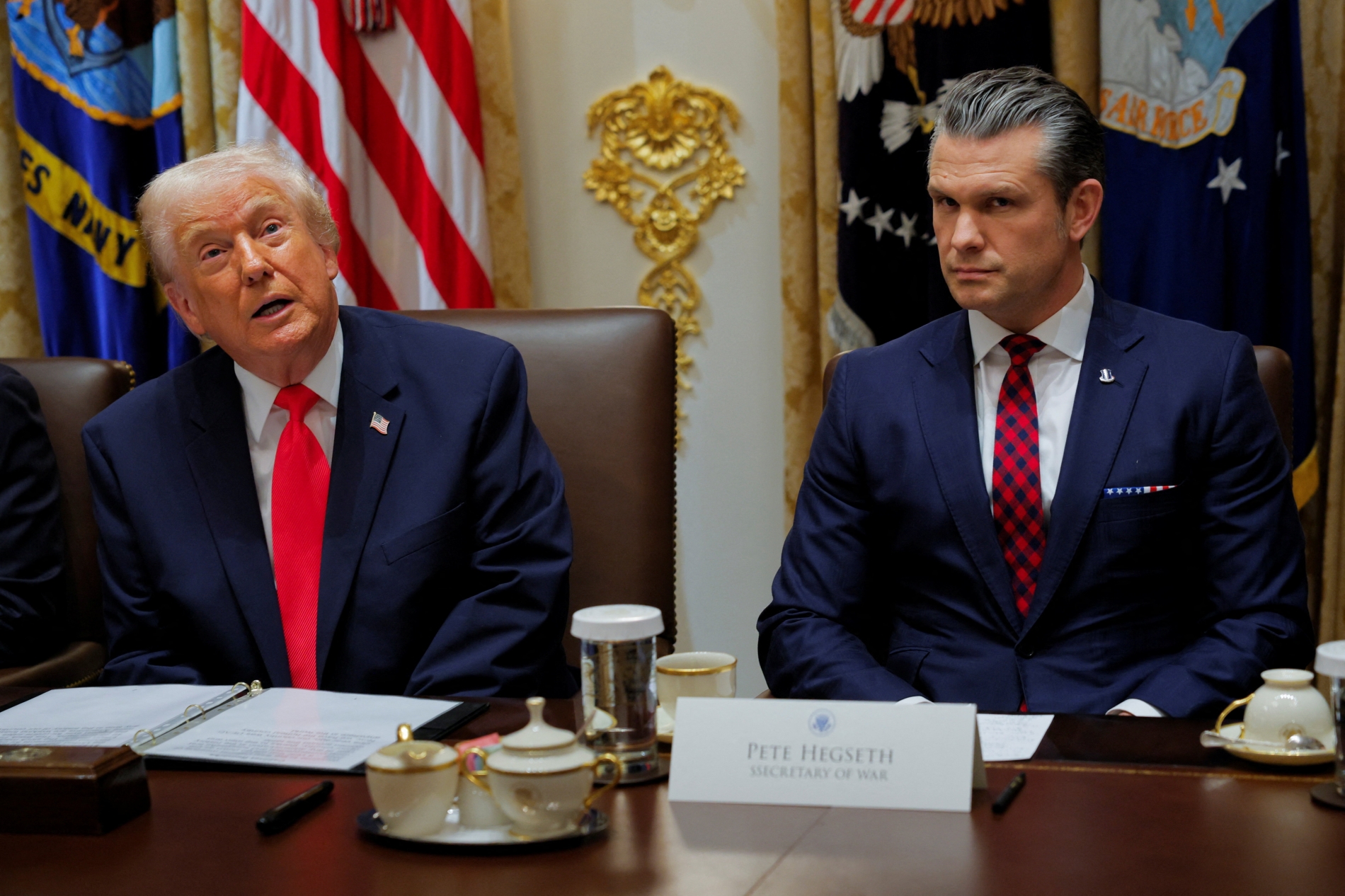
In language that bears the imprint of Defence Secretary Pete Hegseth, reflecting his expansive rhetoric and dismissive view of international norms, it lavishes praise on Trump while ridiculing his predecessors’ attachment to what it describes as empty principles, including a stated commitment to the rules of the global order. It accuses them of eroding the nation’s fighting spirit, embracing defeatism, and entangling the country in wars disconnected from public priorities.
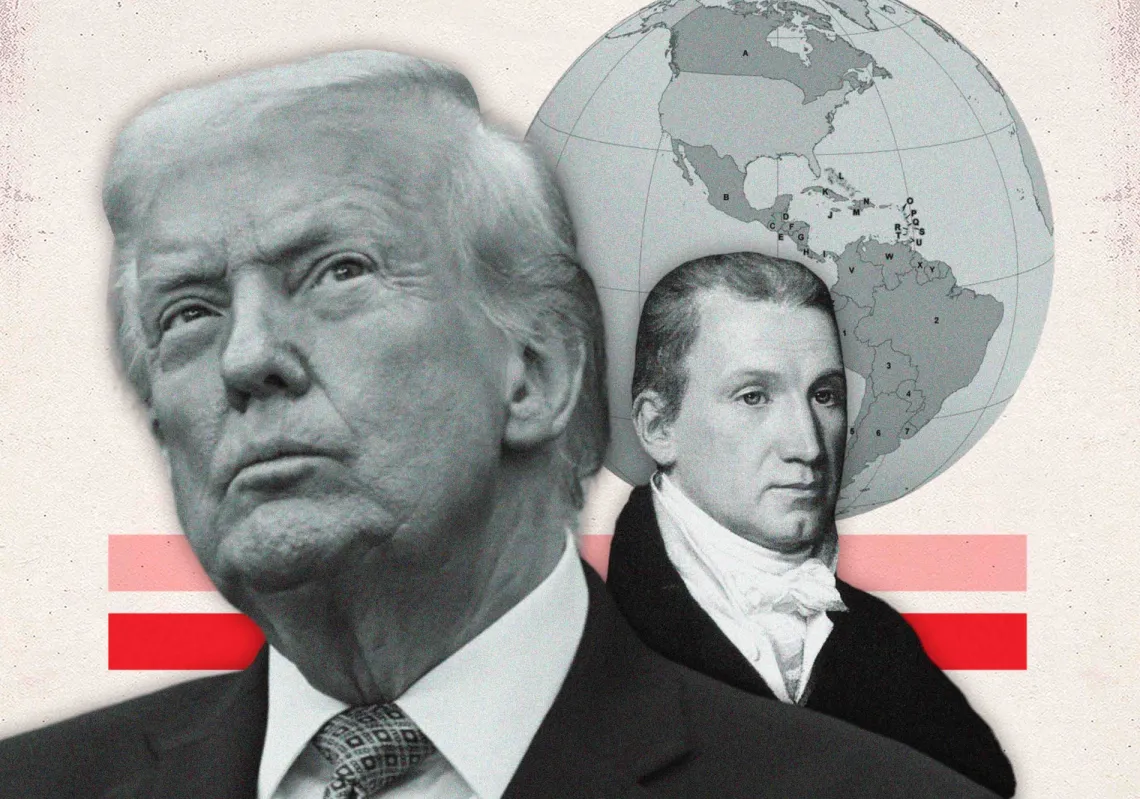
More importantly, the strategy revives the 19th century Monroe Doctrine, articulated by President James Monroe as a warning to European powers against colonial expansion in the Western Hemisphere. The Pentagon presents a contemporary version, described as “Trump’s Monroe-style doctrine” (or, in Trump’s words, “Donroe”). Under this, major powers—particularly China—are to be prevented from establishing military bases or gaining control over strategic facilities or territories in the region.
The document hints at ambitions that extend to the Panama Canal (the crucial artery linking the Pacific and Atlantic Oceans), the Gulf of Mexico (which Trump renamed the ‘American Gulf’), and Greenland. It also invokes the campaign against drug cartels in the Western Hemisphere as a basis for pressing adversarial governments, including Venezuela, whose president was abducted in January. Colombia and Cuba are also understood to be in Trump’s sights.
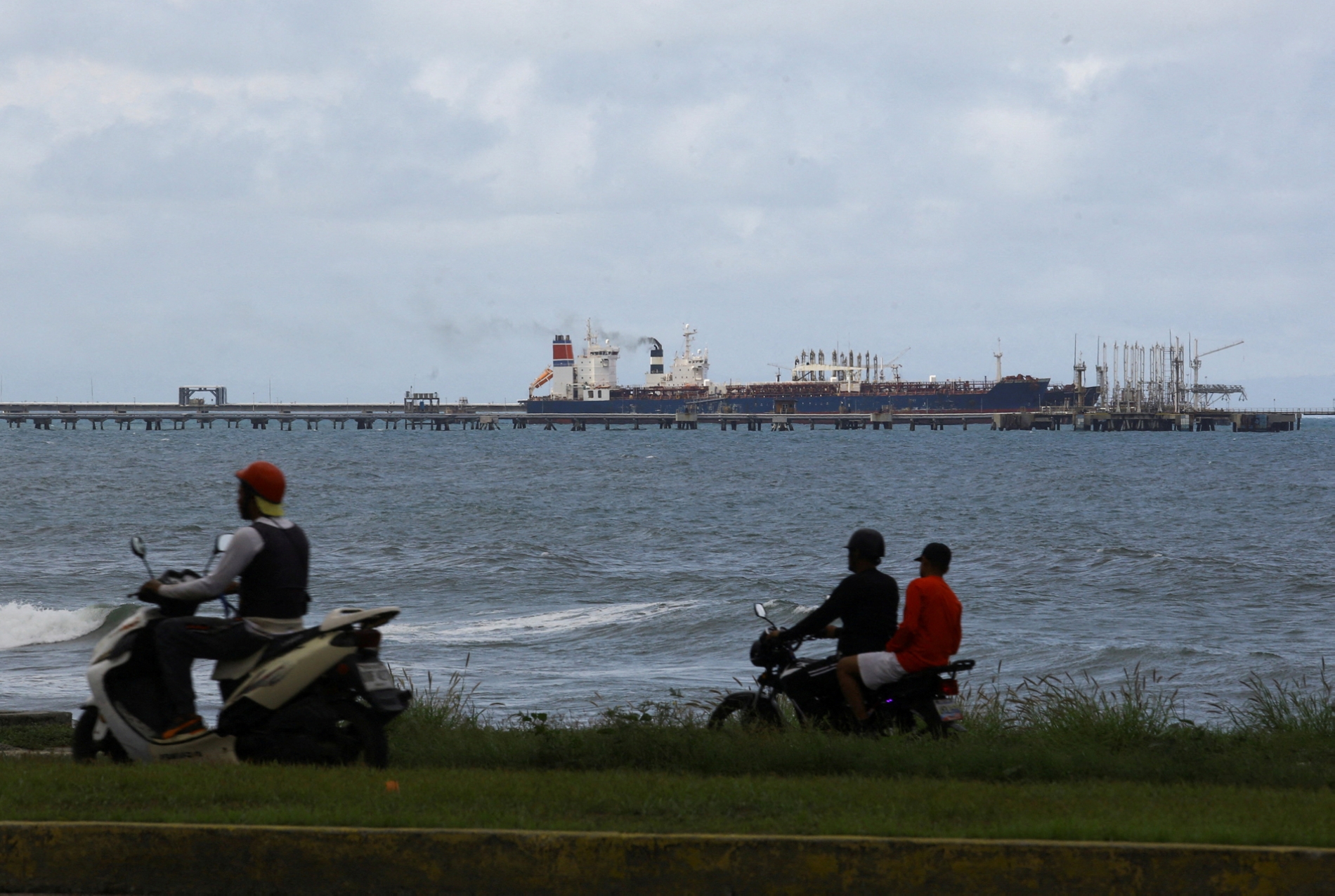
The strategy document claims that the US has the authority to intercept other nations’ oil tankers and fishing vessels, and to cause casualties in Caribbean waters, under the banner of counternarcotics operations, despite those actions being in contravention of international law.
Abandoning allies
The Pentagon argues that NATO, which now has 32 member states, has developed sufficient capacity to defend itself since Trump forced allies to spend more on defence (much of it flowing to American arms manufacturers). For the Pentagon, NATO allies can now confront Russia without the need for extensive US involvement.
It assigns primary responsibility for ending the war in Ukraine to Europe, adding that US support cannot be sustained indefinitely. By contrast, Israel is described as a “model ally,” depicting it as a state that conducts its own wars without asking the US to fight on its behalf, and therefore as one that merits unconditional support.