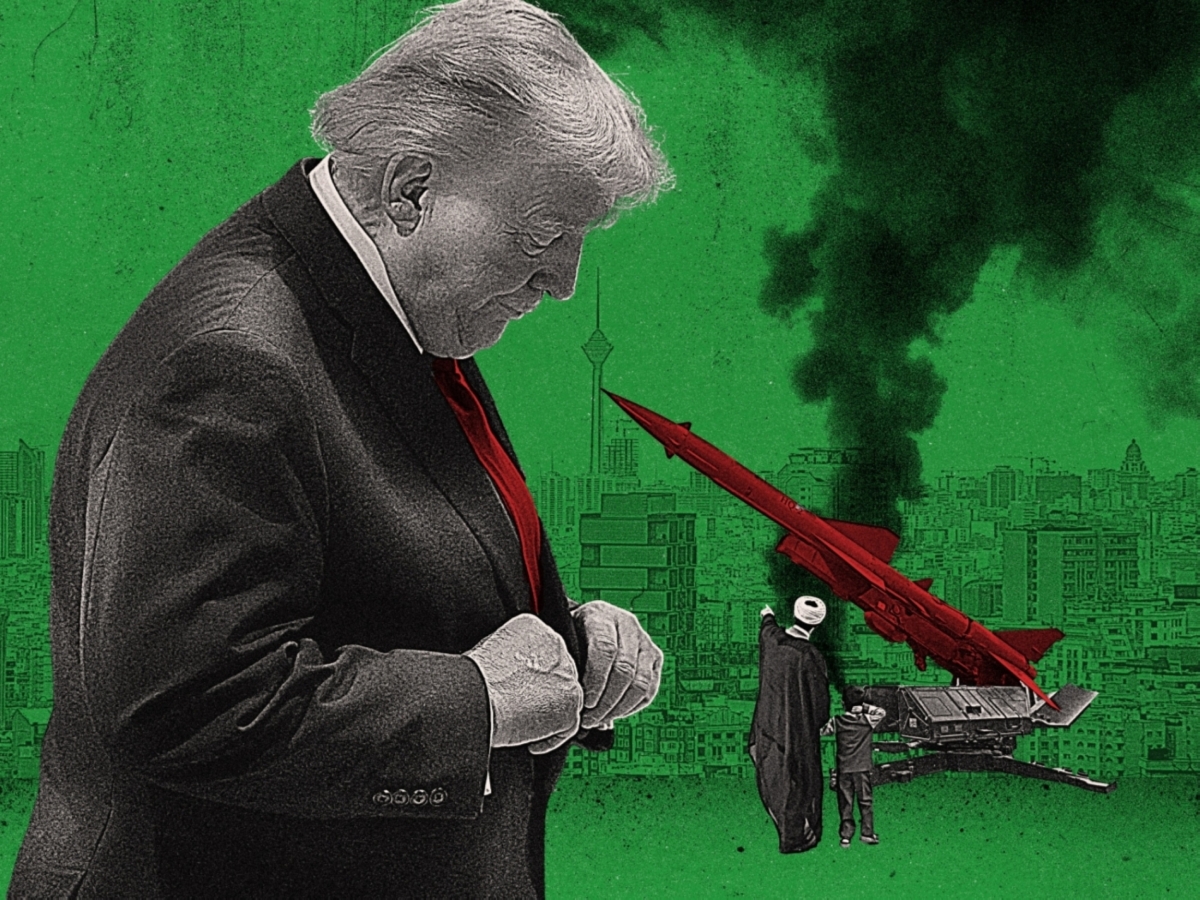
What Trump’s 2026 Mideast approach could look like

Knowing how the US president operates and what he did last year could offer clues about what he might do this year

Reuters/Al Majalla

What Trump’s 2026 Mideast approach could look like

Donald Trump’s first year of his second presidential term has been a roller coaster of twists and turns both at home and abroad—particularly in the Middle East. His regional focus was driven by two main factors: first, Trump’s own ego and sense of possible place in history; and second, the volatile, dynamic events driven by actors in the region.

Trump heralds the 2020 Abraham Accords and his “maximum pressure” campaign against Iran, including the 2020 strike that killed Iranian general Qasem Soleimani, as two of the top foreign policy achievements of his first term. In the whirlwind of Trump’s grand ambitions for the world—including ending the Ukraine war, reshaping America’s economic links to nearly every country, and implementing the harshest immigration policies in decades— the Middle East continues to figure prominently. Trump’s Abraham Accords left a mark on Middle East history during his first presidency, and he wants to cement that legacy in his second term.

But apart from his personal ambitions, regional dynamics have also compelled him to act. This is not uncommon for US presidents, who often find themselves getting involved in the region more than they originally wanted or planned. Every US president has had his “Michael Corleone” moment—the character in the third Godfather movie who fatalistically says, “Just when I thought I was out, I get pulled back in.”

Lending credence to this argument is the fact that many of Trump’s actions in 2025 were actually reactions to plays run by Israel—it unilaterally ended the ceasefire with Hamas in March, struck Iran in June, and bombed Doha amidst negotiations with Hamas. Aside from Israel, Trump also responded to a series of unexpected events inside Syria following the fall of the Assad regime in December 2024, just before he assumed office.

This quick trip down memory lane of the past year offers clues about what we could expect from the most unpredictable leader in America’s history in 2026. “Past performance is not indicative of future results”—the clause that financial services firms are required by US law to remind their clients that anything could happen to their investments—is certainly applicable to Trump. But knowing how he operates and what he did last year could still offer clues about what he might do this year. Here. I offer three general observations of Trump’s approach last year.

Shock and awe statements

A core part of Trump’s personality is making controversial statements intended to “shock and awe” and keep him in the spotlight. Remember in the first weeks of his 2025 presidency when he said that the US would ‘own Gaza’ and suggested neighbouring countries take in Palestinians? A year later, and that is no longer the plan, if it ever was. But it did have its intended effect of shocking other people and countries into action.
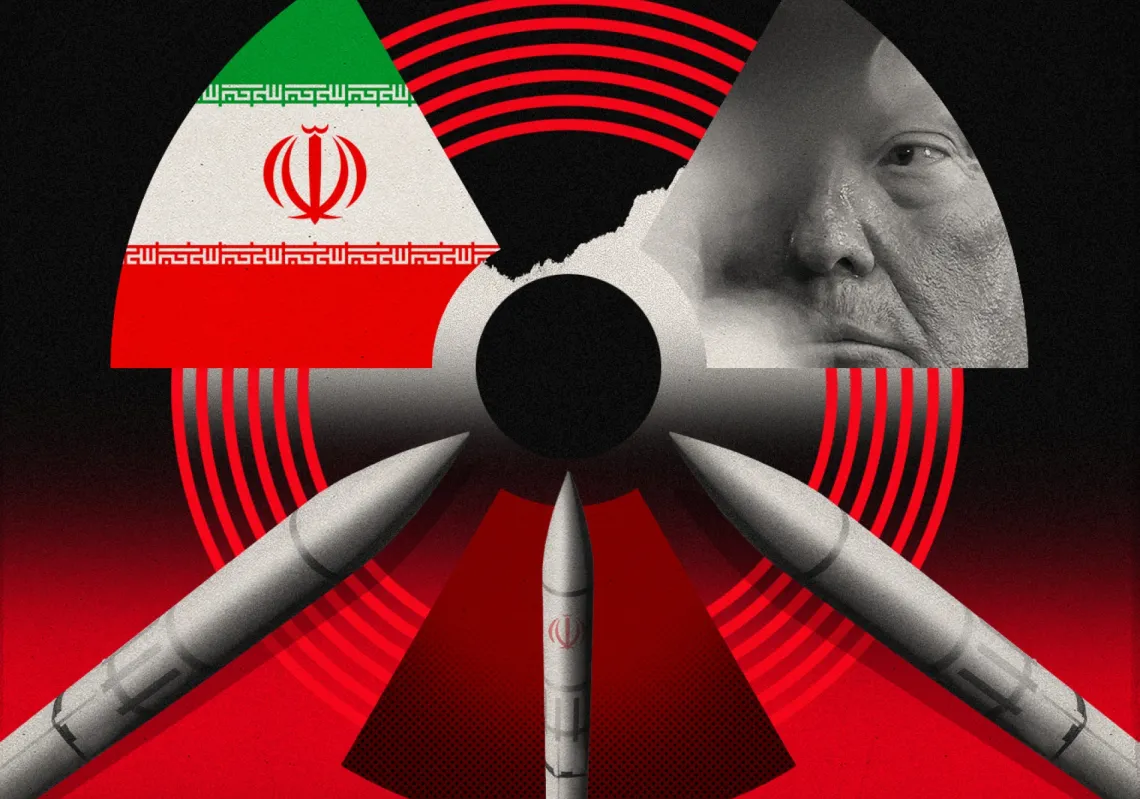
Trump's preference for "quick wins" could see him conduct a limited US strike on Iran without entering into a protracted conflict

A preference for quick wins

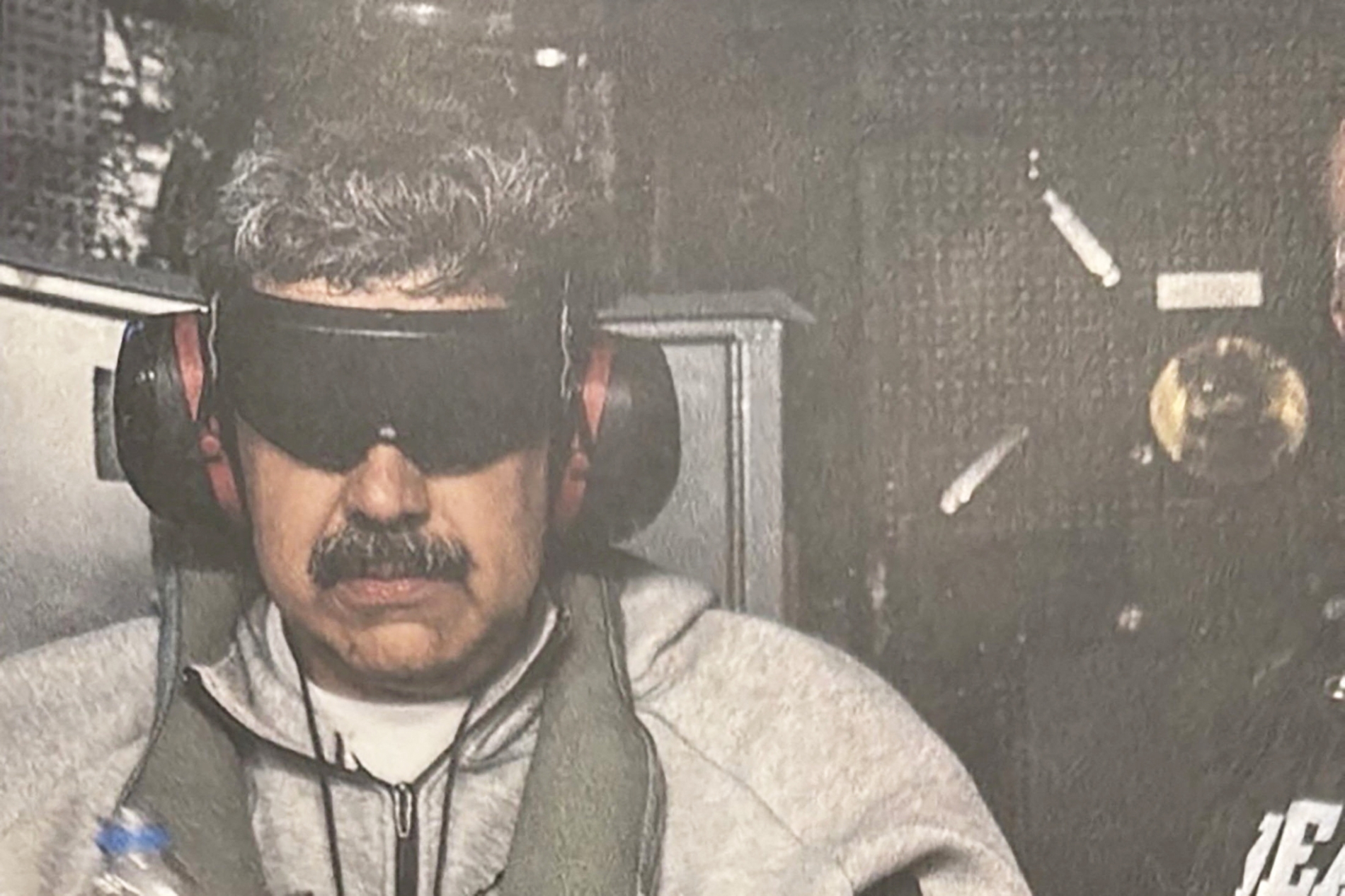
A second trend is Trump's preference for "quick wins"—deals or operations that cost little to America.  Think the US seizure of Venezuelan President Nicolás Maduro from Caracas. In that scenario, he was able to demonstrate America's military might and prowess, without bogging the US army into a protracted and costly war of regime change like George W. Bush suffered in Iraq.

AFP
A photo posted by US President Donald Trump shows Venezuelan President Nicolas Maduro aboard the USS Iwo Jima aircraft carrier after he was captured by the US military on 3 January 2026.

Overstating successes

Trump has frequently boasted that he "ended eight wars in 10 months", citing deals he made between Armenia and Azerbaijan, Congo and Rwanda, India and Pakistan, and Cambodia and Thailand, among others—even though the real picture is far messier. He has a tendency to make big promises, achieve less than he said he would, and then exaggerate what was actually achieved. I predict there will be more such exaggerations this year.

Applying these three trends to three ongoing conflicts in the Middle East—Iran, Israel/Palestine and Syria—I predict the following scenarios.

Iran 

The first month of 2026 was rife with speculation that Trump might strike the regime, and he raised hopes in statements that gave encouragement to protestors who took to the streets against the regime.  Weeks later, untold thousands are dead, and Trump sent both additional military assets and diplomats to the region to shape the regime's calculus.  Anything could happen, but based on Trump's approach to a number of countries—from North Korea in his first term to how he's been handled by Russia's Putin in both term—it is likely that Trump will seek some sort of accommodation through diplomacy and perhaps some limited use of force, just like he did with the Houthis in Yemen last year, while contining to degrade the regime's power.

Israel-Palestine

In recent months, there has been speculation that perhaps Trump will break with Israel's Prime Minister Benjamin Netanyahu amid tensions over Israel's moves to exercise more control over (and possibly annex) the West Bank, despite Trump issuing a red line over such moves last year. But my guess is that he will continue to offer unwavering support to Israel's right-wing government, with only limited and symbolic gestures to the Palestinian people.  

Reuters
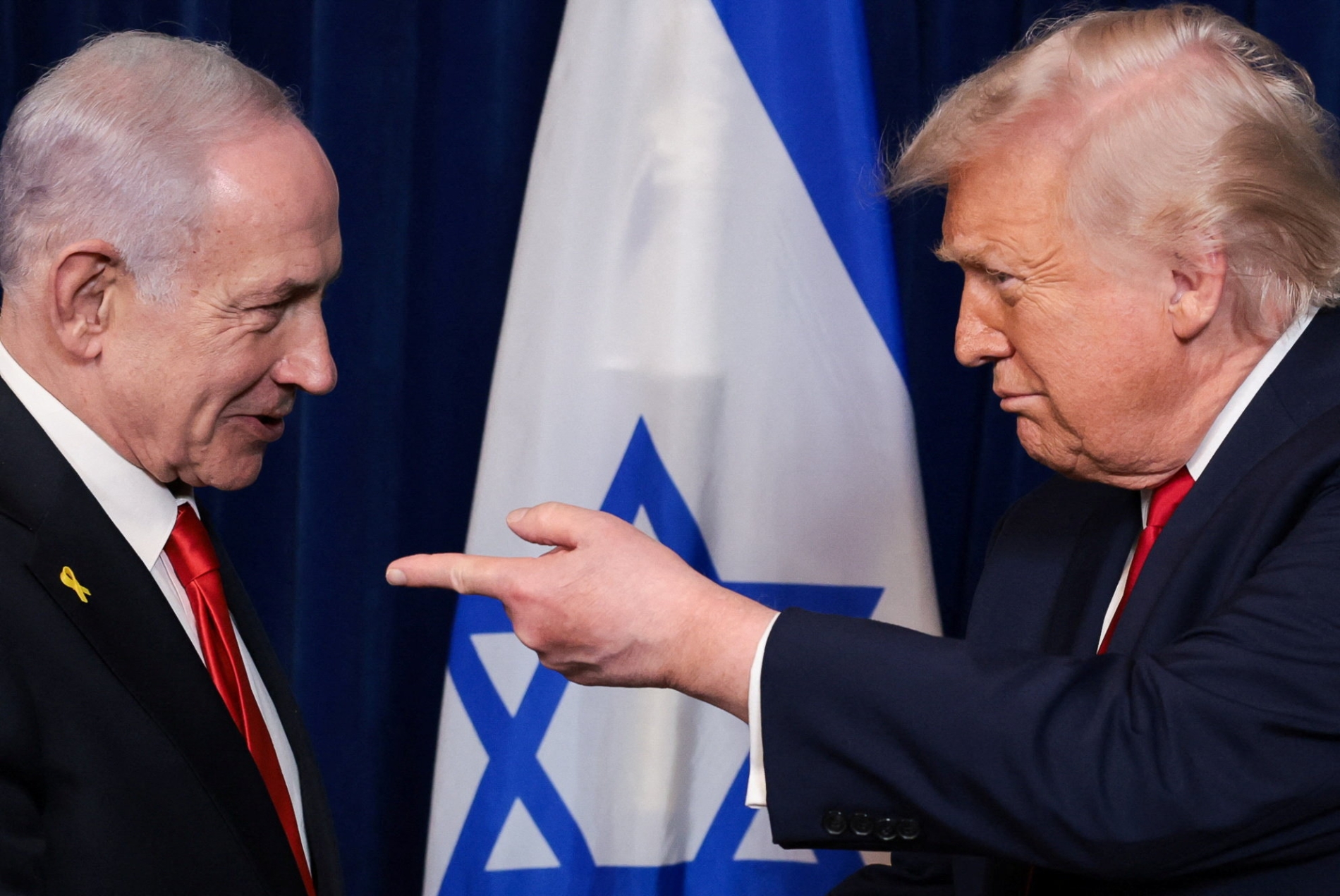
US President Donald Trump points his finger towards Israeli Prime Minister Benjamin Netanyahu during a press conference after meeting at Trump's Mar-a-Lago club in Palm Beach, Florida, on 29 December 2025.

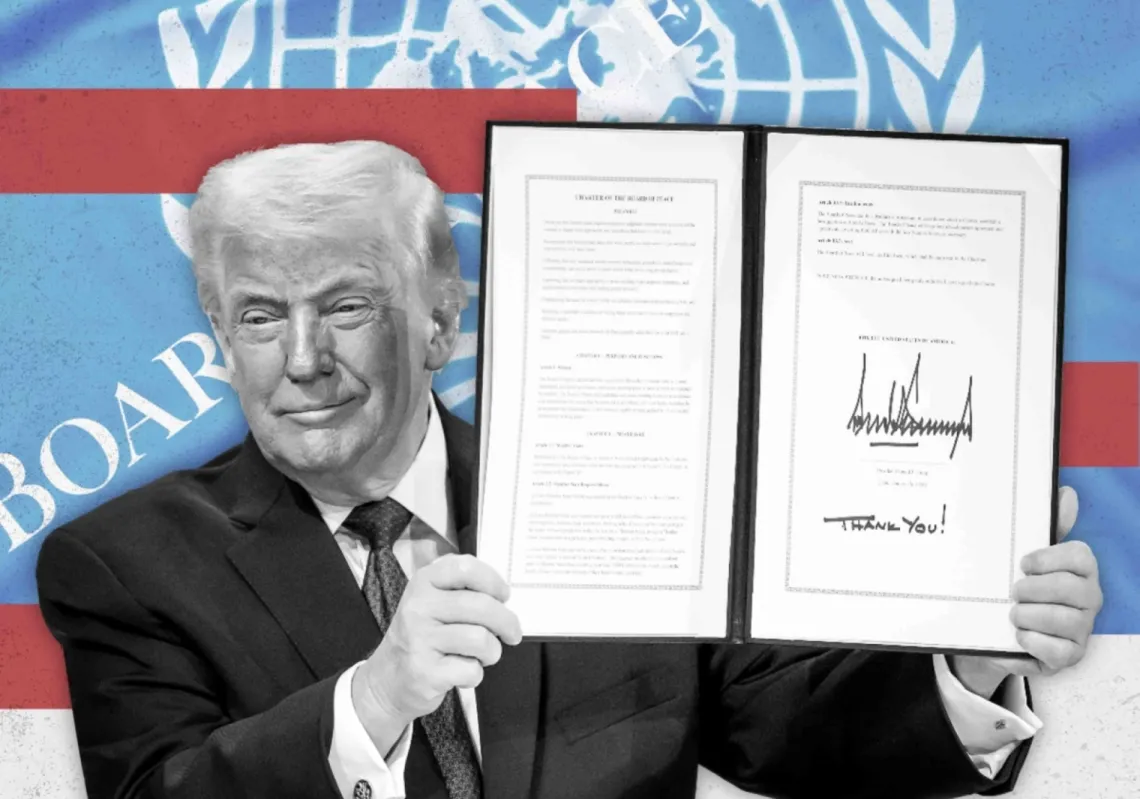
Having said that, he still could exercise some US leverage over Israel, like we saw last year in the wake of Israel's attack on Doha last September, targeting Hamas leaders. After the attack, Trump was able to force Israel into a ceasefire deal, although Israel has routinely killed Palestinians in Gaza and the West Bank since then. Watch the upcoming Peace Board meeting for mostly a replay of the same shallow public relations gestures without major actions on the ground, in large part because of the nature of politics inside of Israel and Palestine and the absence of visionary leaders in both places who are bold enough to pursue the path of peace at this time. 

Syria

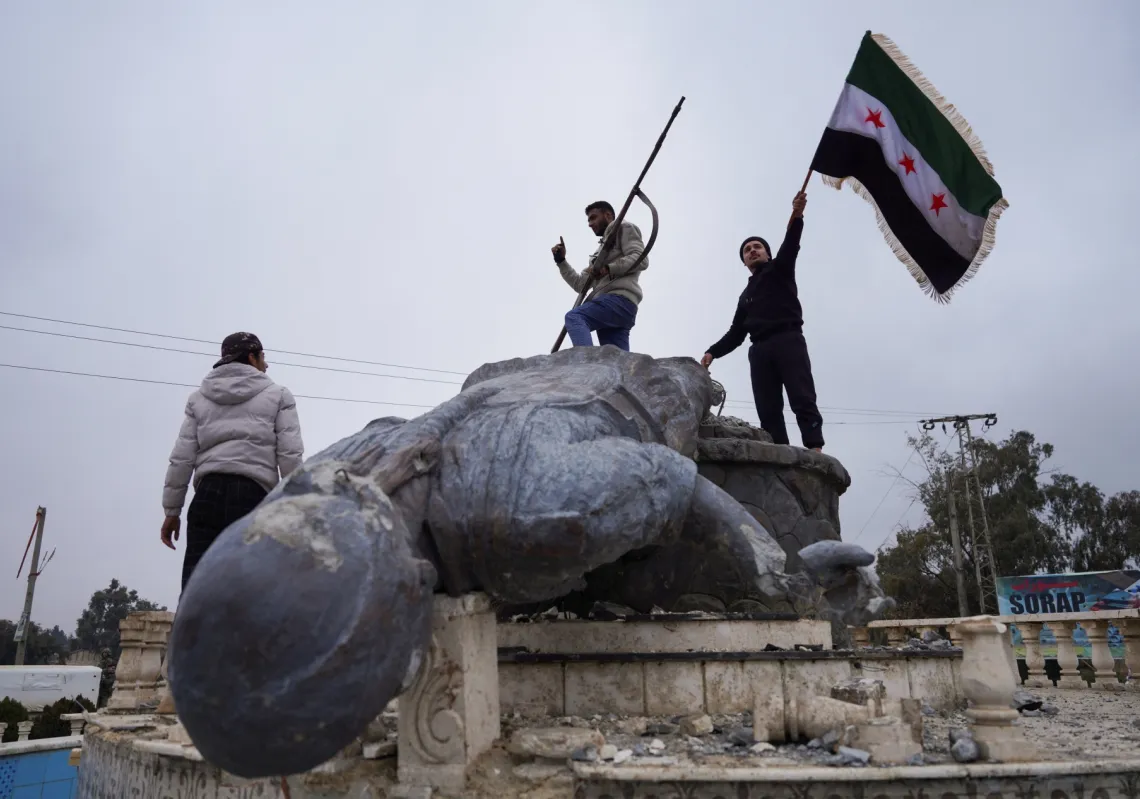
The most surprising move in Trump 2.0's first year in the Middle East was the shift towards strong support for Ahmed al-Sharaa in Syria—a move that Saudi Arabia strongly encouraged. This shift entailed very little in terms of costs to America, as it maintained its focus on counter-terrorism operations and efforts to prevent wider tensions between Syria, Israel, and Türkiye from spilling over across the wider region.  This general approach is likely to continue—get others to bear the burden while minimising the costs of direct US engagement.

Given the uncertainty that comes with Trump at a time when the region remains in a tenuous relative calm, all of these predictions could fall flat at a moment's notice.  But putting them on the table allows for broader discussion of the benefits and costs of various courses of action that America and its key partners could take in the coming year. 

font change