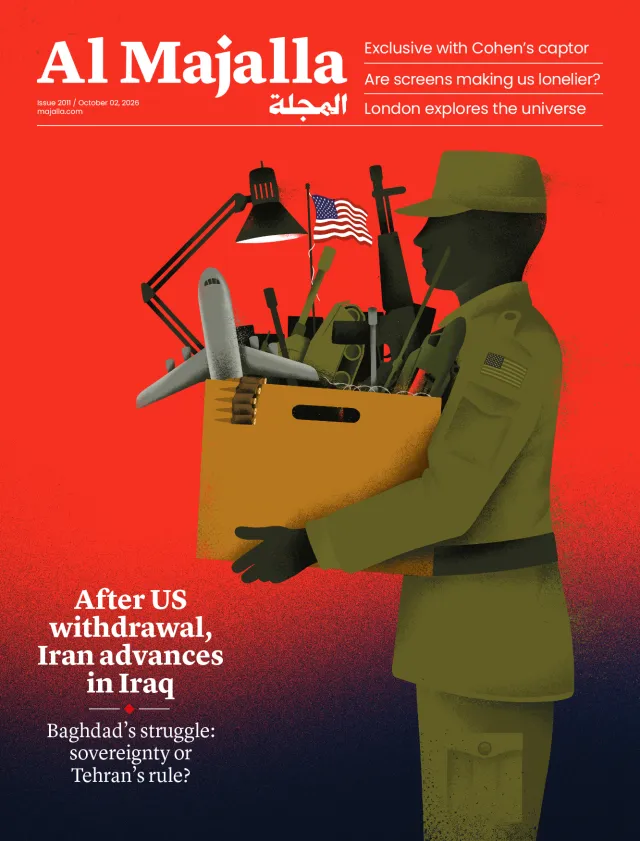
As the US-Iran war intensifies, it has drawn in non-state actors across the region. While Baghdad says it is not a party to the conflict, militias have stepped in on Tehran's side.
Al Majalla explores the origins of Hamas and the Palestinian Islamic Jihad and prospects for their respective futures following the 7 October attacks on Israel.
The US now recognises the need to contain Iran — an approach that will require it to maintain a significant military presence in the region for the foreseeable future
Non-state actors play an outsized role in the region's conflicts and wars. Hezbollah is a prime example of how these actors have blurred the lines between militancy and national governance.
The hand of Iran has helped the Houthis expand. It now controls Yemen's capital and deep-water port while laying siege to its third city in a land of tribal loyalties and simmering feuds.
Al Majalla dedicates its February issue to exploring Iran's use of militias to exert influence and negotiate with the United States and other major powers.
From Iraq to Syria and Lebanon to Yemen, Iran-backed militias have expanded their power and influence. However, regional escalation following the 7 October attack on Israel is testing their limits.
In an interview with Al Majalla, Charles Michel explains how Trump didn't consult with allies before attacking Iran in a war that benefits Russia at Europe's expense
Millions working in the Gulf are worried about their livelihoods and the impact on their families, while their employers are worried that they will leave
Tehran says any negotiated settlement to the US-Iran war must include its Hezbollah allies, but this could take a long time—a luxury Lebanon may not have.
In Part 2 of a two-part interview, the newly appointed deputy defence minister outlines the mistakes made by the SDF and gives his outlook on Syria's future.