Throughout history, October has earned a reputation for doom and gloom, but several literary, cinematic and poetic gems were born out of some of history's most turbulent events
The first Asian woman to win the Nobel Prize for Literature has written eight novels, published three short story collections, and penned a wealth of poetry. Who is she—and what does she write about?
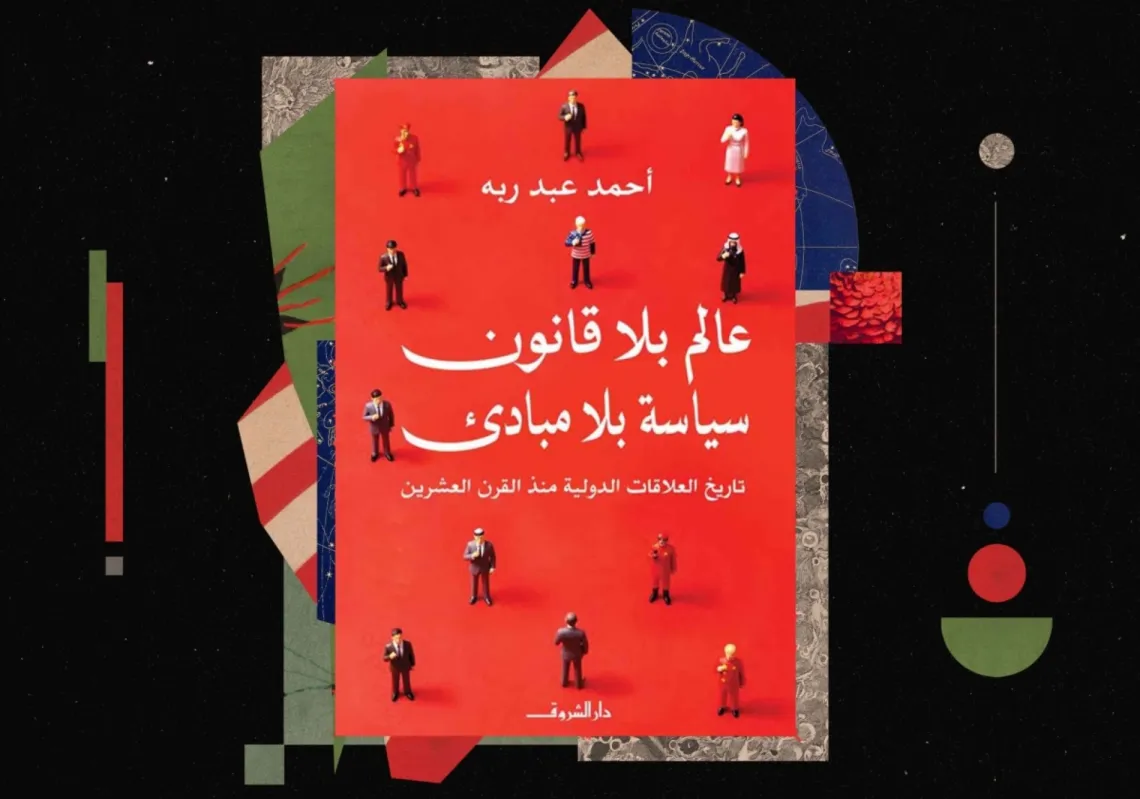
Our fortnightly round-up of the latest Arabic books covering topics such as philosophy, science, history, politics, and culture, reflecting the latest trends and thinking in the Arab world
The award-winning novelist, whose storylines are known for their prescience, tells Al Majalla how Russia's invasion of Ukraine has irrevocably changed him
Women and girls caught in a wave of appalling sexual violence in the country's civil war tell their stories as international human rights groups and on-the-ground organisations warn of the danger
The award-winning author, documentary-maker, and former presidential candidate talks to Al Majalla about Elon Musk being a 'tragic god' and how our environmental paradigm shift is changing things
US academic Jonathan Gribetz asks why Palestinian nationalists in Lebanon set up a research centre on Zionism, why it was important, what fate had in store for it, and what lessons can be drawn
Showcasing the traditions of different Saudi provinces and performing British classics with the Royal Philharmonic (and even an Adele song), these Saudi artists left their mark on the British capital
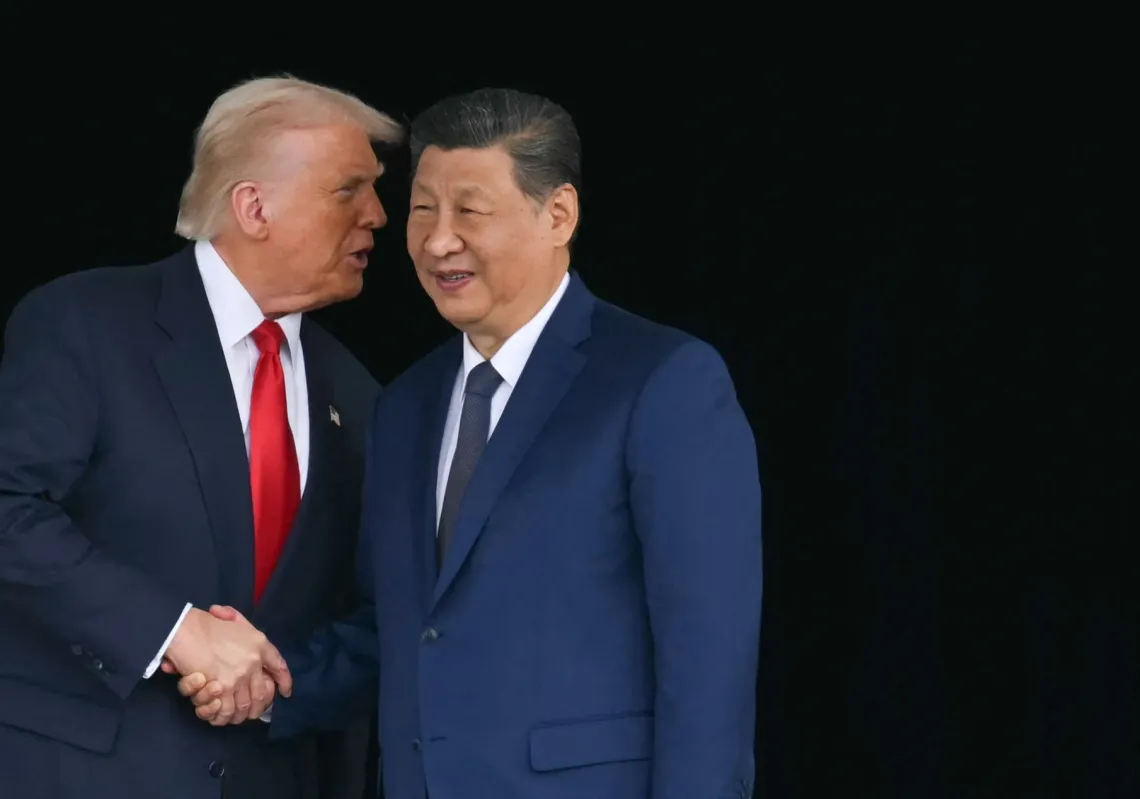
The American CIA director's visit looks to be a desperate attempt by the Trump administration to avert a doomsday scenario in which NATO is pulled into a larger war with Russia
Al Majalla looks at the former army general's career, political positions, possible paths to victory, and what a change in leadership could mean for Israel and the region after three years of war
As social media transforms how people seek medical advice, figures such as Barbara O'Neill offer something conventional medicine rarely can: absolute certainty
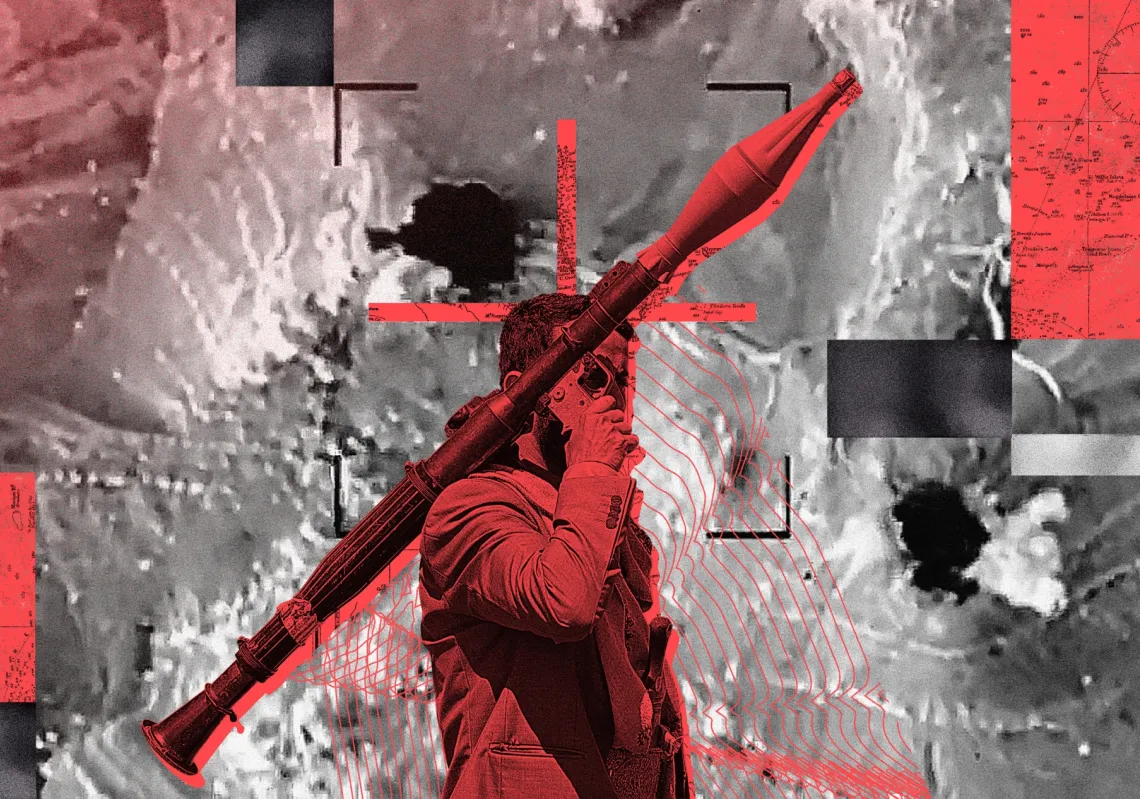
The Iran war exposed the risks of being too closely tied to US military posture, which is why some Gulf states are repositioning themselves not merely as consumers of security but as architects of it