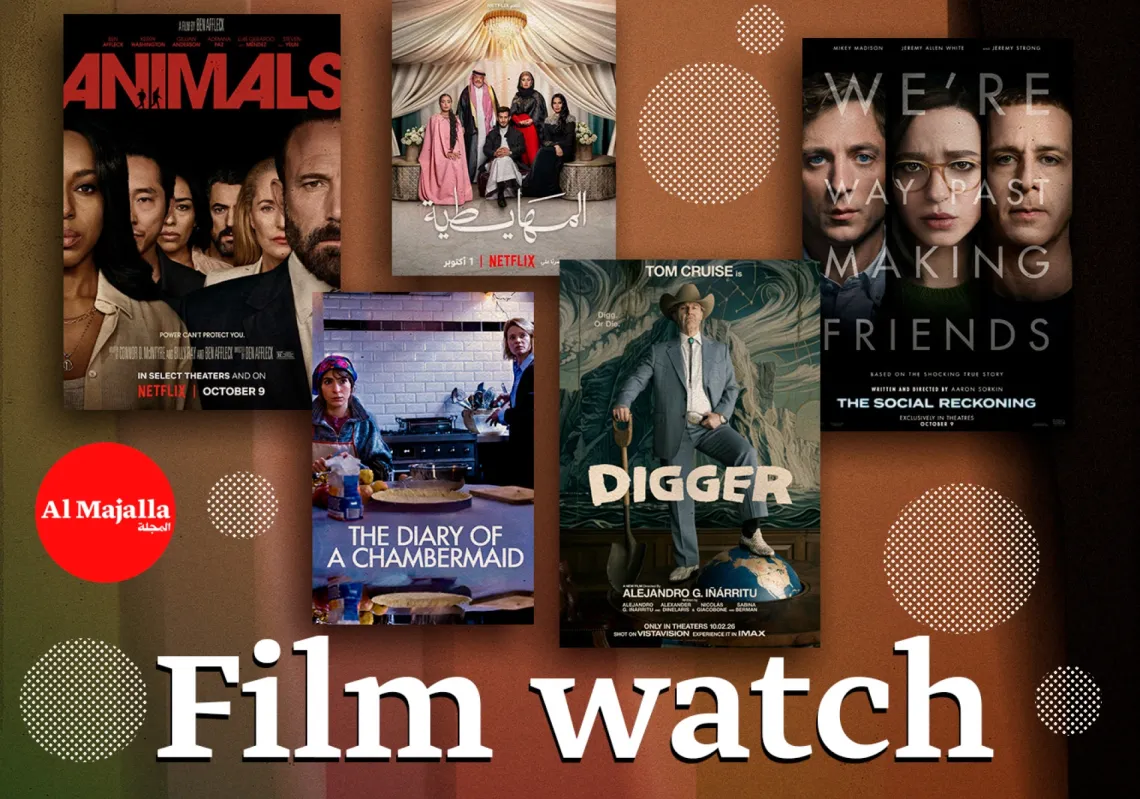
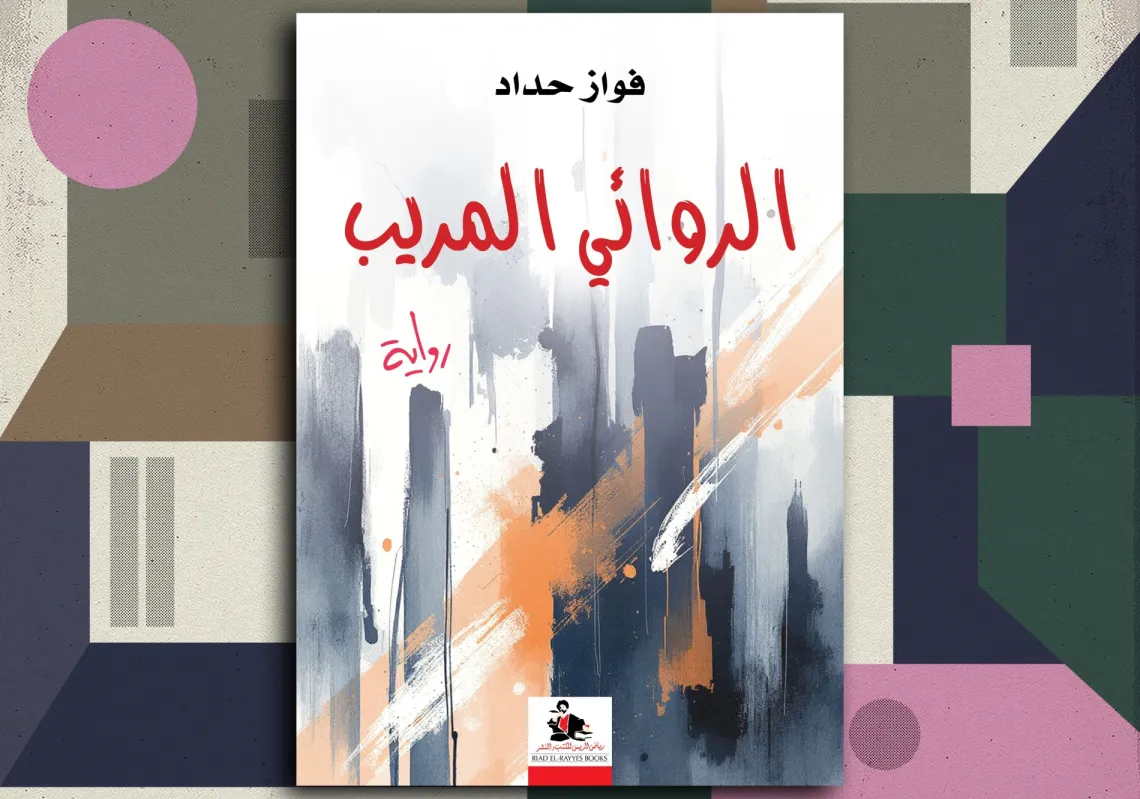
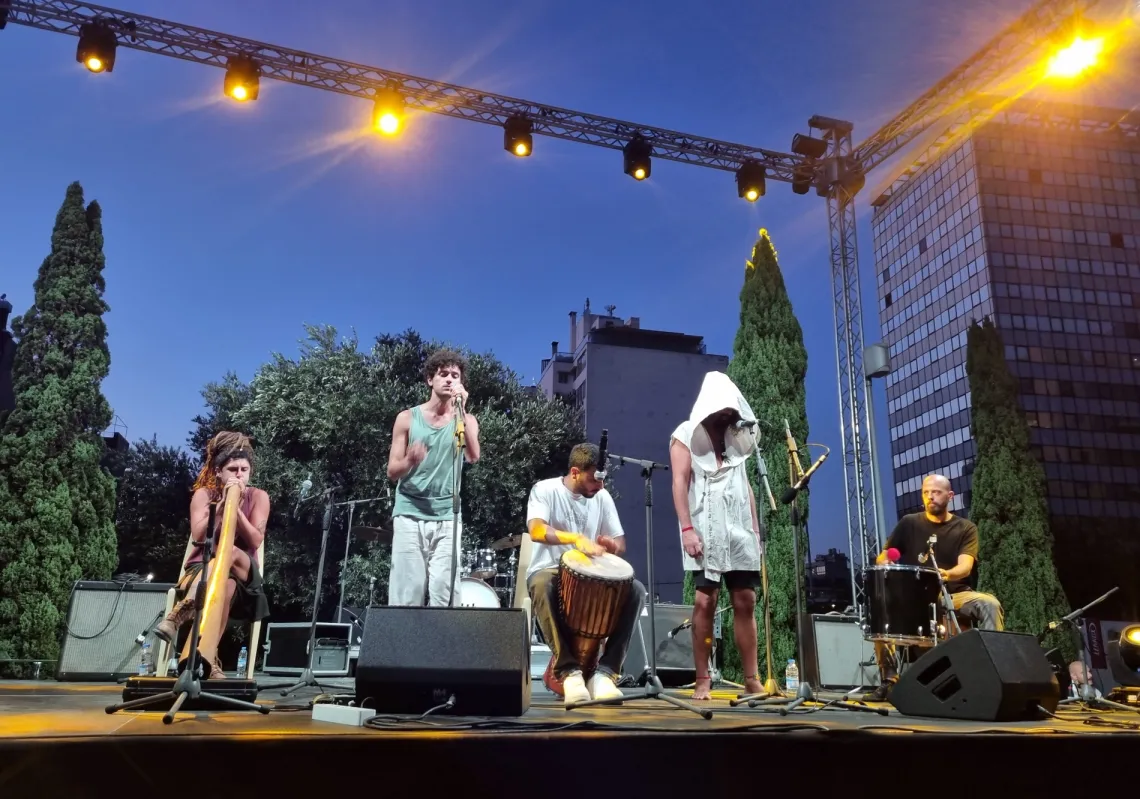
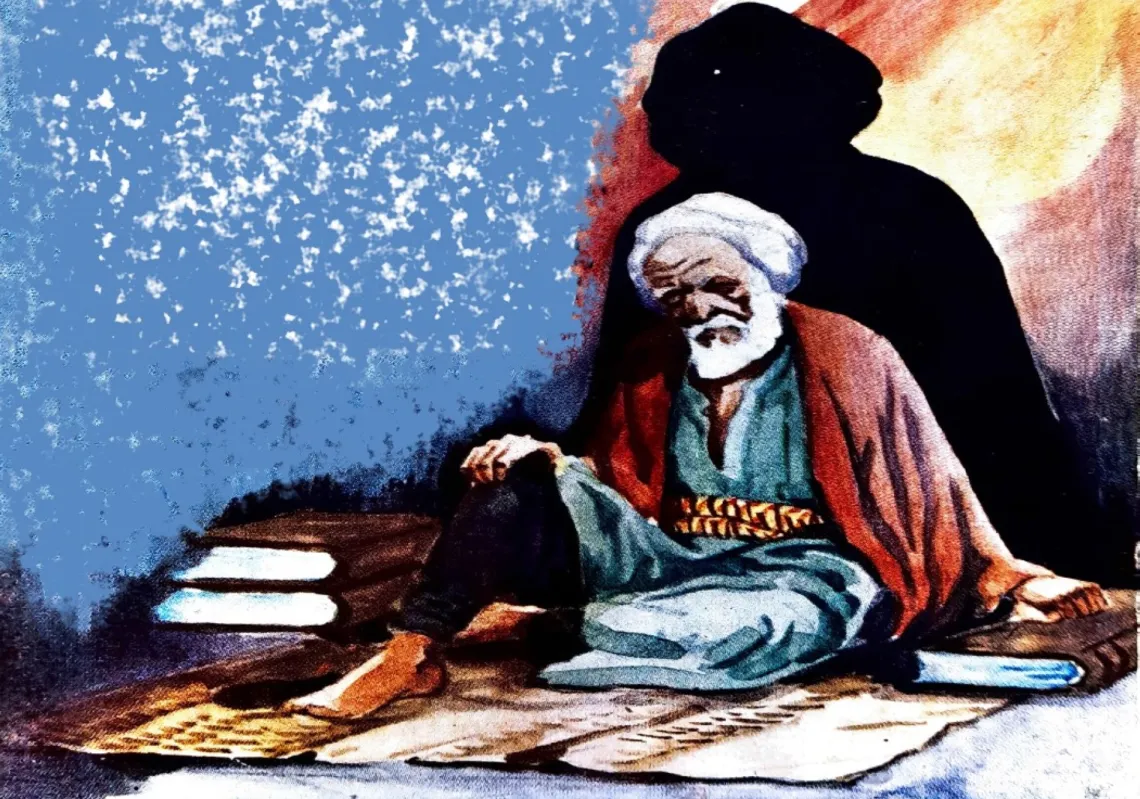
In this monthly round-up, Al Majalla surveys the latest releases from Arab and international cinema, from arthouse to blockbuster and everything in between
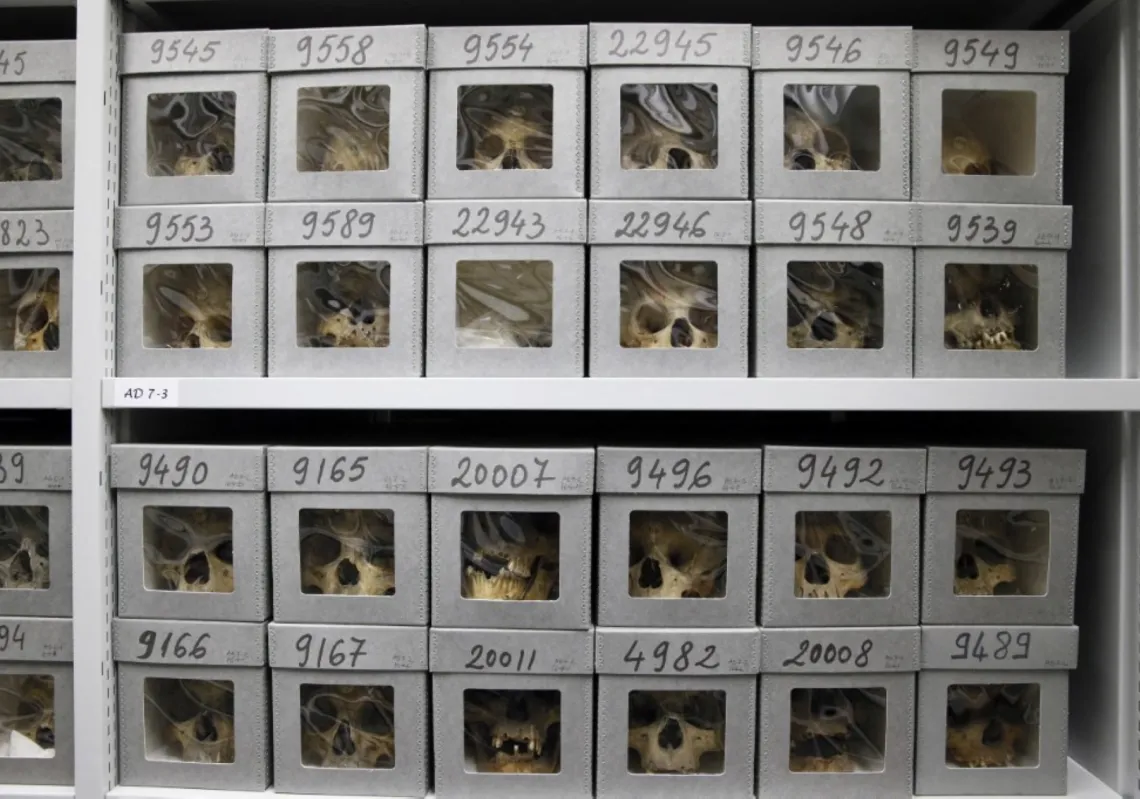
The first instalment of a two-part investigation into the unprecedented looting of Syria's archaeological sites, Al Majalla uncovers the destruction of a rich archaeological landscape
A new team called the Palestine Regeneration Team unveils an installation at the Venice Architecture Biennale that prompts a radical rethink of what 'home' now means for Gazans.
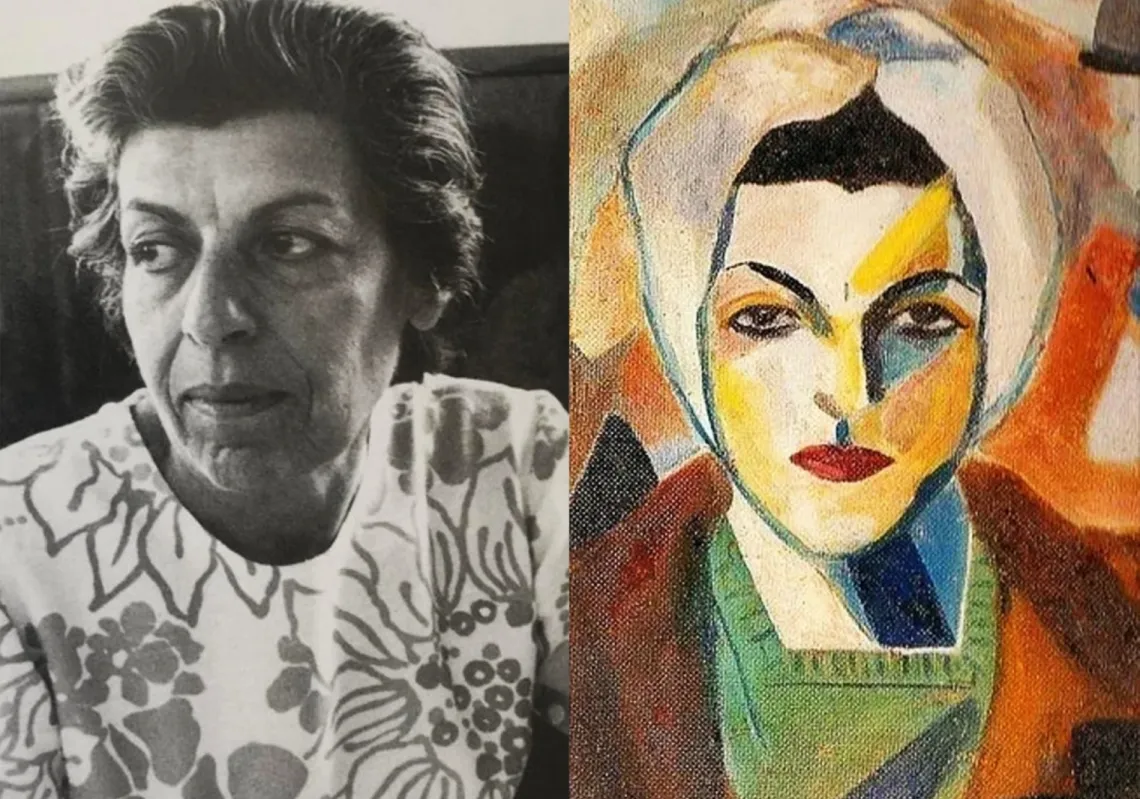
An exhibition is Cairo shows how the artist's work is evolving, with the more prominent inclusion of animals. Her works are soothing yet still filled with sadness and grief, reflecting her own journey
Analysing Franz Kafka's The Trial, Virginia Woolf's Mrs Dalloway, F. Scott Fitzgerald's The Great Gatsby, John Dos Passos' Manhattan Transfer, and Ernest Hemingway's debut story collection In Our Time
With the publication of his contemplative new book, the Moroccan has focused on photography and the art of the image, which can both conceal and reveal.
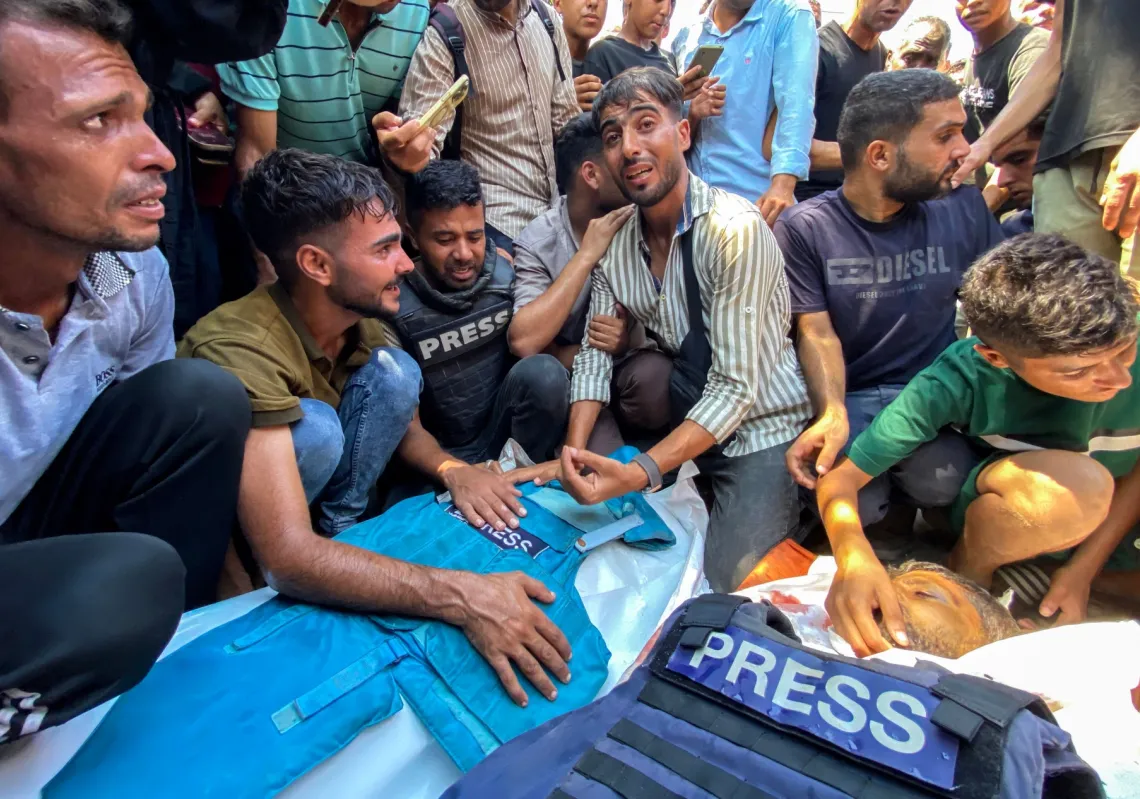
Israel's commandeering of aid distribution in Gaza forces starving Palestinians to run the gauntlet at centres with biometric monitoring systems, armed security, and life-or-death hazards
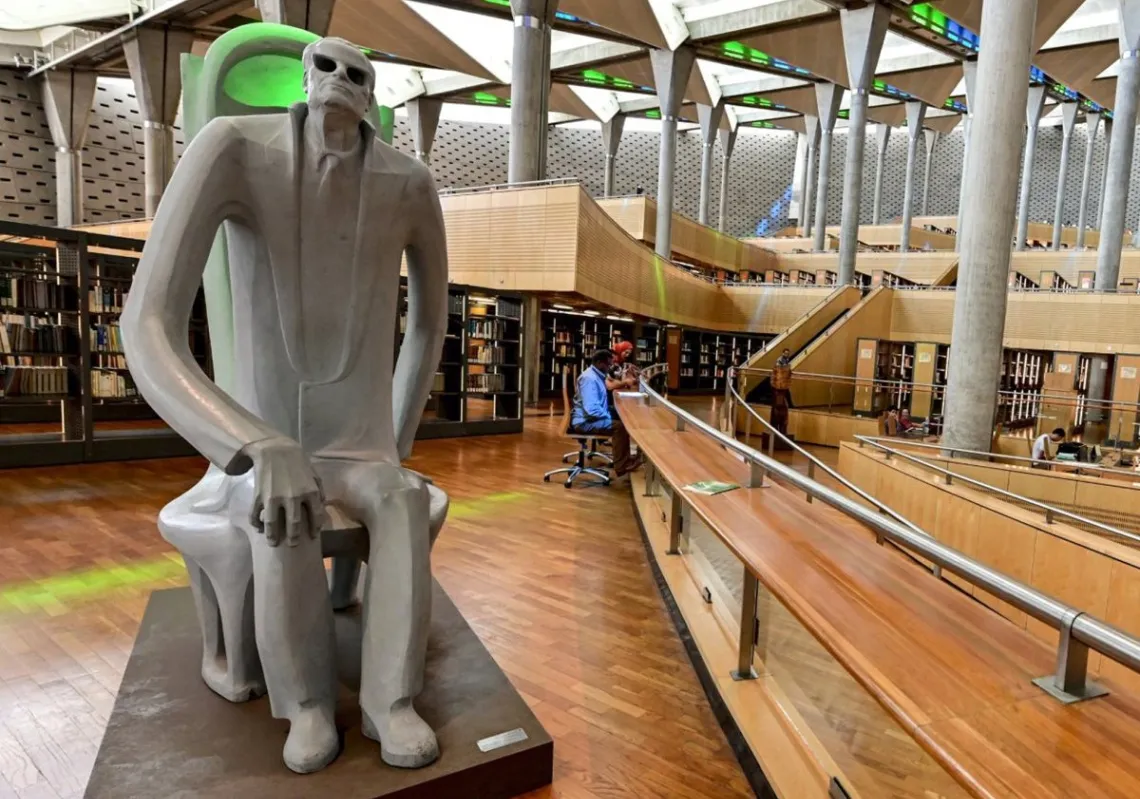
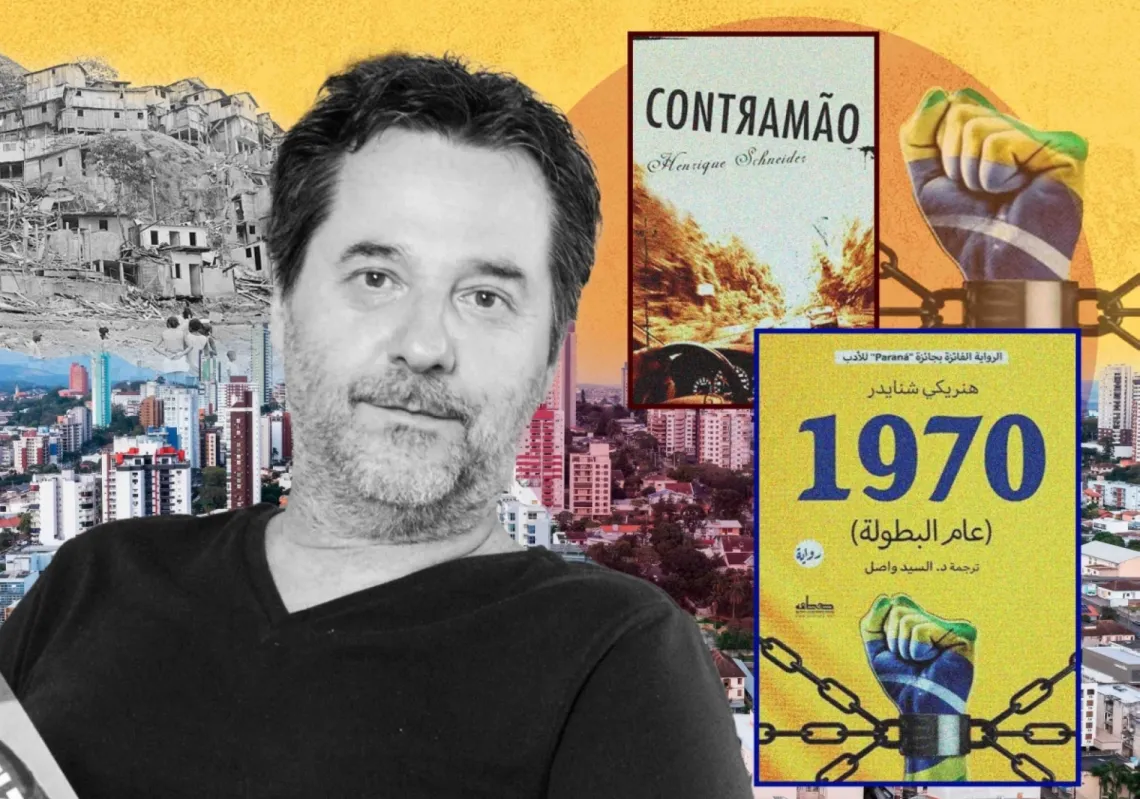
Naguib Mahfouz's 'The Thief and the Dogs' has been adapted into a graphic novel, in a compelling version that does justice to it and may take it to a younger audience
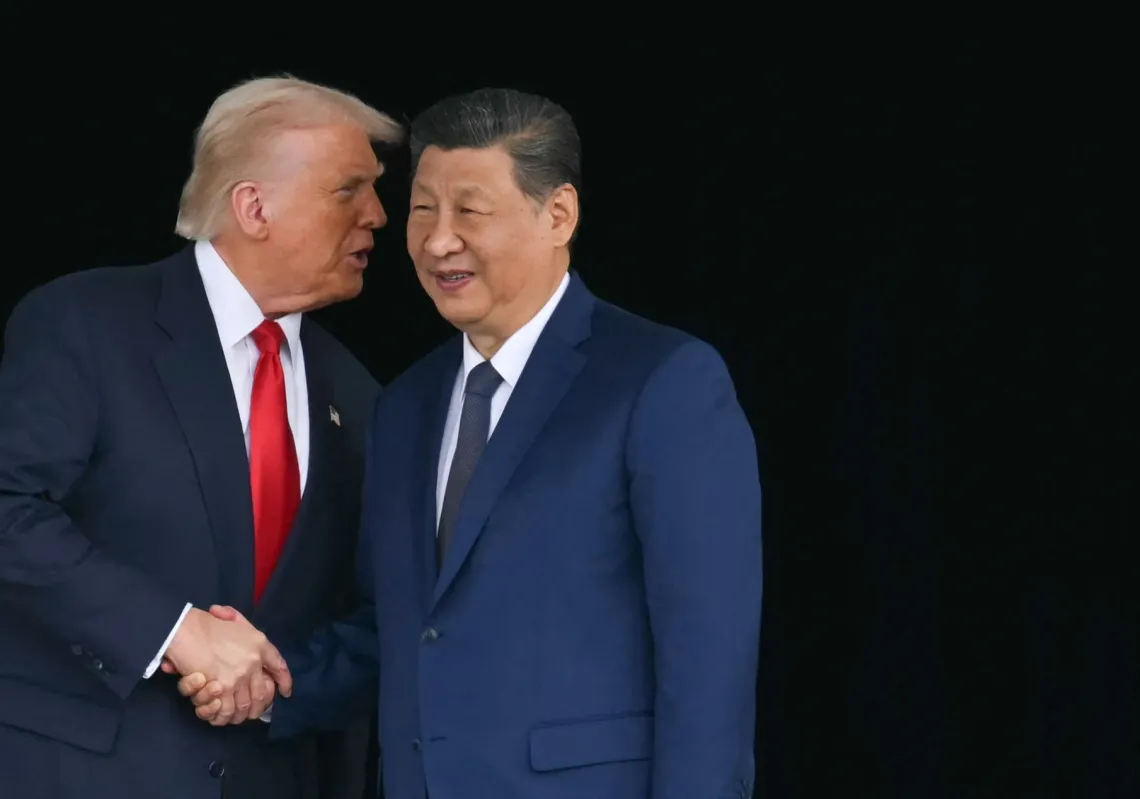
The American CIA director's visit looks to be a desperate attempt by the Trump administration to avert a doomsday scenario in which NATO is pulled into a larger war with Russia
Al Majalla looks at the former army general's career, political positions, possible paths to victory, and what a change in leadership could mean for Israel and the region after three years of war
As social media transforms how people seek medical advice, figures such as Barbara O'Neill offer something conventional medicine rarely can: absolute certainty
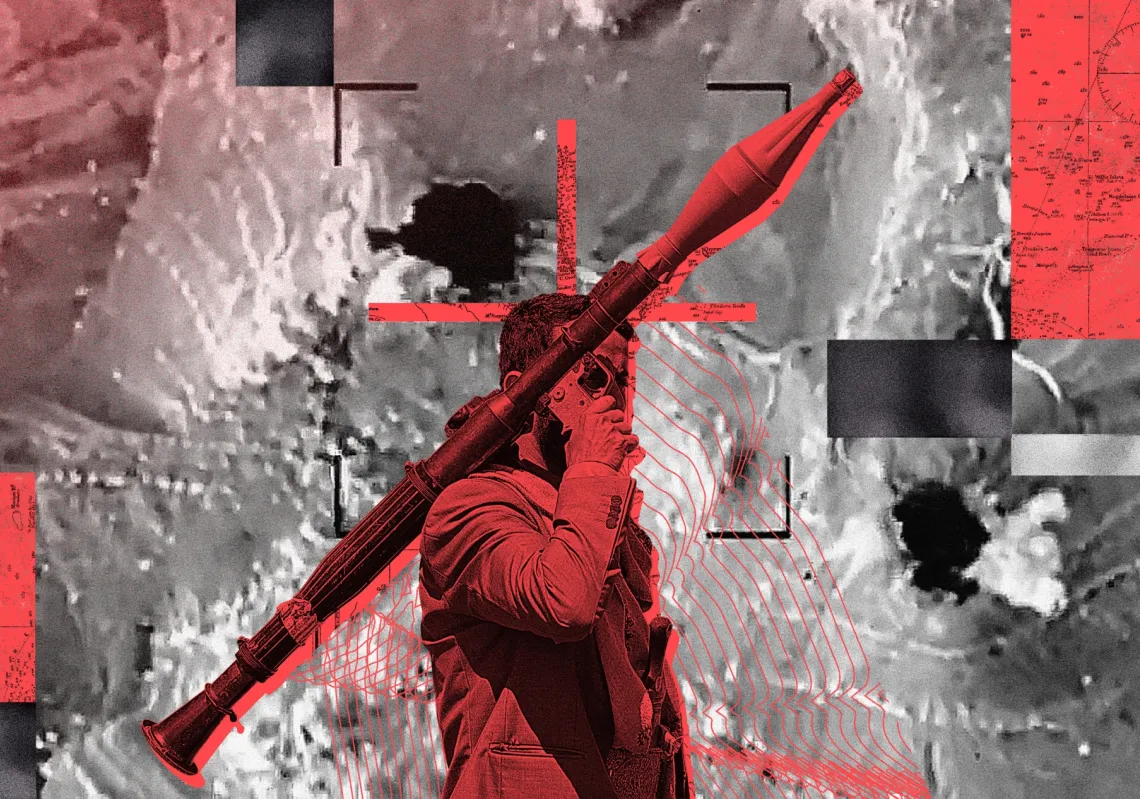
The Iran war exposed the risks of being too closely tied to US military posture, which is why some Gulf states are repositioning themselves not merely as consumers of security but as architects of it