In this monthly round-up, Al Majalla surveys the latest releases from Arab and international cinema, from arthouse to blockbuster and everything in between
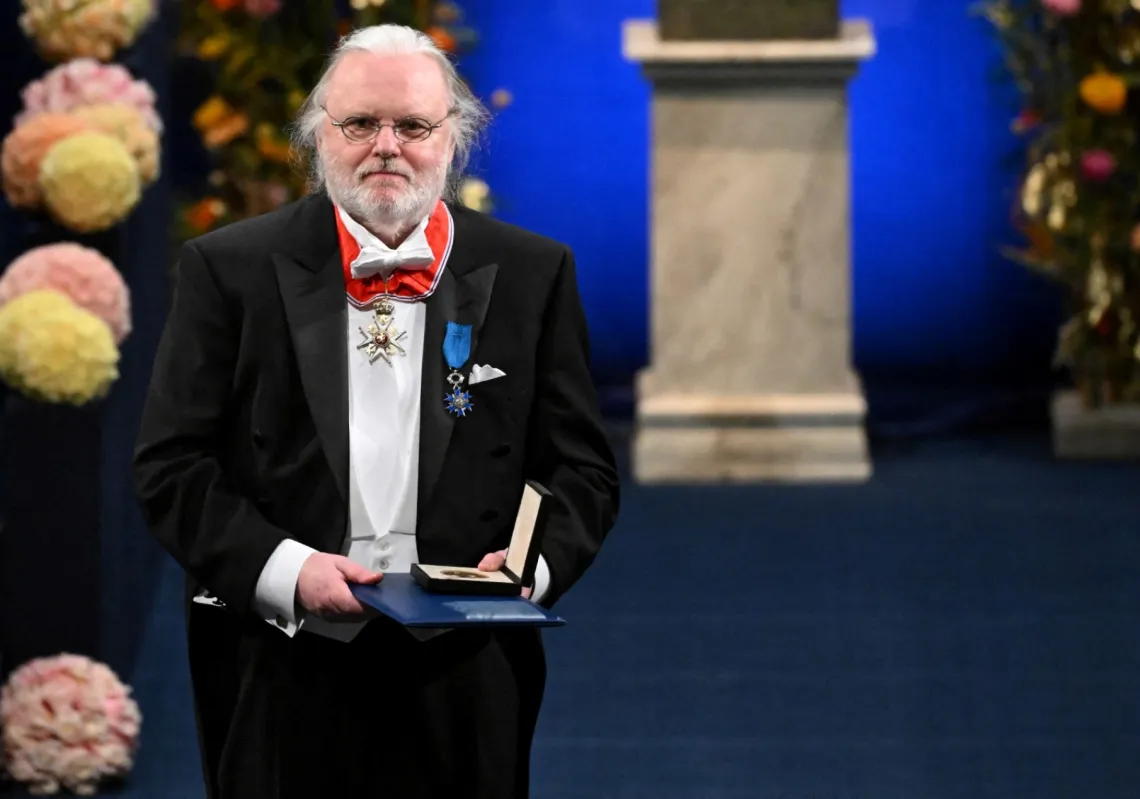
With her collection 'Con' having won Spain's 2025 National Poetry Prize, the Galician writer spoke to Al Majalla about the process of creation as she works on her first novel.
The Syrian artist's works on display in Beirut consider the hopes and dreams of migrants, the walls they face, and their eventual arrival in a safe harbour
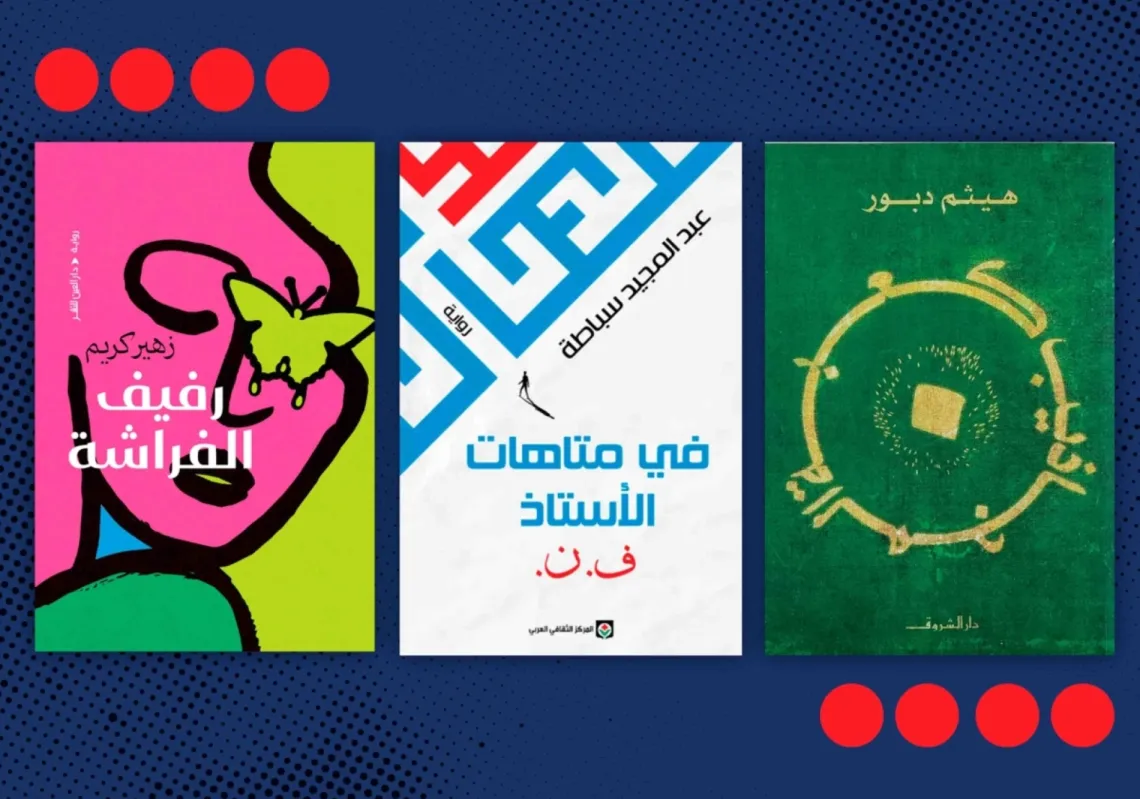
The Palestinian novelist who won the Arabic Booker Prize in 2023 from behind Israeli prison walls speaks to Al Majalla about his extraordinary life and literary journey
The Arab world's connection to the cartoon series remains uniquely intimate. No other animated comic hero has achieved the same level of fame, resonance, and longevity.
The new Red Sea Film Festival boss is an acclaimed Saudi filmmaker. In an interview with Al Majalla, he talks about the importance of teamwork and supporting emerging talent.
Acclaimed Iranian director Jafar Panahi tells the story of a group of ordinary people, all tortured by the same man, grappling with whether or not to take justice into their own hands
The next generation of Saudis and Americans should meet not only in air bases, boardrooms, stadiums, and embassies—but in classrooms and dormitories in both the United States and Saudi Arabia.
The American CIA director's visit looks to be a desperate attempt by the Trump administration to avert a doomsday scenario in which NATO is pulled into a larger war with Russia
Al Majalla looks at the former army general's career, political positions, possible paths to victory, and what a change in leadership could mean for Israel and the region after three years of war
As social media transforms how people seek medical advice, figures such as Barbara O'Neill offer something conventional medicine rarely can: absolute certainty
The Iran war exposed the risks of being too closely tied to US military posture, which is why some Gulf states are repositioning themselves not merely as consumers of security but as architects of it