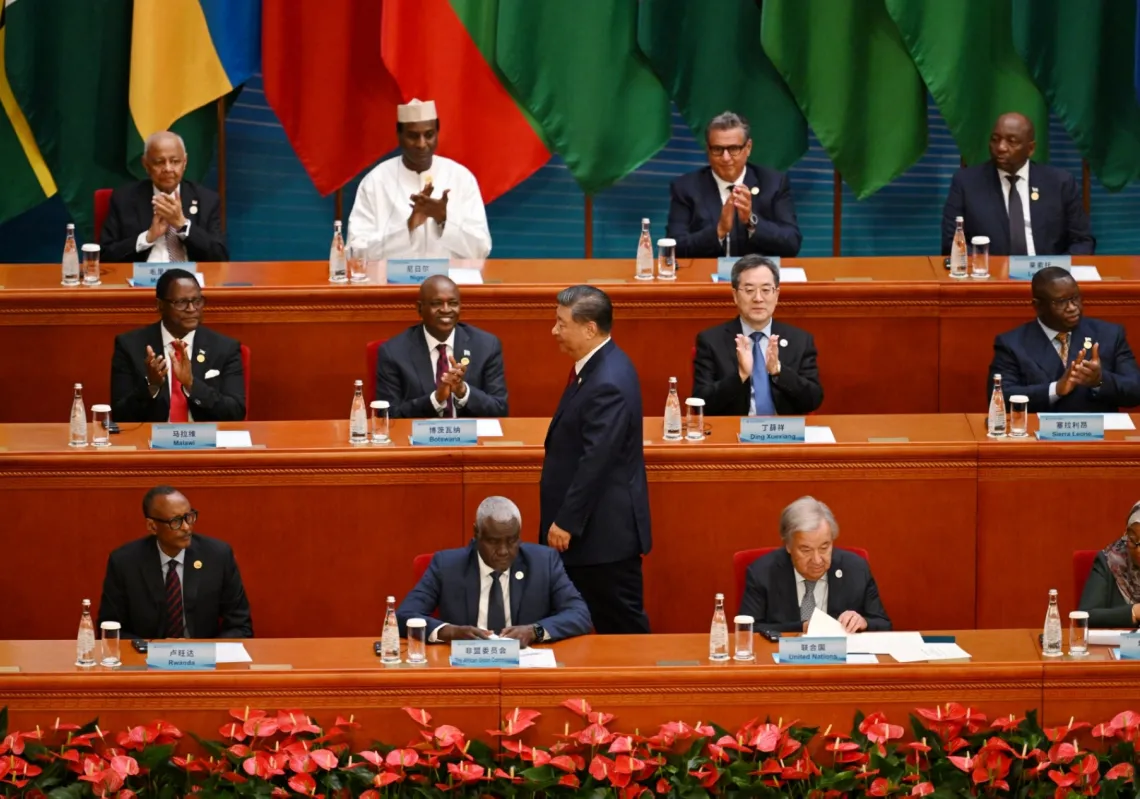
While many countries have applied to join - which will certainly be a topic of discussion at the upcoming summit - BRICS members will have to reckon with the upsides and downsides of global expansion.
Debt is often described as a burden and linked with times of crisis. And it can be damaging. But if spent wisely, it can help transform economic fortunes and boost wealth.
A potential food crisis is looming and some Arab countries will struggle to protect their populations from scarcity and hunger after the demise of the UN-brokered deal on Ukrainian grain exports
The high level of unemployment has become a national talking point in Iran, while claimed statistics offered by the government are no longer trusted by citizens.
The human cost and development disasters caused by the August invasion in 1990 remain after Kuwait became hooked on high public spending to recover. Financial and economic reform is needed.
Lebanon's central bank governor leaves office after three decades, leaving depositors and the fate of their life savings in the hands of a crude ruling elite
The Kingdom wants to unlock the enormous competitive advantages it has – not least a geographical location linking three continents – to become a dynamic destination for investment
The demise of debt talks with the IMF made the country's finances a national talking point. A Saudi package has provided wriggle room, but political action is needed for proper progress.
Disruption in the Hormuz can have major implications for global trade, but it also creates opportunities for smaller nations like Iran to become global political players
The Iraq war was viewed as disastrous in retrospect, while the Iran war was unpopular from the get-go. Al Majalla highlights the similarities and differences between the two.
Pipelines have a chequered history in the Middle East, but the closure of the Strait of Hormuz has led US Tom Barrack to conclude that a new route through Syria could solve some problems.