
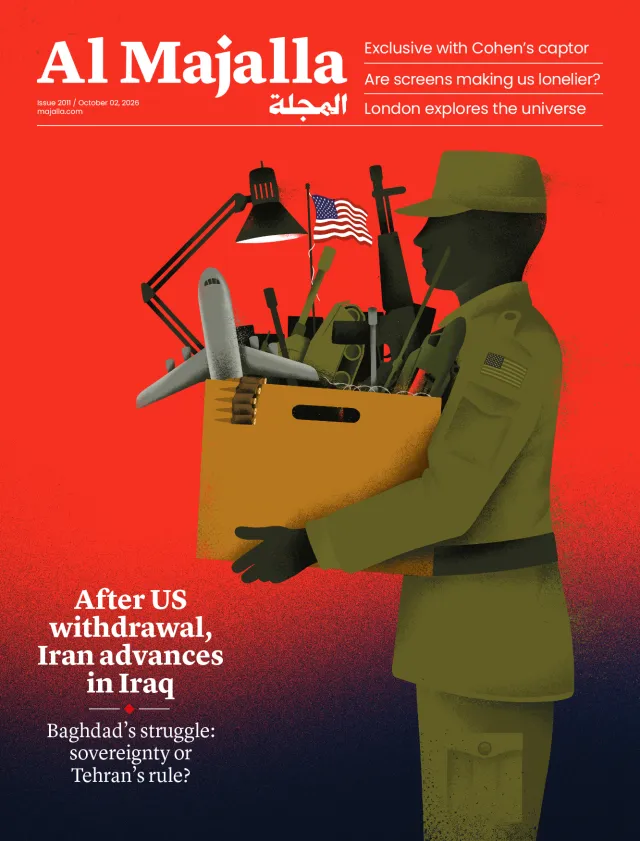


The memorandum of understanding between the United States and the Islamic Republic of Iran lasted barely a month, which showed just how much understanding there really was. On 18 June 2026, US President Donald Trump and Iran’s President Masoud Pezeshkian signed (remotely) the Islamabad Memorandum, but within days, it had begun to unravel.
Washington accused Tehran of attacking oil tankers in the Strait of Hormuz and responded with airstrikes against Iran’s Islamic Revolutionary Guard Corps (IRGC). On 8 July, Trump declared the memorandum void and said the US was reverting to direct military action. It was a blow to diplomats, especially in Pakistan, which had been mediating, together with involvement from Oman.
When talks opened in Islamabad, there were hopes in some quarters that the agreement might finally end a war that had drained the region and cost tens of billions of dollars, not least in lost oil and gas exports. Amid the backslapping over a deal, however, some feared that the understandings concealed undisclosed provisions, echoing arrangements reached under former US President Barack Obama. In the end, they were proved right; the agreement lasted only a few days.
Realities, regardless
It seems that the desire to end a war many consider rash was not enough to bridge the deep strategic divide between Washington and Tehran. The White House may have been willing to overlook the anxieties of some allies, but it was not prepared to accept Iranian conditions or acquiesce to Tehran’s regional behaviour. There were also realities neither side could wish away.
The attacks of 7 October and the upheaval that followed reshaped the regional balance of power and inflicted heavy losses on Iran and its wider project. It also showed that Iran’s proxies posed a danger far beyond Israel—and that Israel was never their primary target. Today, those proxies and allies in countries like Lebanon, Yemen, Syria, and Iraq have either collapsed entirely or else are significantly weakened.

