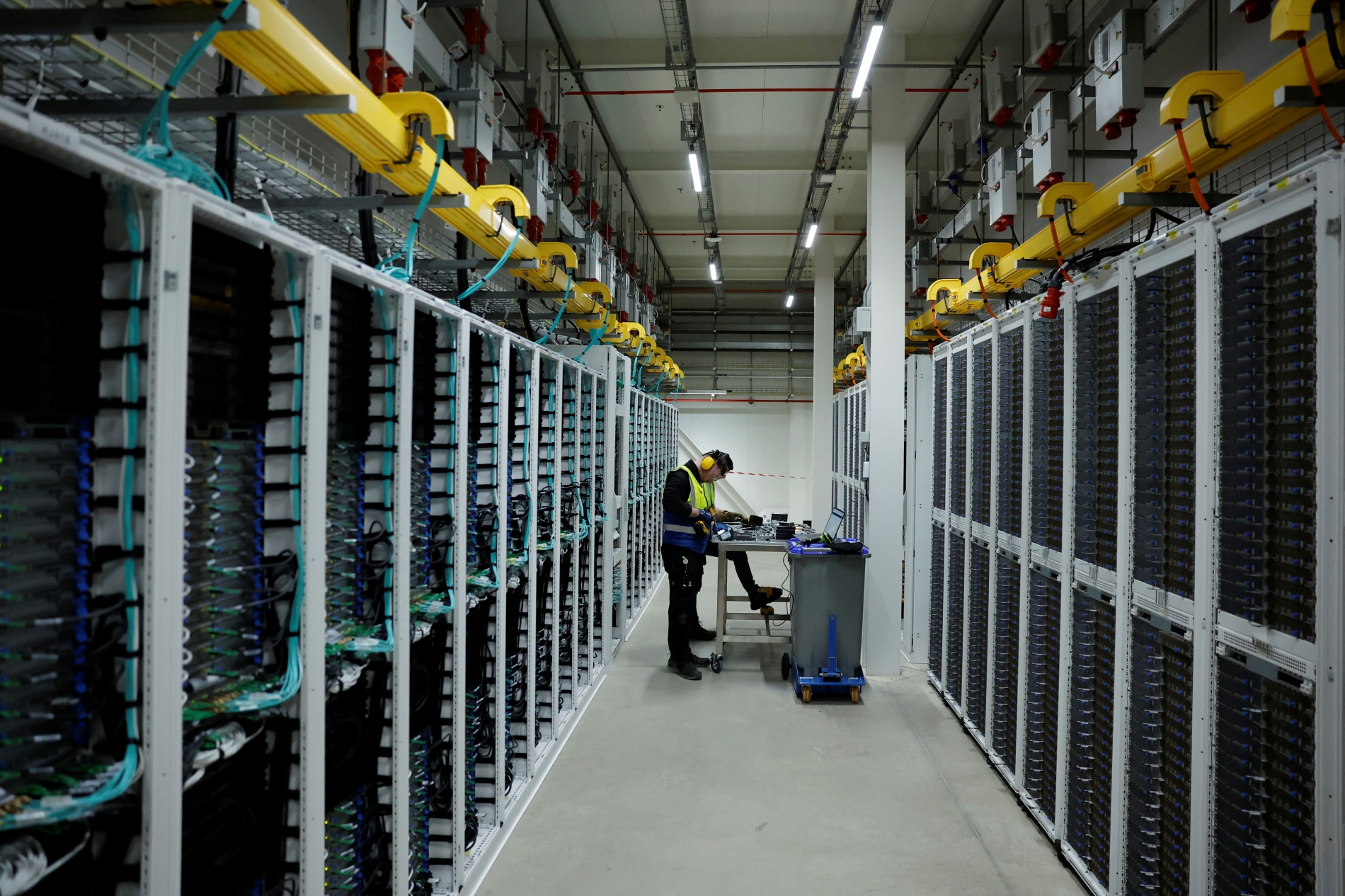

Until recently, a request for more than 300 megawatts of new electricity demand would most likely have signalled the establishment of an aluminium smelter, a petrochemical complex, or a large industrial estate. Today, it is just as likely to support an AI data centre, whose voracious thirst for electricity is well documented. Yet the real story is bigger.
AI infrastructure is creating an entirely new class of electricity customers, different from large industrial clients. These customers consume power at unprecedented scale, operate continuously, demand exceptionally high reliability, and expect to be connected to the grid far faster than utilities are accustomed to delivering.
For more than three decades, electricity-sector reforms have liberalised markets, unbundled generation, transmission and distribution, and introduced competition to improve efficiency and reduce costs. The rapid expansion of AI is now testing those structures. As hyperscale data centres emerge, the coordination advantages of vertically integrated utilities are becoming more apparent.
These vertically integrated utilities remain dominant in the Middle East and North Africa (MENA), but regulated tariffs and subsidised electricity raise questions about how this infrastructure should be delivered. AI is not proving one model of electricity provision superior to another; it is exposing the strengths and limitations of each.
Governments must now consider whether huge data centres are a distinct category of electricity customer requiring new approaches to grid access, tariffs, infrastructure, and new roles for utilities and developers. The answer will shape how electricity systems evolve, and which countries are best positioned to compete in the AI economy.
New class of customer
At first glance, hyperscale data centres may look like any other large industrial customer, but several characteristics fundamentally distinguish them. They require larger amounts of electricity in shorter timeframes, they require continuous electricity, they demand high levels of reliability, and they cluster massive loads in limited locations. Combined, it challenges the way electricity sectors are planned, operated, and regulated.
AI workloads, powered by high-performance graphics processing units (GPUs), can consume up to eight times more electricity than conventional computing. Hyperscale developers require hundreds of megawatts from day one and expect grid connections within two to three years. This compresses what would normally be years’ worth of demand growth into a single connection request.
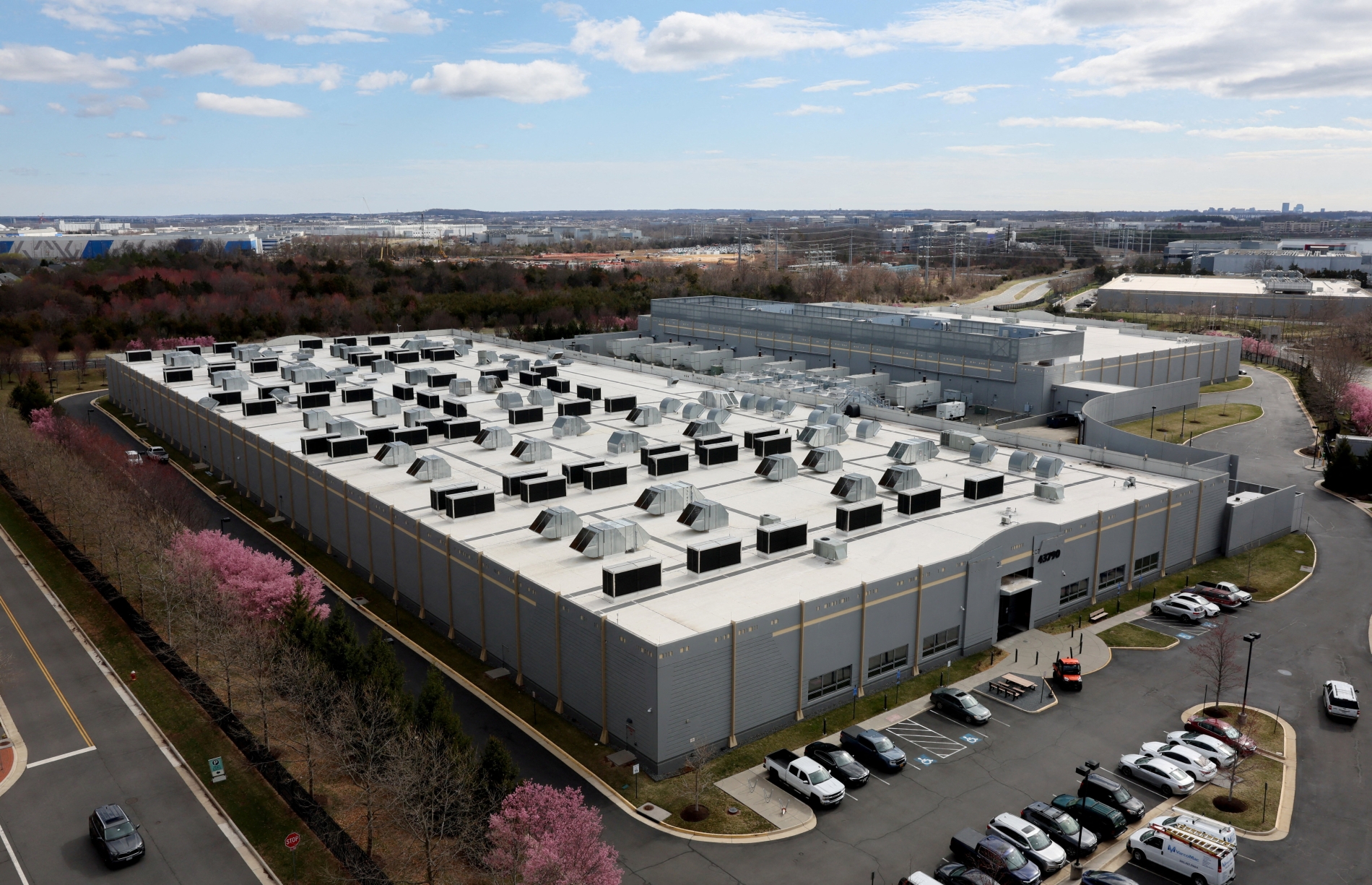
They use electricity differently, too. “A factory’s energy demand usually follows production cycles, shifts, and market output, while a data centre is a continuous load,” says Prof. Rabih Bashroush, who has coordinated EU-funded projects addressing energy efficiency in data centres. Demand also fluctuates rapidly as workloads change, replacing the relatively stable, predictable load profiles of traditional large industrial consumers.
To these centres, reliability is as critical as supply. Hyperscale data centres have little tolerance for power disturbances. Even brief voltage or frequency fluctuations can interrupt AI operations or damage costly computing equipment, making power quality and grid resilience of utmost importance.
Demand is also highly concentrated. AI infrastructure concentrates massive loads in a few sites, placing huge pressure on local electricity networks. Utilities worry that concentrated loads could destabilise the grid, while operators worry that grid instability could damage expensive hardware, as minor disturbances can force facilities off-grid to protect high-value equipment. “Scale and concentration pose additional challenges,” said Bashroush, “because if multiple data centres trip or reconnect at the same time, they can create a sudden and significant swing in grid demand”. This could lead to blackouts.
Speed of evolution
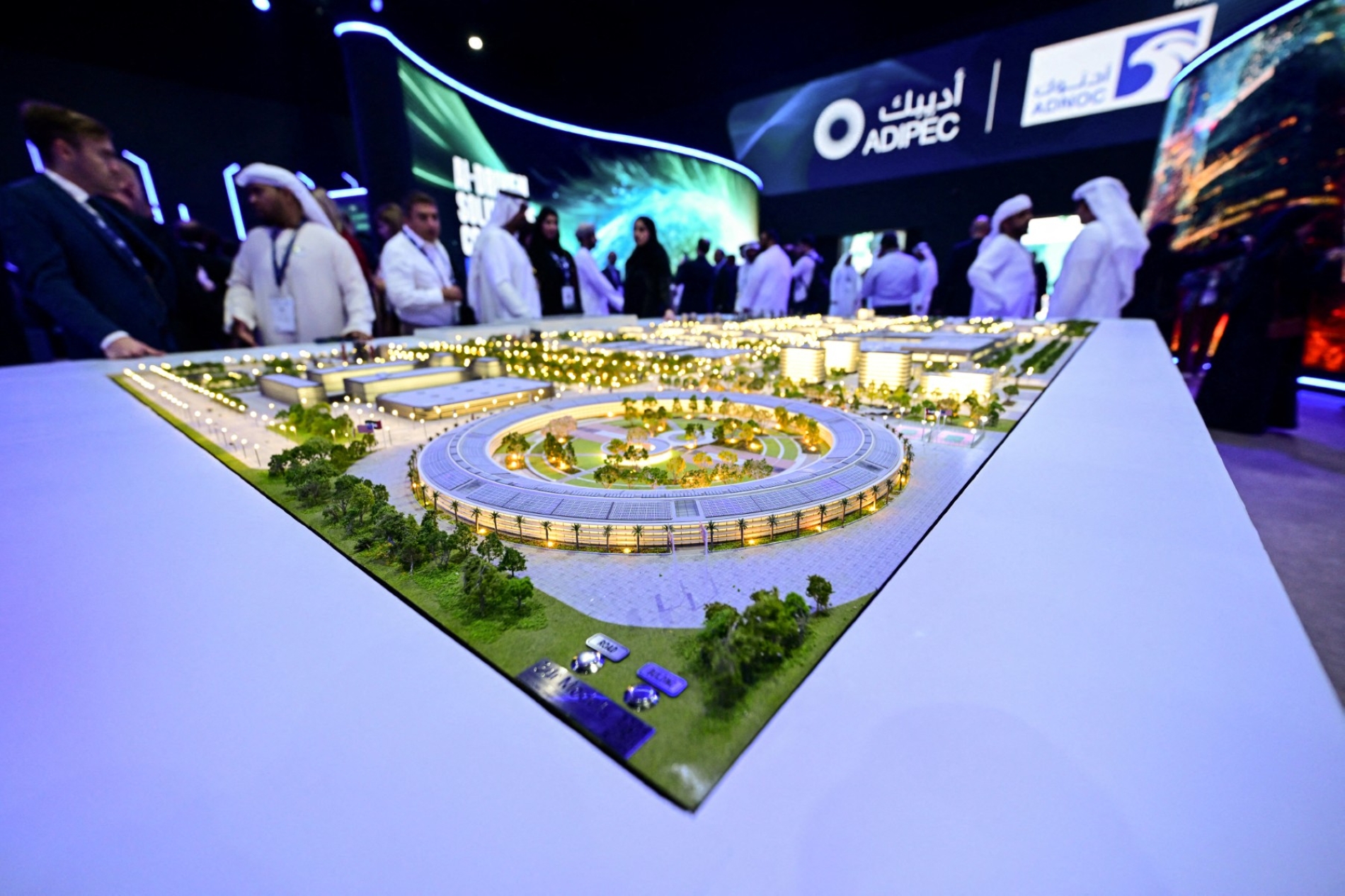
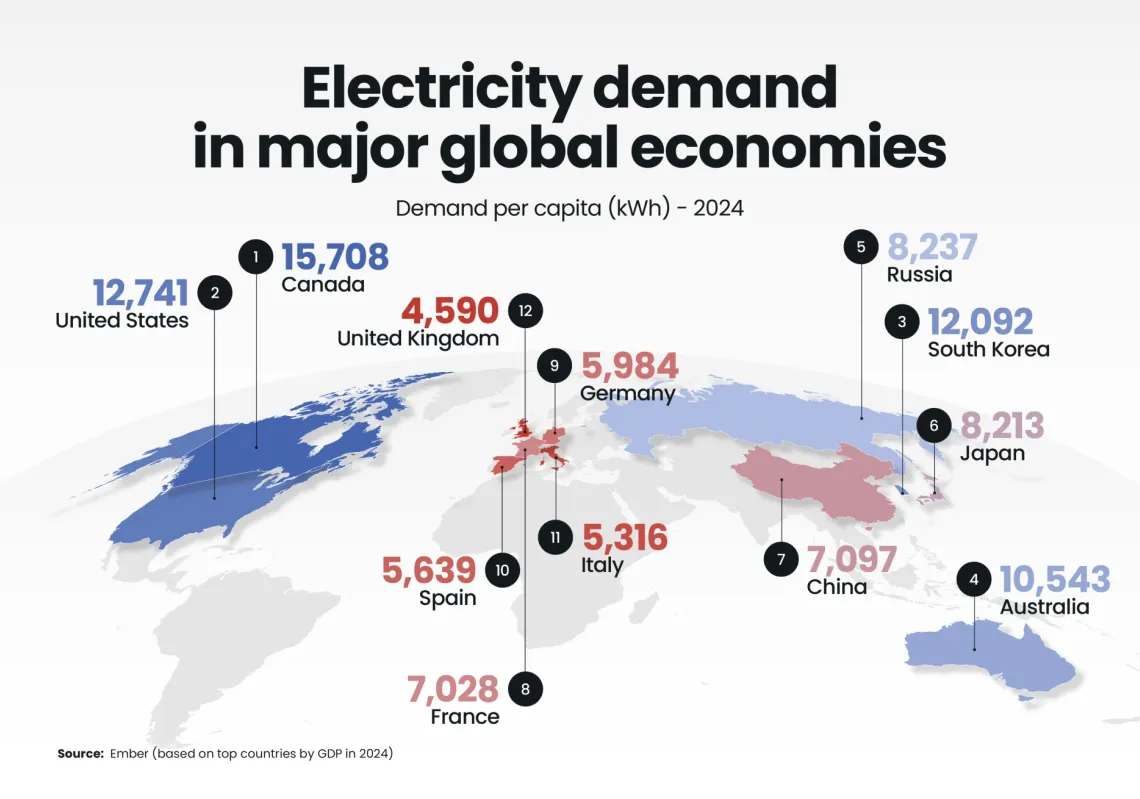
These data centres’ characteristics are already reshaping electricity planning. According to the International Energy Agency, their electricity consumption is expected to more than double by 2030, to approximately 945 TWh, which is roughly equivalent to Japan’s current annual electricity consumption. For MENA countries, particularly Saudi Arabia and the UAE as emerging as AI hubs, this is an important issue.
Electricity is a strategic enabler of digital competitiveness, and the key challenge lies in whether electricity utilities and regulatory frameworks can evolve quickly enough to support the AI economy. As part of that, AI data centres require dedicated rules for grid access, tariffs, and infrastructure investment.
For decades, the relationship between utilities and large electricity consumers was straightforward: utilities planned the system, matched supply with demand through relatively predictable growth in residential, commercial and industrial consumption, and delivered electricity through the grid. Large industrial consumers focused on their own operations rather than on securing their own power.