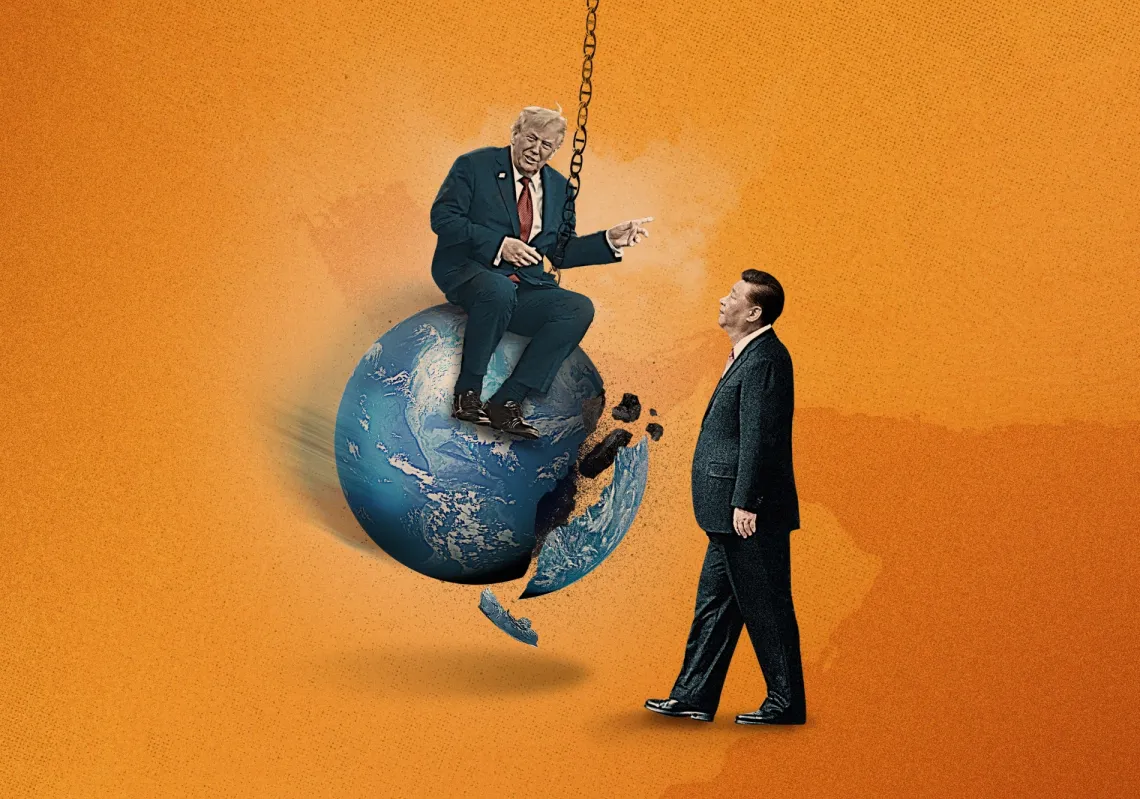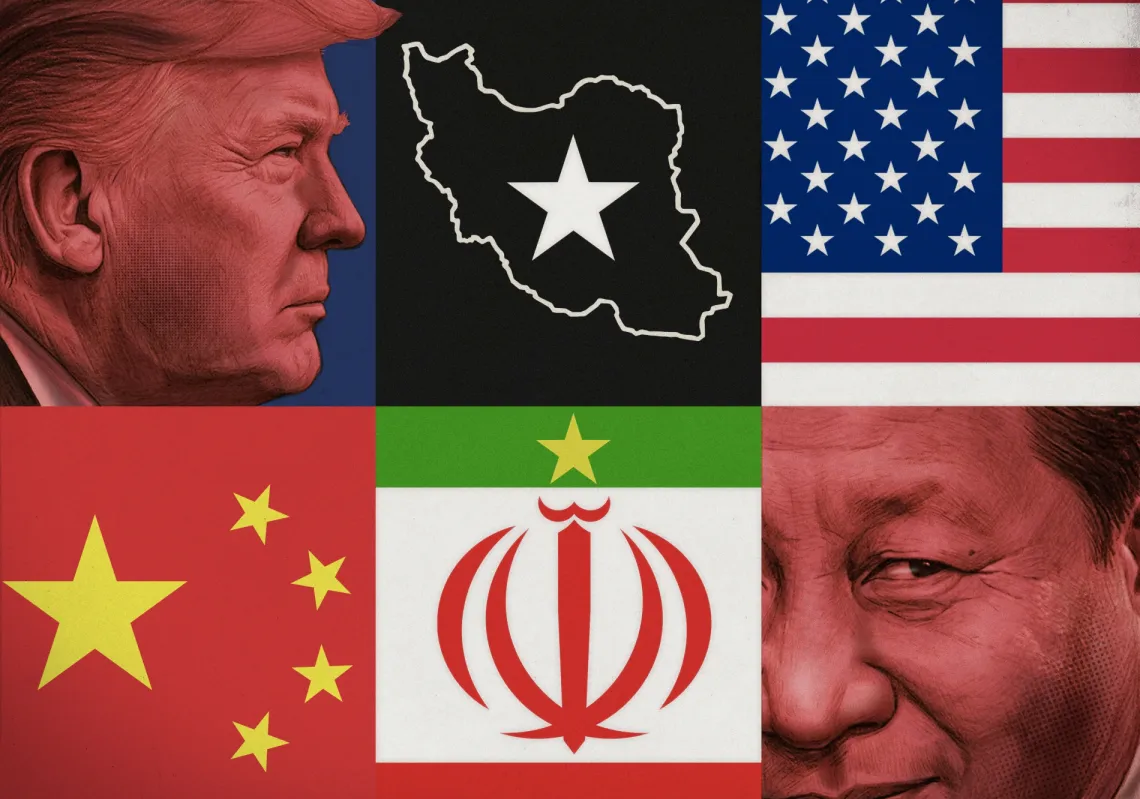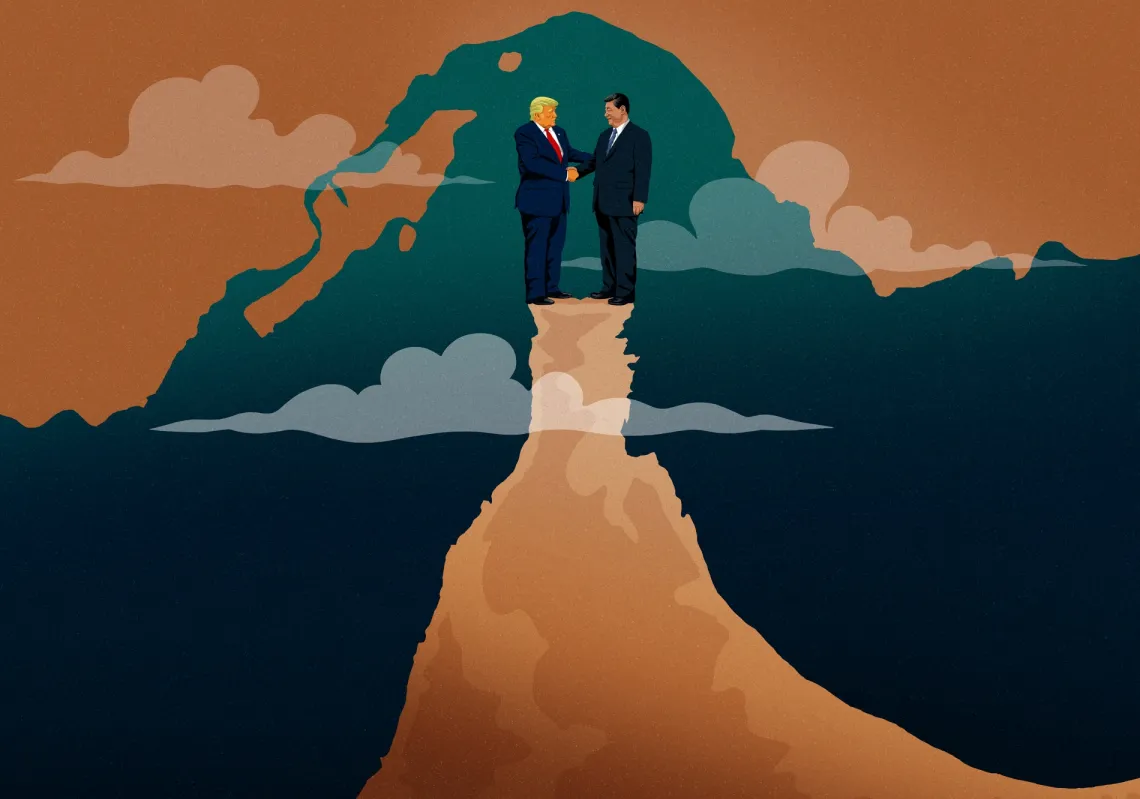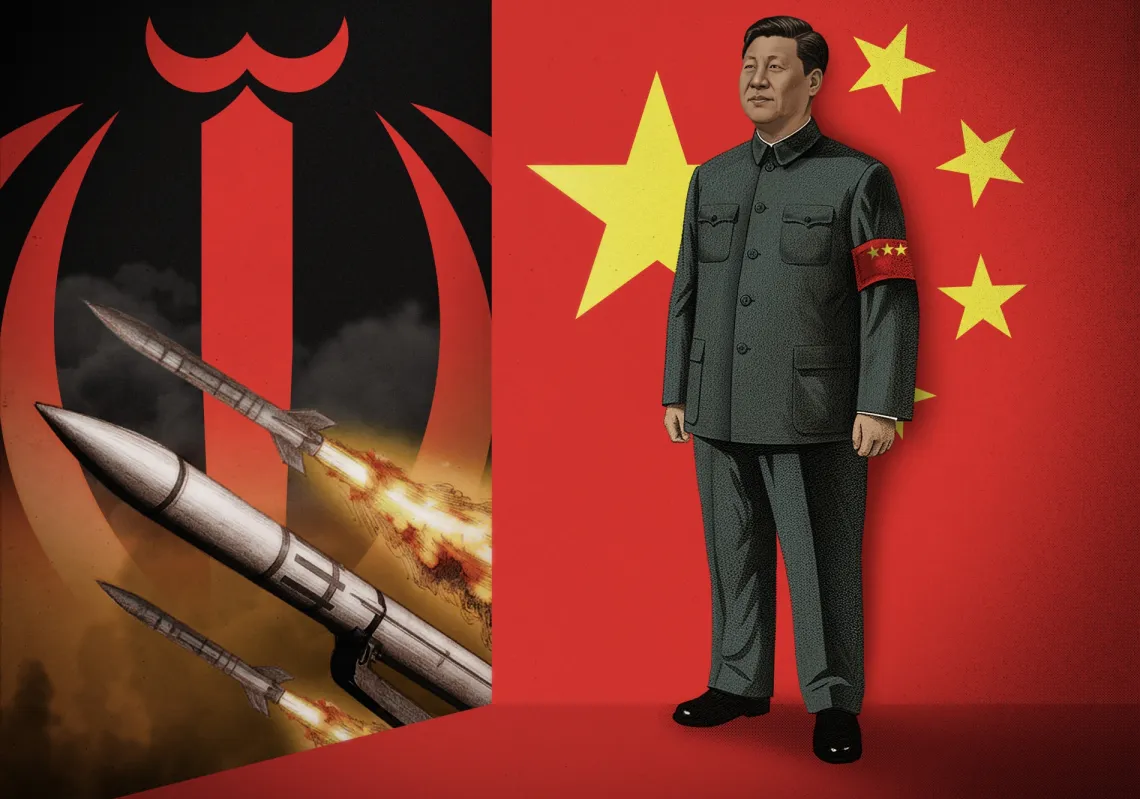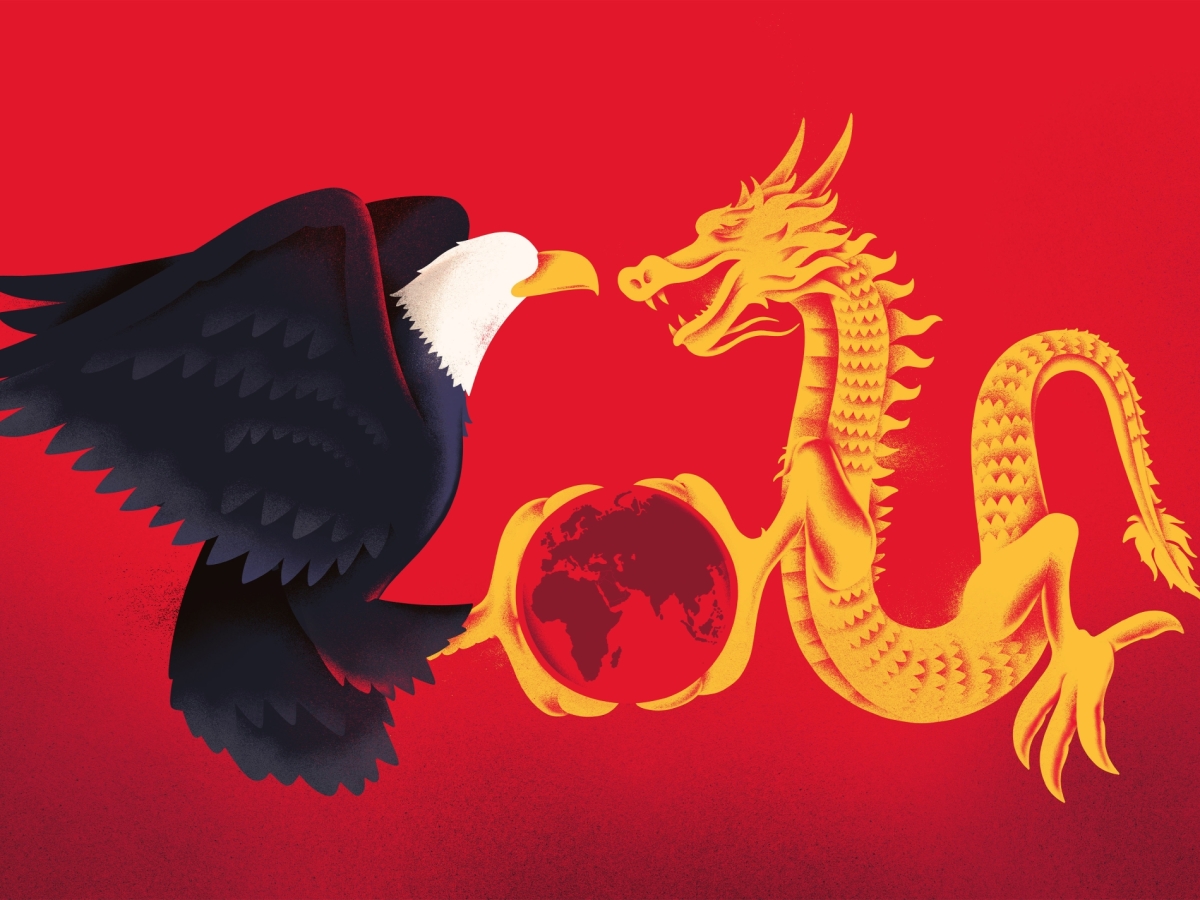

The summit between US President Donald Trump and Chinese President Xi Jinping comes at a consequential moment in the international order, where strategic competition is increasingly entangled with the need for cooperation, and where Washington and Beijing face overlapping challenges.
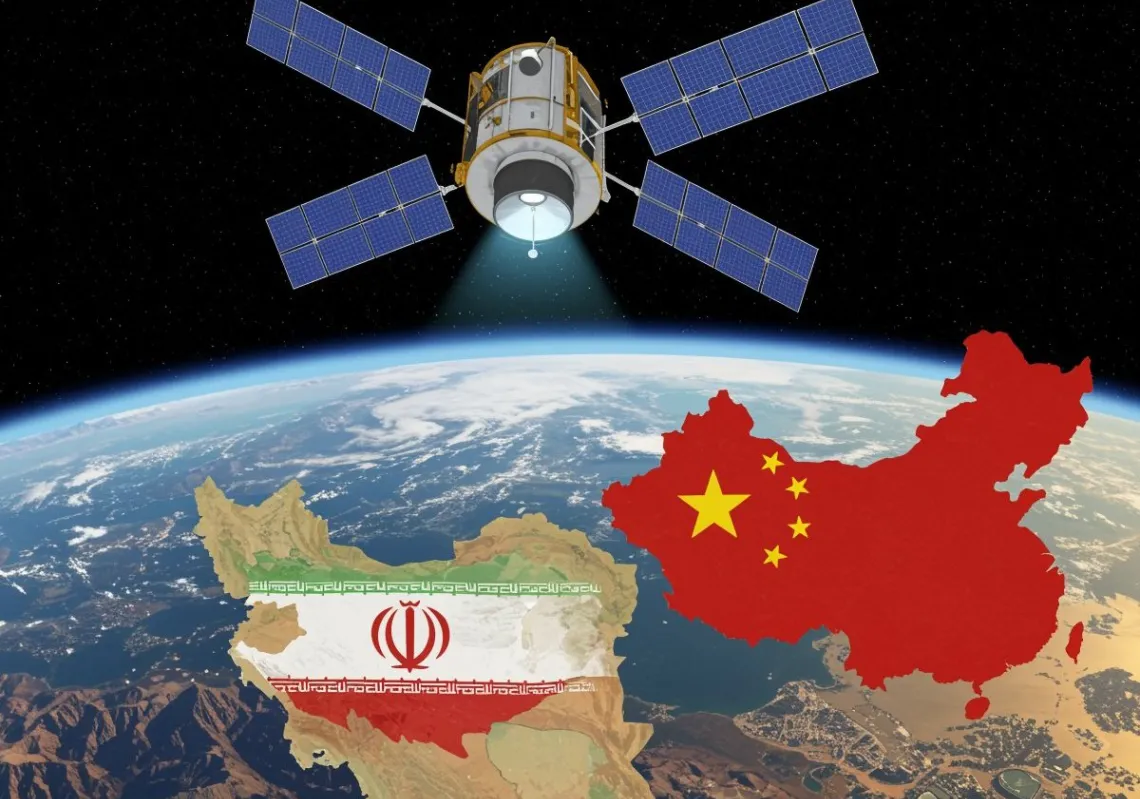
It also comes against the backdrop of US-Iran tensions after the former launched a war on the latter on 28 February, prompting Tehran to seize control over the Hormuz Strait—the critical maritime chokepoint where 20% of global trade passes through.
For its part, the United States is seeking to contain the repercussions of the war with Iran on energy markets and international navigation, while China is trying to protect its expanding economic and oil interests in the Gulf without being drawn into a direct confrontation with Washington.
Here, the Gulf region is emerging as a central theatre in the reshaping of global balances amid a wider US-China contest for global hegemony. How will Gulf states balance their relationships with these two competing powers? Where do their strategic interests lie in this evolving world order? Can Gulf states continue their security partnership with the US while also deepening their economic ties with China? And how might the summit affect the course of the war with Iran and regional power balances?
In this week’s cover story, Al Majalla examines the wider implications of the US-China summit in Beijing—especially regarding the ongoing US-Iran conflict, and Gulf states’ strategic considerations as global power balances shift. We also analyse whether the region is heading towards international de-escalation or a new phase of conflict and global realignment.
Read more:
1. US-China summit: this time, Xi sets the agenda by Shirley Ze Yu
2. Will China help Trump find an off-ramp over Iran? by Yang Xiaotong
3. Amid US-China competition in the Gulf, there is room for cooperation by Charbel Barakat
4. Trump-Xi summit: trade tops the agenda in Beijing by Mohamed Sharki