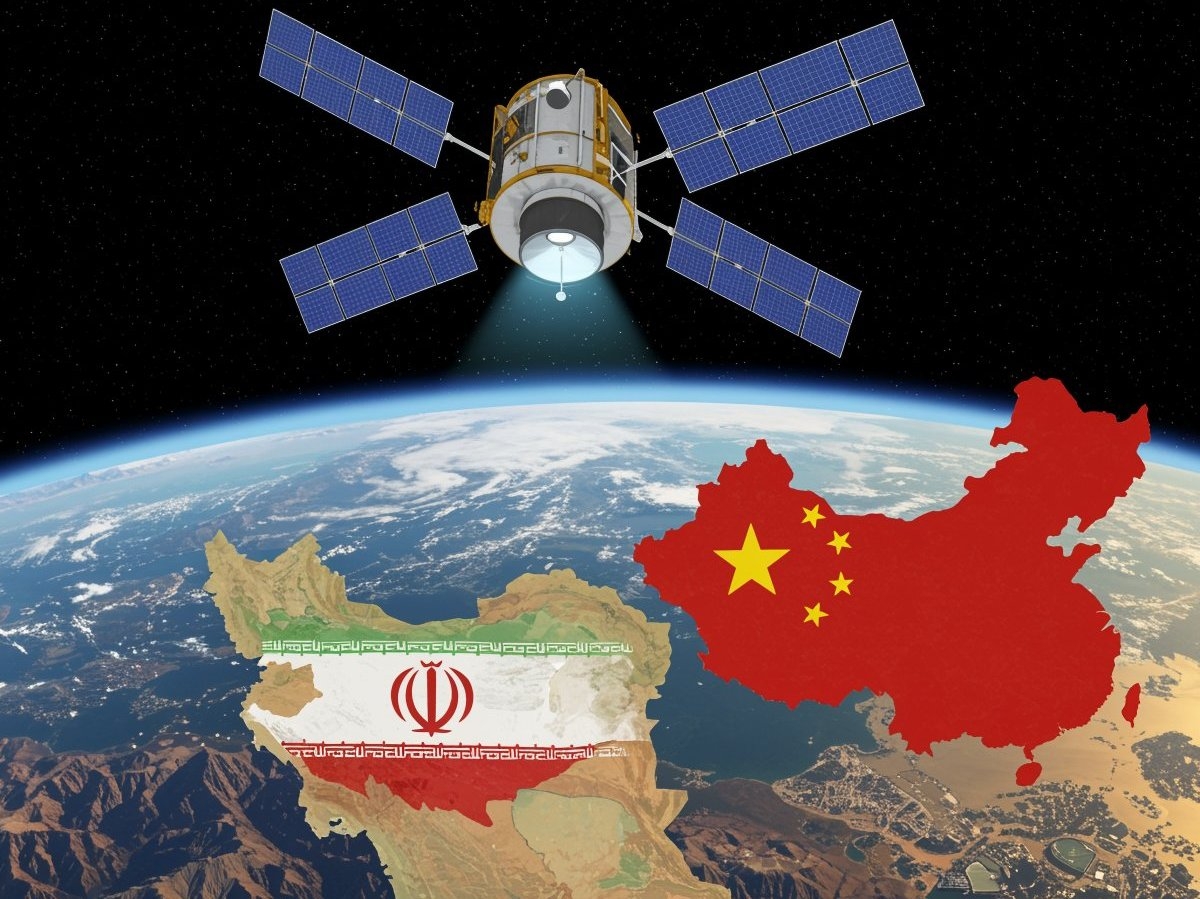

Since the United States and Israel first launched their attacks on the Islamic Republic on 28 February 2026, Russian and Chinese satellite support to Iran has proved critical. According to the Financial Times, Iran secretly acquired Chinese reconnaissance capabilities linked to the satellite Earth Eye (TEE 01B) in late 2024. They have been used to track bases and sites in Saudi Arabia, Jordan, Bahrain, and Iraq during the latest war, allowing Tehran to build a more accurate target bank.
Yet the purchase went beyond the satellite itself. It also included access to commercial ground stations operated by a Chinese company that provides satellite control services and data processing. With this network spread across several continents, the user can download and analyse data quickly—a decisive advantage in modern military operations (China denies that the satellite was used to direct attacks on US targets).
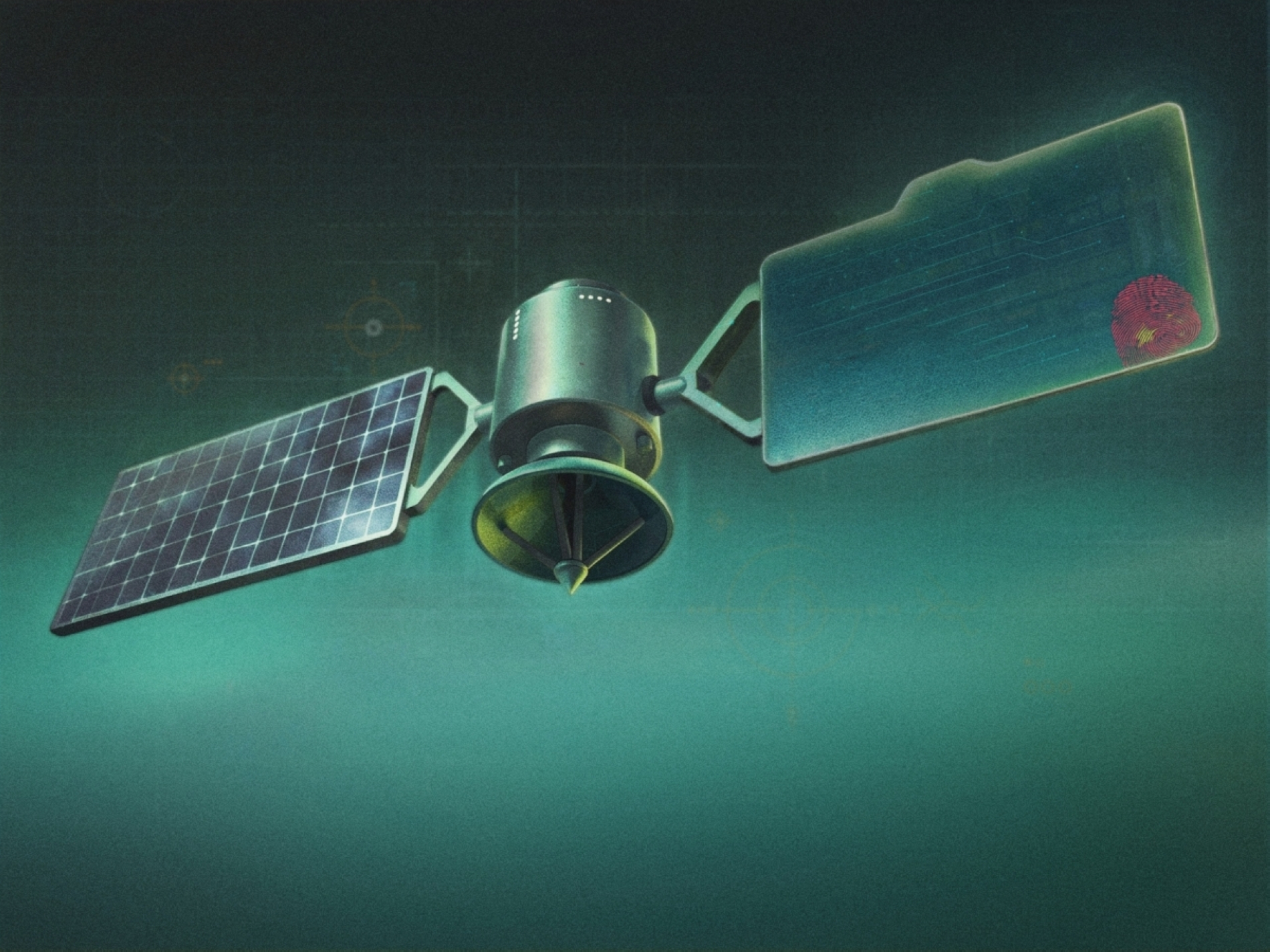
The Chinese satellite Earth Eye shows how commercial satellites are becoming influential militarily. Developed by a Chinese company and launched in June 2024, it was originally designed for high-precision Earth observation, but quickly took on political and security significance after reports suggested it had been used in conflicts in the Middle East.
It has advanced imaging capabilities, making it a high-resolution system. It can capture panchromatic imagery at about half a metre resolution, allowing detailed observation of assets such as aircraft and vehicles within military bases. Its multispectral capability provides colour at a slightly lower resolution, making it useful for assessing the nature of targets and changes in the surrounding environment.
An eye in the sky
With a wide 14km swathe, the satellite can cover large areas in a single pass, making it effective for monitoring broad zones without requiring multiple repeat passes. The satellite operates in a low, sun-synchronous orbit at an altitude of roughly 545km. This allows it to image the same location under similar lighting conditions, making it easier to compare imagery over time.
The feature is particularly valuable for military analysis, enabling analysts to track changes at sensitive sites, whether it be equipment movement or damage. Reports indicate that Iran gained control of the satellite through an arrangement known as in-orbit delivery, a method that transfers control after launch without going through traditional channels for selling technology.
If confirmed, it would mean advanced imaging capabilities are available to a party that had not previously had this level of resolution, bypassing restrictions on the transfer of sensitive technologies. The imagery is believed to have been used to plan drone and missile strikes by identifying precise locations inside military bases, then used to assess the results.