Trump-Xi summit: trade tops the agenda in Beijing

China and the United States have a chance to clinch some economic win-win deals this week, provided politics does not get in the way

Efi Chalikopoulou

Trump-Xi summit: trade tops the agenda in Beijing

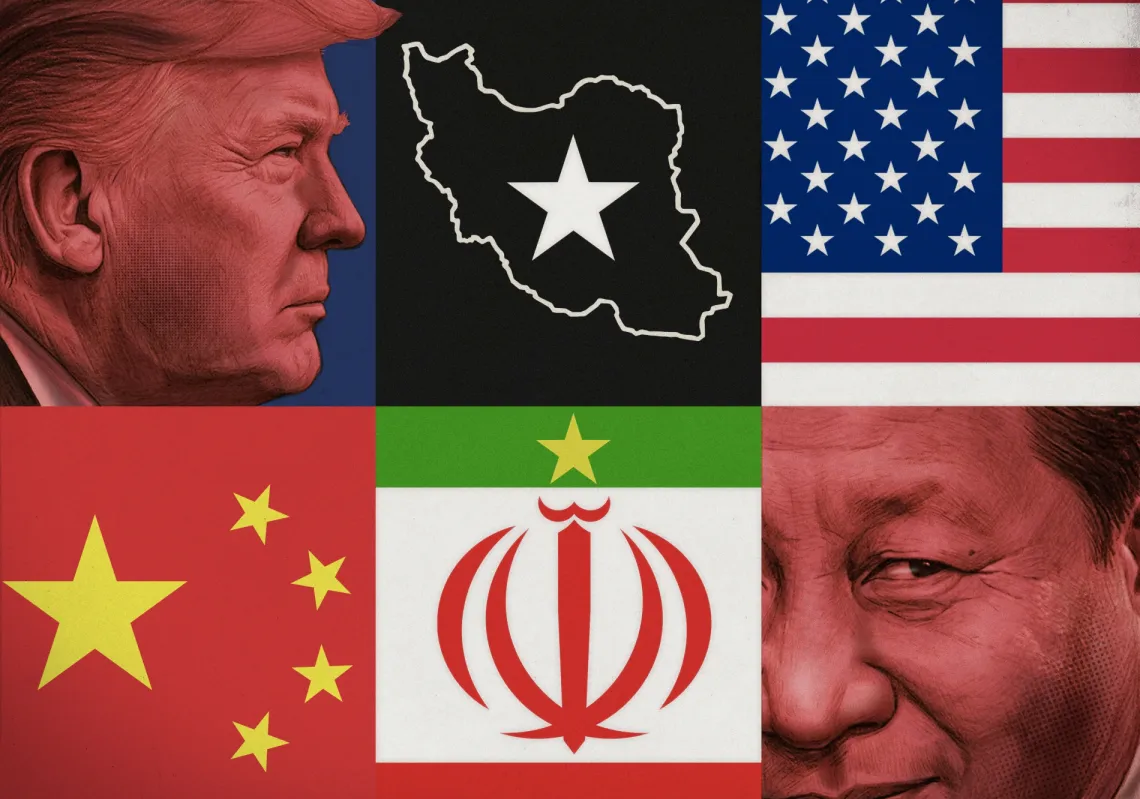
Economic considerations weigh heavily on this week’s US-China summit, as both sides push their respective priorities. For its part, Beijing is looking to liberalise trade, safeguard supply chains, and ensure freedom of maritime navigation after Iran seized control of the Strait of Hormuz, where 20% of the world's global trade passes through. Importantly, Tehran's chess move came after the US and Israel jointly waged war on Iran on 28 February this year.

Since April, a tenuous ceasefire has mostly put a halt to massive airstrikes, although a different war of attrition is unfolding in the Strait of Hormuz amid US attempts to break what it calls an Iranian blockade. Furthermore, Washington has imposed sanctions on three Chinese companies accused of providing images of the locations of American armed forces, exposing them to Iranian strikes and casualties.

China buys around 80% of Iran's total oil exports, which account for 45% of the Iranian government's budget. Iranian oil accounts for about 15% of China's total oil imports, so their relationship is important. Cheap Iranian oil boosts China's competitiveness, so Washington disapproves of this trade, which bypasses Western sanctions—it would rather Iran be starved of revenue.

Meanwhile, China and the US are competing in several key areas. One key competitive field is the Artificial Intelligence (AI) market, as the technology expands into areas such as defence, intelligence, engineering, and education. And with Chinese policymakers acutely aware of the country's ageing population, which is expected to reach 320 million (around a quarter of the population) by 2035, Chinese universities are actively recruiting gifted students from around the world, putting them in direct competition with US universities.

Trump’s visit to Beijing follows the launch of China’s 15th Five-Year Plan, which represents a strategic roadmap for 2026-30. China aims to achieve scientific independence, reduce reliance on external suppliers of advanced technology, expand emerging sectors in innovation, robotics and AI, and avoid external dependence, especially on the United States.

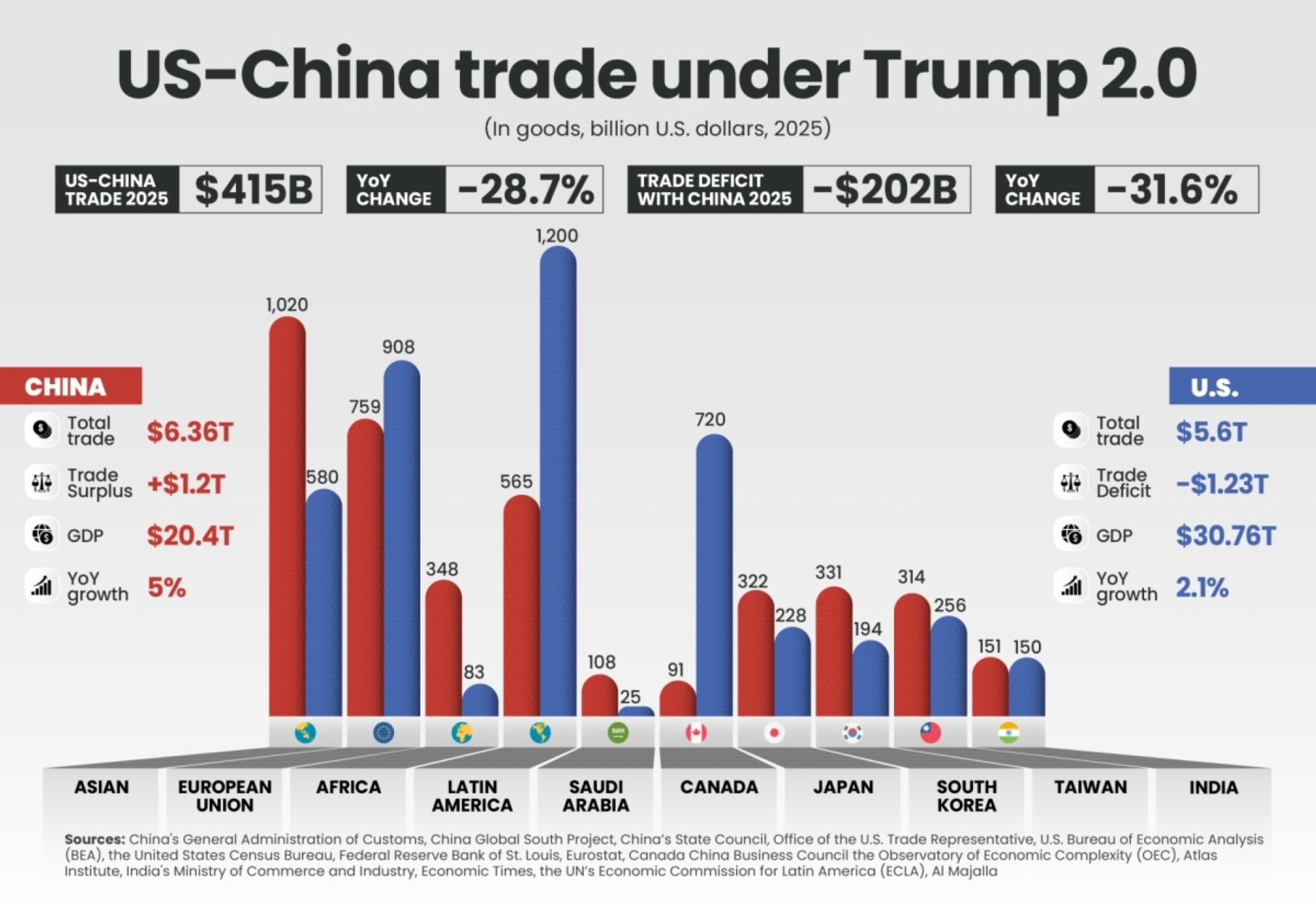
China’s 2030 vision also rests on transitioning to a green economy and achieving carbon neutrality, meeting the Sustainable Development Goals, securing supply chains amid geopolitical tensions, and rebalancing economic growth by increasing domestic consumption. Its economy is growing at around 5% but shows signs of slowing. The US economy grew by 2%, according to Standard and Poor’s, but high inflation of 4% could threaten it, say experts at the Manhattan Institute.
Al Majalla

China defiant over US tariffs

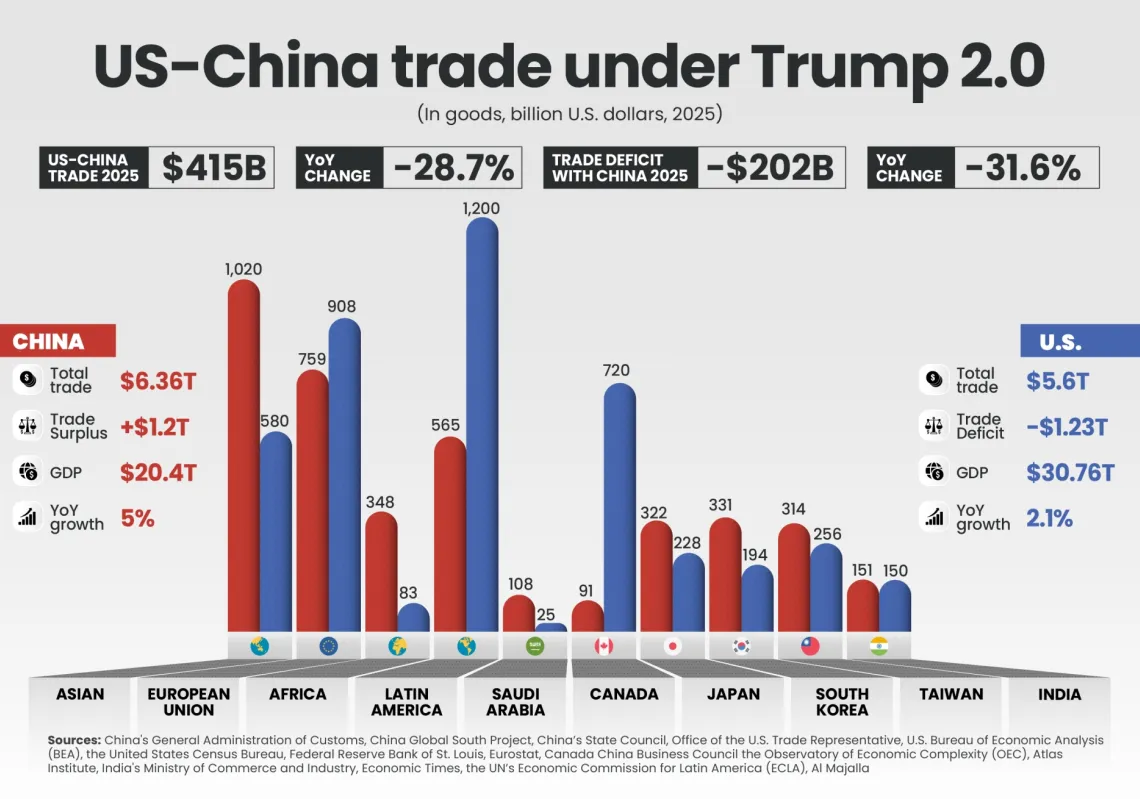
Last year, Trump launched his so-called ‘Liberation Day’ tariffs (since ruled illegal by the US Supreme Court). He raised the rate on China to 145%, but China stood its ground and reciprocated with high tariffs of its own. Combined, they led to a 20% fall in bilateral trade by the end of 2025, but China still recorded a trade surplus with the rest of the world of $1.1tn in the same year. Its surplus with the US was $202bn.
China will likely be satisfied with a tariff reduction in exchange for easing its restrictions on some exports to the US

The UK-based Economist Intelligence Unit

During the first quarter, US-China trade recorded a deficit of $33.5bn. Exports were worth $27.3bn, while imports from China totalled $60.8bn. China is the third-largest export market for the US (after Canada and Mexico), especially for electronics, machinery, textiles, smartphones, and computers. China turns its trade surplus with the US into investment in US Treasury bonds. Its holding is currently estimated at $760bn, making it America's largest foreign creditor after Japan.

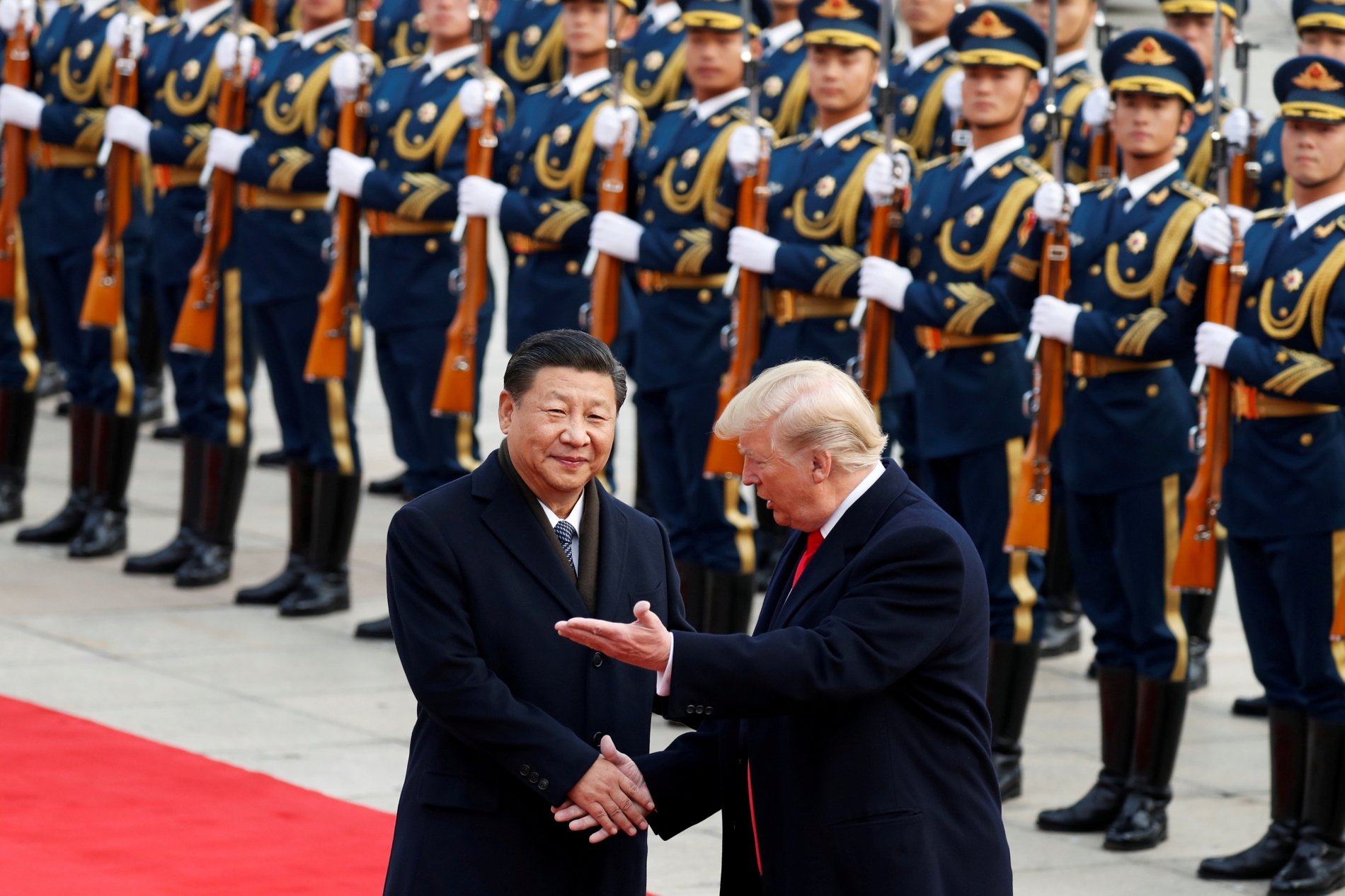
REUTERS/Damir Sagolj
US President Donald Trump takes part in a welcoming ceremony with China's President Xi Jinping in Beijing, China, on 9 November 2017.

President Trump previously visited China during his first term in 2017 and has met President Xi several times, most recently in Busan, South Korea, in October 2025, where they agreed on a trade truce, reducing tariffs for one year after China agreed to buy more American agricultural products—especially soya beans—and to postpone export restrictions on rare earth minerals. In return, the US reduced tariffs on Chinese imports.

The Supreme Court struck down the previous emergency tariffs, which were replaced by comprehensive tariffs of 10% for 150 days, starting on 25 February 2026, pending an appeal. A final decision is expected shortly.

Chinese investment offer

In October 2025, President Xi presented President Trump with a major investment offer worth up to $1tn, aimed at improving trade relations and easing security restrictions on Chinese investments in technology, electric vehicle manufacturing, digital infrastructure, and AI, to reduce trade tensions, according to Bloomberg. Chinese direct investment was estimated at $2.1bn during the first half of last year.

Some fear Chinese expansion within the US economy. The American Enterprise Institute is among those citing geopolitical or security reasons to be wary. Others argue that China's offer represents one of the largest investment commitments in the history of bilateral relations and also serves as compensation for trade losses.

The Beijing summit is seen as a chance to build trust between the two countries and to defuse the trade war. Analysts at the UK-based Economist Intelligence Unit think China will be satisfied with a tariff reduction in exchange for easing its restrictions on some exports to the US. American officials expect to reach an understanding on several trade and investment issues, while Trump believes his personal relationship with Xi will help smooth any wrinkles.

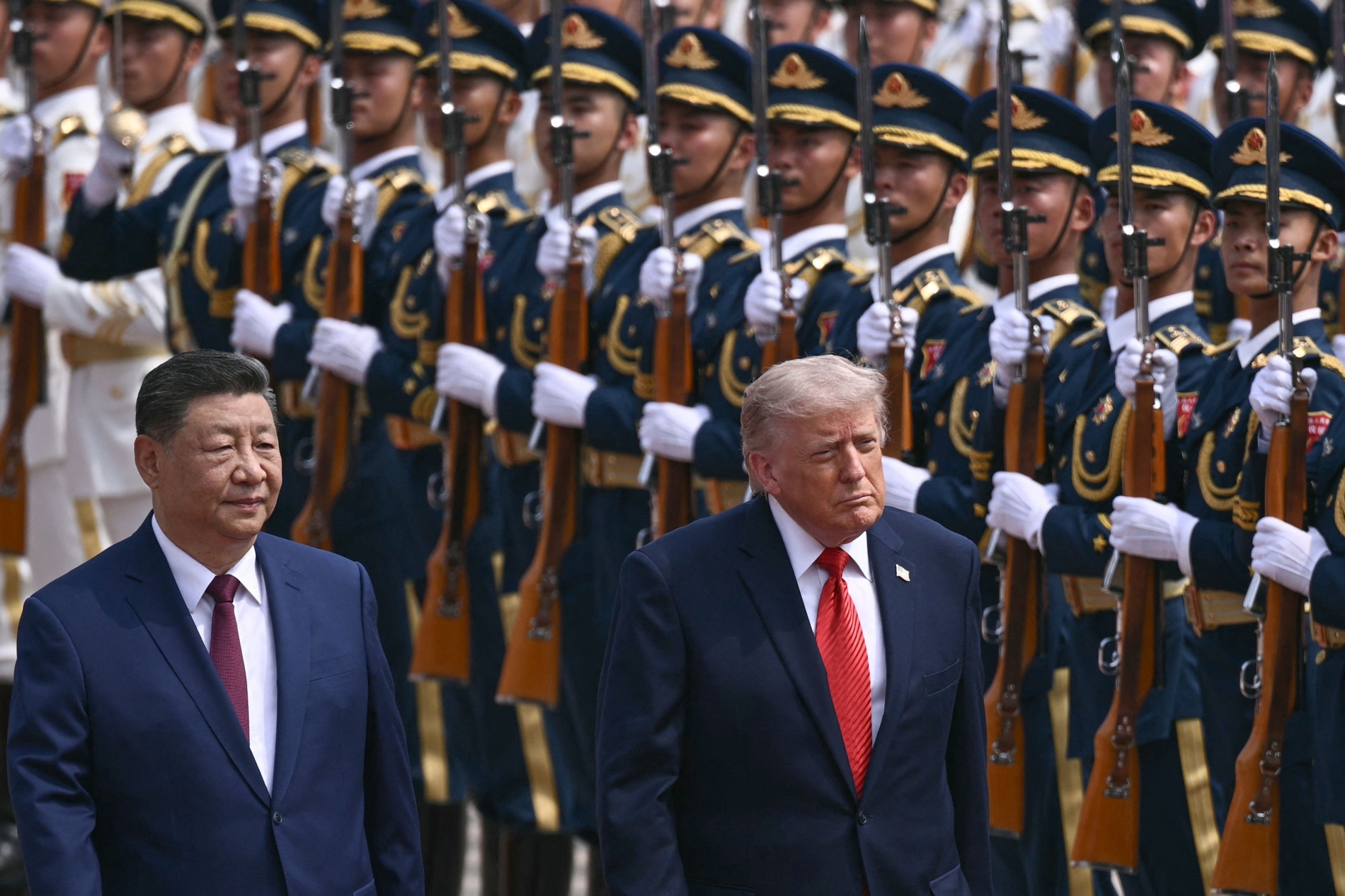
Brendan SMIALOWSKI / AFP
US President Donald Trump (R) and China's President Xi Jinping (L) inspect a guard of honour during a welcome ceremony at the Great Hall of the People in Beijing on 14 May 2026.

Simplified trade procedures and increased investment volumes are understood to be realistic objectives of the summit. A Trade and Investment Council may also be created if technical details can be resolved. Likewise, China is expected to buy 500 Boeing aircraft, its largest purchase of American planes in a decade. Boeing chief executive Kelly Ortberg thinks the deal will improve the company's financial position after a turbulent few years. Dozens of Chinese airlines will use the planes to modernise their fleets, as China continues to develop its own COMAC C919 aircraft.

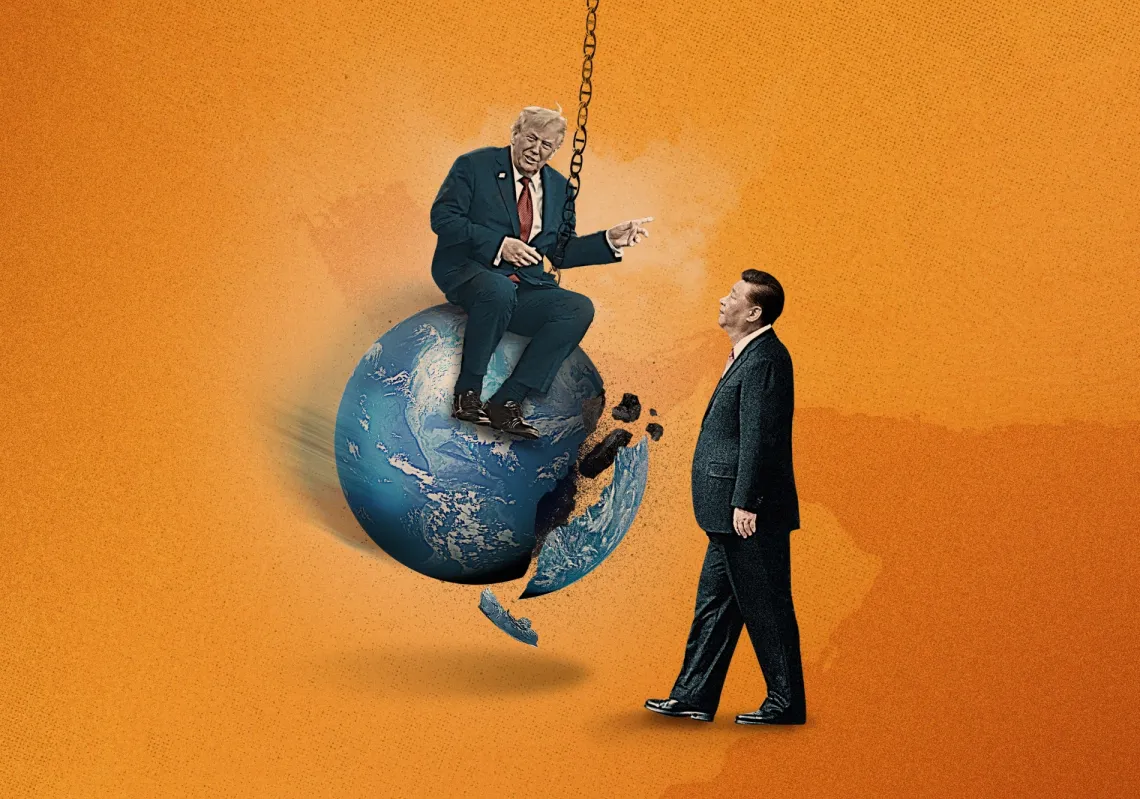
Amid the handshakes, cameras, and pomp in Beijing, observers wonder how far the two superpowers can turn their economic and geopolitical rivalry into opportunities for mutual trade and prosperity.

font change