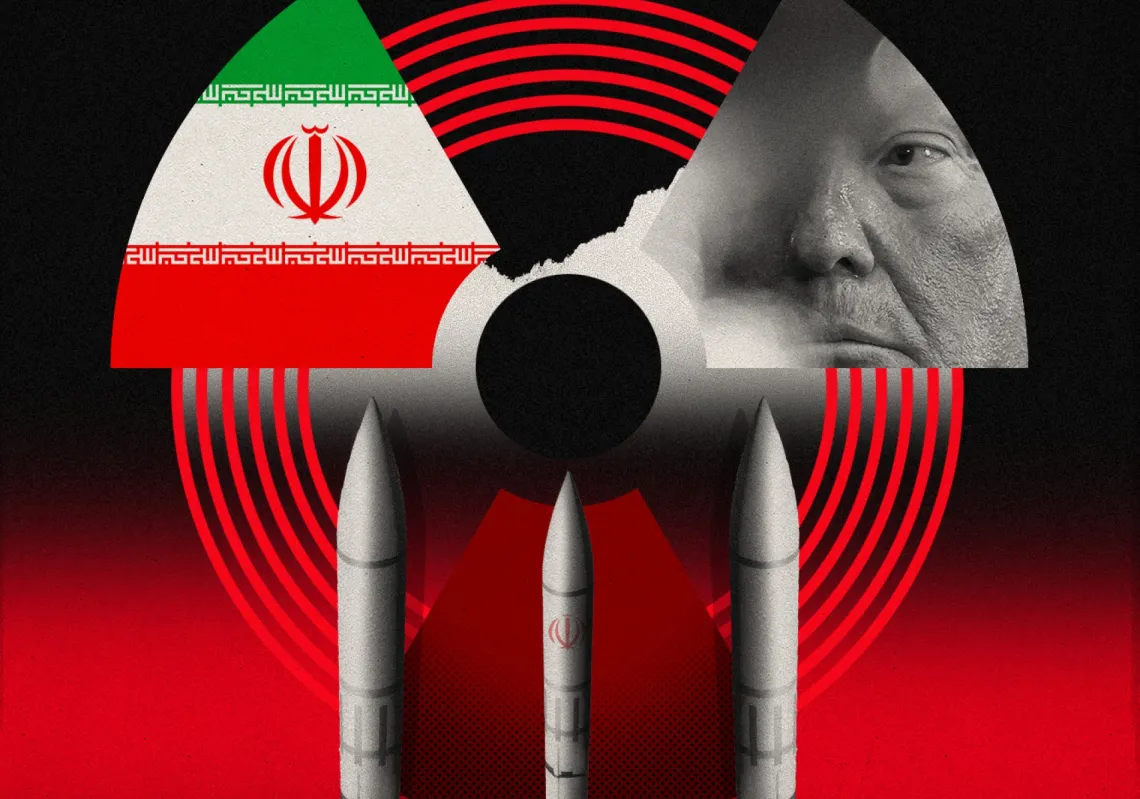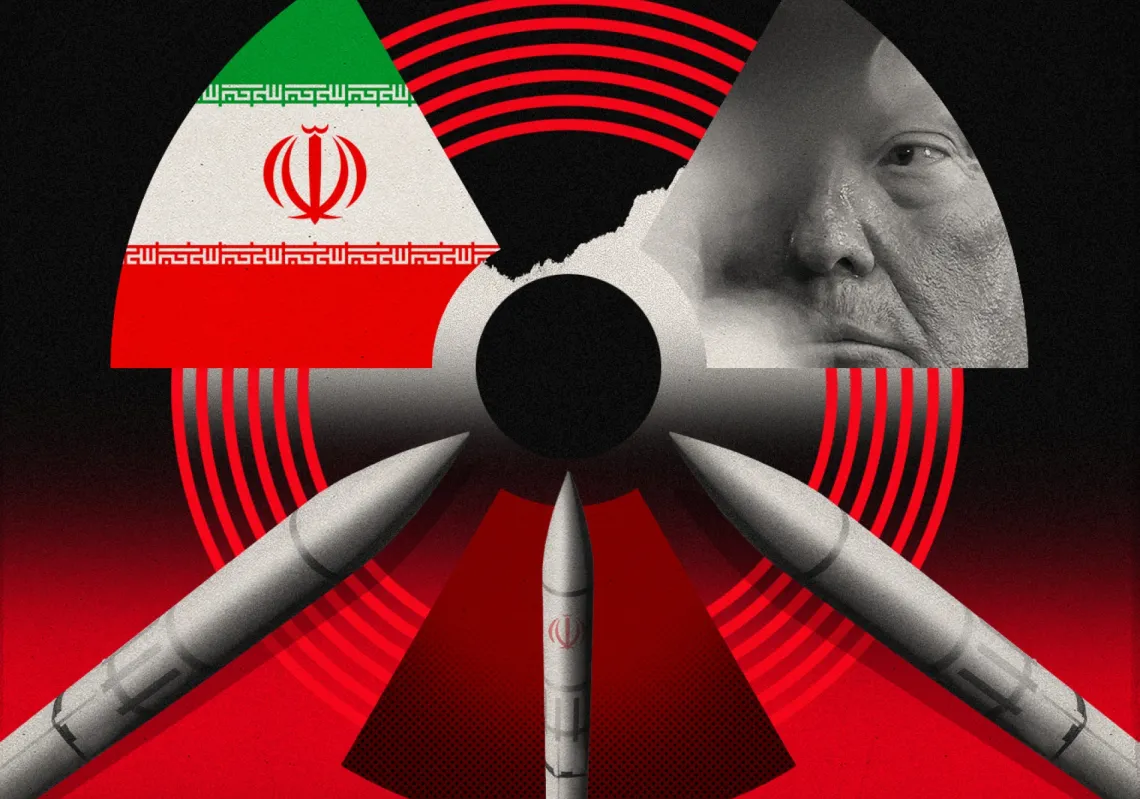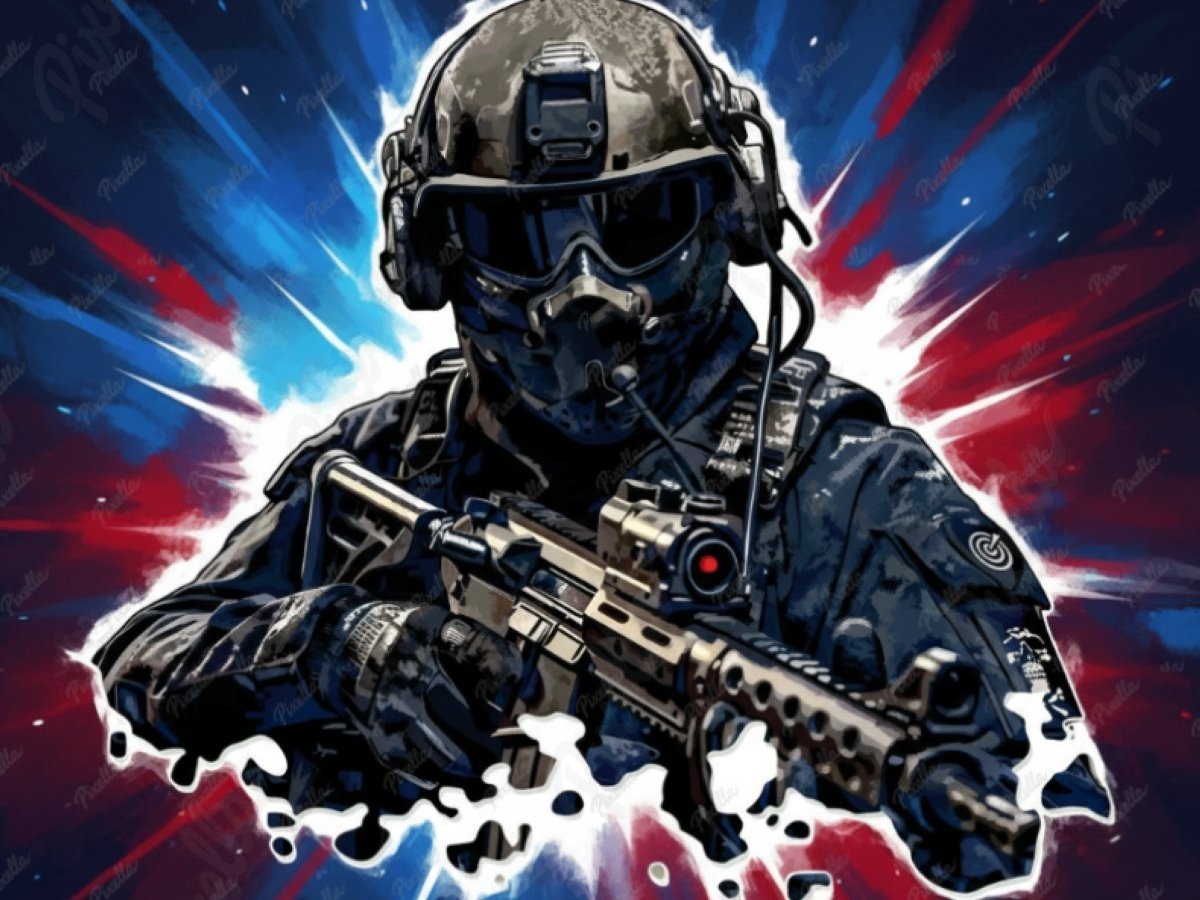

As war clouds gather over Iran, with American warships lurking nearby, it is worth noting that US President Donald Trump’s favoured foreign policy tool whilst in office appears to be the country’s much-vaunted Special Forces.
Both the January 2020 assassination of Iranian commander Qasem Soleimani in Baghdad and the January 2026 capture and extradition of Venezuelan President Nicholas Maduro in Caracas stunned the world, and both originated in US Special Operations Command (SOCOM), based at Tampa, Florida. Whilst it is US Central Command (CENTCOM) that leads on all strategic planning for the Middle East, operations containing the element of surprise typically stem from SOCOM, which has become Trump’s go-to foreign policy lever.
SOCOM was founded after the failure of the Iran hostage rescue mission under President Jimmy Carter in April 1980. The ill-fated Operation Eagle Claw was seen not just as a military failure but also as an intelligence failure that ultimately led to Carter’s electoral defeat by Ronald Reagan just months later. Another major blow came in 1983 when the US Embassy in Beirut was bombed, killing the CIA’s top Middle East expert, Robert Ames, and several other Agency officers.
Eagle Claw and Beirut shook both the Pentagon and Langley (CIA headquarters), with analysts citing a failure of coordination between the intelligence services and the military. Subordinating Intelligence, a book by David Oakley, outlines the subsequent debates in Washington over whether the Department of Defence and the Central Intelligence Agency should be partners or competitors.