Quick, in-and-out precision operations that inflict maximum damage with minimum US casualties have long been a favoured tool of US presidents. Is Trump planning one for Iran?
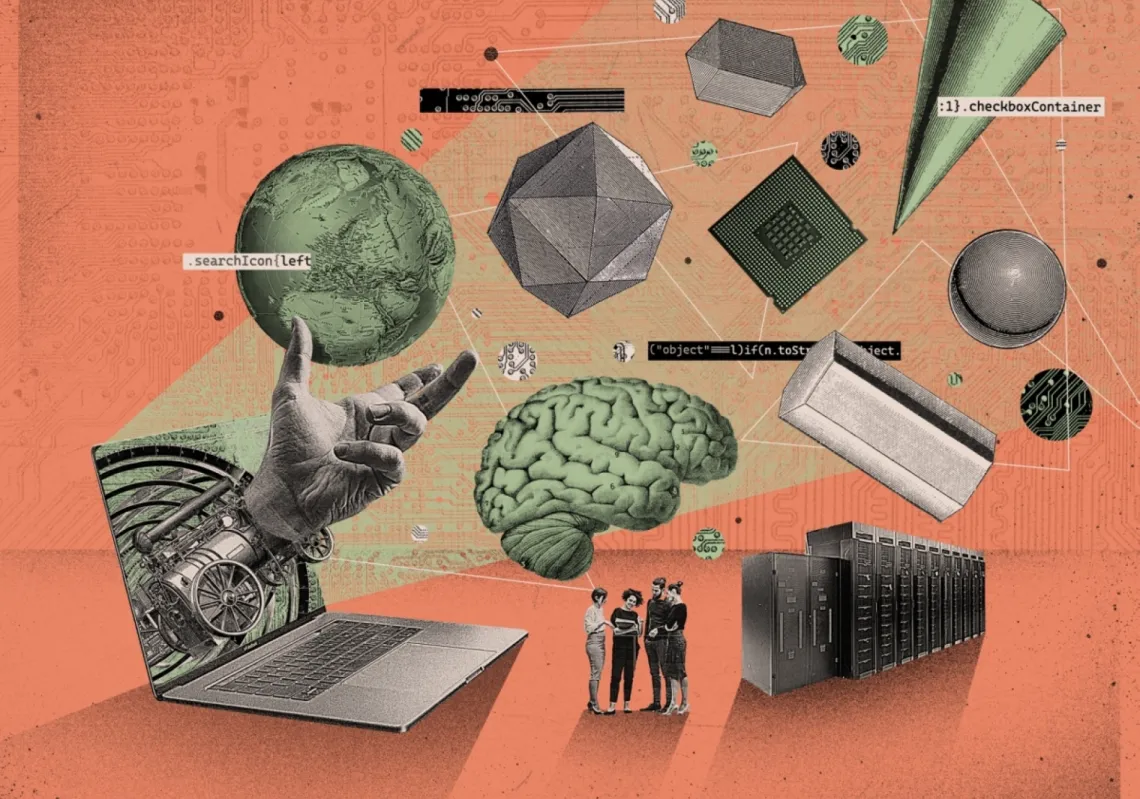
Donald Trump's administration has ordered military chiefs to incorporate Artificial Intelligence into almost everything that it does, and to do it quickly.
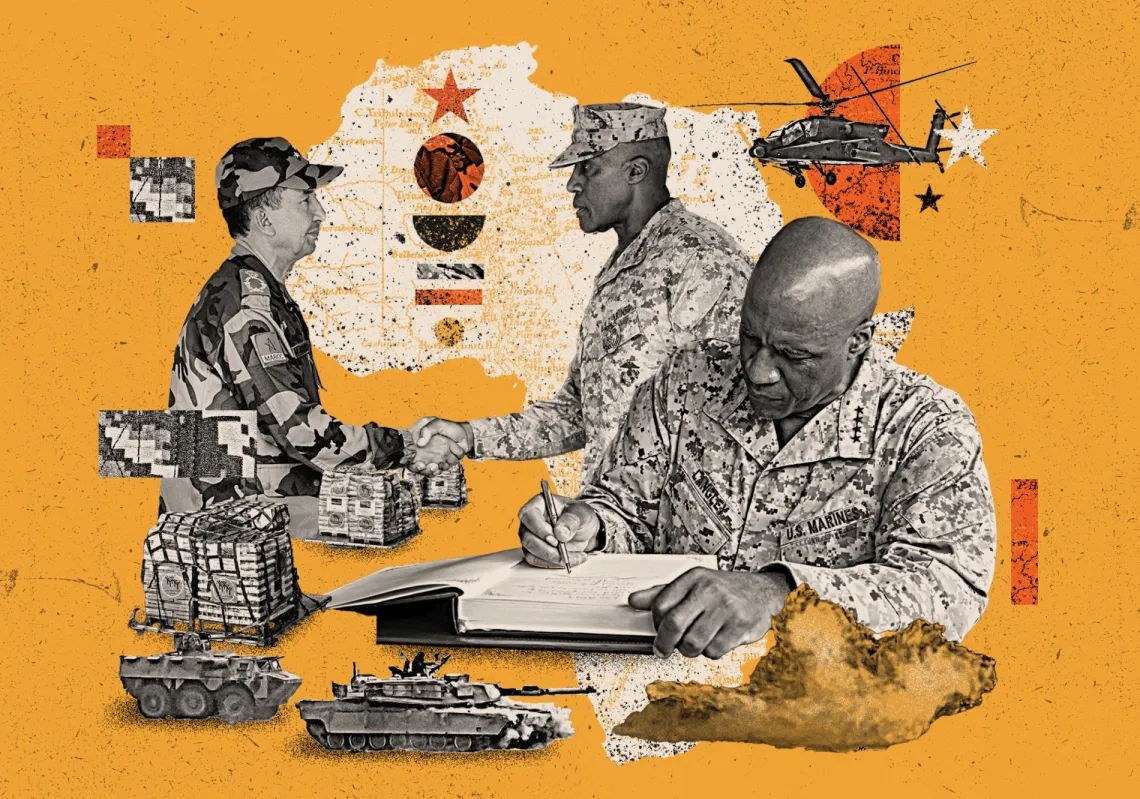
General Anderson's appointment is being seen as a shift from a diplomatic, partnership-based approach to one that is operational and intelligence-led. In other words, from soft power to hard power.
A four-star general who fought in Iraq and Afghanistan, Kurilla leads US forces in the Middle East and played a key role in the US mission to bomb Iran's underground nuclear facilities. Who is he?
A flurry of decisions suggests that the end is nigh for US troops in Syria, and that this may come sooner than expected. In laying the foundations for withdrawal, Donald Trump wants 'out' by Christmas
The former commander of the US Central Command tells Al Majalla about the changing nature of war, terrorists' use of technology, and the role of the US in the Middle East
In Beirut, in 1983, a suicide bomber destroyed a US Marine barracks building in Beirut. 220 American marines were killed, along with 20 sailors, and three US soldiers.
Any disruption in the Hormuz has cascading knock-on effects that extend far beyond energy markets, impacting international trade. Al Majalla explores all this and more.
The current conflict is unlikely to go global for now, but the speed at which it has spread regionally is alarming. A look at history shows the geopolitical factors that led to world wars.