Special ops: Trump’s go-to foreign policy tool

Quick, in-and-out precision operations that inflict maximum damage with minimum US casualties have long been a favoured tool of US presidents. Is Trump planning one for Iran?

Shutterstock

Special ops: Trump’s go-to foreign policy tool

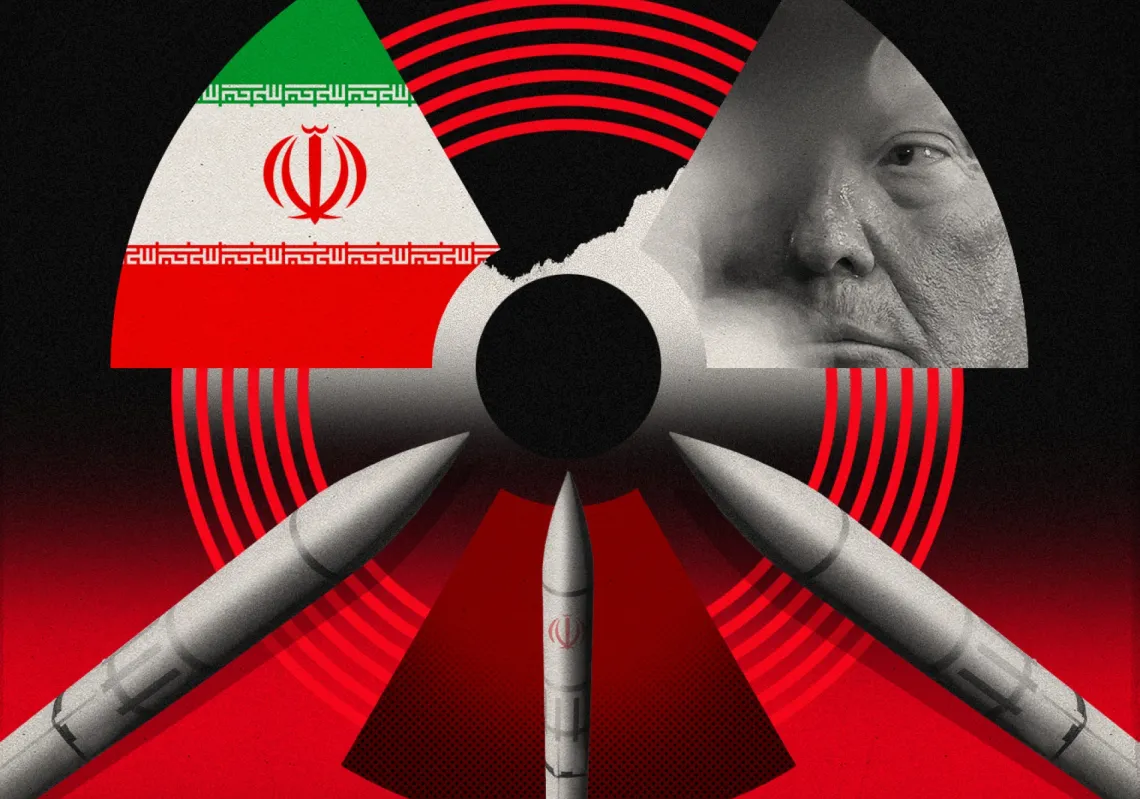
As war clouds gather over Iran, with American warships lurking nearby, it is worth noting that US President Donald Trump’s favoured foreign policy tool whilst in office appears to be the country’s much-vaunted Special Forces.

Both the January 2020 assassination of Iranian commander Qasem Soleimani in Baghdad and the January 2026 capture and extradition of Venezuelan President Nicholas Maduro in Caracas stunned the world, and both originated in US Special Operations Command (SOCOM), based at Tampa, Florida. Whilst it is US Central Command (CENTCOM) that leads on all strategic planning for the Middle East, operations containing the element of surprise typically stem from SOCOM, which has become Trump’s go-to foreign policy lever.

SOCOM was founded after the failure of the Iran hostage rescue mission under President Jimmy Carter in April 1980. The ill-fated Operation Eagle Claw was seen not just as a military failure but also as an intelligence failure that ultimately led to Carter’s electoral defeat by Ronald Reagan just months later. Another major blow came in 1983 when the US Embassy in Beirut was bombed, killing the CIA’s top Middle East expert, Robert Ames, and several other Agency officers.

Eagle Claw and Beirut shook both the Pentagon and Langley (CIA headquarters), with analysts citing a failure of coordination between the intelligence services and the military. Subordinating Intelligence, a book by David Oakley, outlines the subsequent debates in Washington over whether the Department of Defence and the Central Intelligence Agency should be partners or competitors.

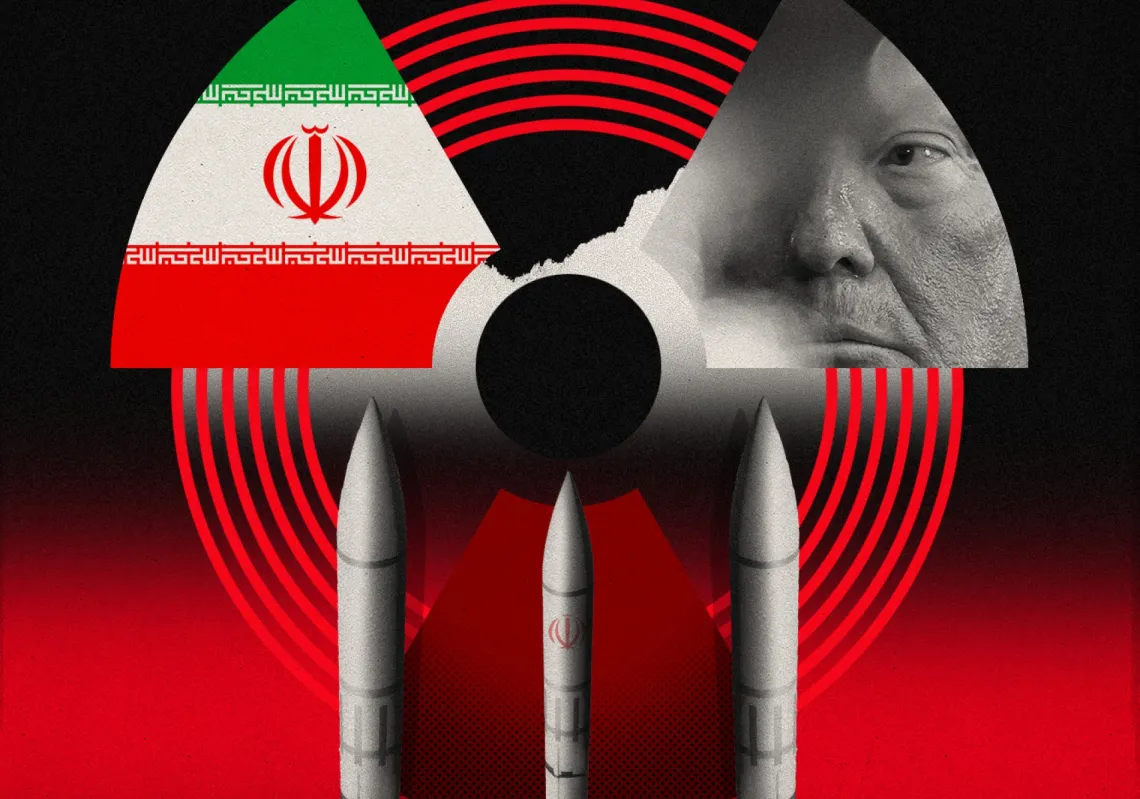
Operations containing the element of surprise typically stem from SOCOM, which has become Trump's go-to foreign policy lever

Building a reputation

Ever since the hostage crisis, Iran has vexed the US. Oakley argues in his book that America's human intelligence (HUMINT) in Iran did not match the requirements of US military commanders who needed certain information before conducting special operations in what is known as irregular warfare.

After the resulting investigations and Congressional hearings, Reagan finally got the go-ahead to set up SOCOM, whose first tactical operations were against the Iran-led oil piracy in the Arabian Gulf, along with countering pro-Iranian militias in Lebanon. SOCOM worked with the CIA to counter the lack of intelligence coordination. Now, 38 years after SOCOM's founding, Iran is back in the crosshairs.

SOCOM may be America's most important military command under Trump. Many of his closest advisers (such as Michael Waltz, Christopher Miller, Mike Flynn and Joe Kent) served in Special Operations, or Special Ops as it is known. From the killing of Al Qaeda leader Osama Bin Laden in Pakistan in 2011 to Islamic State leader Abu Bakr al-Baghdadi in Syria in 2019, US Special Ops has slowly earned a reputation. For its part, Hollywood has churned out many a movie glamorising US special ops, like Zero Dark Thirty on Bin Laden's killing.

Shadow war

In Beirut Rules, Fred Burton and Samuel Katz talk of a shadow war between the United States and Iran that could now be coming full circle, with some suggesting that the Iranian regime is in its dying days. The task (if any) given to SOCOM in Iran remains unknown. Few think US Special Ops could capture Iran's Supreme Leader Ali Khamenei as easily as it could Maduro, because the Islamic Revolutionary Guards Corps (IRGC) is a different military proposition to the mainly Cuban ring of security sheltering the Venezuelan leader.

It might opt to work with anti-regime groups inside Iran. Some have been trained and tested in combat in neighbouring states like Iraq and Afghanistan. They include Kurds, Azeris, Baluch and Arabs, the latter having been persecuted by the Iranian regime since 1979.

However, given its modus operandi established over recent years, it remains unlikely that SOCOM will work with anti-regime elements in the run-up to a top-secret mission. Trump's favourite military command operates in tight-lipped secrecy. Known as the tip of the spear, it needs to arrive with the element of surprise. SOCOM is likely to follow a formulation in Iran, if diplomacy fails.

font change

Related Articles