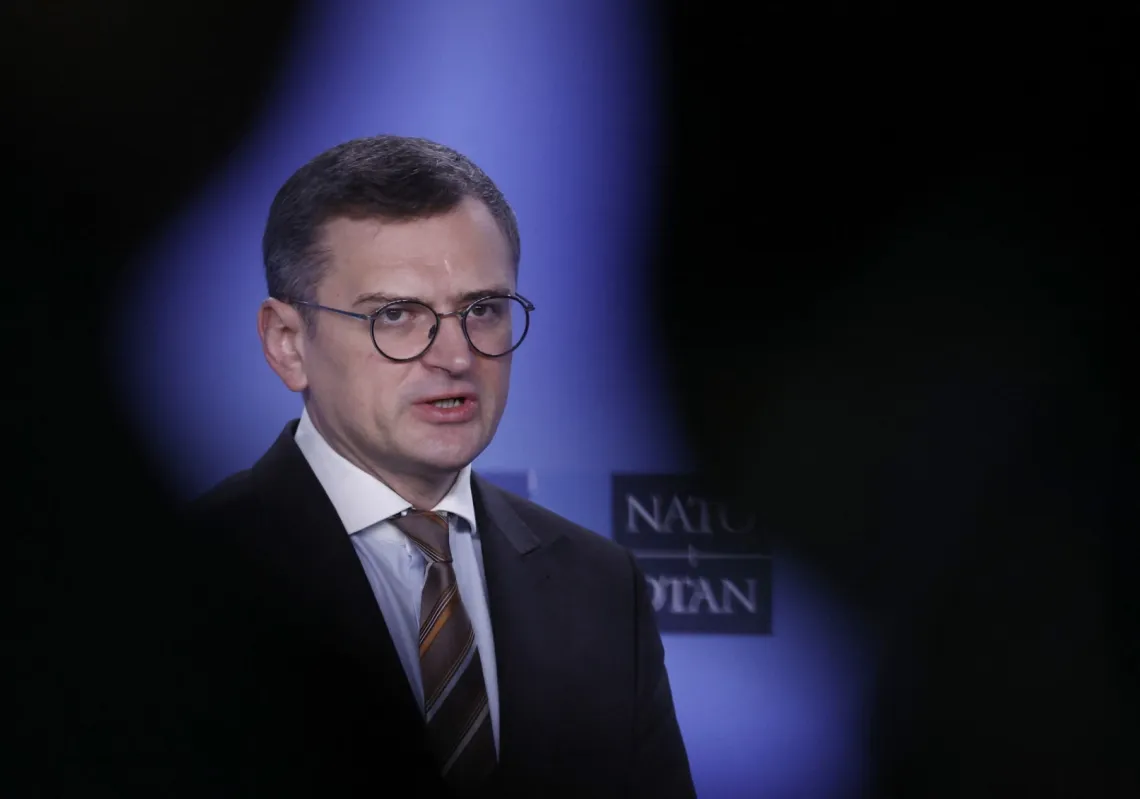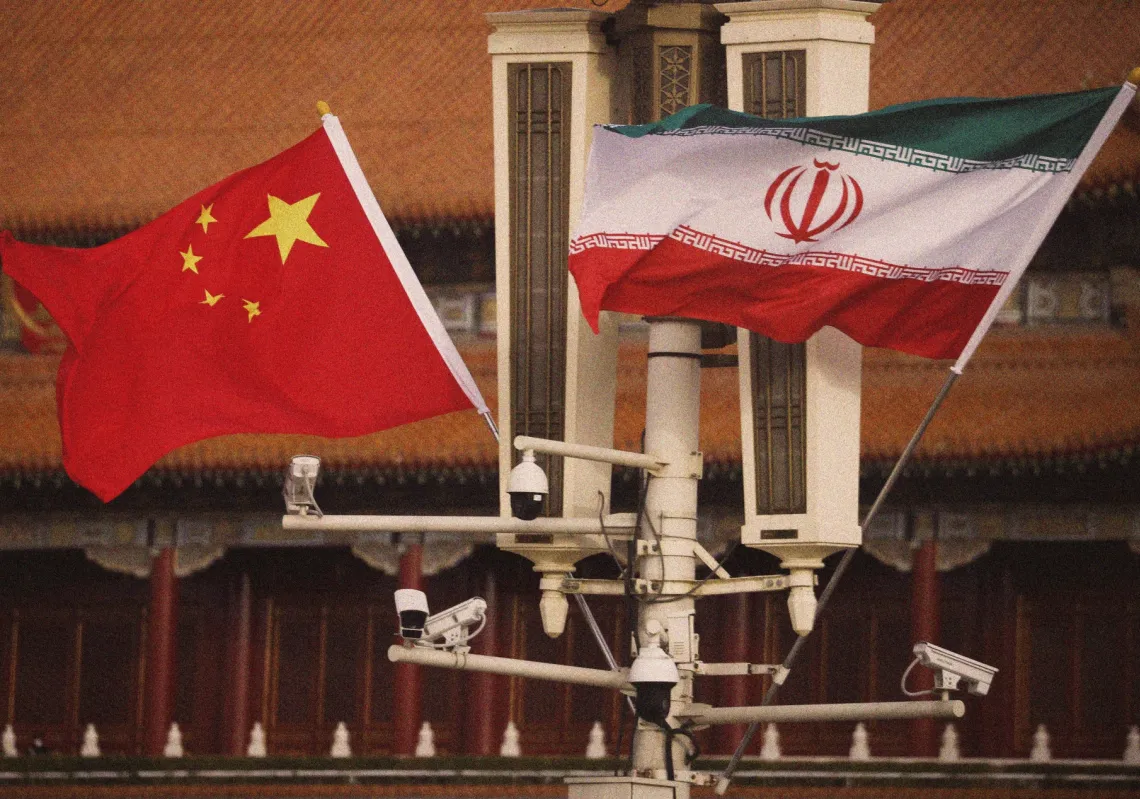
As US strikes dismantle Iran's regime and Venezuela's leadership, Beijing confronts energy strangulation, chokepoint vulnerability, regime decapitation, and the shattering of Xi's multipolar ambitions
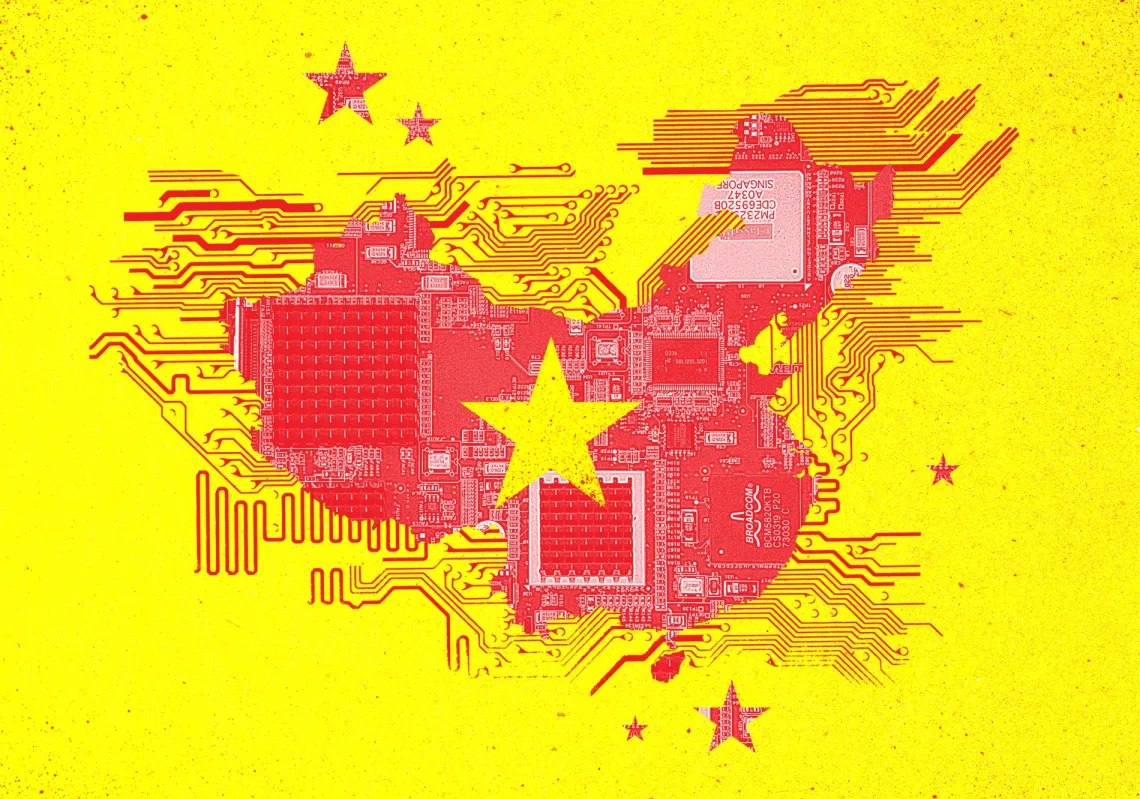
Those with the most advanced chips and algorithms can integrate them into their military infrastructure to create a potent fighting machine. As a key White House document shows, the race is on.
America offers the technology and the know-how, while the Gulf brings the capital and the energy, but are the Gulf states putting all their AI eggs in the US basket?
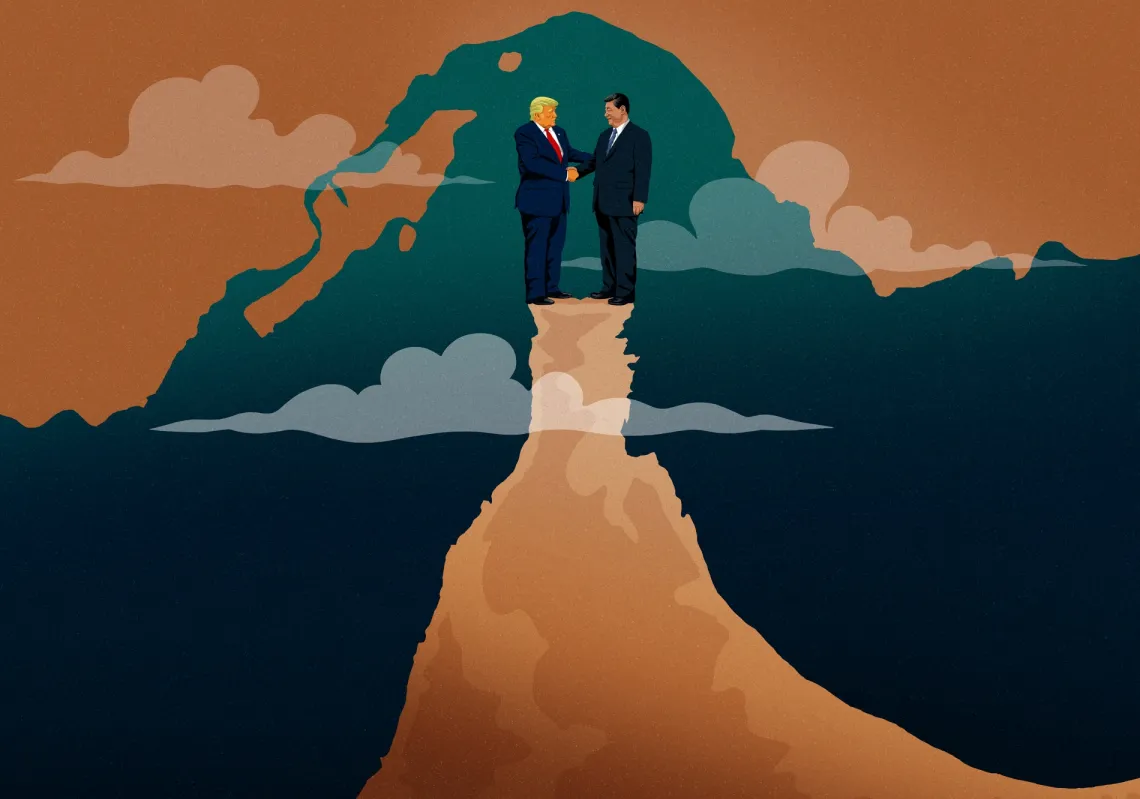
Donald Trump's tariff blitz was matched by China, so the two quickly agreed a temporary truce in Geneva. Yet the clock is ticking on this pause, which will not be long enough to fix all the issues.
Trump thinks that lifting sanctions and reintegrating Russia will weaken Moscow's alliance with Beijing. That is short-sighted. The world Henry Kissinger exploited in 1970 is no longer.
Presidents Biden, focussed on security, and Xi, focussed on the economy, may strike an item or two from their to-do lists in San Francisco, but the a-la-carte agreement will have limited success.
The TikTok war between the US and China is rooted not only in Washington's fear of potential threats to national security but also a wider clash of cultures and freedoms.
Any disruption in the Hormuz has cascading knock-on effects that extend far beyond energy markets, impacting international trade. Al Majalla explores all this and more.
The current conflict is unlikely to go global for now, but the speed at which it has spread regionally is alarming. A look at history shows the geopolitical factors that led to world wars.