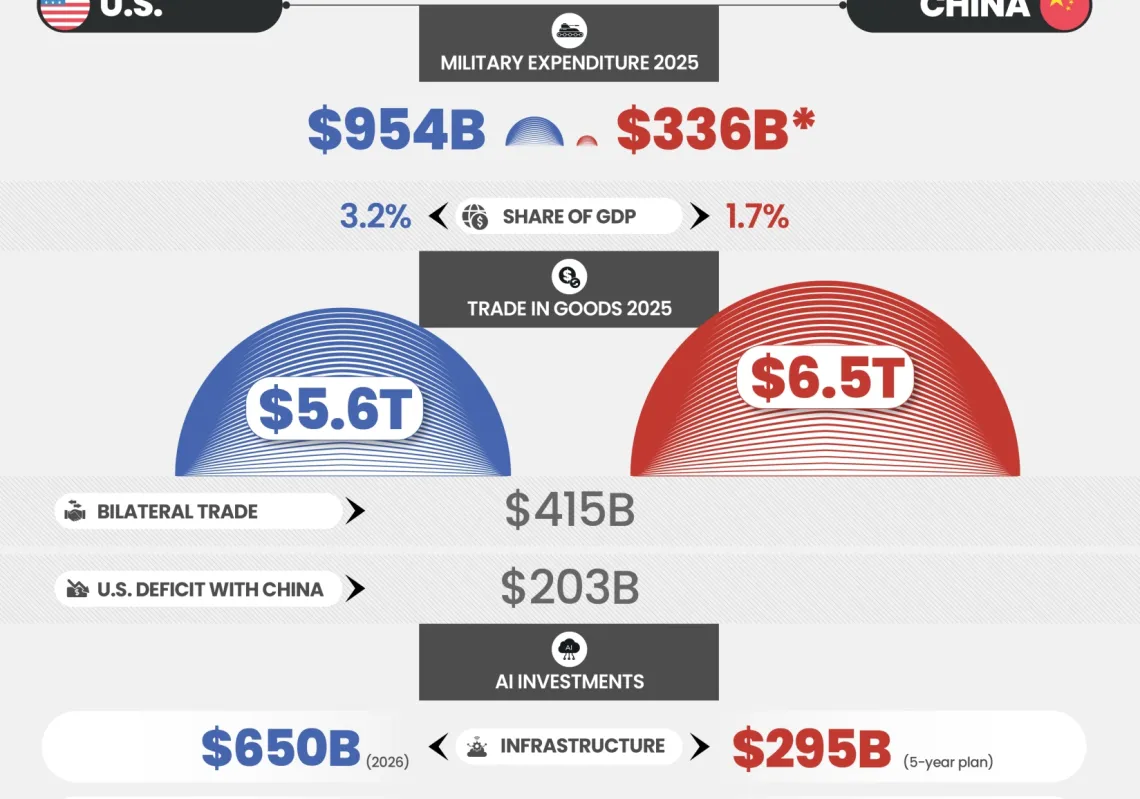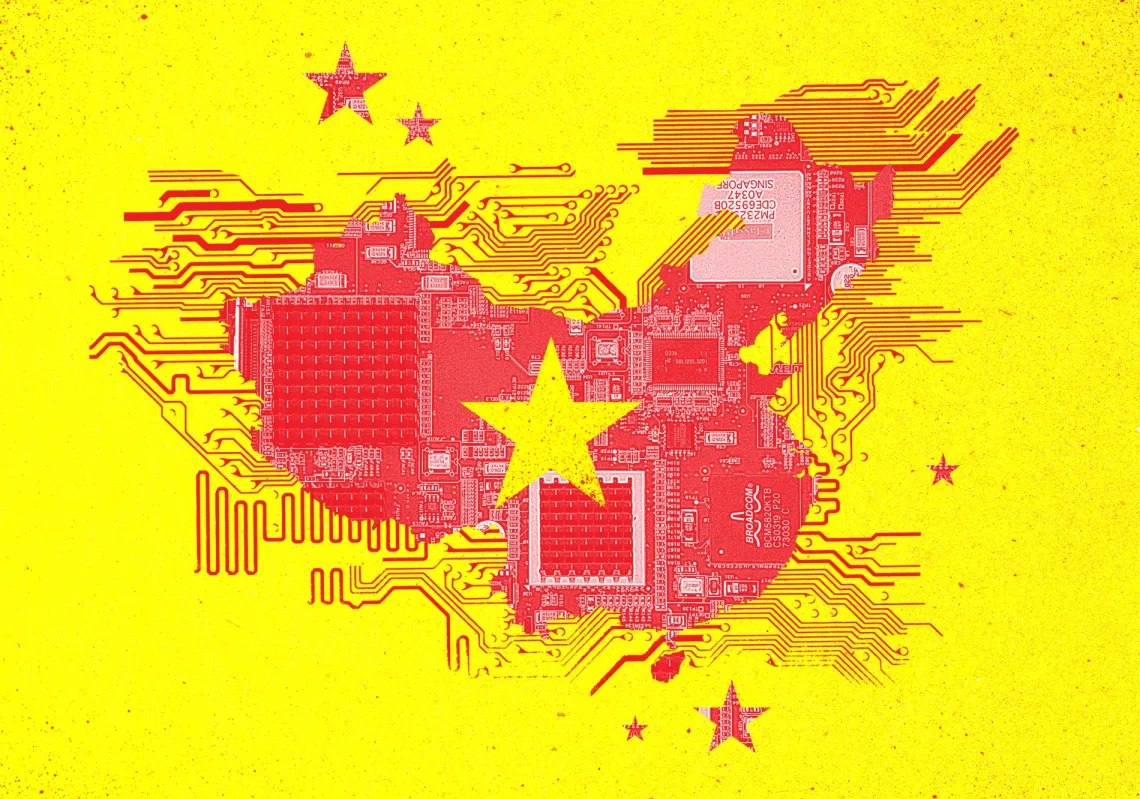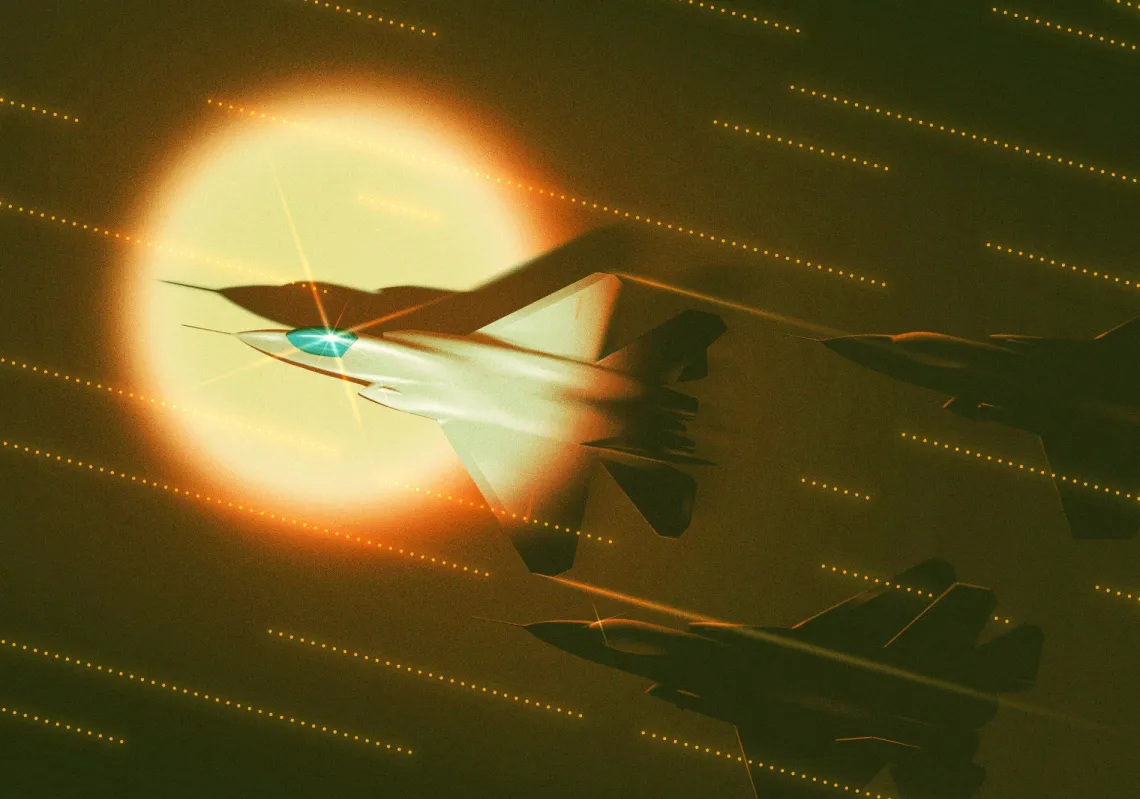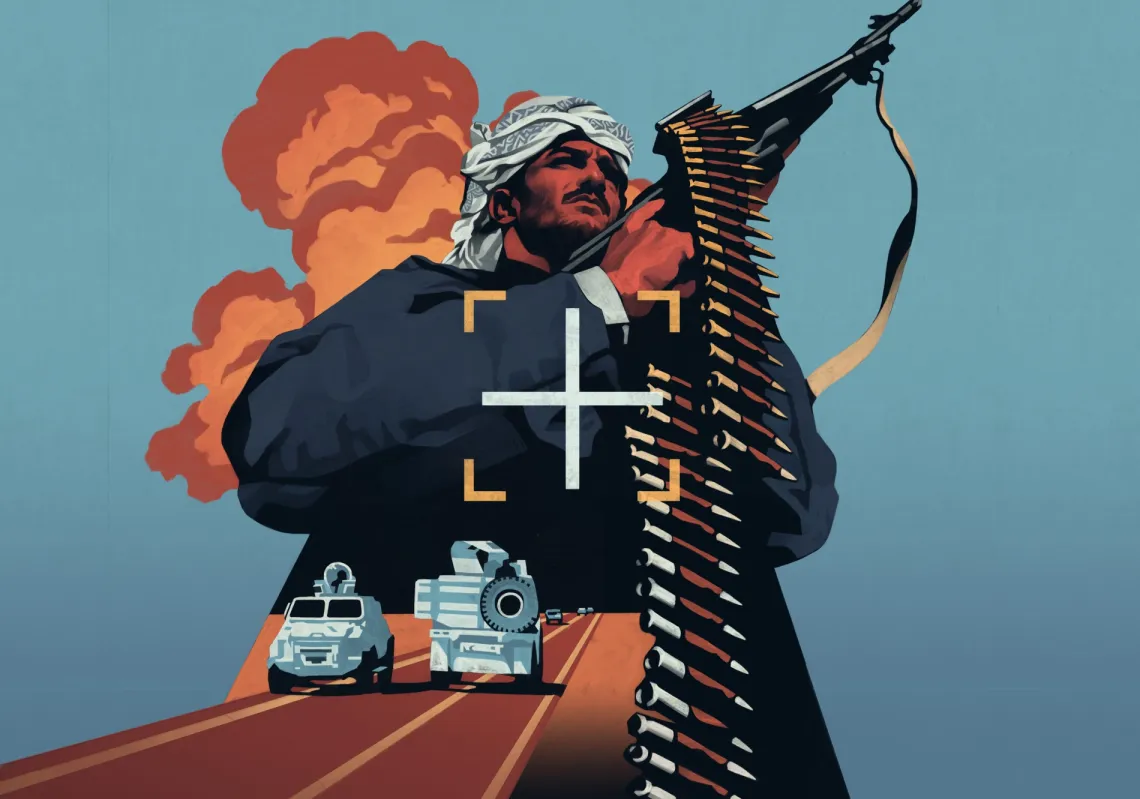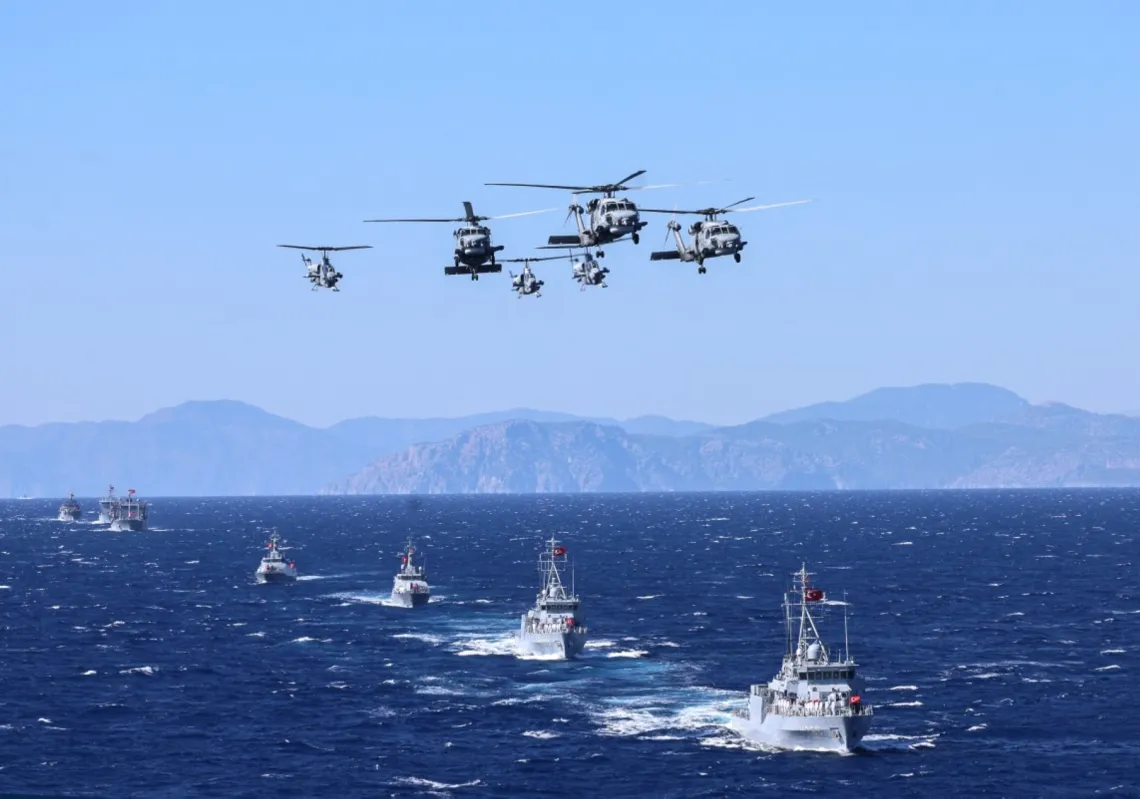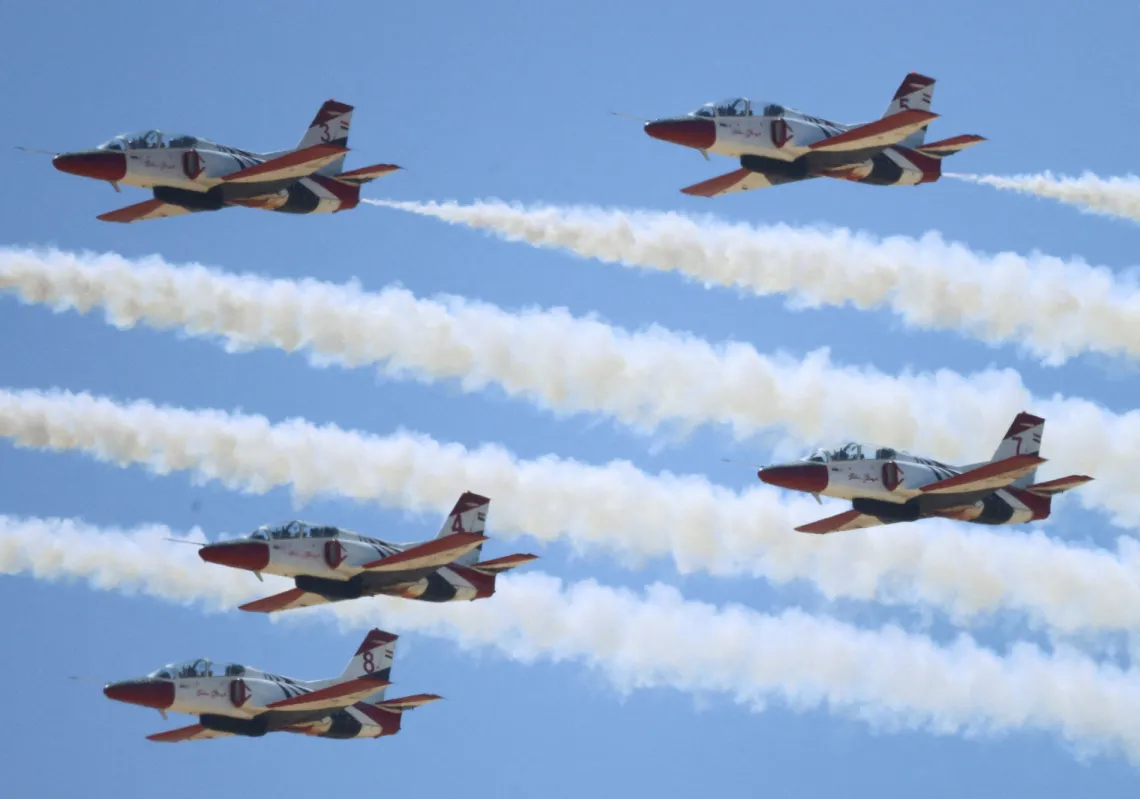
Those with the most advanced chips and algorithms can integrate them into their military infrastructure to create a potent fighting machine. As a key White House document shows, the race is on.
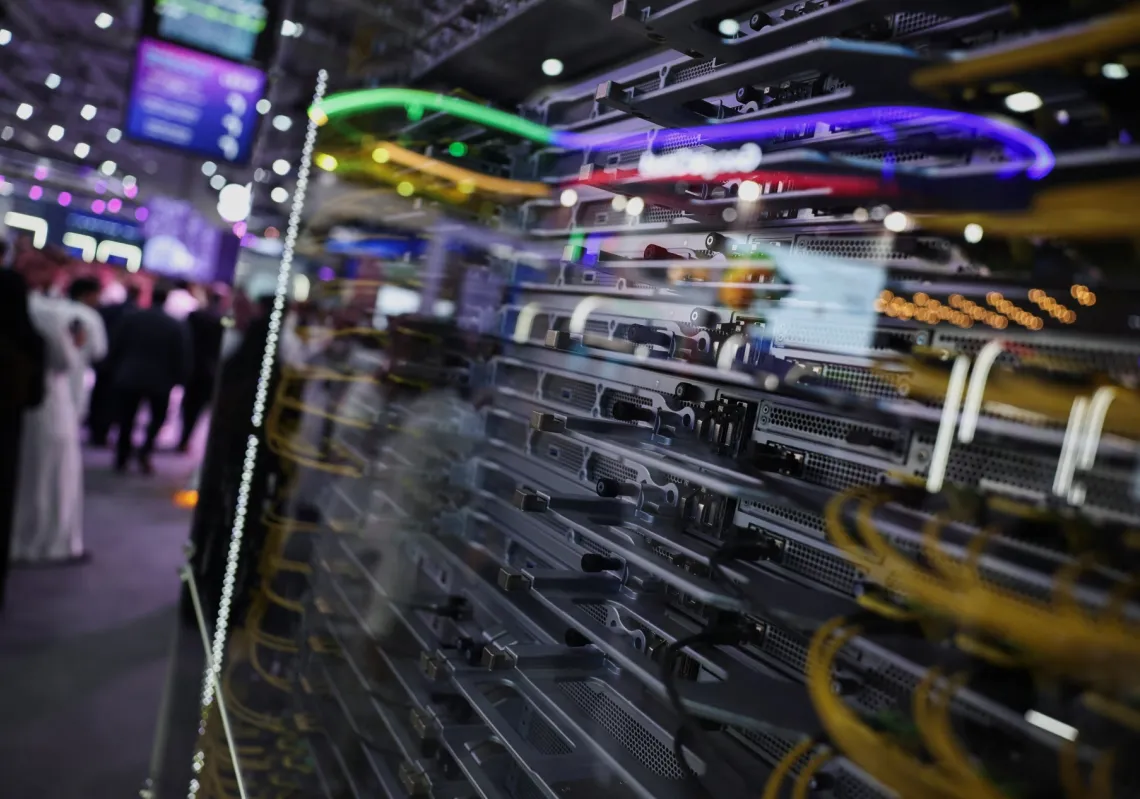
America offers the technology and the know-how, while the Gulf brings the capital and the energy, but are the Gulf states putting all their AI eggs in the US basket?
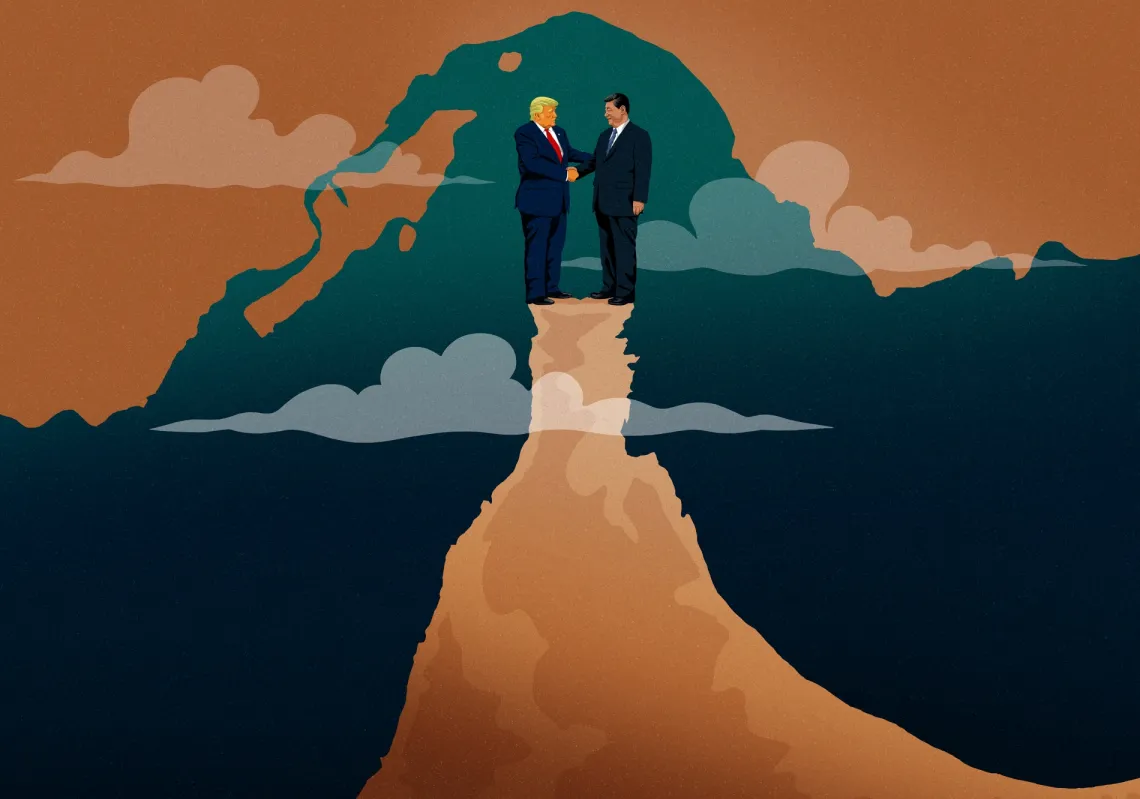
Donald Trump's tariff blitz was matched by China, so the two quickly agreed a temporary truce in Geneva. Yet the clock is ticking on this pause, which will not be long enough to fix all the issues.
Trump thinks that lifting sanctions and reintegrating Russia will weaken Moscow's alliance with Beijing. That is short-sighted. The world Henry Kissinger exploited in 1970 is no longer.
Presidents Biden, focussed on security, and Xi, focussed on the economy, may strike an item or two from their to-do lists in San Francisco, but the a-la-carte agreement will have limited success.
The TikTok war between the US and China is rooted not only in Washington's fear of potential threats to national security but also a wider clash of cultures and freedoms.
At a pivotal moment in world history and geopolitics, a series of military, strategic and geopolitical lessons can be learned as the globe heads for a multi-polar future via a new era of confrontation
When states are attacked, authority gravitates towards institutions capable of mobilising resources, enforcing discipline, and coordinating a military response
There are few examples of successful US regime-change operations in history. And without permanent ground troop presence, these wins can easily be reversed.
Cairo and Tehran have been at loggerheads since 1979, but the Iranian threat has always acted as a check on Israeli ambitions. If Iran is completely defeated, Israel will reign supreme.