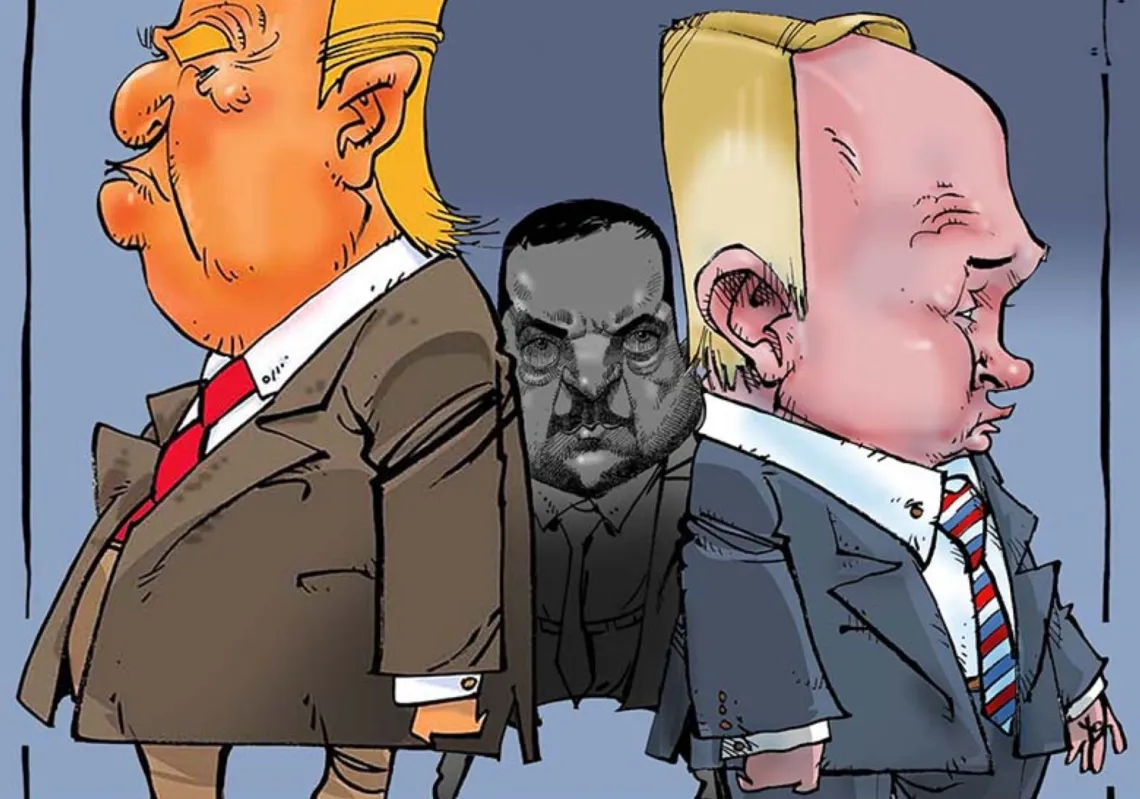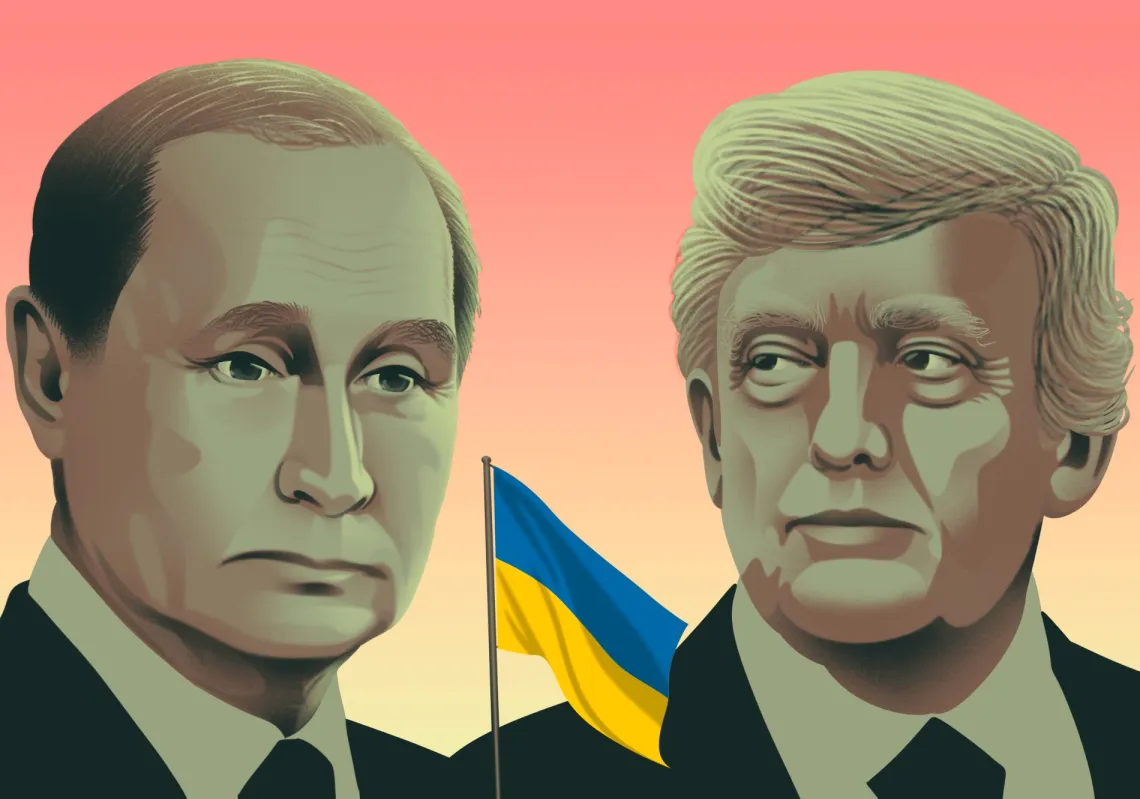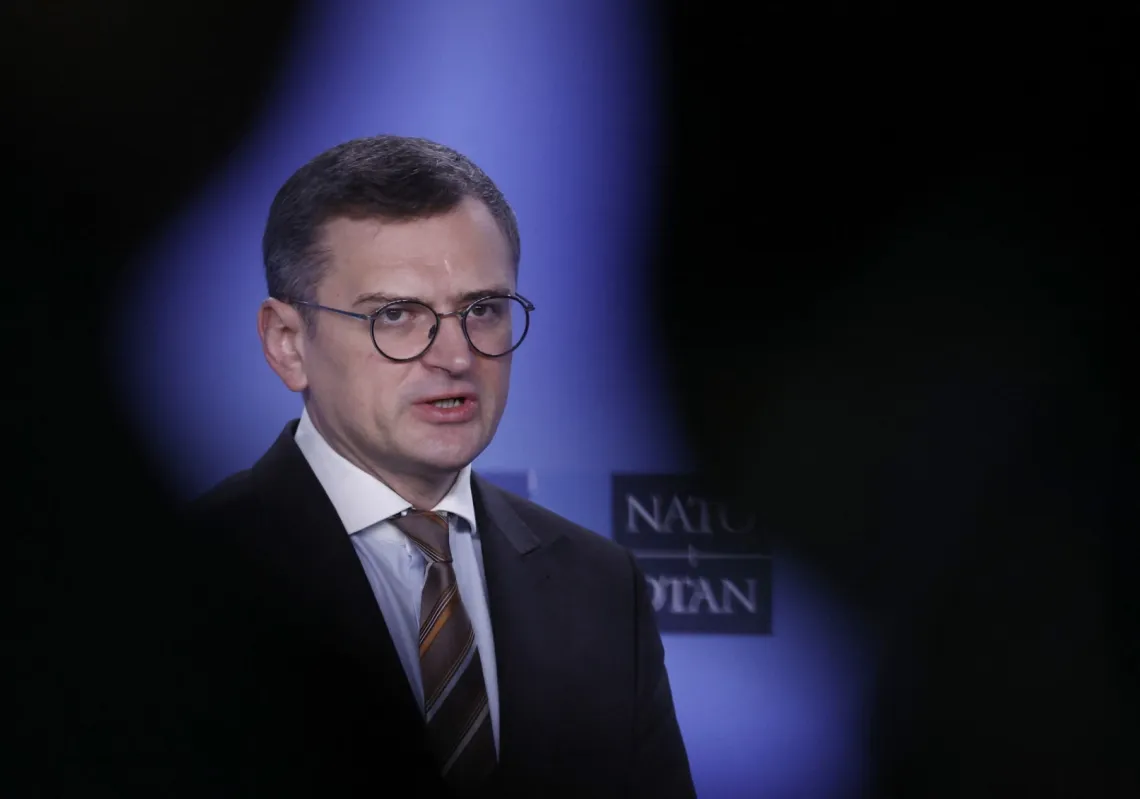
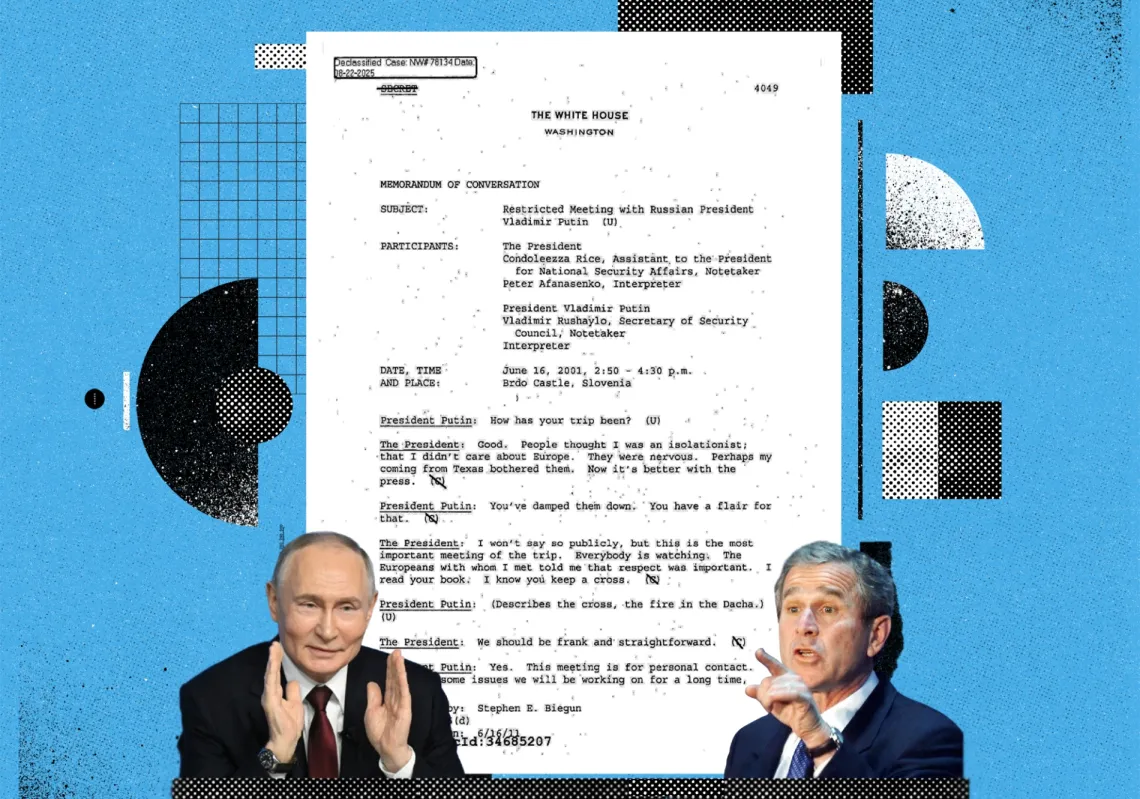
Recently declassified meeting minutes between the two leaders show how Washington was well aware of Moscow's grievances over NATO expansion, but went ahead anyway
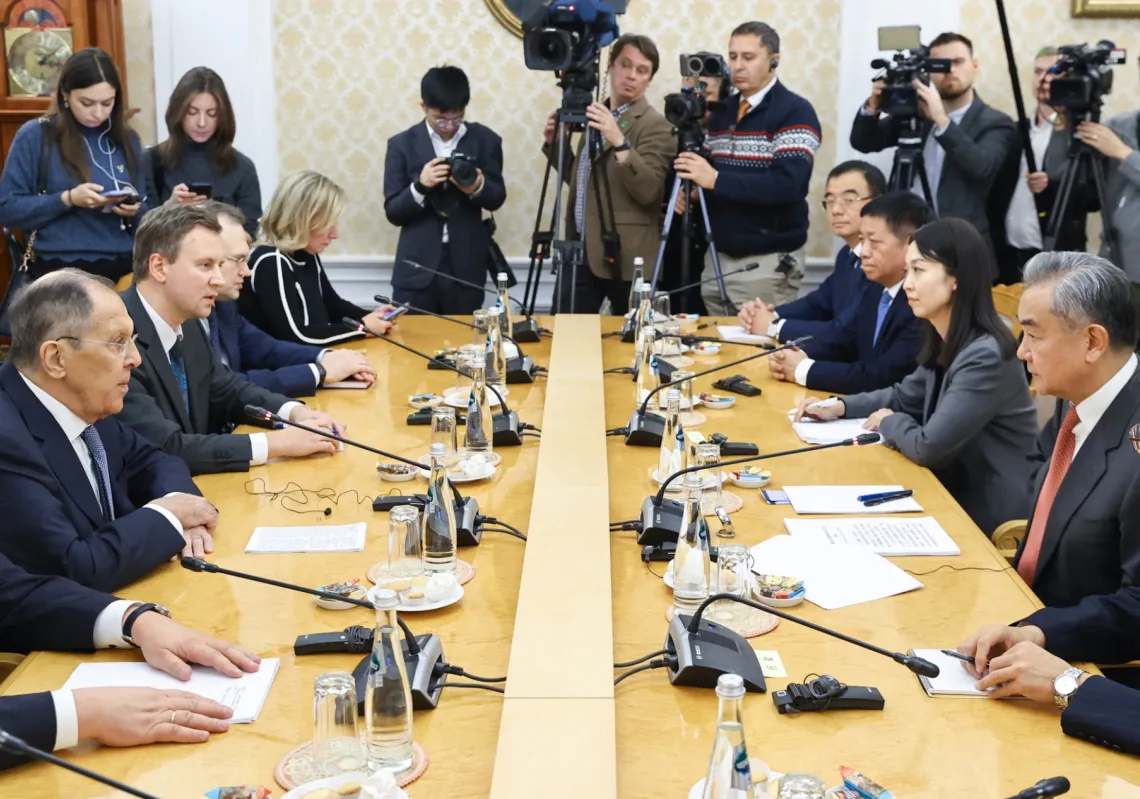
The experienced French envoy had front-row seats as relations between Beijing and Moscow blossomed, but as she recalls from her days studying in China: it wasn't always so.
The Russian president says the next step is shaping a new construct—sovereignty as a service, as a resource, as an exportable value—which can already be seen in Africa
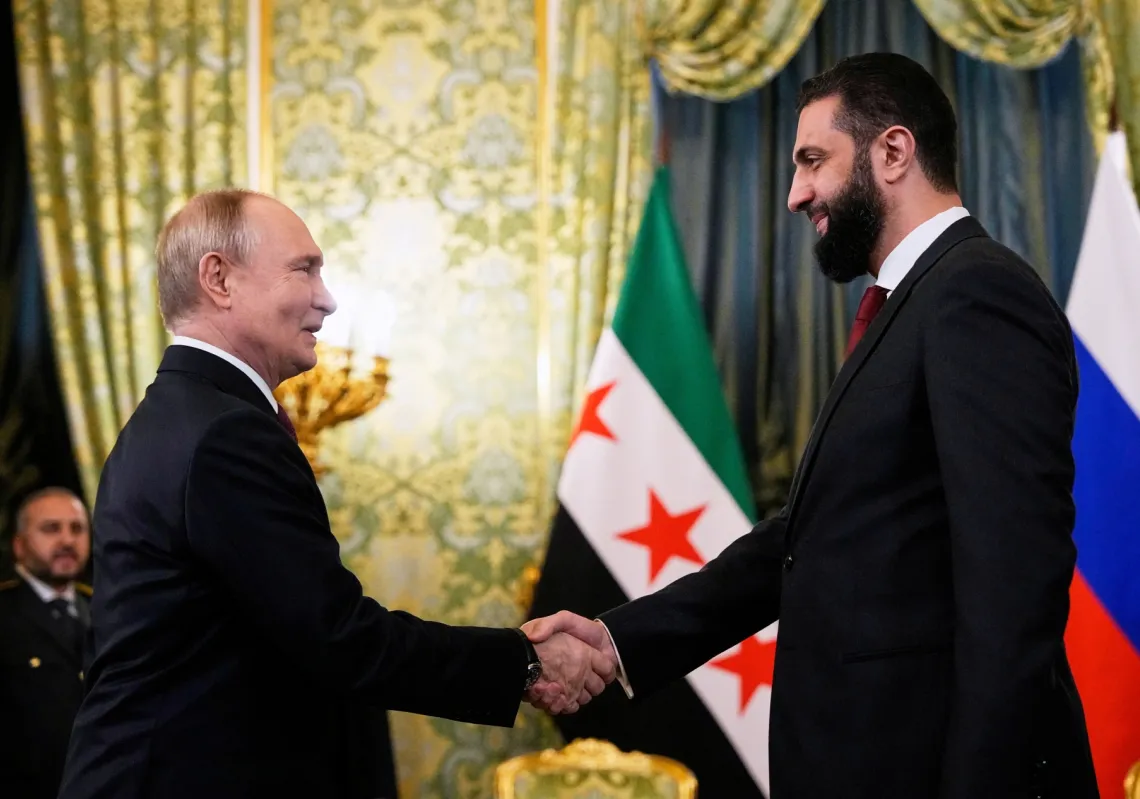
In Moscow, Syria's new president said he wants to restore and redefine relations with Russia—a former foe. But is this a genuine olive branch or a message to Washington?
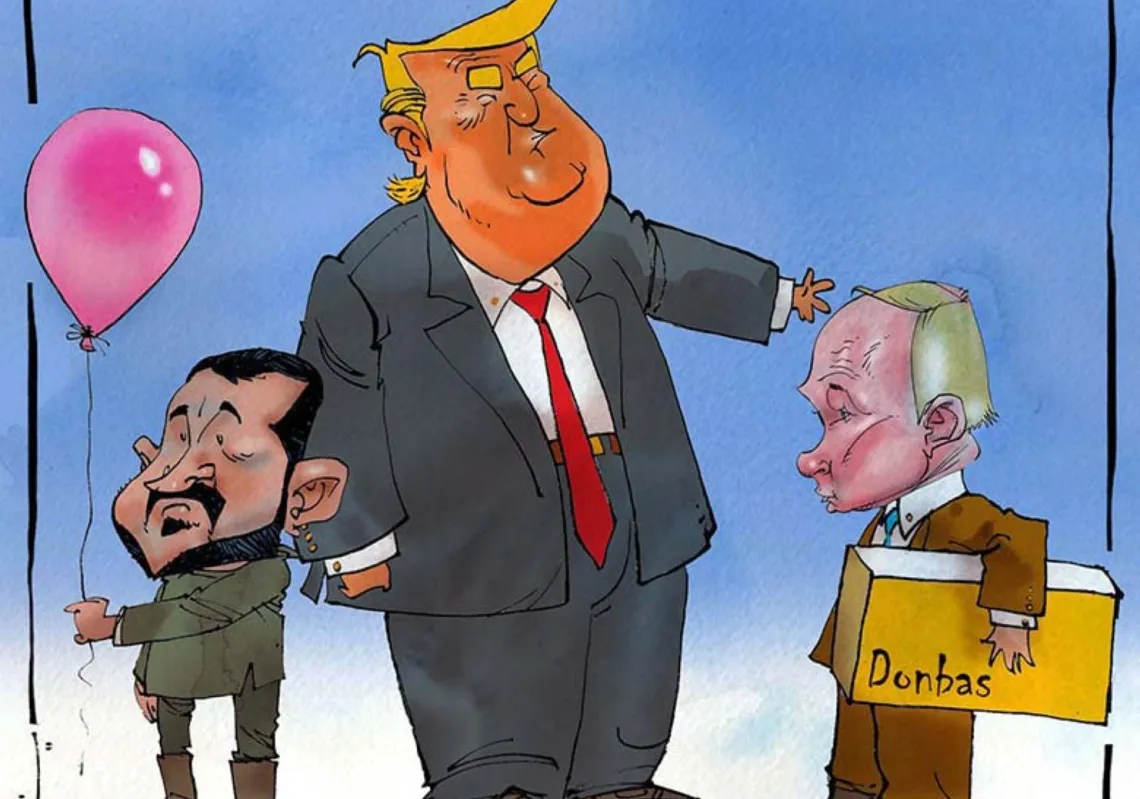
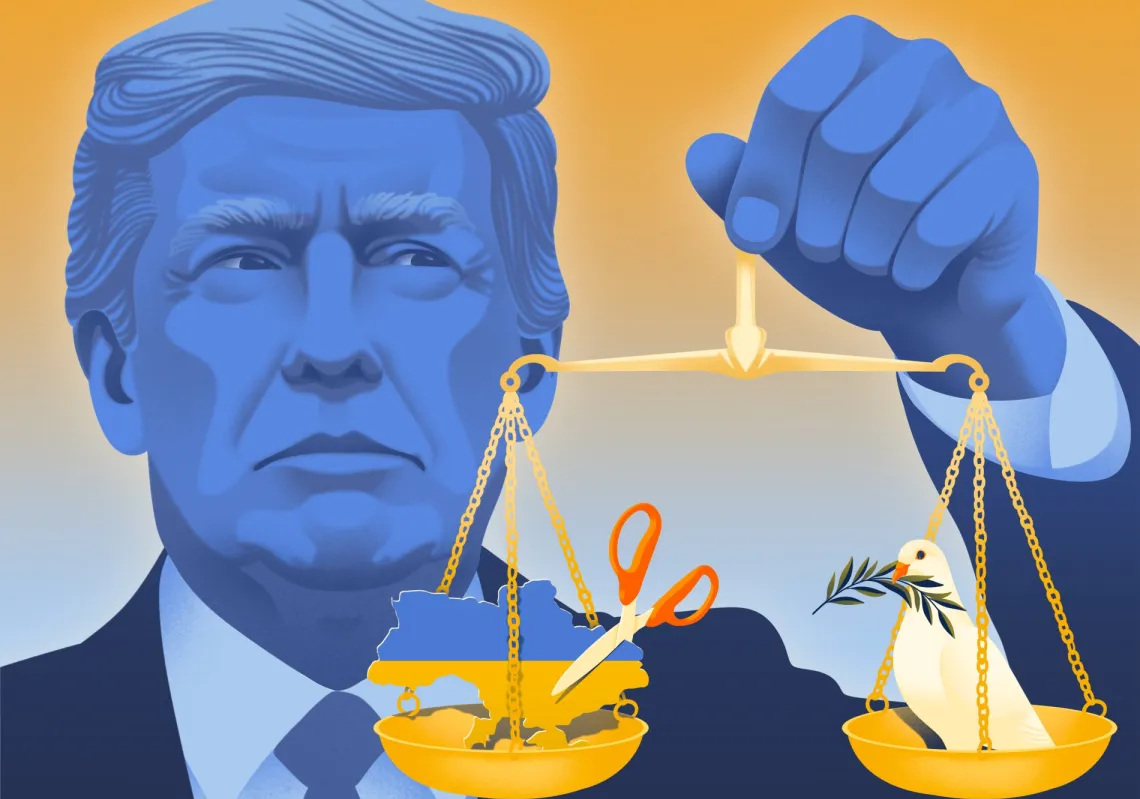
Key pillars include a land-for-peace deal and European-led security guarantees aimed at reducing American involvement. However, given Moscow and Kyiv's rigid positions, the war is likely to drag on.
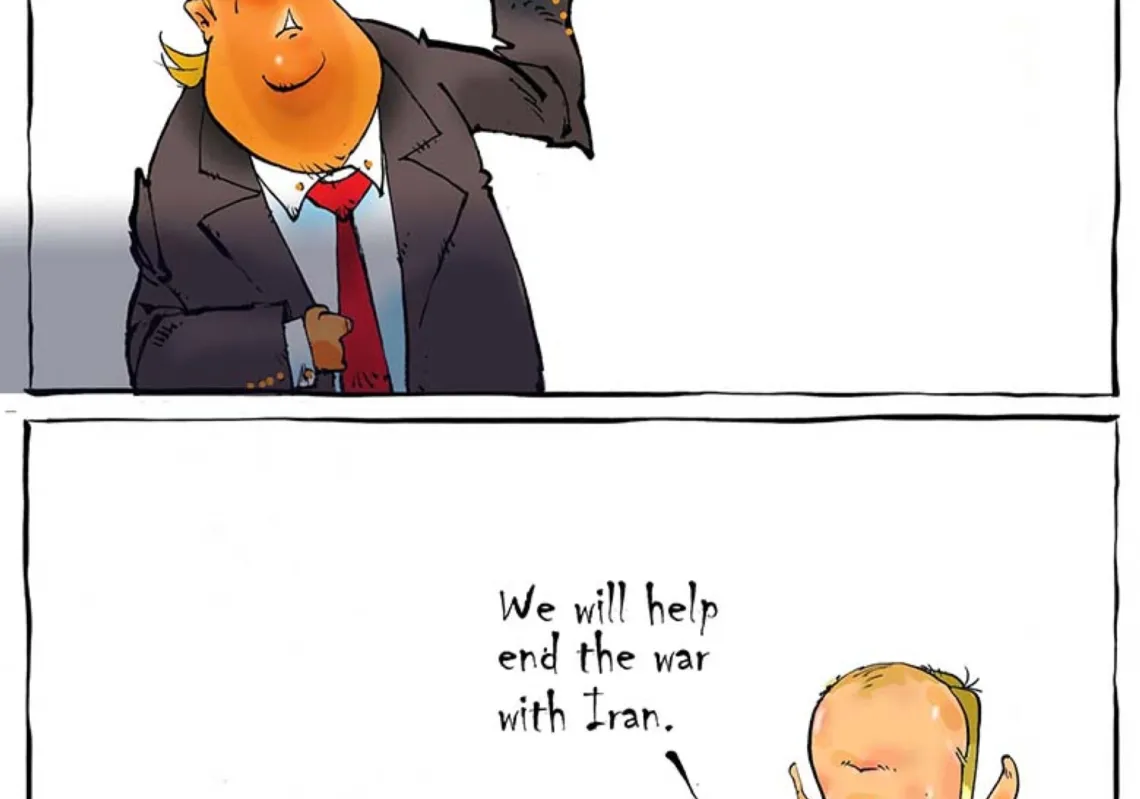
Military strategists have long warned that war should be waged only if those waging it know what they want to achieve. Herein lies a problem: Washington's war aims in Iran are incoherent.
Tehran isn't likely to easily fold if/when Trump attacks. This means that the longer a military confrontation drags out, the more untenable Washington's position becomes.
The conflict has forced Russia to scale back its global footprint and NATO to boost its defence spending. Meanwhile, China and Middle powers have emerged as key beneficiaries.
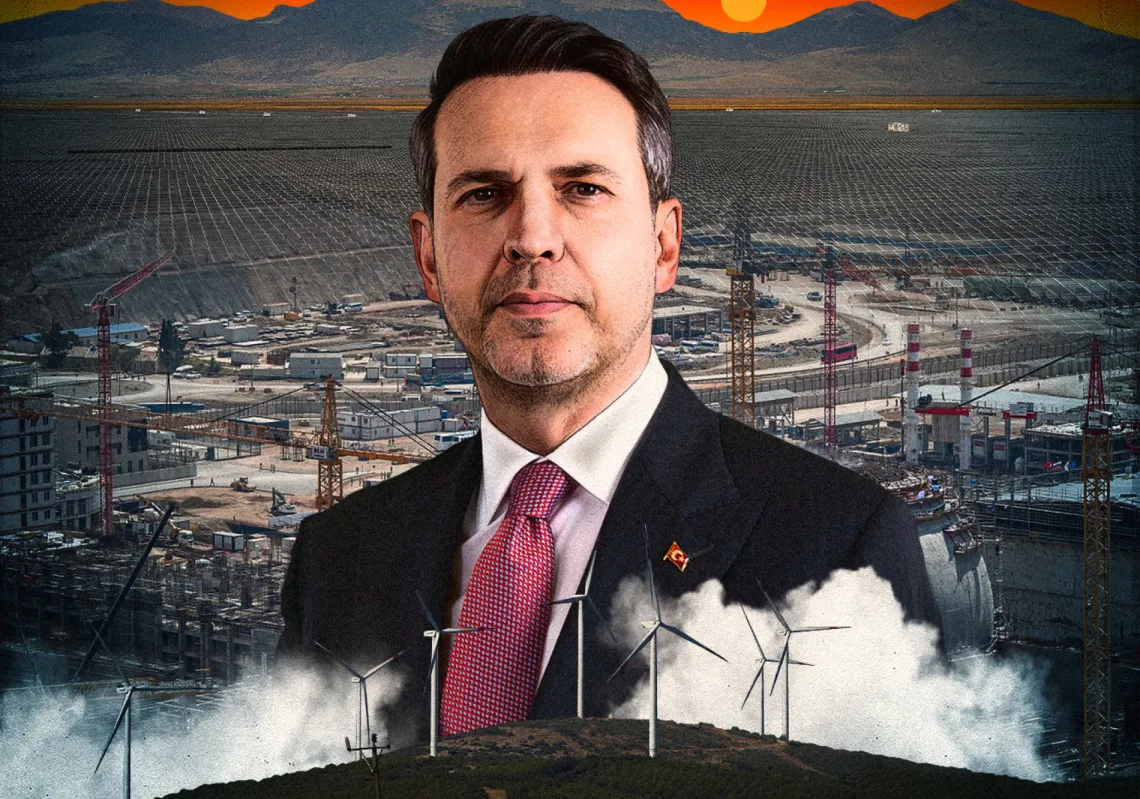
Natural resources like solar, wind, and water are set to provide 36% of global electricity production this year. Even for sceptics like Donald Trump, the trends are unmistakable.
Some point to his possible links to Mossad through his associate Ghislaine Maxwell, whose father was a known Israeli spy, and assert that he blackmailed powerful figures to exert influence
Al Majalla - London
Sign up for the Weekly Newsletter
Get the best of Al Majalla, straight to your inbox.