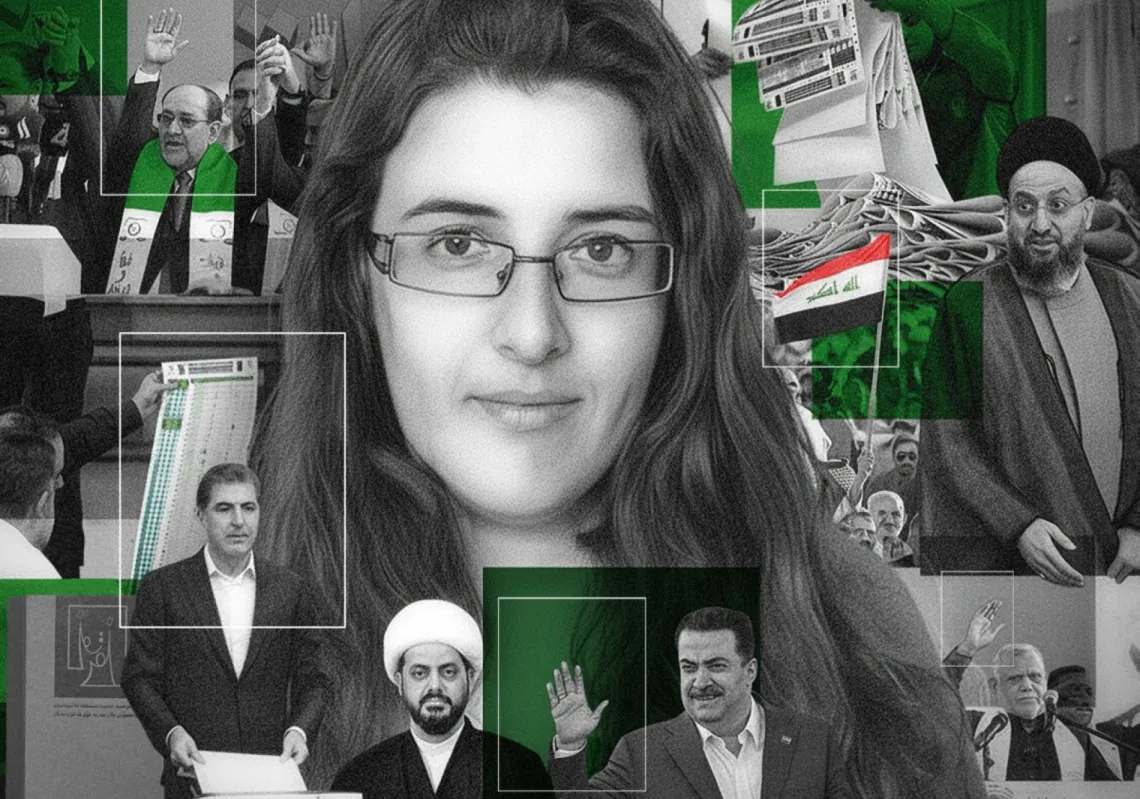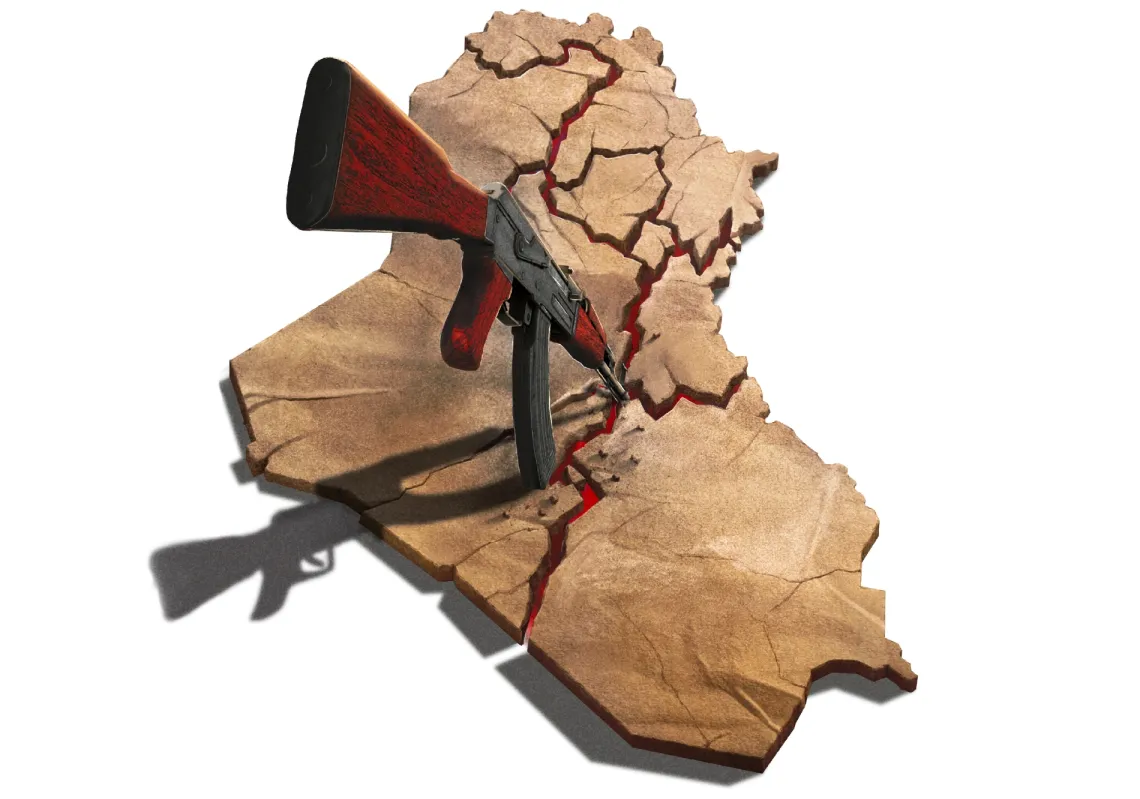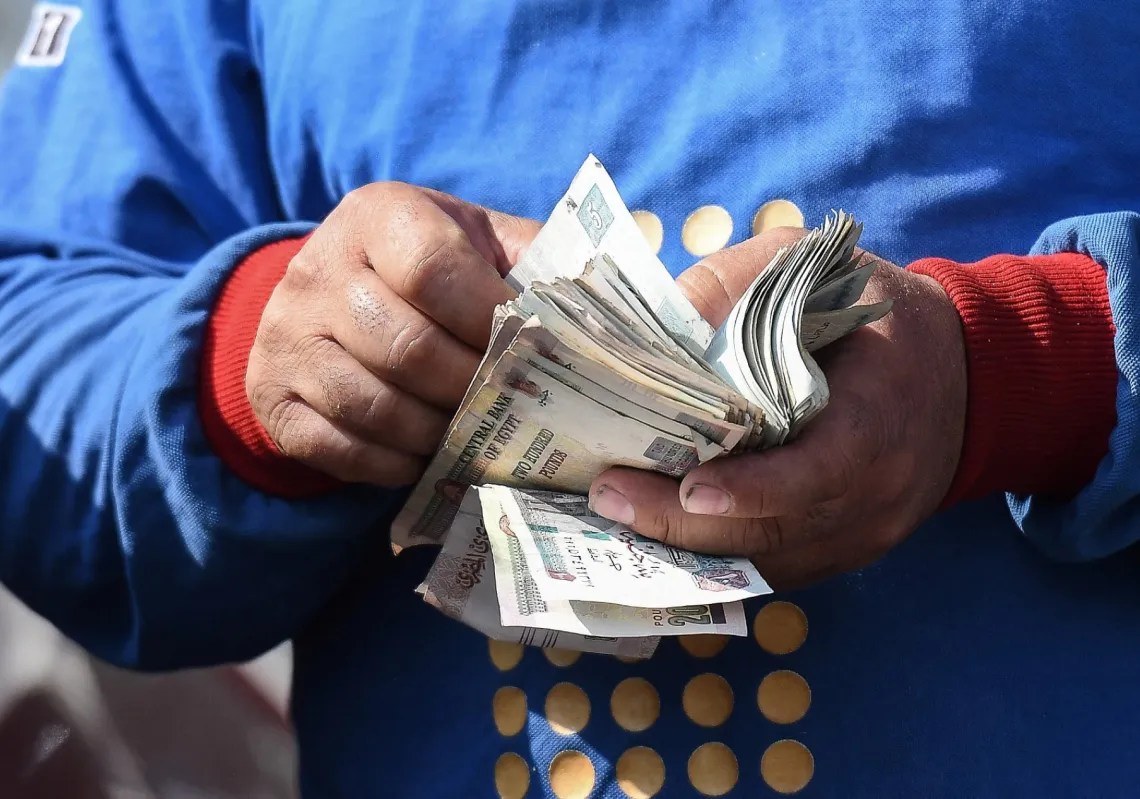
Their success in Iraq's recent elections has less to do with genuine public support and more to do with vote buying through the massive wealth they've accrued through power
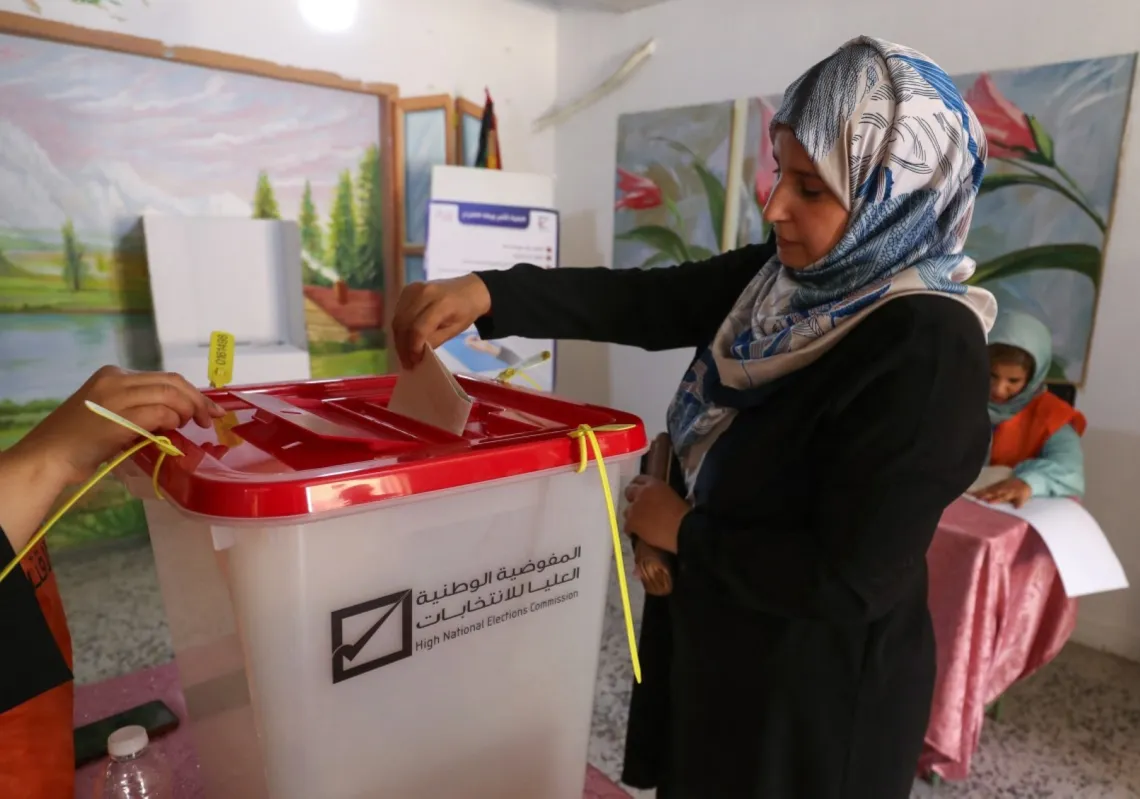
Eventually, with enough elected Libyans at the local level pushing for national-level change, they will stand a better chance of challenging the status quo, as it seems unlikely to come from the top.
A meteoric rise has propelled National Rally's young president to the top of French politics. His easy charm and expensive social media set-up now means 1 in 4 young French adults say 'Oui'
This bureaucratic sham is meant to make the Assad regime look credible but instead just demonstrates its sclerosis. Little wonder most Syrians don't bother.
Macron has spent a fortune, bond yields are going up, stocks are falling, Brussels is demanding reform, the IMF is preparing an emergency package, and populists are at the gate... Sacré bleu!
A big pro-EU bloc should still hold sway even if the ultra-nationalists make gains. More broadly, the results will act as a barometer of public mood in the first vote since Russia invaded Ukraine.
The ruling party is not used to coming second at the ballots, so there were emotive words from the president as he sought to understand what went wrong. Meanwhile, the victorious CHP gets on with it.
President Tebboune's decision to bring forward polls to 7 September was influenced by domestic and foreign policy considerations. Wide backing for it indicates officials had gotten a heads-up.
A win for President Erdoğan's AKP party could further marginalise the opposition he defeated in 2023's general election, making constitutional reform more likely
The murky poll outcome is not conducive to pursuing a robust foreign policy, especially with India. The foreign ministry will need to lean heavily on the military establishment for guidance.
Rising oil prices will boost the Kremlin's coffers as costs over Ukraine mount, but a total defeat of Iran could lead to the deployment of radar stations in the north, near Russia's border
From military spending to energy markets, the US-Israeli war on Iran is driving rising costs, with the Strait of Hormuz emerging as a central pressure point
Until fairly recently, most Americans sided with Israel. These days, most side with the Palestinians. That will eventually influence US foreign policy.