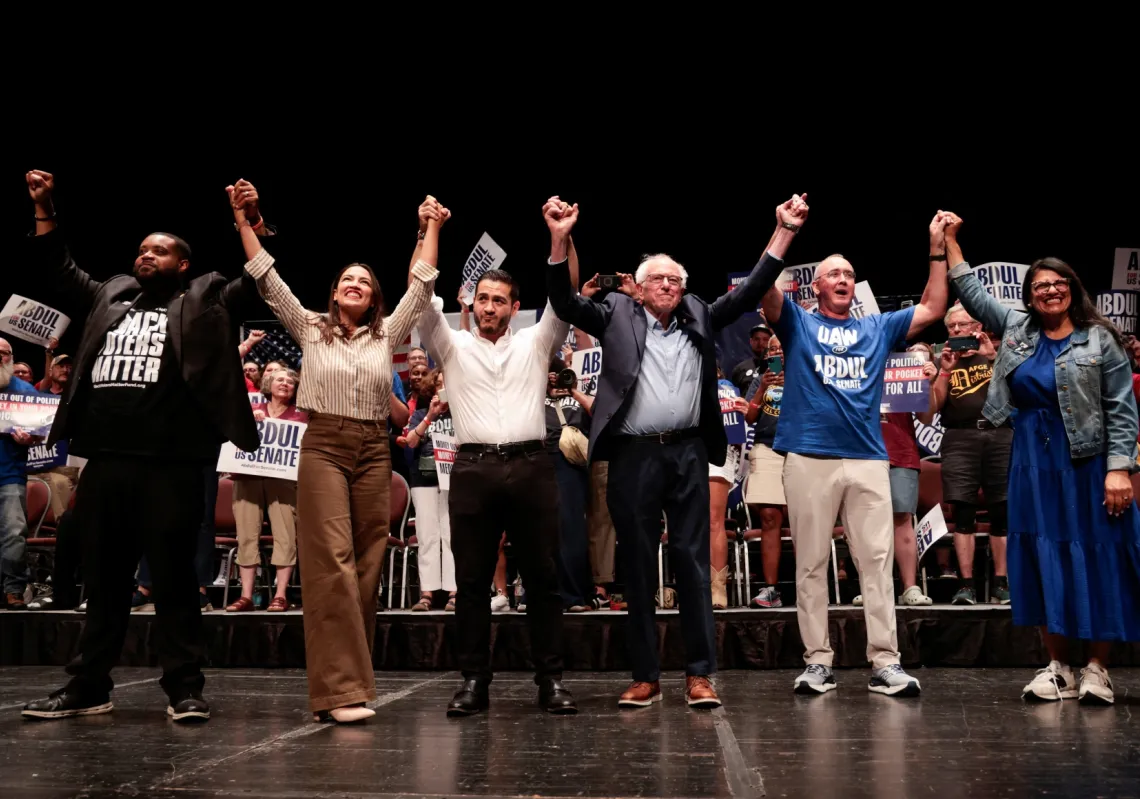
Abdul El-Sayed's victory in Michigan is the latest example among many of the growing appeal of democratic socialism and the changing politics of the American left
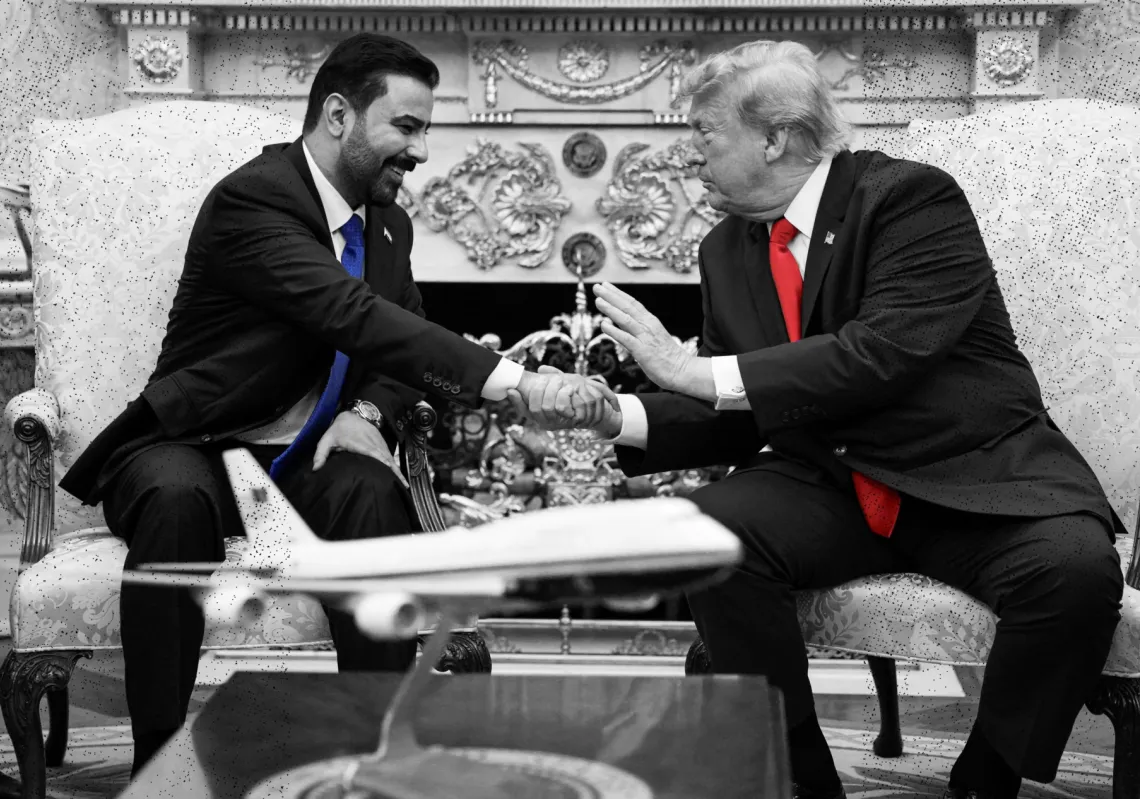
Ali al-Zaidi has a delicate balancing act to perform between the two opposing powers that have long influenced Iraq's foreign policy. His decision to visit Washington before Tehran speaks volumes
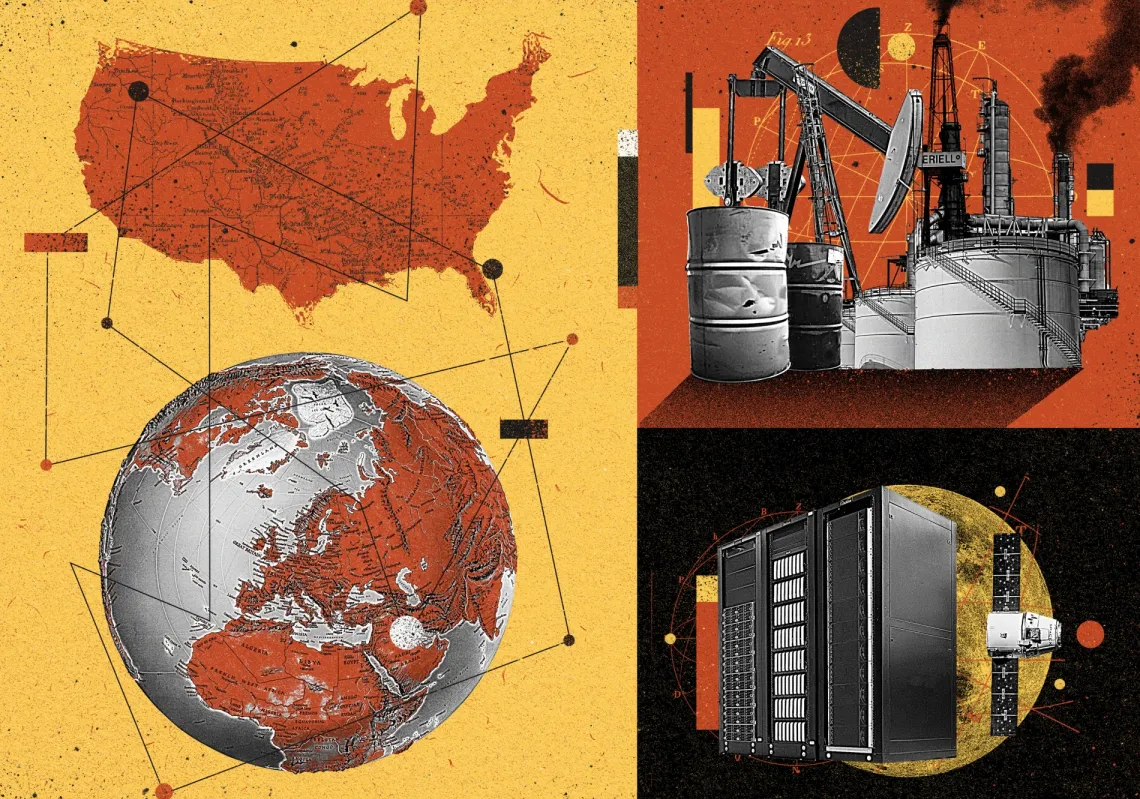
As artificial intelligence reshapes global power, the US and Gulf states are forging a new strategic partnership built on chips, data centres, and digital infrastructure
When it comes to killing politically prominent people, countries are often best placed to do so, as a long history of state assassinations attests. But is there any evidence that it is effective?
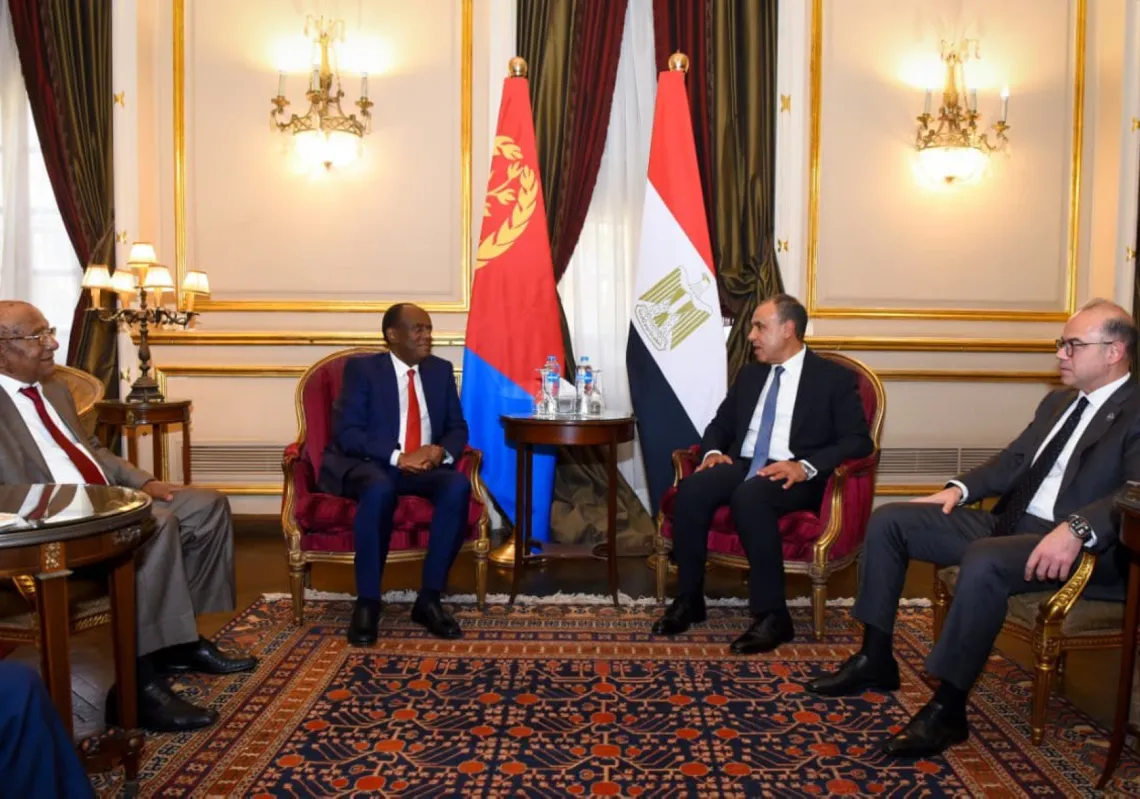
Cairo hopes that by helping the Americans establish relations with Egyptian allies in the region, it will be better placed to deal with the threats posed by Addis Ababa
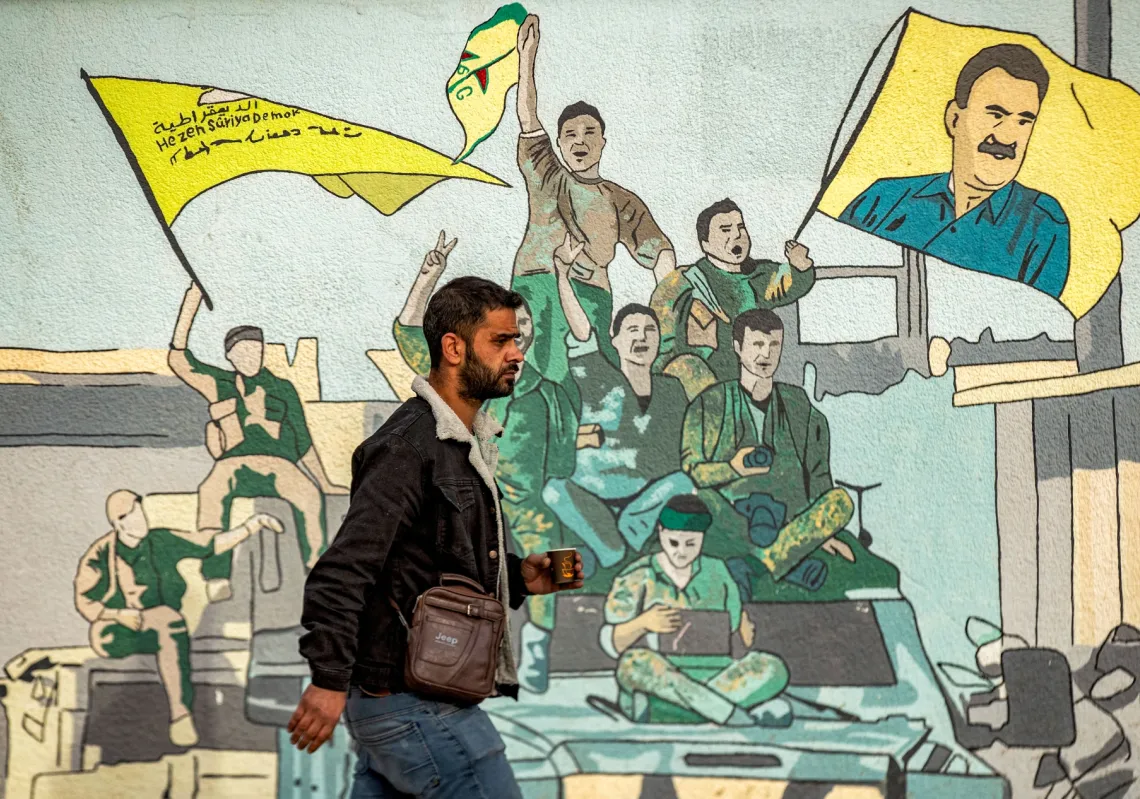
How a regional and international climate increasingly aligned with Damascus is placing pressure on the Syrian Democratic Forces to prioritise Syrian unity
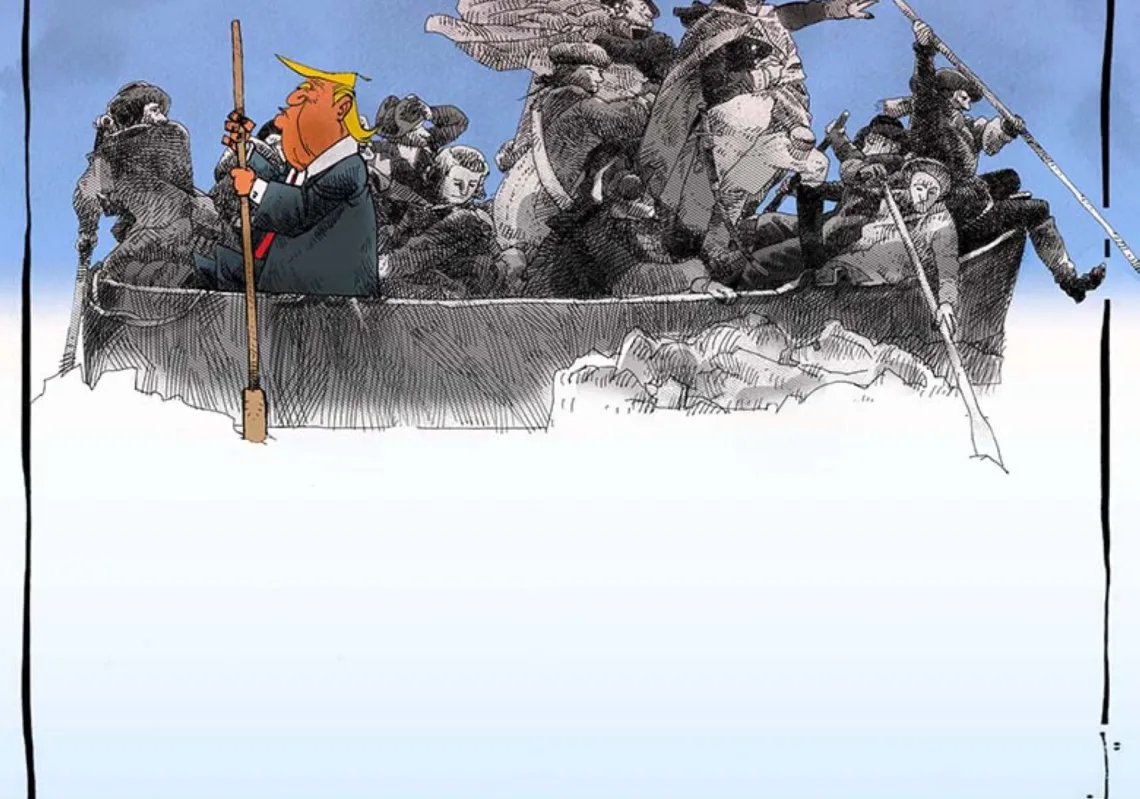
Going forward, the international community needs to reduce dependence on the US without upsetting the world's largest military and economic power. It will be a shaky tightrope to walk.
An Islamic State operative infiltrated Syria's security set-up and waited until he was with American soldiers. The assault requires an urgent reassessment of personnel and recruitment in Damascus.
The American CIA director's visit looks to be a desperate attempt by the Trump administration to avert a doomsday scenario in which NATO is pulled into a larger war with Russia
Al Majalla looks at the former army general's career, political positions, possible paths to victory, and what a change in leadership could mean for Israel and the region after three years of war
As social media transforms how people seek medical advice, figures such as Barbara O'Neill offer something conventional medicine rarely can: absolute certainty
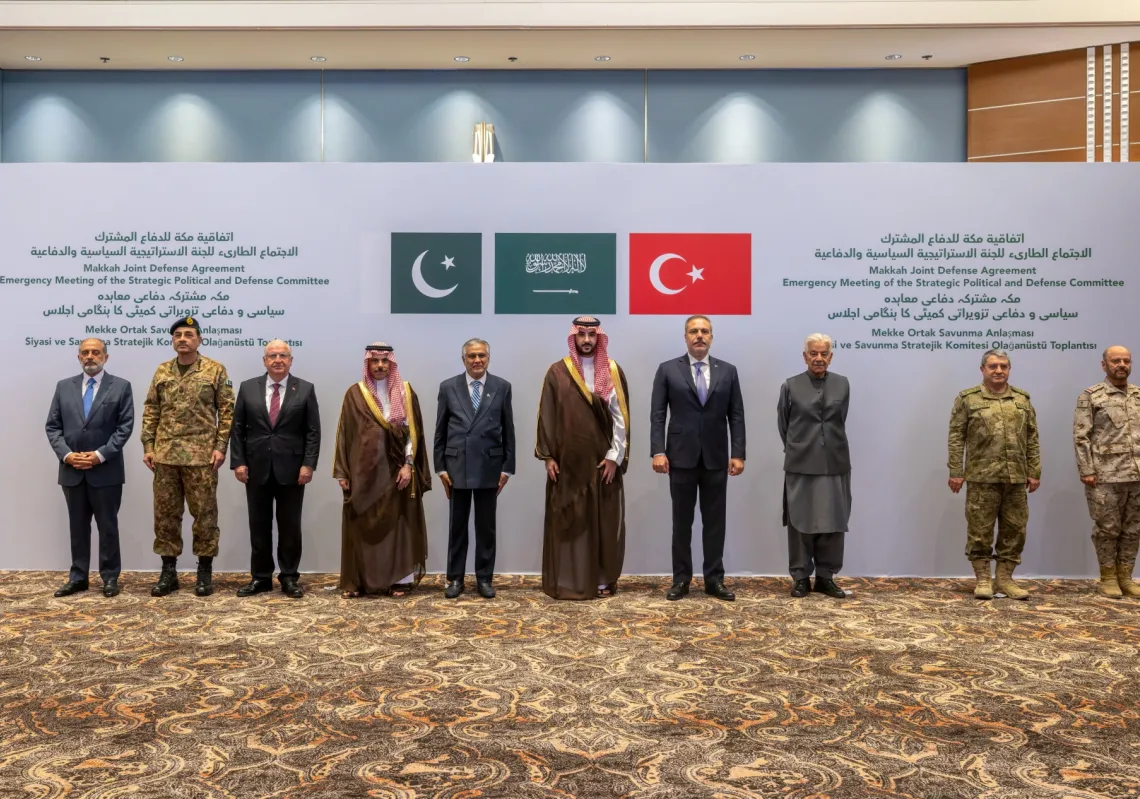
The Iran war exposed the risks of being too closely tied to US military posture, which is why some Gulf states are repositioning themselves not merely as consumers of security but as architects of it