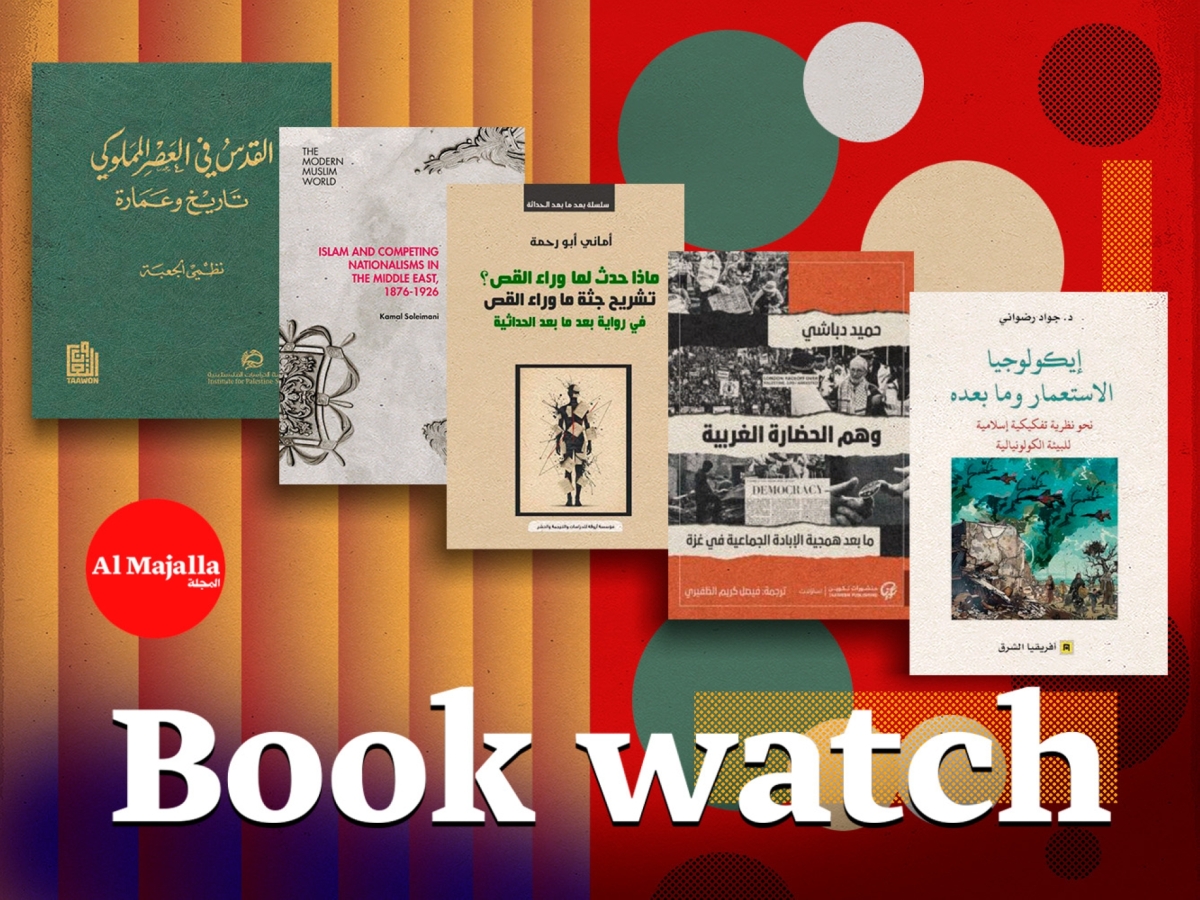
Al Majalla's Book Watch

A tour of the latest releases from Arab publishing houses

Al Majalla's Book Watch

The Arab world has a vibrant and rich literary scene. Al Majalla highlights emerging trends and ideas in its latest Arabic book picks.
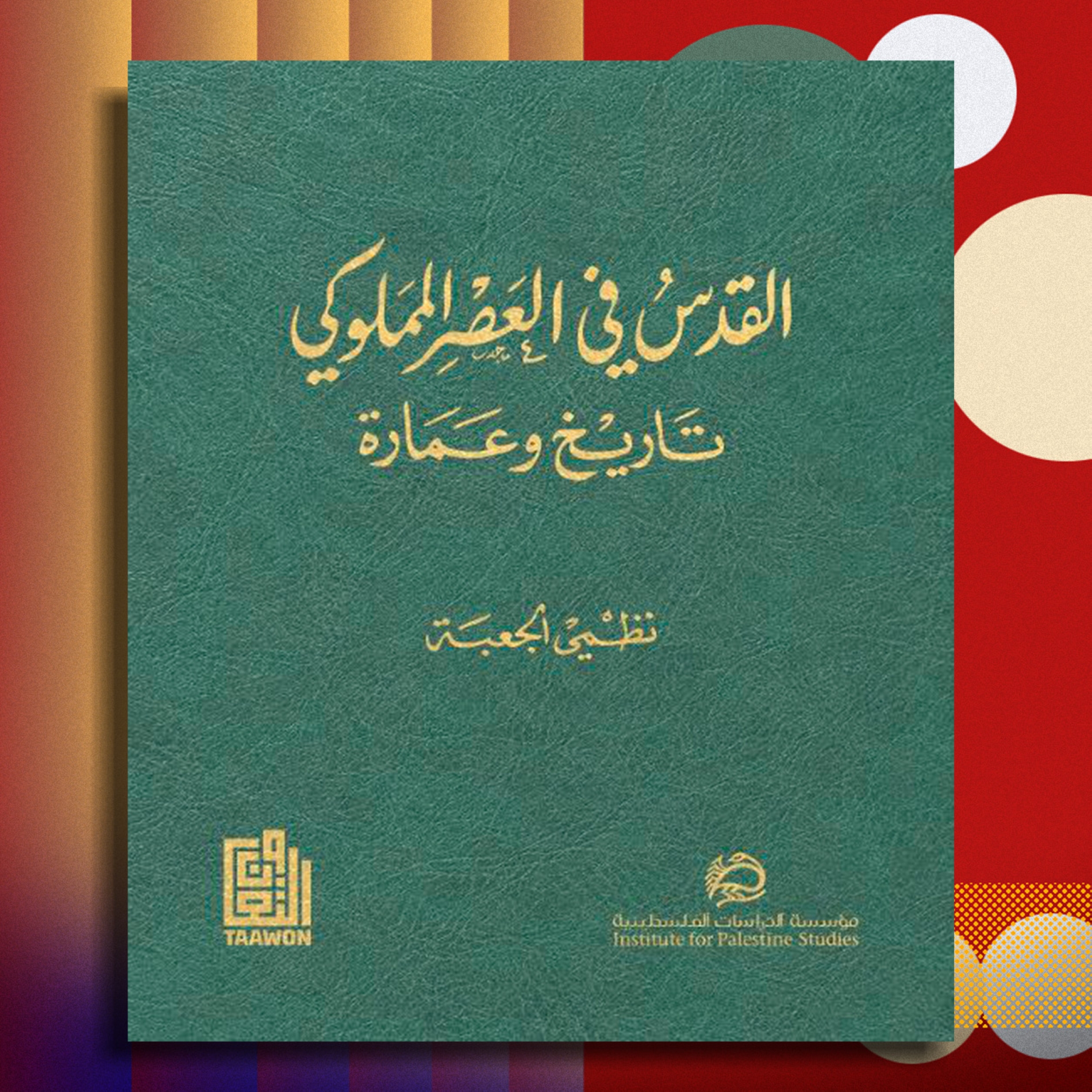

Jerusalem in the Mamluk Era: History and Architecture

By: Nazmi Jubeh

Publisher: Centre for Palestinian Studies, Taawon, Palestine

Jerusalem’s architecture reflects the city’s political, social, and religious transformations, and the relationship between power, place, memory, and identity. This is the premise behind Palestinian historian and researcher Nazmi Jubeh’s encyclopaedic book, which examines the holy city over more than two centuries of Mamluk rule.

Jubeh regards the Mamluk era as a turning point that reshaped Jerusalem’s cultural and architectural landscape. From the middle of the 13th century, the Mamluks consolidated their presence in the city through religious patronage, investment in construction, and the development of institutions. These policies were intended to strengthen the legitimacy of their rule and their standing in the Islamic world.

Jerusalem, with its religious and political significance, held particular importance in this strategy. The book explores this by examining the sultans, emirs, scholars, merchants, and women who helped establish institutions, care for holy sites, and create religious endowments. It also examines the city’s administration, population, economy, and religious life, documenting its religious composition, markets, pilgrims and visitors, and the role of endowments.

Architecture is central to Jubeh’s study. He examines Al Aqsa Mosque, the Dome of the Rock, madrasas, hospices, religious lodges, markets, public fountains, waterworks, and homes, tracing construction, restoration, and architectural additions. He also highlights the distinctive character of Jerusalem’s architecture, which retained the broader Mamluk style while preserving local features and adapting to the physical urban setting.

Jubeh shows that many Mamluk buildings still stand in Jerusalem’s Old City, making it an exceptional repository of architectural heritage. He documents more than 100 buildings and architectural interventions, drawing on historical sources, documents, inscriptions, photos, and architectural plans.

Combining history, archaeology, and architecture, this book shows how historic buildings can reveal much about the societies that constructed them. Jerusalem today bears the accumulated layers of its history, visible in streets and buildings, that still carry traces of eras past. It is a book about a city whose history can be read in its stones, and about an architectural memory that stubbornly resists oblivion. Protecting Jerusalem’s heritage means defending its history, identity, and the right to remember.
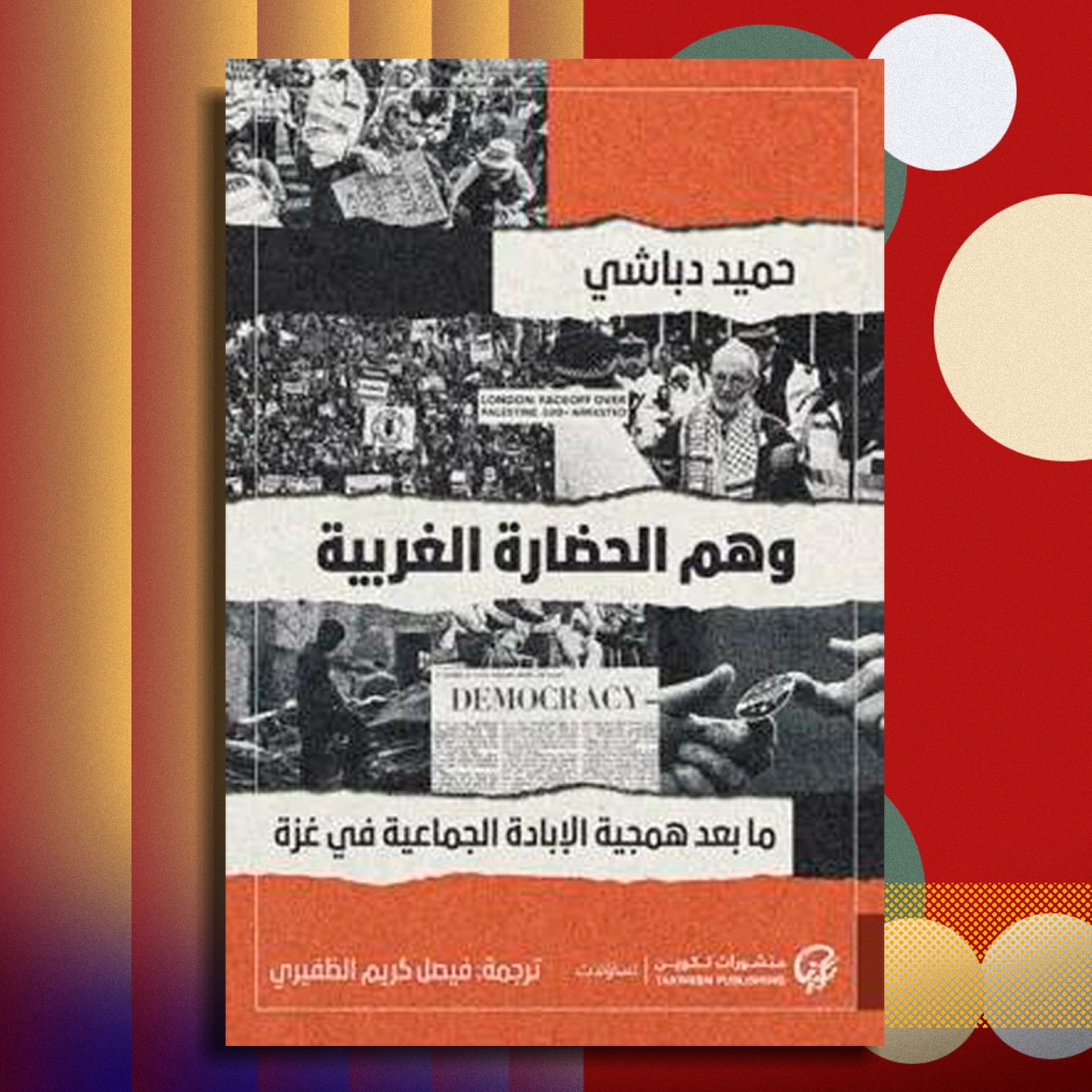
After Savagery: Gaza, Genocide, and the Illusion of Western Civilisation

By: Hamid Dabashi

Translated by: Faisal Karim Al Dhafiri

Publisher: Takween Publications, Kuwait

Hamid Dabashi begins with the contention that the values, freedoms, and human rights that the West presents itself as defending have been profoundly shaken by the genocide in Gaza. Is this double standards, he asks, or does the problem lie in the foundations of Western civilisation itself?

The Palestinian tragedy is used as a starting point for a sweeping critical reassessment of Western modernity and its moral claims. Dabashi looks beyond the contradiction between Western rhetoric and practices directed against Palestinians. He questions the intellectual and historical roots of that contradiction, arguing that the problem is neither recent nor confined to any particular government, but rooted in a long history of colonialism, imperialism and racial supremacy.
Gaza is used as a starting point for a sweeping critical reassessment of Western modernity and its moral claims

The author revisits the intellectual legacy of several major European philosophers and thinkers, including Immanuel Kant, Georg Wilhelm Friedrich Hegel, and John Locke. He examines the ideas and positions that reveal colonial and racist tendencies within strands of thought that helped lay the foundations of Western modernity.

He is not putting philosophers of the past on trial, but exposing the contradictions that accompanied the development of Western concepts of reason, freedom, and humanity, and examining how those concepts apply to peoples beyond the European centre. Dabashi sees Gaza as a revealing moment that has reopened fundamental questions about civilisation and barbarism, humanity and colonialism, and power and knowledge.

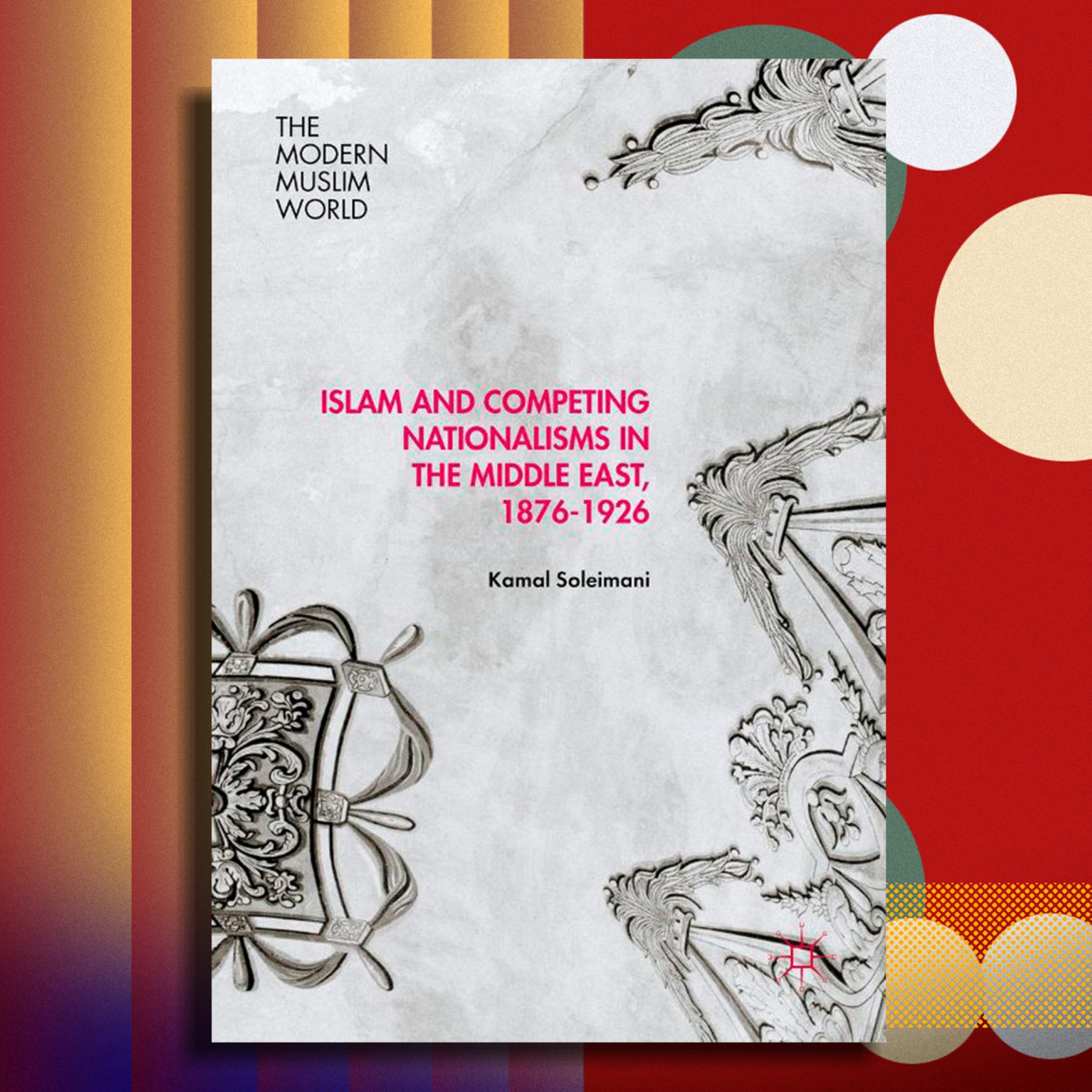
Islam and Competing Nationalisms in the Middle East, 1876-1926

By: Kamal Soleimani

Translated by: Muhammad Shemdin

Publisher: Dar Al Zaman for Printing, Publishing and Distribution, Syria

In this book, researcher Kamal Soleimani explores the relationship between Islam and the emergence of modern nationalisms in the Middle East. Did religion hinder the development of national consciousness, or did it actively help shape the identities and political movements that emerged during the late Ottoman era? The question forms the basis of his examination of religion and nationalism.

A common assumption in studies of modern nationalism is that the formation of national identity requires the exclusion of religion. Soleimani argues that the Middle Eastern experience was more complex. Islam helped shape national identities but was itself influenced by the historical and political circumstances surrounding the rise of nationalist movements.

The author examines the competing currents of Ottoman, Turkish, and Kurdish nationalism, analysing how Islam and religious discourse were used to construct political identities and legitimise nationalist projects. He explores the policies of Sultan Abdul Hamid II, particularly the relationship between Pan-Islamism and the Ottoman political project. He also examines the Kurdish experience through key historical episodes and prominent figures, including Sheikh Ubeydullah of Nehri, Sheikh Said of Piran, and the writings of Said Nursi.

By placing their ideas and positions at the heart of struggles over identity, power, and the caliphate, Soleimani reveals how religious affiliation and national consciousness became intertwined and contradictory. He revisits a formative period in the history of the modern Middle East, challenging interpretations that reduce nationalism to a Western model or regard Islam as inherently opposed to nationalist movements, and examines the political history of ideas and the ways identities take shape.

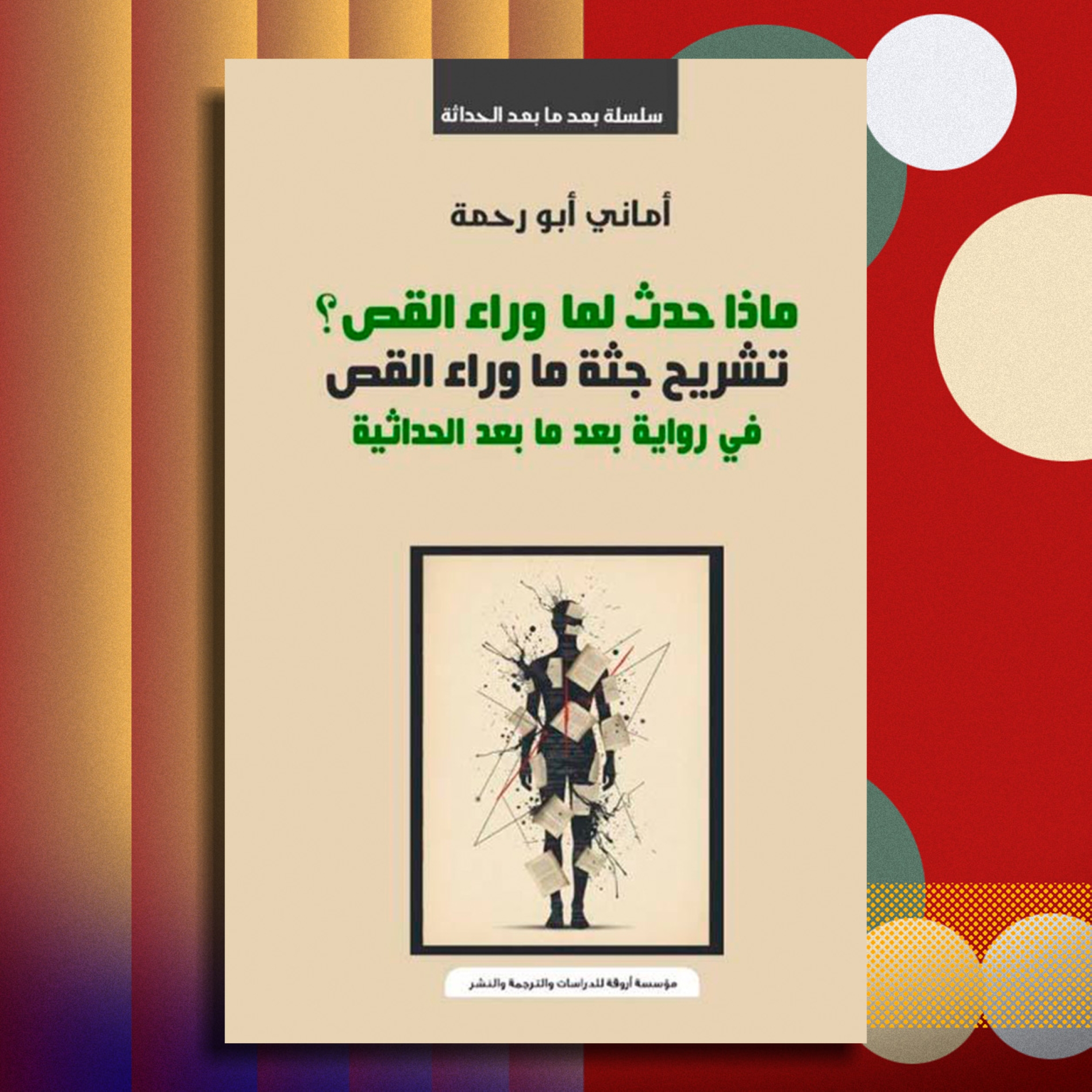
What Happened to Metafiction?

By: Amani Abu Rahma

Publisher: Arweqa Foundation for Studies, Translation and Publishing, Egypt

What happens when a novel stops recounting events and begins talking about itself? When the author appears within the text, or characters acknowledge that they are characters in a novel? These are examples of 'metafiction', a technique employed in postmodern fiction, as Amani Abu Rahma explains in her book.

Metafiction offers a different way of writing and thinking about the novel. Instead of providing an imaginary world for readers to explore and immerse themselves in, a metafictional novel draws attention to the act of writing itself, revealing some of its tricks and techniques. The author may appear within the story, characters may discuss the novel they inhabit, or the narrative may pause to reveal itself as an act of writing.

Readers thus question the boundary between reality and imagination, between authors and their characters, and between reality and imagination. It is an approach that became closely associated with postmodern literature, with its scepticism towards established truths and grand narratives, but Abu Rahma asks what happened to the technique as the wave of postmodernism receded.

Has the novel exhausted the possibilities of metafiction, or has it survived in different forms and with different functions, as new approaches to storytelling emerge? Abu Rahma seeks answers by tracing its development and transformations, placing metafiction under the microscope to determine which aspects have run their course and which remain alive and capable of enduring. The answers may help show whether the novel is still capable of new forms of storytelling.

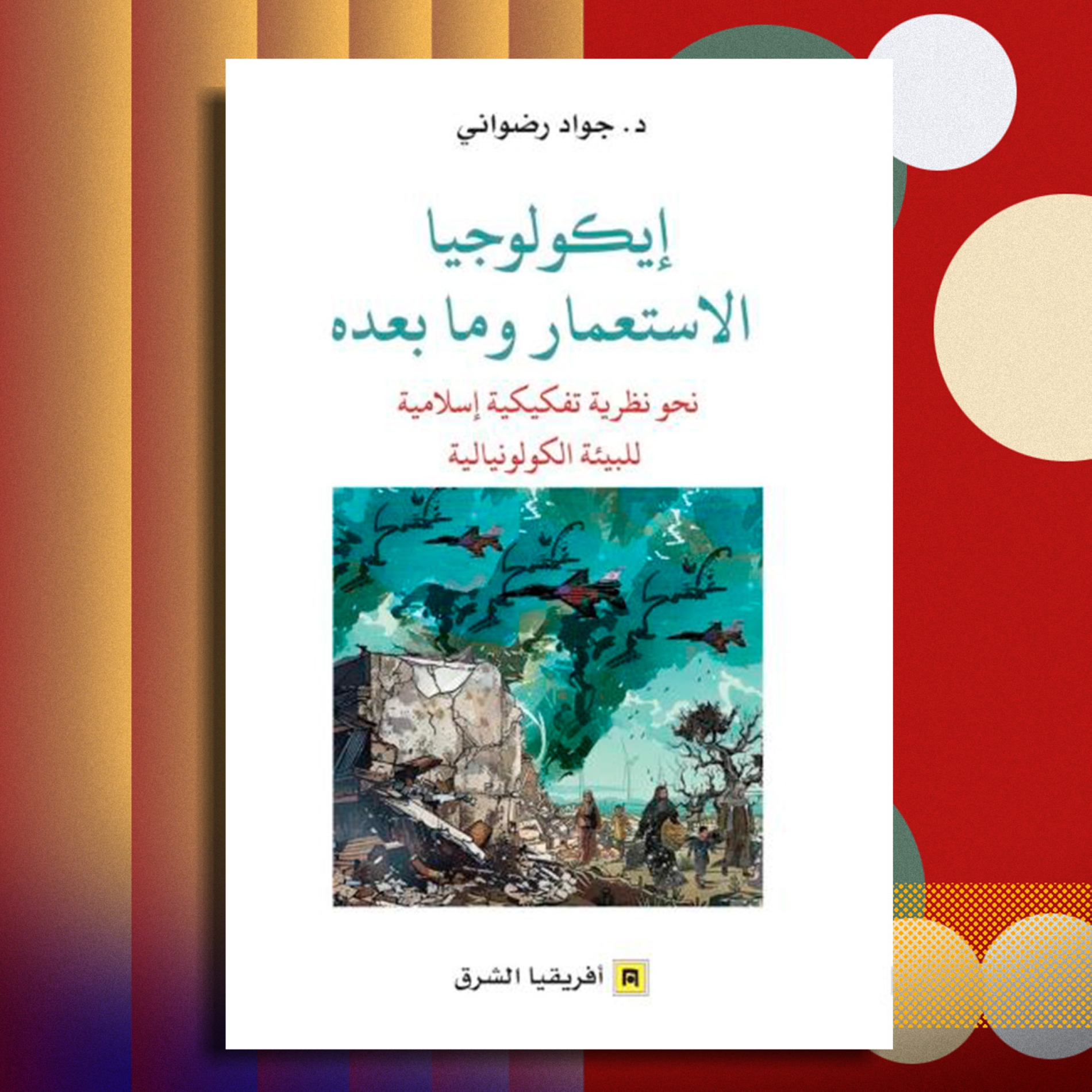
The Ecology of Colonialism and Its Aftermath

By: Jawad Rizwani

Publisher: Afrique Orient, Morocco

In this book, Moroccan researcher Jawad Rizwani argues that colonialism involves more than occupying land and controlling populations; it also shapes the world we live in and governs our relationship with nature, resources, and place. From this perspective, it establishes control over a country while creating an environment, or ecology, that makes such domination possible and sustainable.

Rizwani argues that colonial rule extends beyond direct control over land and populations to reshape the conditions in which colonised societies live. It does so by controlling their resources, reorganising their economic and social relations, and influencing how they perceive themselves and their surroundings. The effects do not end with military or political withdrawal, but persist through the ideas, interests, and structures left behind.

The 'colonial environment' therefore encompasses more than just nature and land; it includes political, economic, and cultural conditions. Controlling the environment means controlling resources, determining how they are exploited, and shaping the relationship between people and place.

The 'Islamic deconstructive theory' Rizwani proposes seeks to examine and critique colonialism through an Islamic lens. Deconstruction, in this context, means exposing and reassessing the ideas that justify domination and present it as natural or legitimate. The aim is to develop a different understanding of humanity's relationship with land, nature, and existence, grounded in responsibility, balance, and justice.

font change

Related Articles