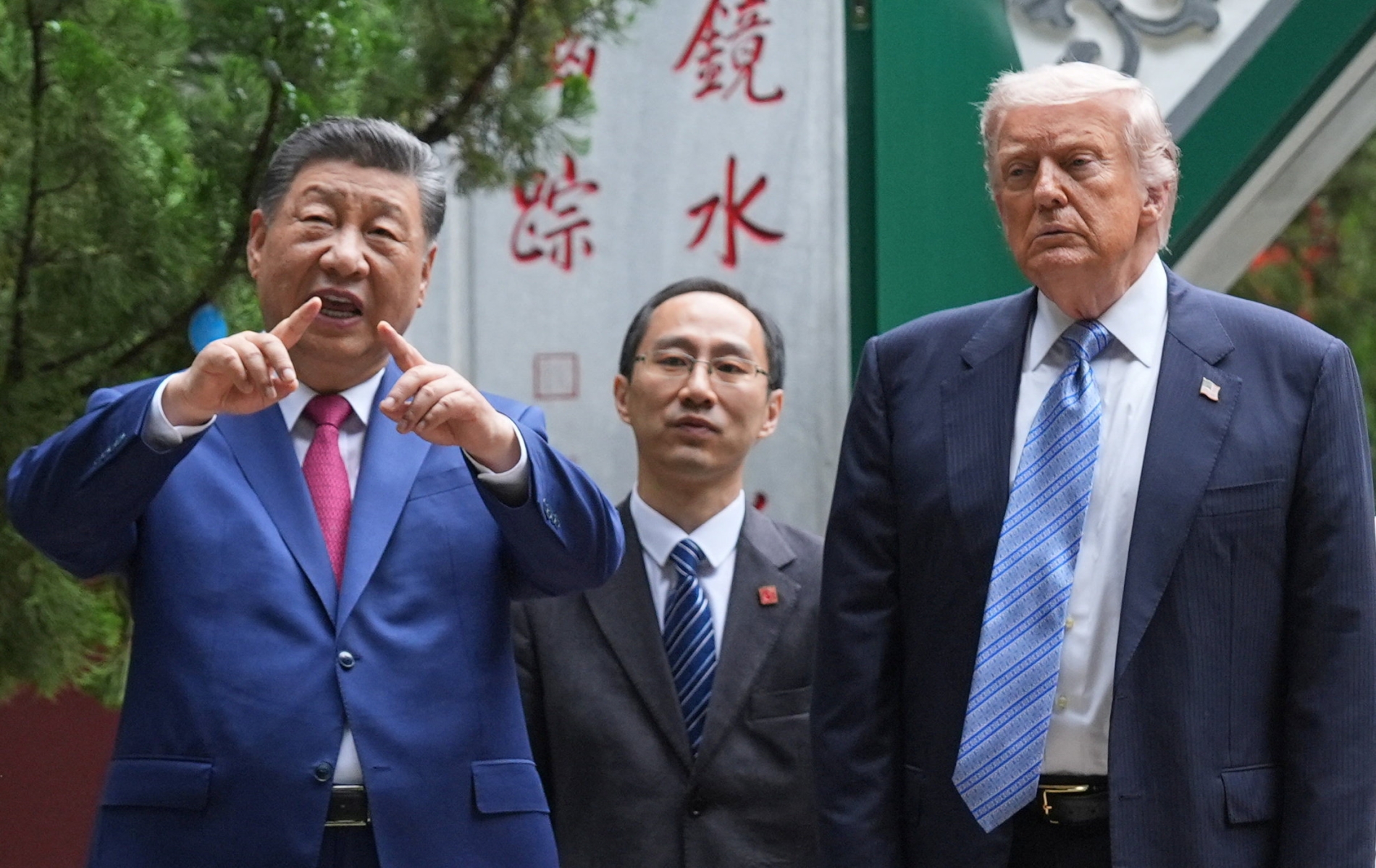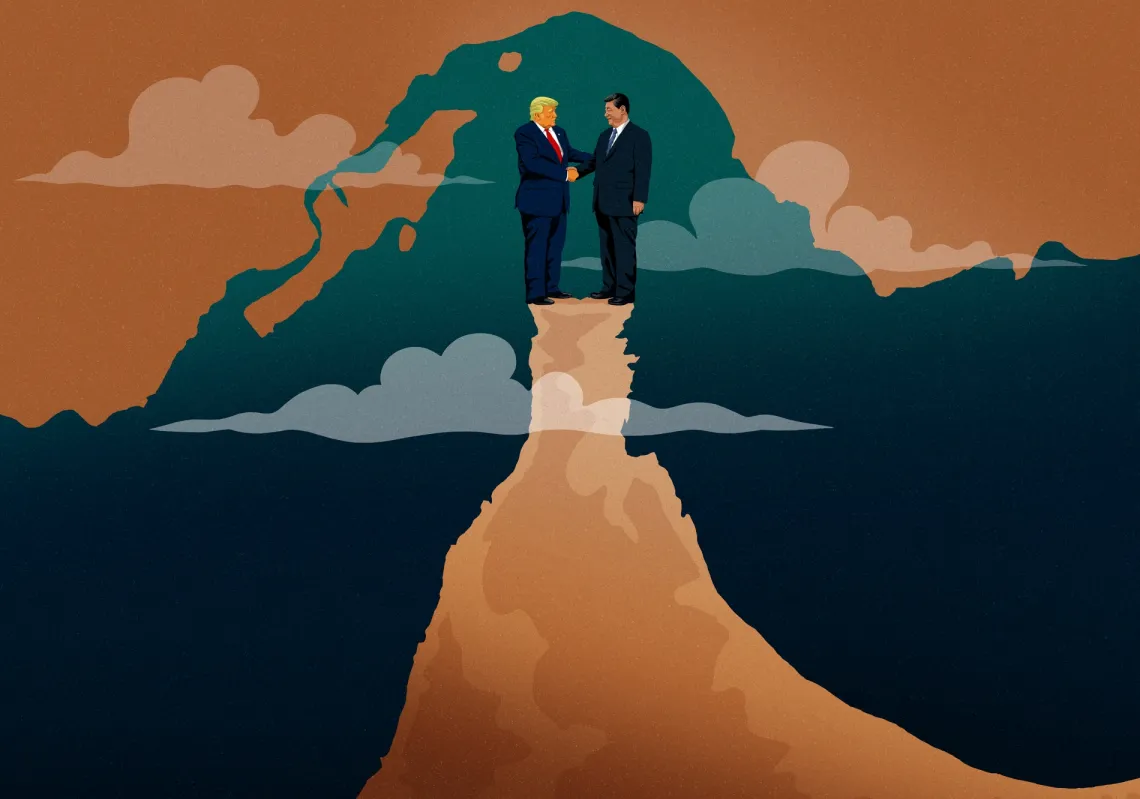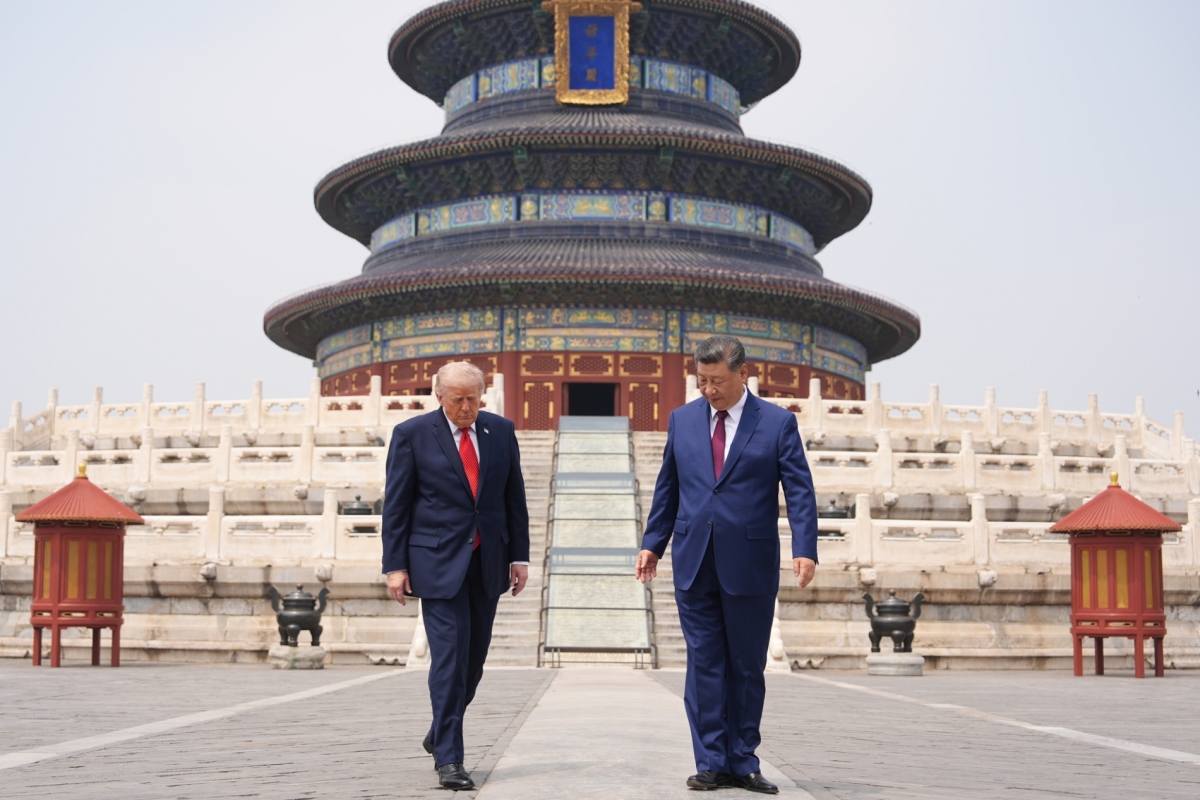

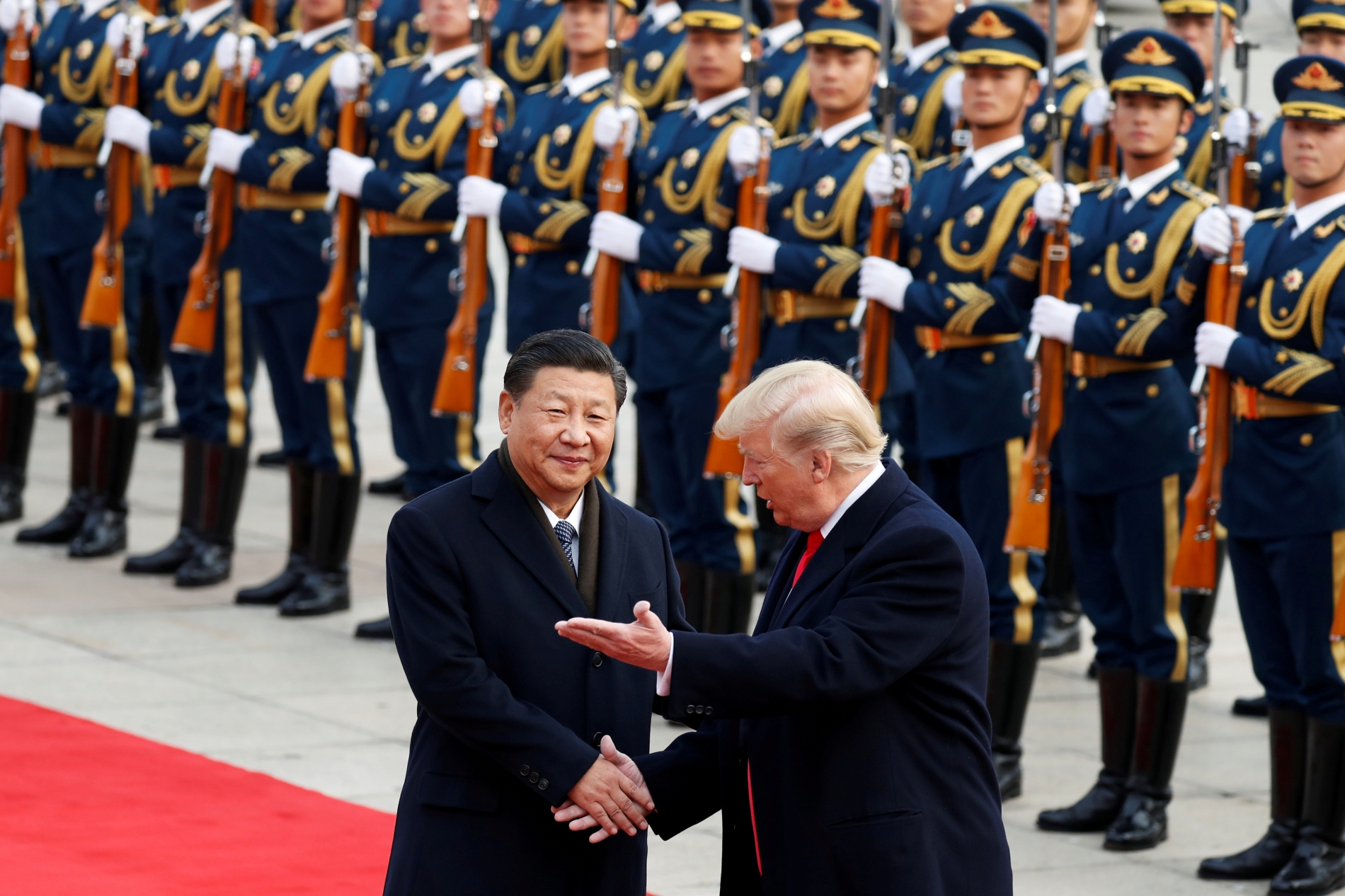
Japan watched closely as US President Donald Trump and Chinese President Xi Jinping met in Beijing last week. For Tokyo, several discussion points have a direct bearing on Japan’s economy and security. The importance was underlined by the fact that Trump called Japan’s Prime Minister Sanae Takaichi from aboard Air Force One as soon as he left.
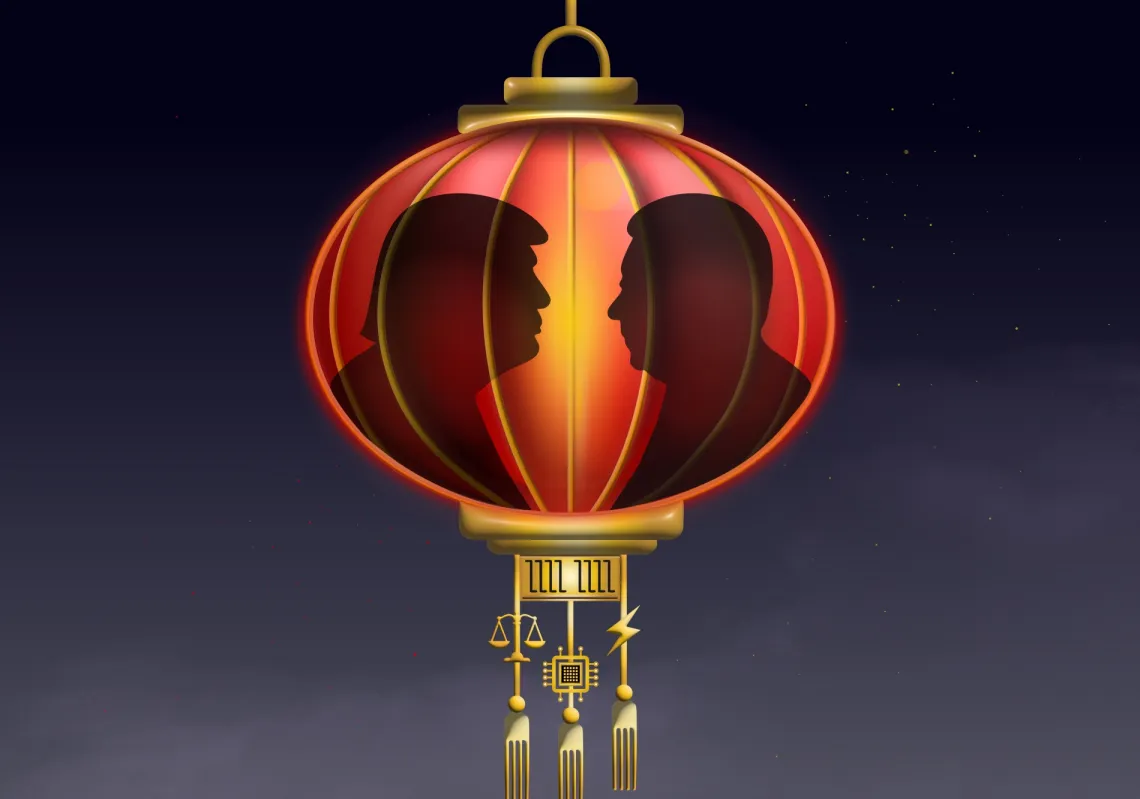
From a Japanese perspective, there were three key issues: Taiwan, Iran, and the broader bilateral framework. The most notable feature of the summit was that both Trump and Xi agreed that ‘strategic stability’ was a shared objective. Xi described a “constructive strategic stable relationship” as the “guiding principle” for future Sino-American relations, urging them to “prosper together as partners rather than as rivals”. Trump said they would “build a wonderful future”.
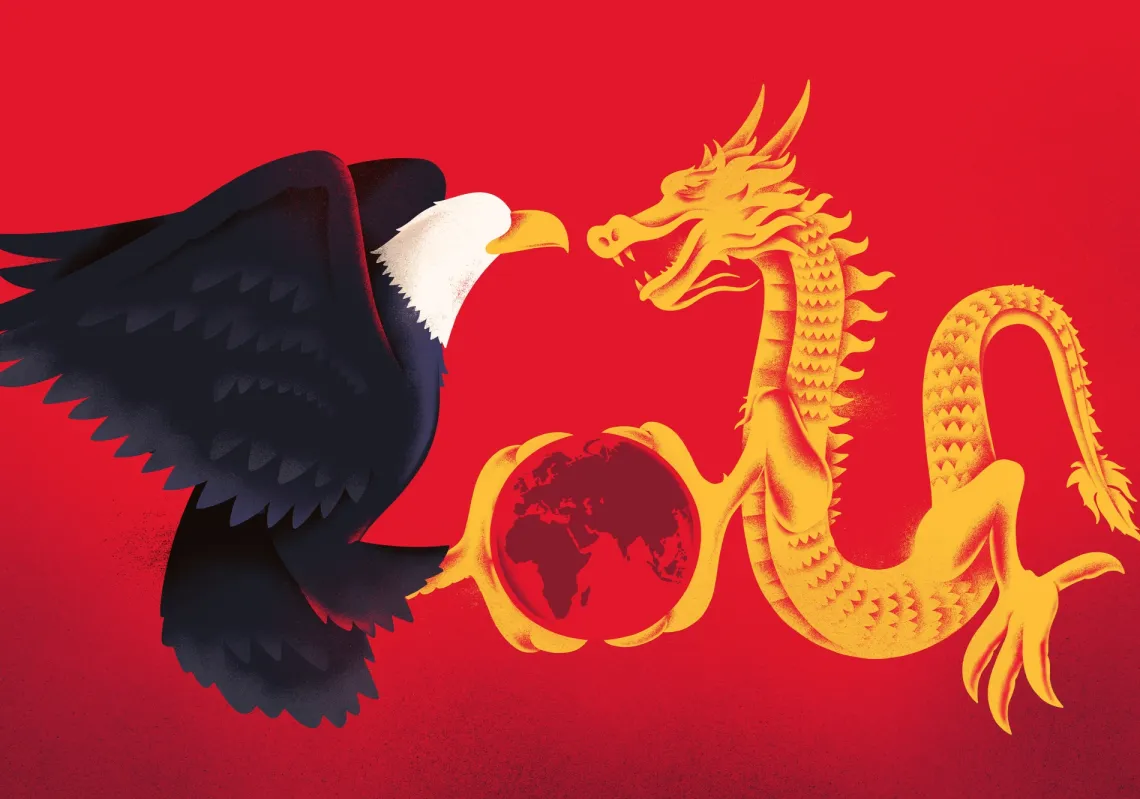
In contemporary Sino-American usage, ‘strategic stability’ denotes managed competition—an understanding that, whilst fundamental disagreements persist in matters of security, technology, and ideology, both sides will erect guardrails to avert mutually catastrophic conflict. The term, therefore, signals not harmony but a structured rivalry conducted within agreed limits.
On trade, they agreed to avoid escalating tensions through tariffs or export controls. China reportedly agreed to buy around 200 Boeing aircraft, a visible diplomatic deliverable. Such ‘numerical diplomacy’ allows both sides to claim achievements domestically, whilst attesting to the enduring depth of economic interdependence. Overall, the summit served less as a breakthrough than as a confirmation of a truce, an understanding to avoid direct confrontation for the time being. Deep structural contradictions remain entirely unresolved.
Taiwan
The most tension was felt over Taiwan, a self-governing island that China claims as its own. Beijing has not ruled out the use of force to “reunify” it one day, but Washington has long been a Taiwanese ally and is legally obliged to assist its self-defence. The US is due to sell a large package of weapons to the island, but Trump has now suggested that this may be reconsidered.
Xi described Taiwan as “the most important issue” and issued an unusually stark warning to the Americans, saying: “If it is handled poorly, the two countries will clash and may even engage in conflict.” He added that “Taiwan independence and peace in the Taiwan Strait are incompatible”. Trump suggested that he maintained strategic ambiguity but acknowledged that Xi had relayed the seriousness of Beijing’s position.
He also declined to commit to arms sales, saying only that he would “make a decision soon,” and the official American summit readout contained no specific reference to Taiwan, a notable omission given the issue's centrality to Beijing. The Chinese foreign minister emphasised that the point had been made, saying: “The United States has understood the Taiwan question.” It underscores Taiwan as the biggest structural risk factor in bilateral relations.