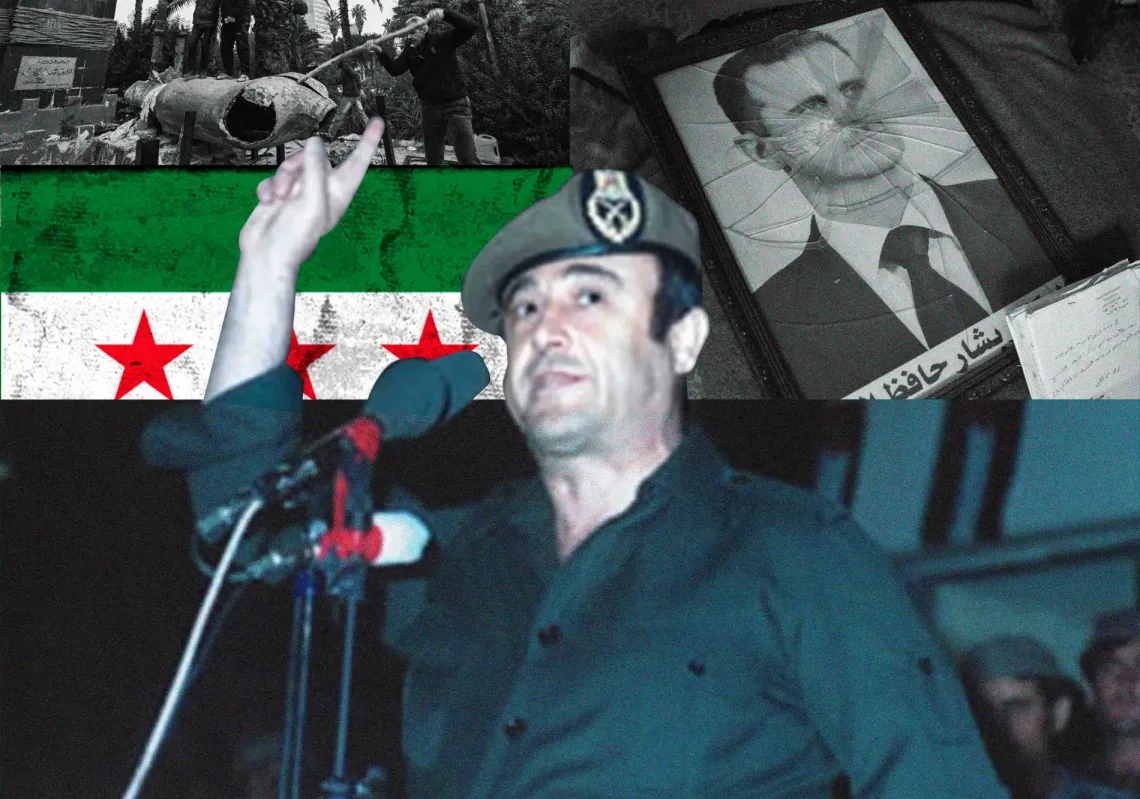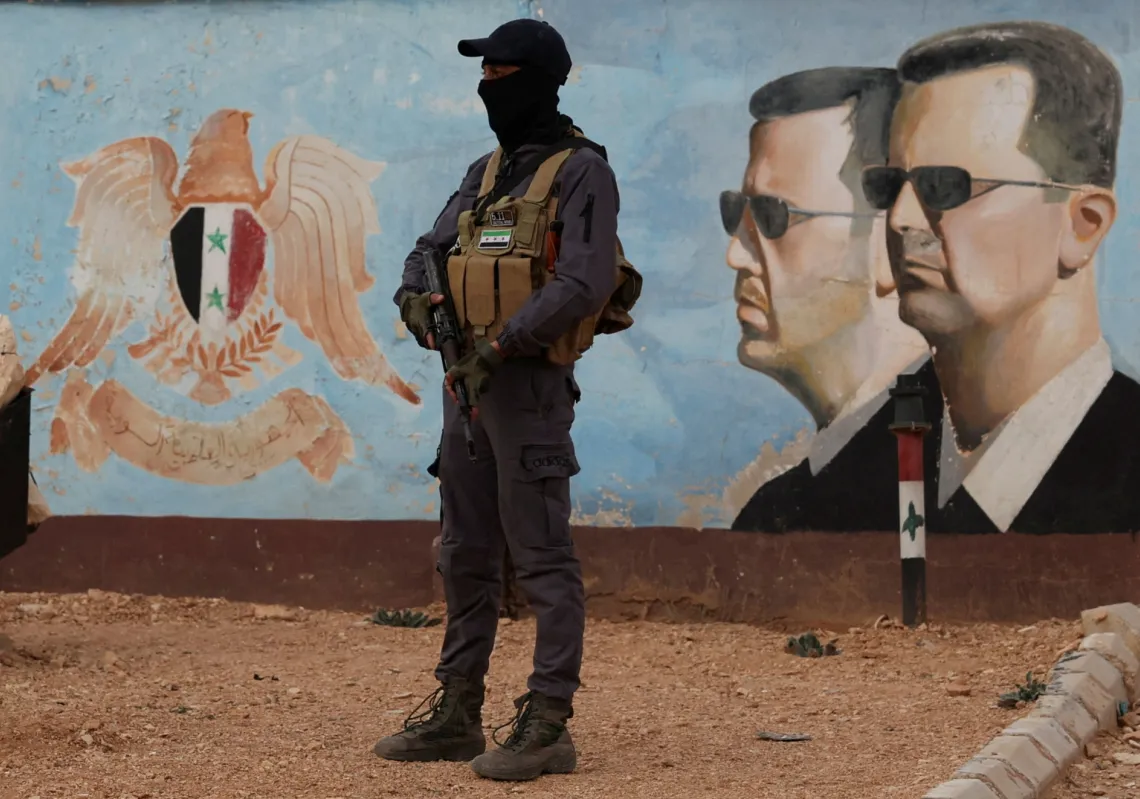
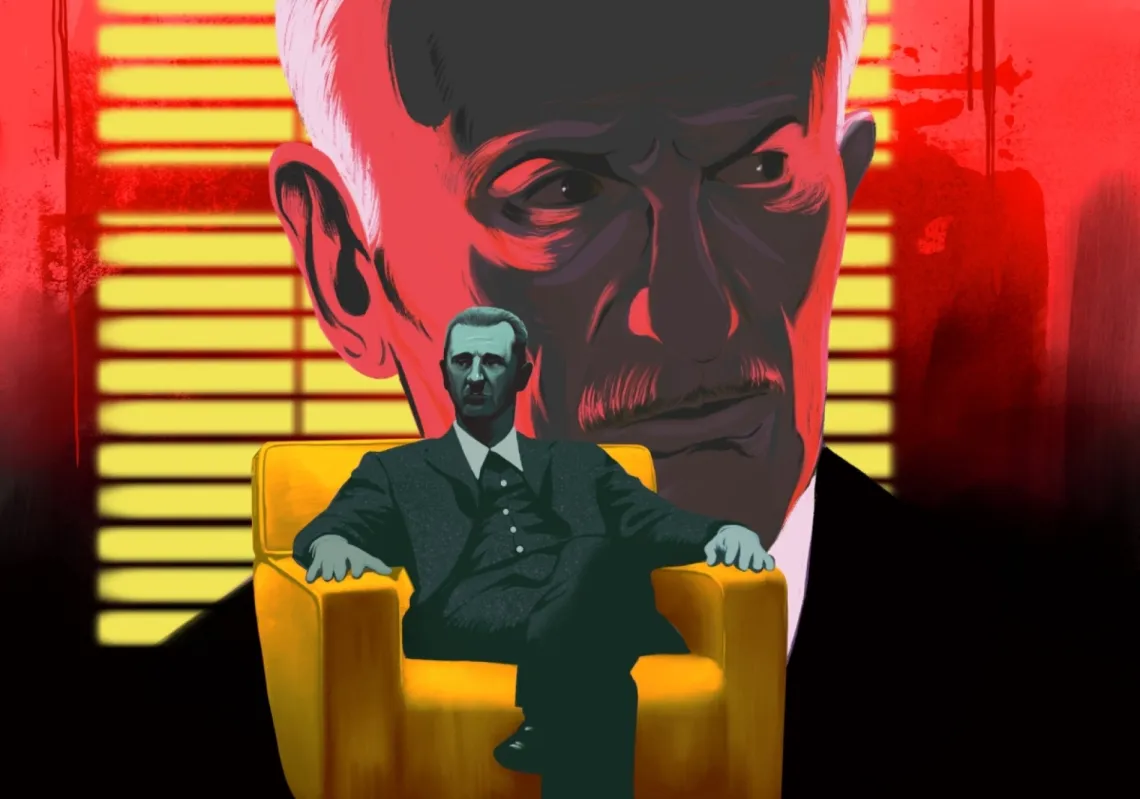
Bashar's uncle was a key figure in the Assad regime who oversaw the bloodiest massacre committed by an Arab state against its own people in history, earning him the title 'the Butcher of Hama'
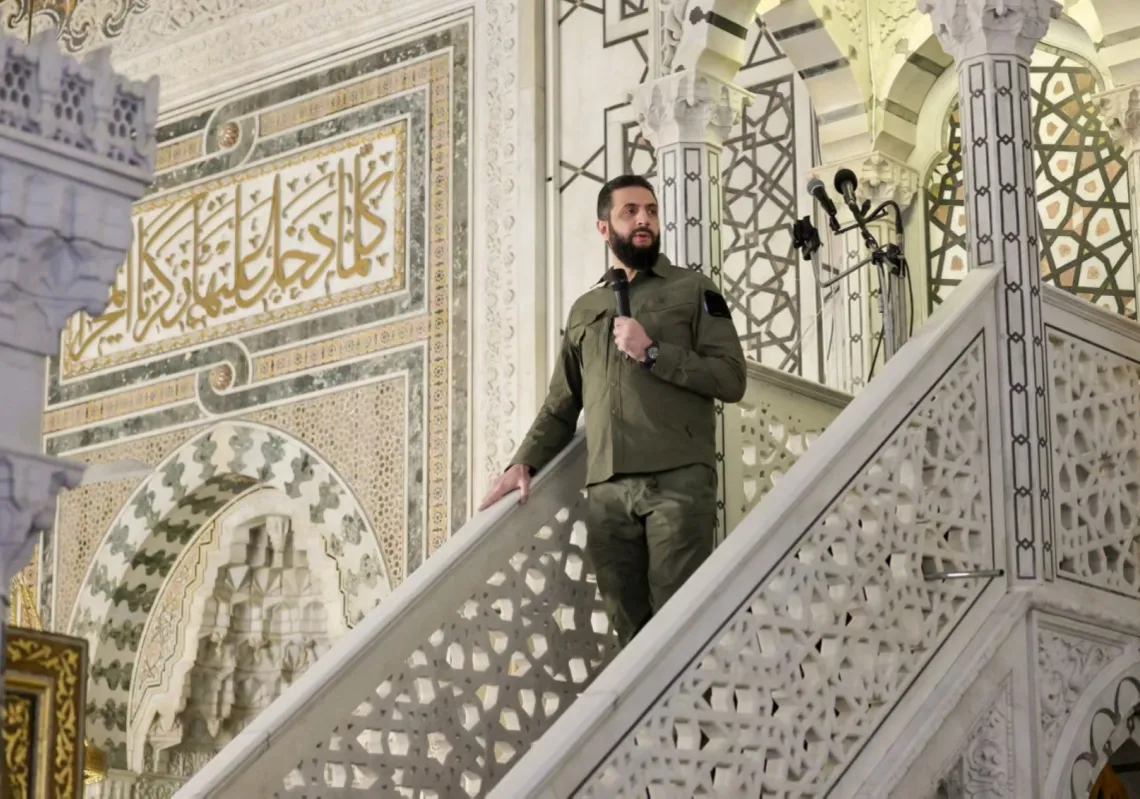
To the surprise of many, Syria's interim president has neither removed Assad-era staff nor sought revenge on his key lieutenants. It has helped stop Syria from fragmenting.
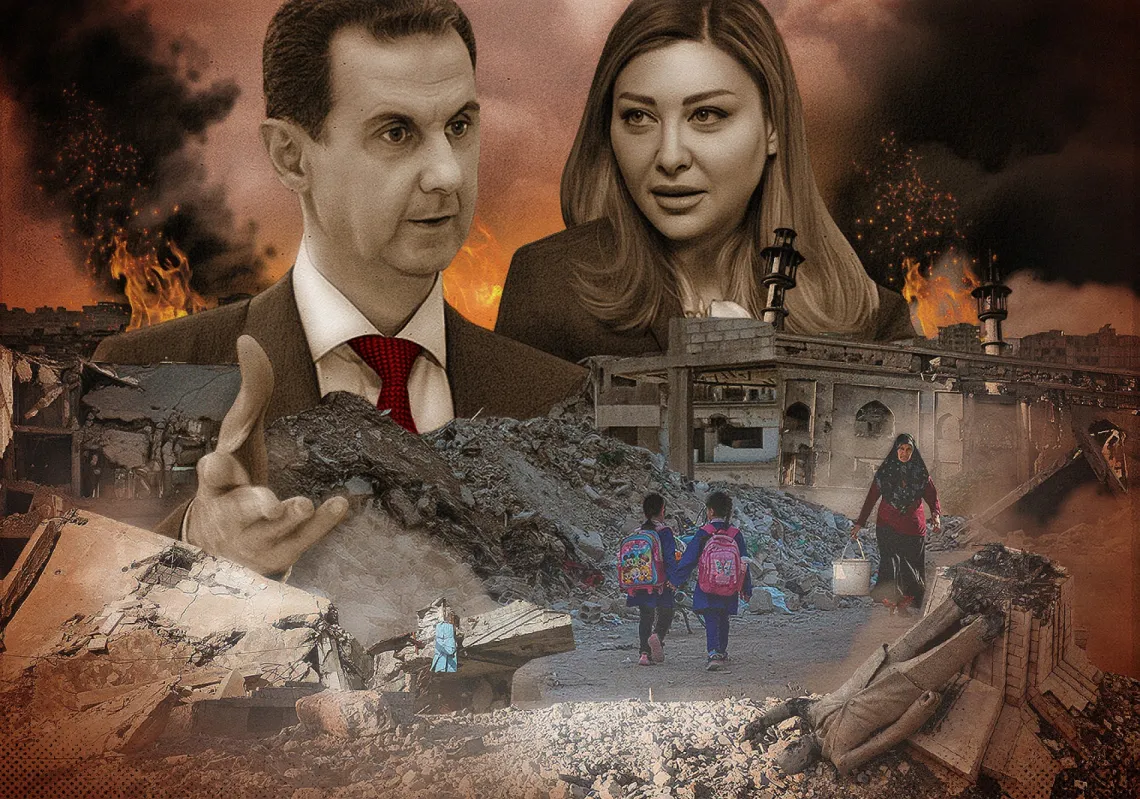
Al Majalla reveals the full story of Bashar al-Assad's former head of media whose brother disappeared two months before she was killed in an incident eyewitnesses say was no 'accident'.
The Assads bound Syria to regional power plays far beyond its means. As the country embarks on a new path, hollow rhetoric must be replaced with a vision grounded in freedom, equality, and sovereignty
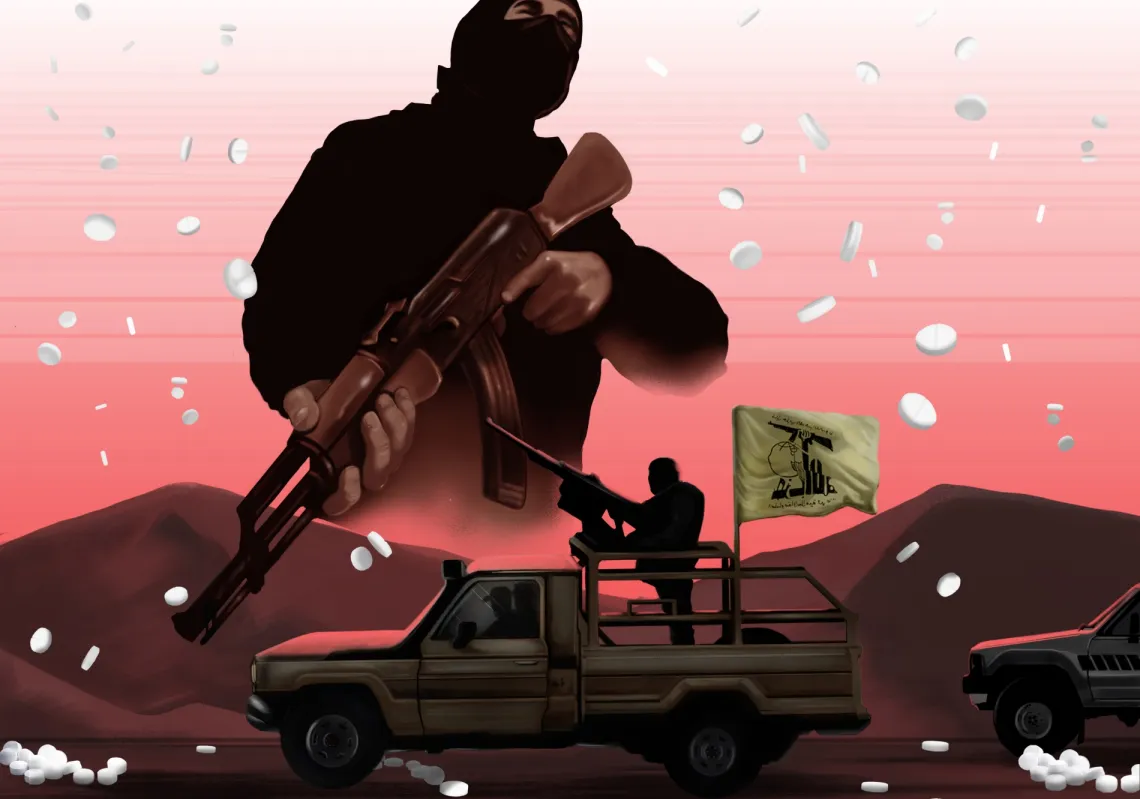
The combined effect of the shocks to the Assad regime and Hezbollah's operational capacity has been to transform, rather than end, illicit cross-border economies like arms and captagon
The 'Detainees and the Disappeared' installation in Damascus enshrines harrowing stories of individual imprisonment into a collective archive to remind future generations of their pain and sacrifice
An investigative report by Al Majalla details the manner and extent to which the former Syrian regime used legislation to seized citizens' property across the country
Al Majalla reveals the covert talks over several years between the representatives of a reluctant Syrian president and successive White House administrations hoping find a missing American.
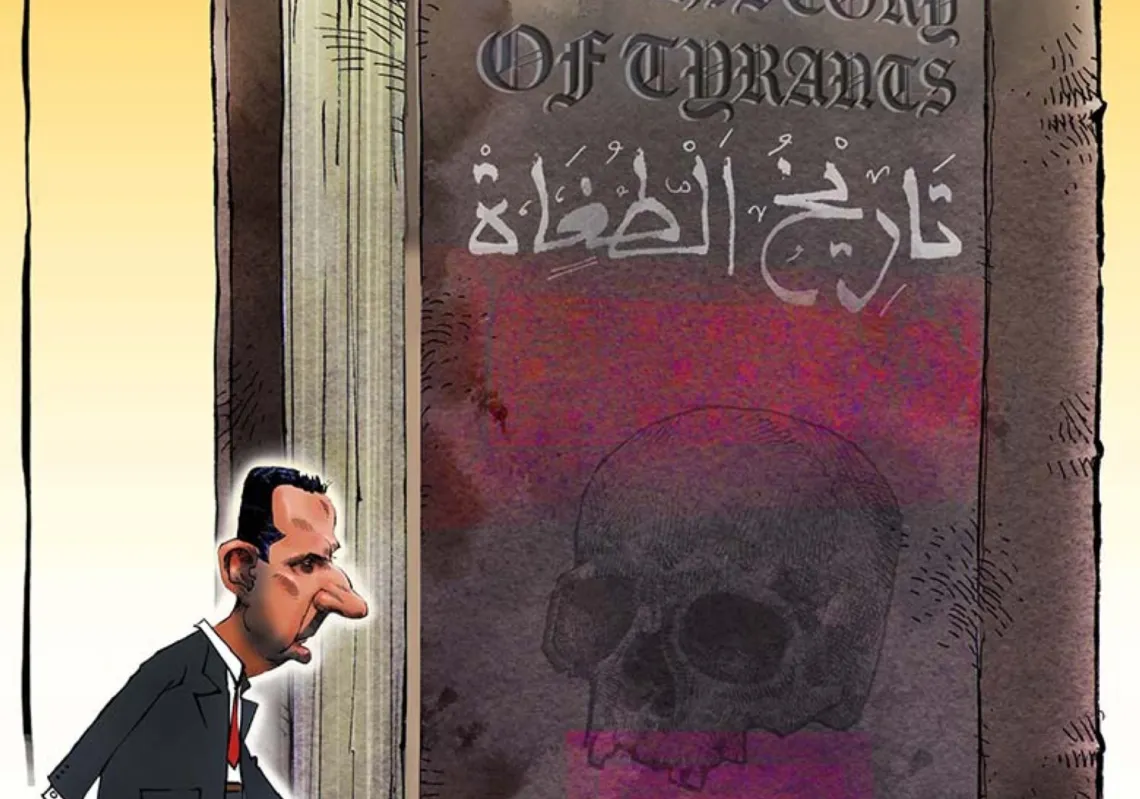
In the second volume of his memoirs, the former Syrian vice president describes the reign of Bashar al-Assad from his first years in power up until the outbreak of the Syrian revolution
As support for Israel weakens across the US political spectrum, once-taboo questions about military aid, lobbying influence, and US backing are moving into the mainstream
Algeria is one of Africa's largest producers of hydrocarbons, and its proximity to customers in Europe makes it of growing interest as importers fret over a prolonged supply crisis from countries
Through extravagant processions led by palace women, the Mamluk state projected a message of power and prestige at home and abroad, turning the Hajj obligation into a soft-power tool